
A water heater is one of those appliances we rarely think about until something goes wrong. Few things are more frustrating than jumping into the shower only to find out there’s no hot water. When you check your water heater and see that the thermal switch won’t reset, it’s easy to feel lost. This issue can leave you without hot water for hours or even days if you don’t know what to do.
If you’re facing this problem, don’t worry. Many homeowners deal with a thermal switch that won’t reset at some point. Understanding what causes this, how to diagnose the issue, and what steps you can take is the key to solving the problem quickly—and safely. This guide will walk you through everything you need to know, whether you want to tackle the fix yourself or call in a professional.
What Is A Water Heater Thermal Switch?
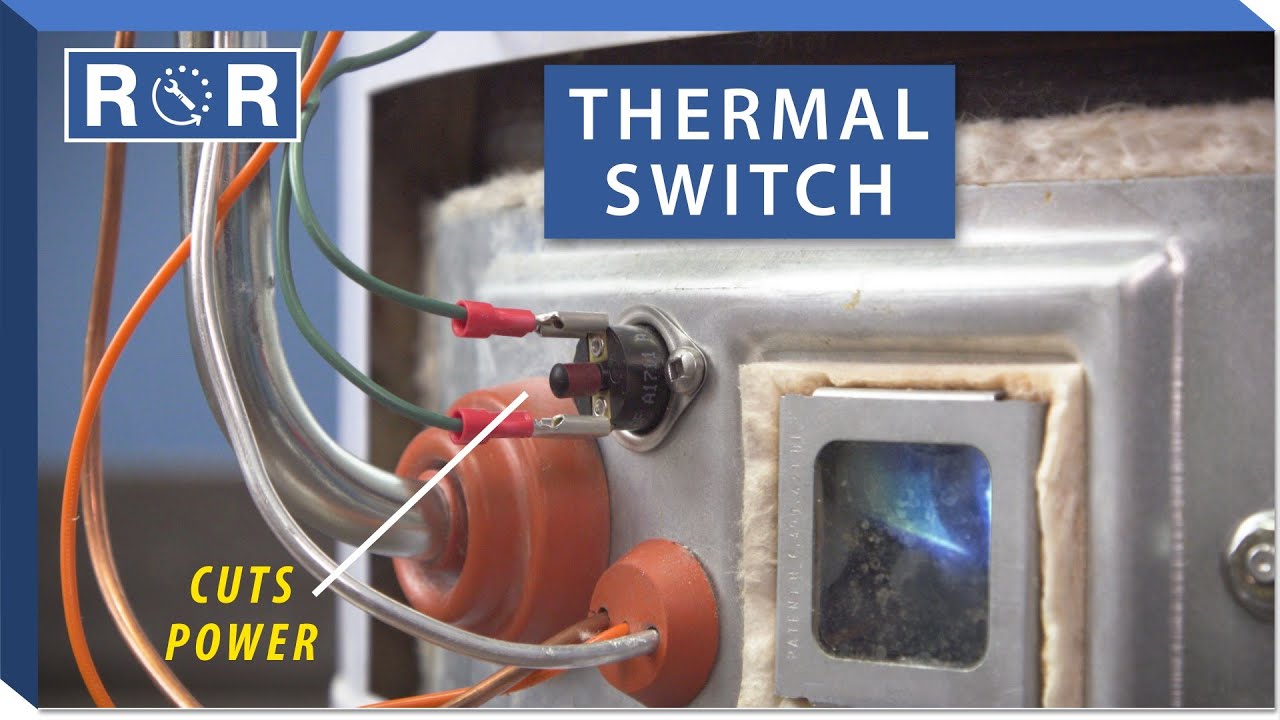
The thermal switch (sometimes called an ECO, or Emergency Cut Off switch) is a safety device inside your water heater. Its main job is to shut off the power or gas if the water temperature gets too high. This helps prevent dangerous overheating, possible fires, or even explosions.
On electric water heaters, the thermal switch is often found on or near the upper thermostat. On gas water heaters, it’s usually located near the burner or combustion chamber. If the switch “trips,” your water heater will stop working until you manually press the reset button.
Why Does The Thermal Switch Trip?
A tripped thermal switch means the water heater is sensing a dangerous condition. Here are the most common reasons:
- Overheating – The thermostat isn’t working, so the water gets too hot.
- Faulty Thermostat – The thermostat fails to shut off heating at the right temperature.
- Sediment Buildup – Sediment at the bottom of the tank causes hot spots.
- Bad Heating Element – On electric models, the element may be shorted or stuck on.
- Blocked Vent (Gas Heaters) – Poor airflow leads to heat buildup.
- Electrical Issues – Loose wires or poor connections overheat parts of the system.
When the thermal switch trips, it’s doing its job—protecting your home and family. But if it won’t reset, you have a bigger problem to solve.
How To Identify A Water Heater Thermal Switch That Won’t Reset
If your water heater stops working, the first thing you might check is the reset button. On most units, this is a small red button behind a panel on the side of the heater. If you push it and nothing happens—no click, no power restored—your thermal switch won’t reset.
Here are signs you have this issue:
- No hot water, even after pressing the reset button.
- The reset button feels stuck or doesn’t “click.”
- The button pops out again immediately after pressing.
- The water heater does not make any sound or response.
Important: Never force the reset button, and never bypass the switch. It’s a safety feature, not just an inconvenience.
Common Causes: Why The Thermal Switch Won’t Reset
Understanding why the thermal switch won’t reset is the first step to fixing it. Let’s break down the main reasons.
1. Persistent Overheating
If your water heater continues to overheat, the switch will not reset. This can be due to:
- Broken thermostat: The thermostat may not shut off the heating element at the correct temperature.
- Shorted heating element: This can cause constant heating even if the thermostat is off.
Tip: If the water is dangerously hot or the heater feels very warm, stop and call a professional.
2. Faulty Thermal Switch
Sometimes, the thermal switch itself fails. This can happen if:
- The switch has been tripped too many times.
- It is old or has a manufacturing defect.
- Moisture or corrosion has damaged the contacts.
3. Wiring Problems
Loose, burned, or corroded wires can prevent the switch from resetting. Check for:
- Burn marks around connections.
- Discolored wires or melted insulation.
- Loose screws or connectors.
4. Sediment Buildup
Over time, minerals in the water settle at the bottom of the tank. This sediment can:
- Cause hot spots.
- Make the thermostat read the wrong temperature.
- Increase the risk of overheating.
If you live in an area with hard water, sediment can build up faster.
5. Blocked Vent Or Flue (gas Heaters)
On gas water heaters, a blocked vent or flue can trap heat inside the tank. This triggers the thermal switch, and it may not reset until the blockage is cleared. Common causes include:
- Birds, nests, or debris in the vent.
- Poor airflow due to a closed or blocked vent cap.
- Soot or carbon buildup.
6. Defective Heating Element
A heating element that is grounded or broken may keep heating the water. This can make the thermal switch impossible to reset until the element is replaced.
7. High Voltage Or Power Surges
Sudden spikes in power can damage both the thermostat and thermal switch, making them unreliable or unable to reset.
8. Leaking Tank
A leaking water heater can cause water to drip onto the electrical components, including the thermal switch. Water exposure can cause the switch to fail or not reset.
Diagnosing The Problem: Step-by-step
You don’t need to be a professional to do some basic checks. Here’s how to safely diagnose a thermal switch that won’t reset:
1. Safety First
- Turn off power at the breaker box (for electric heaters).
- Shut off the gas supply (for gas heaters).
- Allow the heater to cool before touching any parts.
2. Access The Thermal Switch
- Remove the access panel with a screwdriver.
- Carefully peel back the insulation.
- Locate the red reset button (usually on the upper thermostat).
3. Inspect For Visible Damage
- Look for burnt wires, melted plastic, or scorch marks.
- Check for water leaks or corrosion around the switch.
4. Press The Reset Button
- Press firmly but gently.
- If it clicks and stays in, the heater may restart.
- If it pops out right away or doesn’t click, the problem is not solved.
5. Check For Power
- Use a multimeter to check for voltage at the terminals.
- If there is no power, check your breaker or fuse box.
6. Test The Thermostat And Heating Element
- With the power off, use a multimeter to check for continuity in the thermostat and heating elements.
- No continuity means the part is faulty.
7. Look For Sediment
- Drain a few gallons from the tank into a bucket.
- If you see a lot of sand or debris, sediment could be the issue.
Pro Tip: Take photos before disconnecting any wires so you can reconnect them correctly.
How To Fix A Water Heater Thermal Switch That Won’t Reset
Once you know what’s wrong, you can decide whether to fix it yourself or call a professional. Here are step-by-step solutions for common problems.
1. Replacing The Thermal Switch
If the switch itself is faulty, you can replace it:
- Buy the correct replacement part (check your water heater model).
- Turn off all power or gas.
- Remove the old thermal switch by disconnecting wires.
- Install the new switch and reconnect the wires.
- Replace the insulation and panel.
- Turn the power or gas back on and test the reset button.
2. Fixing A Faulty Thermostat
If the thermostat is broken:
- Turn off all power.
- Remove the thermostat by disconnecting wires and removing screws.
- Install the new thermostat.
- Reconnect wires, replace the panel, and turn power back on.
Warning: If you’re unsure, it’s safer to call a licensed electrician or plumber.
3. Cleaning Out Sediment
To remove sediment:
- Turn off the heater and let it cool.
- Connect a garden hose to the drain valve.
- Run the hose to a drain or outside.
- Open the drain valve and let water flow until clear.
- Close the valve, refill the tank, and restart the heater.
Note: Regular flushing (once or twice a year) prevents future problems.
4. Unblocking Gas Vents
For gas heaters:
- Inspect the vent or flue for any blockages.
- Remove any debris, nests, or soot.
- Reassemble and test the heater.
5. Repairing Wiring
If you find damaged wiring:
- Turn off power at the main breaker.
- Cut out any burned or melted wires.
- Strip insulation and use wire nuts or connectors to join new wires.
- Secure connections and replace any panels.
6. Replacing The Heating Element
If the heating element is defective:
- Turn off power.
- Drain the tank below the element level.
- Remove the element using a special wrench.
- Install the new element, refill the tank, and restore power.
7. Fixing A Leaking Tank
If the tank itself is leaking, you usually need to replace the entire water heater. Patching rarely works for long.

Credit: cinemaximiliaan.org
When To Call A Professional
Some repairs are simple. Others require special tools, electrical knowledge, or gas handling experience. Call a professional if:
- The reset button won’t stay in after replacing the switch.
- There are signs of serious electrical or gas problems.
- You see water leaking near wires or controls.
- You smell gas near the heater.
- You feel uncomfortable working with electricity or gas.
Non-obvious insight: Some thermal switches are “single-use.” Once tripped, they must be replaced—even if they look fine.
Comparing Common Water Heater Problems
To better understand if your issue is truly the thermal switch, see how it compares to other water heater failures:
| Problem | Symptoms | DIY Fix Possible? | Requires Pro? |
|---|---|---|---|
| Thermal Switch Won’t Reset | No hot water, reset button stuck | Sometimes | Yes, if wiring or gas involved |
| Burned Out Heating Element | Only cold water, no tripped switch | Yes | No |
| Tripped Breaker | No power at all, other appliances dead | Yes | No |
| Faulty Thermostat | Overheating, thermal trips often | Yes | No |
| Gas Valve Failure | No flame, no heat | No | Yes |
How To Prevent Thermal Switch Problems
Prevention is better than repair. Here’s how to avoid thermal switch troubles:
- Flush the tank yearly to prevent sediment buildup.
- Inspect wiring for signs of wear or heat damage.
- Test the thermostat once a year to ensure accurate temperature control.
- Keep vents clear (for gas heaters), and check for blockages.
- Install a surge protector to prevent damage from power spikes.
- Replace old heaters (over 10-12 years) before they fail.
Extra tip: If you have hard water, consider a water softener to slow sediment buildup.
Real-world Example
Consider a family in Texas who noticed their water heater wasn’t working. After removing the panel, they found the thermal switch wouldn’t reset. They discovered that their thermostat had failed, causing overheating and tripping the switch. They replaced both the thermostat and the thermal switch (which was a single-use model) and flushed the tank to remove sediment. The heater worked perfectly afterward.
Another homeowner in California had a gas water heater with a thermal switch that wouldn’t reset. They found a bird’s nest in the vent, which was blocking airflow and causing the switch to trip. After clearing the vent and replacing the switch, the problem was solved.
Cost Comparison: Diy Vs. Professional Repair
If you’re debating whether to do it yourself or hire a pro, consider these average costs:
| Repair | DIY Cost | Pro Cost | Time Needed |
|---|---|---|---|
| Replace Thermal Switch | $15–$40 | $100–$250 | 30–60 mins |
| Replace Thermostat | $20–$50 | $100–$200 | 45–90 mins |
| Flush Sediment | $0–$10 | $80–$150 | 30–60 mins |
| Replace Heating Element | $20–$60 | $120–$300 | 1–2 hrs |
Mistakes To Avoid
Fixing a water heater isn’t hard, but common mistakes can cause more trouble:
- Bypassing the thermal switch with a wire jumper. This is extremely dangerous and removes your safety protection.
- Replacing only the thermal switch when the real problem is a bad thermostat or element.
- Not turning off power or gas before working.
- Forgetting to check for leaks after repairs.
- Using the wrong replacement parts for your heater model.

Credit: www.reddit.com
Key Safety Tips
- Always turn off power or gas before opening the heater.
- Keep children and pets away during repairs.
- Use insulated tools to avoid shocks.
- If you smell gas, do not try to light the pilot or use any electrical switches—leave the area and call your gas company.
Are All Thermal Switches The Same?
No. Thermal switches come in different shapes, sizes, and ratings. Some are “manual reset” (you press the button), while others are “single-use” (replace after tripping). Always check your heater’s manual or the old part for the right replacement.
Differences Between Electric And Gas Water Heaters
Understanding your water heater type helps with diagnosis and repair:
| Feature | Electric Water Heater | Gas Water Heater |
|---|---|---|
| Heating Method | Electric element | Gas burner |
| Common Switch Location | On thermostat panel | Near burner chamber |
| Common Issues | Thermostat, element, wiring | Vent blockage, gas valve |
| DIY Difficulty | Lower | Higher |
How To Know If Replacement Is Better Than Repair
Sometimes, fixing an old water heater isn’t worth it. Consider replacement if:
- The heater is over 10-12 years old.
- The tank is leaking.
- You have frequent problems (switch, thermostat, element).
- Repair costs add up to more than 50% of a new unit.
A new water heater can be more energy-efficient, saving you money on bills.
Choosing The Right Replacement Parts
Not all thermal switches, thermostats, or elements are universal. Check:
- Your water heater’s brand and model number.
- The voltage and wattage rating (for electric elements).
- The size and mounting style of the switch or thermostat.
Using the wrong part can cause more problems or void your warranty.
How To Reset A Water Heater Safely
If your thermal switch does reset:
- Turn off the heater for 10–15 minutes.
- Press the reset button until you hear a click.
- Wait for the water to heat up.
- If the button pops out again, stop and diagnose the deeper problem.
Important: If the switch trips more than once, don’t keep resetting. Find and fix the cause.
Is It Safe To Use The Heater After Resetting?
If the switch stays in and the heater works normally, it’s usually safe. But if it trips again, don’t keep resetting it. A tripped switch means something is wrong, and repeated resets can be dangerous.
Where To Find Reliable Help
If you’re unsure or need parts, contact:
- Licensed plumbers or electricians.
- Your water heater manufacturer’s support line.
- Local hardware or home improvement stores.
You can also check guides from trusted sources like the Family Handyman.
Credit: www.youtube.com
Final Thoughts
A water heater thermal switch that won’t reset can be more than just a minor annoyance. It’s a clear sign your heater has a serious issue—one that could lead to costly repairs or safety risks if ignored. By understanding how the thermal switch works, what causes it to trip, and how to diagnose the problem, you can get your hot water back with confidence.
Remember, safety comes first. If you’re ever in doubt, it’s always best to call a professional. Regular maintenance and quick action when problems arise will keep your water heater running smoothly for years to come.
Frequently Asked Questions
What Does The Thermal Switch Do On A Water Heater?
The thermal switch is a safety device. It shuts off the heater if water gets too hot or if there’s a problem like blocked airflow (for gas heaters). This prevents fires and other hazards.
Can I Bypass The Thermal Switch To Get Hot Water?
No, you should never bypass the thermal switch. It’s there for safety. Bypassing it can cause serious injury, fires, or even explosions.
Why Does My Water Heater Reset Button Keep Tripping?
Repeated tripping usually means overheating, a bad thermostat, a faulty element, or a blocked vent. Each time it trips, the switch is warning you of a problem that needs repair.
Is It Expensive To Replace A Thermal Switch?
Replacing a thermal switch is one of the cheapest water heater repairs—usually $15–$40 for the part if you do it yourself. Hiring a professional costs more, but is still less than many other fixes.
How Can I Prevent Thermal Switch Problems In The Future?
Regular maintenance is key. Flush the tank yearly, check the vent (gas heaters), inspect wiring, and test the thermostat. Replacing old or worn parts before they fail also helps prevent sudden breakdowns.