
A heat pump water heater is an energy-efficient alternative to traditional water heaters. Many homeowners, however, wonder if this system can be installed outside. The answer is not as simple as yes or no. There are several factors to consider, including climate, installation standards, equipment type, and long-term maintenance.
Making the right decision can save money, energy, and trouble in the future.
This article explores everything you need to know about installing a heat pump water heater outdoors. You’ll discover the technical requirements, climate impacts, installation challenges, and expert tips. We’ll also look at real-world examples and compare outdoor vs. indoor installation. If you’re planning to upgrade your water heating system, this guide will help you avoid common mistakes and choose the best option for your home.
Understanding Heat Pump Water Heaters
A heat pump water heater works differently from a standard electric or gas unit. Instead of generating heat directly, it moves heat from the air into the water tank using a refrigeration cycle. This process is very efficient and can cut water heating costs by up to 60%.
How Does It Work?
The system has a fan that pulls in air, a compressor to increase temperature, and coils to transfer heat. In simple terms, the unit absorbs heat from the air—even in cool temperatures—and uses it to warm your water. The cooled air is then released back into the environment.
Types Of Heat Pump Water Heaters
- Integrated (All-in-One): The heat pump and storage tank are combined in a single unit.
- Split System: The heat pump is located outside, while the storage tank is inside.
- Add-On: A heat pump is added to an existing water heater tank.
Each type has different installation needs and is affected differently by outdoor placement.
Efficiency And Savings
According to the U.S. Department of Energy, heat pump water heaters can be 2–3 times more energy efficient than standard electric models. The Energy Factor (EF), which measures efficiency, often ranges from 2.0 to 3.0 for these units, compared to 0.6–0.9 for traditional models.
Can A Heat Pump Water Heater Be Installed Outside?
The short answer: Yes, but it depends. Not every heat pump water heater is designed for outdoor use, and not every location is suitable. Let’s look at the factors you must consider before making this decision.
Climate Considerations
Climate is perhaps the most important factor when deciding where to install your unit.
Temperature Ranges
Heat pump water heaters draw heat from the surrounding air. If the air is too cold, efficiency drops, and in some cases, the unit may stop working altogether. Most models work best when ambient temperatures are between 40°F and 90°F (4°C to 32°C).
- In mild or warm climates (e.g., southern U.S., coastal areas), outdoor installation is usually possible.
- In cold climates (e.g., northern U.S., Canada), outdoor installation is rarely recommended. The unit will struggle in winter, and you risk freezing components.
Humidity And Weather Exposure
Excess humidity, rain, snow, and wind can affect both efficiency and durability. Outdoor units need proper weather protection, and in some regions, additional equipment like a weatherproof enclosure is required.
Real-world Example
In Florida, many homes have outdoor heat pump water heaters because winters are mild. In contrast, in Minnesota, almost all units are installed indoors to avoid freezing and efficiency loss.
Equipment Suitability For Outdoor Installation
Not every heat pump water heater can be installed outside. Manufacturers design specific units for outdoor use.
Outdoor-rated Models
Some brands offer outdoor-rated heat pump water heaters. These models have weatherproof cases, corrosion-resistant parts, and enhanced insulation. Always check the manufacturer’s manual—if the manual does not mention outdoor installation, do not attempt it.
Comparison: Indoor Vs. Outdoor Models
Here’s a quick comparison between indoor and outdoor units:
| Feature | Indoor Model | Outdoor Model |
|---|---|---|
| Weather Protection | Not required | Essential |
| Corrosion Resistance | Standard | Enhanced |
| Efficiency in Winter | High | Can be low |
| Installation Cost | Usually lower | Can be higher |
Retrofitting Indoor Models
Some homeowners try to use indoor models outdoors with DIY weather covers. This is risky and usually leads to warranty problems, poor performance, or even equipment failure.

Credit: cleanenergyconnection.org
Installation Requirements For Outdoor Placement
Outdoor installation requires careful planning and professional skills. Here are the key requirements:
Location Selection
Pick a spot with enough airflow, away from direct sunlight, heavy rain, and snow buildup. The area should not be prone to flooding or standing water.
- Minimum clearance around the unit is needed for maintenance and airflow.
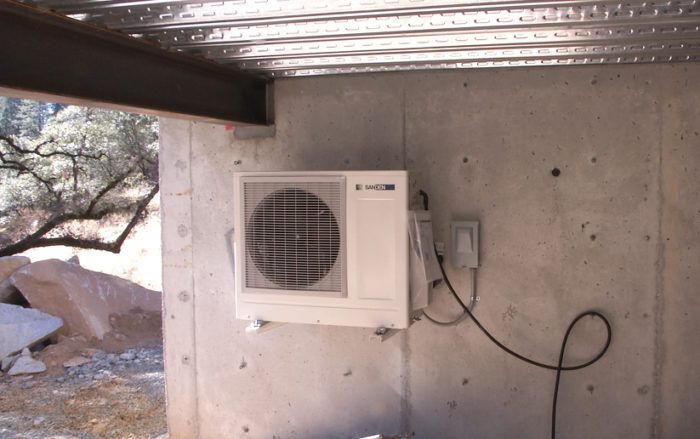
- Place the unit on a concrete pad or stable platform to avoid ground moisture.
Protection From The Elements
Even outdoor-rated units need some protection:
- Roof or canopy: Shields from rain and snow.
- Wind barriers: Prevents cold wind from reducing efficiency.
- Drainage: Ensures water does not pool around the base.
Electrical And Plumbing Connections
Outdoor units still need safe, weatherproof electrical wiring and water lines. All connections should meet local codes and be installed by a licensed professional.
Noise Considerations
Heat pump water heaters make a low humming sound. While not loud, this can be annoying if installed near a bedroom or quiet area. Consider local noise ordinances.
Security
Outdoor installations are more exposed to theft and vandalism. Secure mounting and tamper-resistant hardware are wise investments.
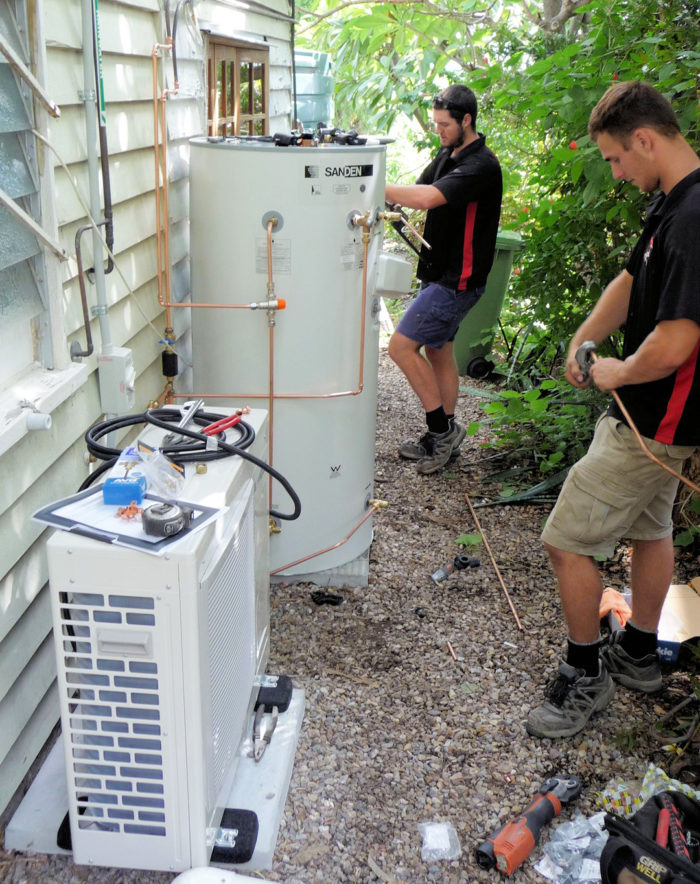
Installation Steps For Outdoor Heat Pump Water Heaters
Let’s walk through the process step by step. This gives you a sense of what’s involved.
1. Check Local Codes And Permits
Before you buy, check with your city or county. Some areas do not allow outdoor installation due to climate or safety. Permits are usually required.
2. Select The Right Model
Choose a manufacturer-approved outdoor heat pump water heater. Read the specifications and warranty details.
3. Prepare The Site
- Pour a concrete pad or install a sturdy base.
- Make sure there’s enough space for service access and airflow.
- Plan for weather protection (small roof, windbreak, etc. ).
4. Install Plumbing And Electrical Lines
- Run insulated water pipes to and from the unit.
- Install a weatherproof electrical outlet and connect per code.
- Add a dedicated circuit breaker for safety.
5. Place And Secure The Unit
- Move the unit into position.
- Anchor it securely to prevent tipping.
- Connect plumbing and electrical lines.
6. Test And Insulate
- Fill the tank and check for leaks.
- Test the system for proper operation.
- Insulate all exposed pipes to prevent freezing.
7. Final Inspection
Schedule a final inspection by local officials, if required.
Credit: www.greenbuildingadvisor.com
Pros And Cons Of Outdoor Installation
Outdoor installation has unique advantages and disadvantages. Here’s what you need to know.
Benefits
- Saves indoor space: No need to use garage or utility room.
- Less noise indoors: Sound is outside, not inside your home.
- Easier access for maintenance: Technicians can work without entering your house.
Drawbacks
- Weather risks: Exposure to rain, snow, and cold can damage the unit.
- Lower winter efficiency: In cold weather, performance drops sharply.
- Security concerns: More vulnerable to theft or vandalism.
- Extra installation costs: Need for weatherproofing, drainage, and secure bases.
Data: Efficiency Drop In Cold Weather
Studies show that a typical outdoor heat pump water heater’s efficiency can fall by 20–50% when temperatures drop below 40°F. In extreme cold, the unit may switch to backup electric heating, which increases costs.
Cost Differences: Outdoor Vs. Indoor Installation
Costs depend on many factors. Here’s a side-by-side comparison:
| Cost Category | Indoor Installation | Outdoor Installation |
|---|---|---|
| Unit Price | Standard | Usually higher for outdoor-rated |
| Site Prep | Minimal | Concrete pad, enclosure, windbreak |
| Plumbing/Electrical | Shorter runs | May require longer runs, weatherproof fittings |
| Maintenance | Lower (protected) | Higher (exposure, cleaning, risk of freeze) |
| Total Cost (Estimate) | $2,500–$4,000 | $3,000–$5,500 |
Note: Costs vary by region, brand, and installer. Always get multiple quotes.
Common Mistakes To Avoid
- Using an indoor-only unit outdoors: This often voids the warranty and leads to failures.
- Ignoring climate realities: Installing outdoors in a cold region will cause high bills or breakdowns.
- Poor site selection: Placing the unit in direct sun, wind, or flood-prone spots reduces lifespan.
- Skipping insulation: Exposed pipes can freeze or lose heat.
- DIY wiring/plumbing: Improper installation is dangerous and can void insurance.
Non-obvious insight: Many beginners forget to check local building codes. Some cities have unique rules about outdoor water heaters, including minimum distances from property lines and homes.
Maintenance For Outdoor Heat Pump Water Heaters
Outdoor units need more regular care than indoor models. Here’s what to expect:
Cleaning
- Clear leaves, dirt, and debris from around the unit every few weeks.
- Clean the air intake and exhaust vents regularly.
Inspection
- Check for rust, corrosion, and water leaks.
- Inspect the weatherproof enclosure for damage.
Winter Protection
- Drain and turn off the unit if a deep freeze is expected.
- Add extra insulation to pipes and the tank, especially in borderline climates.
Annual Service
Schedule professional maintenance every year. Technicians will check refrigerant levels, test electrical components, and ensure the system runs efficiently.
Non-obvious insight: Outdoor units near the sea need more frequent inspections due to salt air corrosion. Stainless steel or marine-grade units are best in these locations.
Credit: www.finehomebuilding.com
Comparing Outdoor Vs. Indoor Installation: Which Is Better?
The right choice depends on your climate, space, and budget.
When Outdoor Installation Makes Sense
- You live in a mild or warm climate.
- You lack indoor space for a large unit.
- Your home design supports easy outdoor access and protection.
When Indoor Installation Is Best
- Your region has cold winters.
- Security or weather is a concern.
- Your utility area or garage has enough space.
Table: Summary Of Best Use Cases
| Situation | Outdoor Installation | Indoor Installation |
|---|---|---|
| Mild climate (e.g., California, Florida) | Yes | Optional |
| Cold climate (e.g., Minnesota, Maine) | No | Yes |
| No indoor space | Yes | No |
| High theft/vandal risk | No | Yes |
Case Studies: Real-world Installations
Case 1: Outdoor In A Warm Climate
Location: Los Angeles, California
Model: Outdoor-rated, 80-gallon integrated unit
Results: Runs efficiently year-round, minimal maintenance, saves garage space. Added a small roof for rain protection.
Case 2: Outdoor In A Borderline Climate
Location: Atlanta, Georgia
Model: Outdoor-rated, 65-gallon split system
Results: Works well most of the year. In January, the unit’s efficiency drops, and backup electric heating is needed. Pipes required extra insulation.
Case 3: Indoor In A Cold Climate
Location: Chicago, Illinois
Model: Standard heat pump water heater in basement
Results: High efficiency, no weather-related issues. Slightly reduced basement temperature, but no risk of outdoor exposure.
Practical Tips For Homeowners
- Ask for outdoor-rated models only if you plan to install outside.
- Plan for weatherproofing: Even in warm areas, storms and wind matter.
- Check warranty details: Some brands only cover outdoor units when installed by certified professionals.
- Think about future repairs: Outdoor units are easier to access, but parts may corrode faster.
- Consult local experts: They know what works in your area.
If you’re unsure, start by asking a licensed installer for a site visit. They can assess your home and recommend the best approach.
Regulations And Building Codes
Each region has its own rules. Common requirements include:
- Minimum distance from property lines (often 3–5 feet).
- Electrical safety codes for weatherproof outlets and GFCI protection.
- Plumbing codes for insulation and backflow prevention.
- In hurricane or flood zones, extra anchoring and height may be required.
Some cities do not allow outdoor water heaters in residential zones. Always check before buying.
For more technical details, you can visit the U.S. Department of Energy’s guide.
Frequently Asked Questions
Can I Install A Heat Pump Water Heater Outdoors In A Cold Climate?
Generally, it is not recommended. Efficiency drops sharply in cold weather, and there is a risk of freezing pipes and damage. Indoor installation is safer in cold regions.
Is It More Expensive To Install A Heat Pump Water Heater Outside?
Yes, outdoor installation is usually more expensive. You need an outdoor-rated unit, weatherproofing, a concrete pad, and extra pipe insulation. Maintenance costs are also higher.
What Happens If I Use An Indoor-only Model Outdoors?
This is a common mistake. Indoor units will not survive outdoor conditions. You risk voiding your warranty, damaging the unit, and increasing safety risks.
How Often Do I Need To Service An Outdoor Heat Pump Water Heater?
Check it every few months for debris, leaks, and corrosion. Schedule professional servicing every year. In coastal or storm-prone regions, check more often.
Are There Specific Brands That Make Outdoor Heat Pump Water Heaters?
Yes, several brands offer outdoor models. Look for units labeled “outdoor-rated” or “suitable for outdoor installation. ” Always check the official documentation.
—
Choosing the right location for your heat pump water heater is critical for efficiency, safety, and long-term savings. While outdoor installation is possible in many regions, it comes with extra costs and risks. Always select the proper equipment, follow local codes, and invest in good weather protection.
If you live in a mild climate and need more space indoors, an outdoor unit can be a smart choice. But in colder regions, indoor installation is usually best. With the right planning and professional help, you’ll enjoy efficient hot water for years to come.