
A tankless water heater can be an excellent investment for homeowners looking to save space, reduce energy costs, and enjoy endless hot water. But when you’re considering where to install one, the garage often comes to mind. Is this really a good idea?
What challenges might you face, and what must you know to make sure everything works safely and efficiently? This article dives deep into every aspect of installing a tankless water heater in a garage—what’s required, benefits and drawbacks, technical details, safety issues, and much more.
If you’re curious or planning this project, you’ll find clear answers here.
Why Consider A Garage For Tankless Water Heater Installation?
Many homeowners look at their garage and see unused wall space or an easy-access utility area. Placing a tankless water heater there might seem logical, but the choice is more than just convenience.
First, garages usually have more open wall space and fewer obstructions compared to crowded indoor closets or small basements. This makes installation and later maintenance easier. Second, if your garage is attached, it’s often close to the main living areas, reducing the pipe distance for hot water supply.
This can mean less heat loss and faster hot water at your taps.
However, garages are not always heated or insulated. This introduces risks, especially in colder climates. Pipes may freeze, and the water heater itself could be affected by low temperatures. Most local building codes also set special rules for garage installations to prevent hazards like fire or carbon monoxide leaks.
So, while the garage can be a good spot, it’s not always simple or ideal for everyone.
How Tankless Water Heaters Work
Understanding how these systems function can help you see why their installation demands attention. Unlike traditional water heaters that store hot water in a big tank, tankless water heaters (also called on-demand water heaters) heat water only when you turn on the tap. This means there’s no standby heat loss, and you get hot water as long as you need it.
When you open a hot water faucet, cold water flows into the unit. A gas burner or electric element heats the water instantly as it passes through. The heated water then goes straight to your tap or shower. When you close the tap, the system shuts off.
This design means tankless heaters are smaller and can be mounted on walls, freeing up floor space. But it also means they need a strong power source (gas or electricity) and proper venting, especially if installed in a garage.
Key Benefits Of Installing A Tankless Water Heater In The Garage
There are several reasons homeowners choose the garage for their tankless water heater:
- Space saving: Garages often have unused wall space perfect for compact units.
- Easier installation: Fewer obstacles than inside the house can reduce labor costs.
- Safety: Keeping the heater out of living spaces may reduce risks related to leaks or venting.
- Noise reduction: Although most units are quiet, any operational noise is kept out of bedrooms or living rooms.
- Access for repairs: Technicians can easily reach and service the unit without entering your main home.
But these benefits come with important considerations, which we’ll explore next.
Challenges And Risks Of Garage Installation
While the garage has clear advantages, it also introduces unique challenges. Ignoring these can lead to serious problems.
Temperature Extremes
Garages are rarely as warm as your house in winter or as cool in summer. For tankless water heaters, cold temperatures pose the biggest threat. Water inside the pipes or the unit can freeze, causing damage and leaks.
Building Codes And Regulations
Most local codes have strict requirements for appliance installation in garages. Common rules include:
- Units must be elevated to prevent ignition of flammable fumes.
- Proper venting is required for gas units.
- Electrical wiring must meet safety standards.
Failing to follow these codes can result in failed inspections or even void your warranty.
Ventilation And Air Supply
Gas tankless heaters need air for combustion and a safe way to vent exhaust outside. Garages can be stuffy or poorly ventilated, so you may need to add vents or ducts. Electric units don’t need venting but still require proper air flow for cooling.
Exposure To Dust, Fumes, And Chemicals
Garages often store cars, paint, lawn chemicals, and other items that release fumes or dust. These can clog the heater’s air intake or even create hazardous conditions if not managed properly.
Increased Risk Of Freezing
Even in areas where winter is mild, a sudden cold snap can cause pipes or units to freeze if they’re not protected. Repairing this kind of damage can be expensive.

Credit: www.yourplumberaz.com
What Codes And Standards Apply?
You can’t just hang a tankless heater in your garage and call it a day. Both national and local codes affect how and where you can install water heaters.
National Fuel Gas Code (nfpa 54)
This code covers gas-fired water heaters. It requires:
- Heaters in garages must be at least 18 inches above the floor.
- Units should be protected from vehicles.
- Combustion air must not come from the garage unless the unit is sealed and direct vent.
International Residential Code (irc)
The IRC also sets standards for water heater installation. It focuses on:
- Proper venting for gas units.
- Safe electrical connections for electric units.
- Protection from physical damage.
Local Building Codes
Every city or state may add extra rules. For example, some areas require a seismic strap if you’re in an earthquake zone. Others may require special insulation on pipes.
Manufacturer’s Instructions
Perhaps the most important “code” is the installation manual from the heater’s maker. If you don’t follow these instructions, your warranty may be void, and you could face insurance problems if something goes wrong.
Types Of Tankless Water Heaters And Garage Suitability
Not all tankless water heaters are created equal, and some types are better suited for garage installation than others.
Gas Vs. Electric Units
Let’s compare the two main types using a simple data table:
| Feature | Gas Tankless | Electric Tankless |
|---|---|---|
| Power Source | Natural Gas/Propane | Electricity |
| Venting Needed | Yes | No |
| Freeze Protection | Usually included | Sometimes included |
| Installation Cost | Higher | Lower |
| Hot Water Output | Higher (usually) | Lower (usually) |
Gas units are more powerful and common in larger homes but need venting and a gas line. Electric units are simpler to install but might not be powerful enough for a big family.
Indoor Vs. Outdoor Models
Some units are designed for outdoor installation. These often have built-in freeze protection and are weatherproof. Indoor units are not meant to handle rain, snow, or extreme cold unless extra steps are taken.
If you’re installing in a garage, you’ll almost always use an indoor model. But you must still protect it from freezing and weather extremes.
Whole-house Vs. Point-of-use
- Whole-house units supply hot water to the entire home. These are common for garage installations.
- Point-of-use units serve one faucet or shower. They’re smaller and can be placed closer to where hot water is needed, but not usually in a garage.
How To Prepare Your Garage For Installation
Getting your garage ready is just as important as picking the right heater.
Step 1: Choose The Right Location
Pick a wall that’s easy to access for maintenance, not directly behind where a car parks, and close to water and power/gas supply lines. Avoid spots where the unit may get hit or blocked.
Step 2: Elevate The Heater
If using a gas unit, mount it at least 18 inches above the floor. This reduces the risk of igniting gasoline fumes or other flammable vapors.
Step 3: Provide Freeze Protection
Insulate all water pipes, especially those near outside walls. You may need to add a small heater or heat tape if your garage is unheated. Some units include built-in freeze protection, but this only works as long as the unit has power.
Step 4: Plan For Venting (gas Only)
Run vent pipes according to code, either through the roof or an exterior wall. Use only materials approved by the manufacturer.
Step 5: Ensure Adequate Air Supply
If your garage is tightly sealed, you may need to add vent grilles or ductwork to supply fresh air for combustion.
Step 6: Keep It Clear Of Chemicals
Don’t store gasoline, solvents, or paint near the heater. These can damage the unit or create dangerous fumes.
Step 7: Install A Drain Pan
A drain pan with a pipe to the outside can catch leaks or condensation, protecting your garage floor and home.
Step-by-step Installation Process
While hiring a licensed professional is always recommended, here’s a broad overview so you know what to expect:
- Turn off power and water. Safety first.
- Mount the unit. Secure the tankless heater to wall studs, following the height and clearance specified in the manual.
- Connect water lines. Insulate pipes as you go.
- Set up venting (gas units). Follow the venting plan exactly.
- Connect gas or electricity. This should be done by a licensed plumber or electrician.
- Install freeze protection. Wrap pipes and, if needed, install heat tape.
- Check for leaks. Turn the water back on, and inspect all connections.
- Power up and test. Turn on the unit, set temperature, and run hot water to ensure everything works.
If this sounds complex, it’s because it can be. A professional will also handle permits and inspections.
Common Mistakes Homeowners Make
Many garage installations fail or cause problems because of a few common errors:
- Ignoring local codes: This can result in fines, failed inspections, or unsafe conditions.
- Not protecting against freezing: Even one cold night can ruin your investment.
- Improper venting: For gas units, poor venting can lead to carbon monoxide buildup.
- Skipping professional help: DIY can go wrong fast with gas or electricity.
- Forgetting about clearance: Squeezing the unit into a tight spot can block airflow and cause overheating.
Maintenance Tips For Garage-installed Tankless Water Heaters
A tankless water heater in the garage needs just as much care as one inside the house—sometimes more.
- Flush the system every 12 months. Hard water can cause scale buildup, reducing efficiency and lifespan.
- Check for leaks or corrosion around pipes, fittings, and the unit itself.
- Inspect venting (for gas units) for blockages, especially if you store items nearby.
- Clear dust and debris from intake and exhaust vents.
- Test freeze protection each fall to make sure it works before winter hits.
A little regular maintenance will keep your heater safe and efficient for years.
Cost Comparison: Garage Vs. Other Locations
Does installing in the garage cost more or less than other spots? Let’s look at a quick comparison.
| Location | Typical Installation Cost | Extra Requirements |
|---|---|---|
| Garage | $1,200–$3,000 | Elevation, freeze protection, possible venting upgrades |
| Basement | $1,000–$2,800 | Pump may be needed for drainage, venting upgrades |
| Closet/Utility Room | $1,000–$2,500 | Limited space, may need air supply vents |
| Outdoor (special units) | $1,500–$3,500 | Weatherproof unit, extra insulation, pipe freeze protection |
Garage installations may cost a bit more due to the need for freeze protection and code compliance, but the easier access and space savings can balance this out.
Real-world Examples And Case Studies
Let’s look at two practical examples:
Example 1: California Homeowner
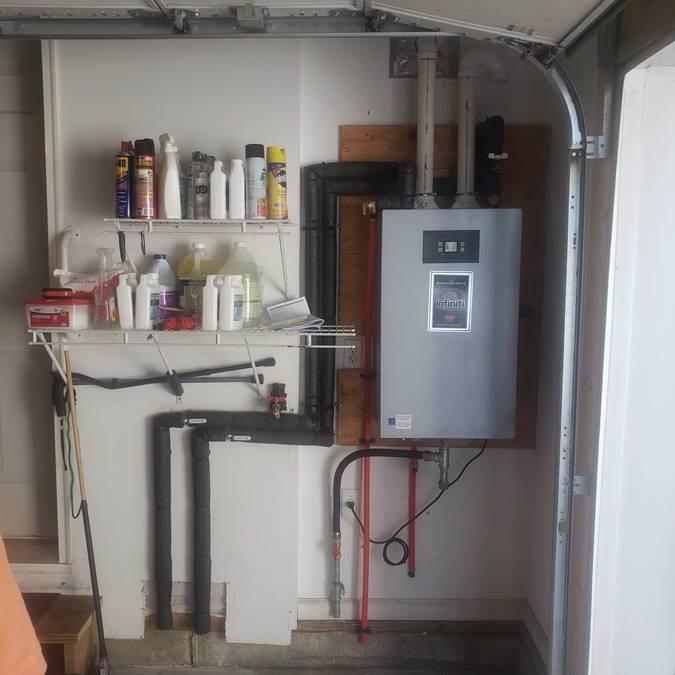
A family in Los Angeles replaced their old tank heater with a gas tankless unit in the garage. They needed to add new venting through the roof and moved the unit to a corner away from car traffic. They also wrapped all pipes with foam insulation.
The total cost was about $2,400, but they gained extra closet space inside the house and saw their gas bill drop by 20%.
Example 2: Midwest Homeowner
In Chicago, a homeowner installed an electric tankless heater in an attached garage. The installer put the unit on an inside wall, away from exterior drafts, and used electric heat tape on all pipes. The homeowner added a simple space heater that turns on automatically if the garage gets below 40°F.
No freezing issues occurred in three winters.
These examples show that with planning, garage installations can be successful—even in cold climates.
Credit: applauseplumbing.com
Unique Insights And Tips Most People Miss
Here are two non-obvious tips that often get overlooked:
- Garage humidity matters: Garages can be damp, especially if they’re not ventilated. High humidity can cause rust or electrical issues in your water heater over time. Consider adding a small dehumidifier if your garage feels damp, especially in rainy climates.
- Backup power for freeze protection: Many tankless water heaters have built-in freeze protection, but this only works if the unit has electricity. In areas with frequent winter power outages, a small backup generator or battery system can prevent expensive freeze damage.
Is A Garage Installation Right For You?
Ultimately, the decision comes down to your home’s layout, local climate, and willingness to address the challenges described above.
A garage can be a great location if:
- Your garage is attached, insulated, or heated (or you’re willing to add protection)
- You want to save space inside the home
- You can meet all code and venting requirements
- You’re able to keep chemicals or clutter away from the unit
It’s not the best choice if:
- You live in a region with regular subzero temperatures and have no way to heat the garage
- Your garage is detached and far from the main living space (long pipes mean more heat loss)
- You can’t meet local code or manufacturer’s requirements

Credit: www.youtube.com
Professional Vs. Diy: Making The Right Choice
While it might be tempting to install a tankless water heater yourself, especially if you’re handy, a garage installation brings extra risks. Gas lines, venting, and freeze protection all require specialized knowledge. Professional installers are familiar with local codes and can handle permits and inspections, reducing your risk of costly mistakes.
If you do choose to DIY, always get your work inspected, and follow the manufacturer’s manual to the letter. For most people, hiring a pro is the safest and most cost-effective choice.
Environmental Impact And Energy Savings
Tankless water heaters are known for their energy efficiency. By heating water only when you need it, they can save 24–34% on water heating costs compared to traditional tanks for homes using 41 gallons or less of hot water daily, according to the U.
S. Department of Energy.
Garage installation doesn’t change the basic efficiency, but poor insulation or long pipe runs can reduce your savings. Always insulate pipes and keep the unit as close as practical to where hot water is used most.
To learn more about the energy performance of tankless systems, check the U.S. Department of Energy’s official guidance.
Frequently Asked Questions
Can I Install Any Tankless Water Heater In My Garage?
Not every tankless model is suitable for garage installation. Look for units approved for indoor use, and make sure they include freeze protection if you live in a cold climate. Always follow both the manufacturer’s guidelines and your local building codes.
Will My Tankless Water Heater Freeze In The Garage?
It’s possible if your garage is unheated and you don’t add proper freeze protection. Insulating pipes, using units with built-in protection, and adding a small heater can all help prevent freezing.
Is It Safe To Put A Gas Tankless Water Heater In The Garage?
Yes, if installed according to code. The unit must be elevated, vented properly, and protected from vehicle impact and fumes. It’s strongly recommended to hire a licensed professional for gas installations.
Does Garage Installation Affect The Lifespan Of The Heater?
It can, especially if the unit is exposed to extreme cold, humidity, or dust. Regular maintenance and proper installation (including insulation and humidity control) will maximize your heater’s lifespan.
How Much Does It Cost To Install A Tankless Water Heater In A Garage?
Costs typically range from $1,200 to $3,000, depending on your location, the need for venting, freeze protection, and whether you choose gas or electric. Extras like pipe insulation or a drain pan add to the price.
Installing a tankless water heater in your garage can be a smart move with the right planning and protection. By understanding the requirements, challenges, and benefits, you can enjoy efficient, endless hot water for years—without risking your investment or safety.