
Every home with a water heater faces the same question sooner or later: should you install a check valve on your water heater? If you’re not a plumber, the answer isn’t always clear. You might hear different advice from friends, hardware stores, or online videos. Some say a check valve is essential, others call it unnecessary or even risky. The truth is, the right answer depends on how your plumbing works, your water heater type, and what you want from your system.
Let’s break down this topic completely. By the end of this article, you will know exactly what a check valve does, when you need one, when you don’t, and how to make the best choice for your hot water system.
We’ll also look at common mistakes, examples from real homes, and practical tips that most guides miss. Whether you’re a homeowner, landlord, or just curious about plumbing, this guide will help you make a confident decision.
What Is A Check Valve?
A check valve is a simple device that lets water flow in one direction but stops it from flowing backward. In plumbing, this is important because it keeps hot water from moving the wrong way in your pipes. Check valves are used in many systems—sump pumps, irrigation, and especially water heaters.
Most check valves work automatically. Inside, there’s a small flap or ball that opens when water flows forward. If water tries to go back, the flap closes, blocking reverse flow. This protects your water heater, pipes, and sometimes even your drinking water.
Common Types Of Check Valves
There are several types you might see:
- Swing check valve – Uses a hinged disc that swings open and closed with water flow.
- Spring check valve – Uses a spring to close quickly, good for fast or changing pressure.
- Ball check valve – Uses a loose ball that moves to block reverse flow.
- Dual plate check valve – Two plates that open/close together, used in larger systems.
For residential water heaters, the spring check valve is most common. It’s small, reliable, and easy to install on copper or PEX pipes.
Why Would You Need A Check Valve On Your Water Heater?
Not every water heater has or needs a check valve. But there are several reasons why one might be installed or recommended.
1. Prevent Backflow
The main reason is to prevent backflow—the unwanted reverse movement of water. Backflow can mix clean and dirty water, cause temperature problems, and even damage your heater.
For example, when city water pressure drops, water in your heater might try to flow back into the main line. If that happens, you could lose hot water, or worse, send contaminated water back to your drinking supply.
2. Maintain Water Heater Efficiency
A check valve helps keep hot water in the tank. Without it, hot water can move backward into cold pipes when you’re not using water. This “thermosyphon” effect can waste energy and make your heater work harder.
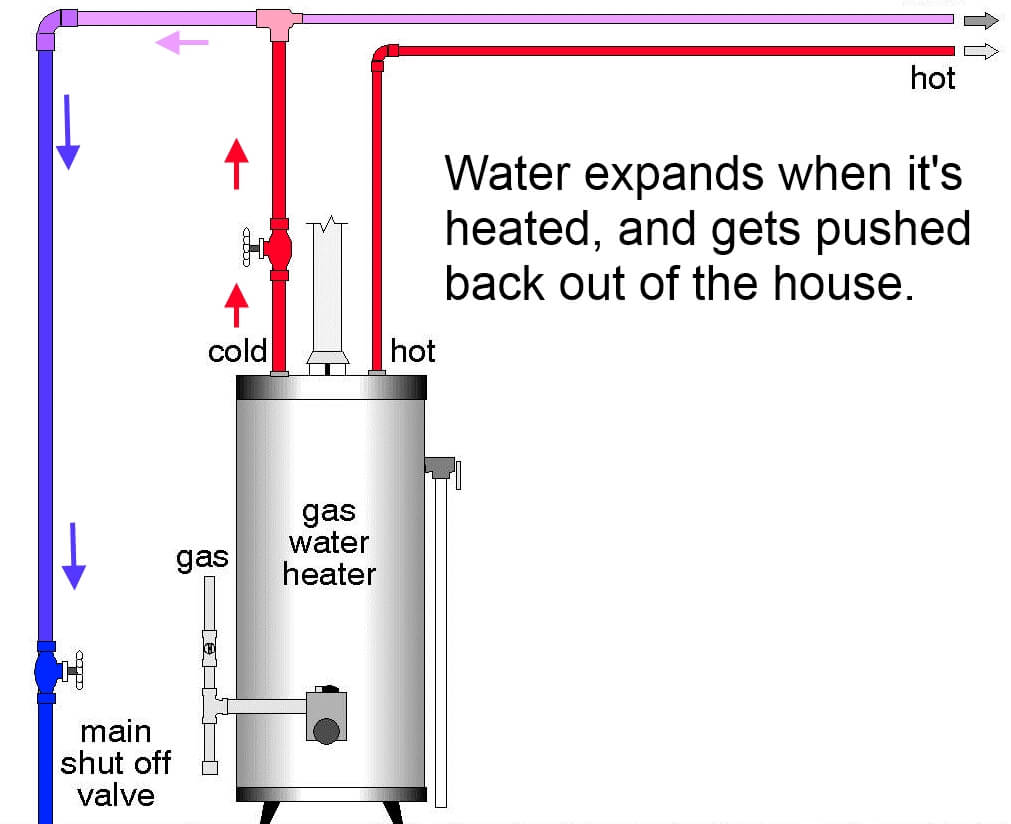
3. Protect Against Thermal Expansion
When water heats up, it expands. In closed plumbing systems (where a check valve or other backflow preventer is present), this extra pressure can build up. While this sounds bad, a check valve can work with an expansion tank to protect your pipes and heater.
4. Meet Plumbing Codes
Some cities or states require check valves (or similar devices) on water heaters by law, especially in closed systems or multi-unit buildings. Always check your local codes before making changes.
How Water Heaters Work With And Without Check Valves
Understanding how your water heater works with and without a check valve can help you decide what’s best for your home.
Without A Check Valve
If there’s no check valve, water can move both ways in the pipes. When you use hot water, it flows out as normal. But when you’re not using water, pressure changes can cause hot water to drift back into the cold line.
This can lead to:
- Cooler water at your taps after a short time
- Higher energy bills (as the heater re-warms water that left the tank)
- Backflow risk if there’s a city water pressure drop
With A Check Valve
With a check valve on the cold inlet, water can only enter the heater, not leave. This:
- Keeps hot water in the tank
- Stops cold water from mixing with hot
- Helps water stay hotter, longer
- Reduces backflow risk
But, if pressure builds up and there’s nowhere for it to go, the temperature and pressure relief valve (T&P valve) or an expansion tank is needed for safety.
Simple Diagram: Check Valve Placement
Below is a basic comparison of a water heater setup with and without a check valve.
| Feature | Without Check Valve | With Check Valve |
|---|---|---|
| Water Flow Direction | Both directions possible | Only into heater |
| Backflow Risk | Possible | Greatly reduced |
| Hot Water Retention | Lower | Higher |
| Expansion Issues | Rare | Possible (needs expansion tank) |
When Do You Really Need A Check Valve?
A check valve is not always required. Below are situations where a check valve is highly recommended, sometimes required, and situations where it’s not necessary.
Situations Where You Need A Check Valve
- Closed Plumbing System: If you already have a backflow preventer or pressure regulator at the water main, your system is “closed.” In this case, a check valve at the water heater can stop backflow—but you MUST also have an expansion tank to handle pressure.
- Multi-story or Multi-unit Buildings: High-rise apartments or condos often use check valves to prevent cross-contamination between units.
- Areas with Frequent Pressure Drops: If your city water sometimes loses pressure, a check valve can stop hot water from moving backward and mixing with drinking water.
- Local Code Requirement: Some areas mandate check valves for new water heater installations.
Situations Where You May Not Need A Check Valve
- Open System: If your plumbing lets pressure escape freely (no backflow preventer at main), a check valve is less critical. Water can expand and move safely.
- Old Plumbing: Many older homes were not designed with check valves or expansion tanks. Adding one without other changes can cause leaks or pressure problems.
- Low Pressure or Minimal Water Use: If your home rarely has high pressure or complex plumbing, the risks are lower.
Real-world Example
In a typical suburban home built after 1990, there’s often a pressure regulator or backflow preventer at the main line. Installing a water heater check valve here is smart, but only if you add an expansion tank. In a rural home with a well and no backflow devices, a check valve is less important.
The Benefits Of A Check Valve On Your Water Heater
A check valve can solve problems, save energy, and even keep you safe. Here are the main benefits:
1. Improved Hot Water Retention
A properly placed check valve keeps hot water from leaking backward into cold pipes. This means your water stays hot, even if you don’t use it for hours. You get faster hot water at taps and less energy waste.
2. Protection From Backflow
A check valve forms a barrier. If city water pressure drops (a burst main, fire hydrant use, etc. ), dirty water can’t flow back into your home’s pipes. This keeps your hot water clean and safe.
3. Helps With Water Hammer Problems
Some check valves can reduce water hammer—the loud knocking noise when water suddenly stops. Spring check valves close gently, softening pressure changes.
4. Reduces Cross-contamination
In shared plumbing (apartments, condos), a check valve can stop hot water from mixing with other units’ lines. This is important for both health and comfort.
5. Makes Expansion Tanks Work Properly
If you have a check valve, you need an expansion tank. Together, they control pressure from expanding hot water. This protects pipes, appliances, and even your water heater from leaks or bursts.
The Risks And Downsides Of Using A Check Valve
No device is perfect. A check valve comes with some risks if used incorrectly or without proper system design.
1. Pressure Build-up
When you heat water, it expands. If a check valve blocks the only path out, pressure increases. If there’s no expansion tank, pressure can rise until the T&P valve opens (or worse, pipes burst).
2. Extra Maintenance
Check valves can get stuck, leak, or break over time. They may need regular checking or replacement, especially in hard water areas where minerals build up.
3. Can Hide Other Plumbing Problems
If a check valve blocks water, you may not notice leaks or other issues until they become serious.
4. Not A Substitute For Backflow Prevention
Some people think a check valve is enough to protect from all backflow. In reality, some local codes require more advanced devices, like a backflow preventer. Always check what is required in your area.
5. Incorrect Installation Can Cause Damage
If installed on the wrong pipe (e. g. , the hot outlet, not the cold inlet), a check valve can cause leaks, pressure problems, or make your water heater less efficient.
Common Myths And Mistakes About Check Valves On Water Heaters
Even experienced homeowners and some handymen get confused about check valves. Here are common myths and mistakes to avoid:
Myth 1: Every Water Heater Needs A Check Valve
Not true. Many systems work fine without one, especially if there’s no backflow risk or closed system.
Myth 2: A Check Valve Replaces The Expansion Tank
False. In fact, adding a check valve often means you MUST add an expansion tank too.
Mistake 1: Installing On The Wrong Pipe
The check valve must go on the cold water inlet to the heater. If placed on the hot line, it can cause dangerous pressure or flow problems.
Mistake 2: Not Checking Local Codes
Some areas require certain types of backflow prevention, not just a simple check valve. Always check your area’s plumbing code.
Myth 3: Check Valves Never Need Maintenance
All valves can fail over time. If you notice water hammer, leaks, or pressure changes, check your valve.
Mistake 3: Ignoring T&p Valve Leaks
If your T&P valve starts leaking after adding a check valve, you may need an expansion tank. Don’t just replace the T&P valve.
How To Tell If Your System Needs A Check Valve
Not sure if your home needs a check valve on the water heater? Here’s a simple process:
- Check for a Backflow Preventer or Pressure Regulator: Is there a device at your main water line that blocks flow back to the street? If yes, your system is “closed.”
- Look for Cross-Connections: Are there other water heaters, boilers, or shared pipes? These increase backflow risk.
- Check Local Plumbing Codes: Some areas require check valves, especially in multi-unit buildings or closed systems.
- Watch for Hot Water Problems: If your hot water cools quickly, or you hear “water hammer” noise, a check valve may help.
- Ask a Licensed Plumber: If you’re unsure, a quick inspection can save headaches later.
How To Choose The Right Check Valve
Not all check valves are equal. Here are the key factors for choosing the right one for your water heater:
1. Material
Brass is common for hot water, as it resists corrosion and lasts long. Some valves are stainless steel or plastic—plastic is cheaper but less durable.
2. Size
Match the valve size to your pipe. Most homes use 3/4 inch pipes for water heaters, but always check before buying.
3. Type
For water heaters, spring check valves are preferred. They close quickly and handle pressure changes well.
4. Pressure Rating
Choose a valve rated for at least 150 psi or higher, especially if you have high city water pressure.
5. Ease Of Maintenance
Some valves can be cleaned or serviced without removing them from the pipe.
Comparison: Popular Check Valve Types For Water Heaters
| Type | Best For | Pros | Cons |
|---|---|---|---|
| Spring | Most residential heaters | Quick closing, compact, reliable | Can stick if not maintained |
| Swing | Larger or old systems | Simple, low resistance | Slower to close, louder |
| Ball | Low pressure systems | Few parts, cheap | Not for hot water, can leak |
How To Install A Check Valve On A Water Heater
If you’re comfortable with basic plumbing, installing a check valve is a moderate DIY task. If not, call a licensed plumber to avoid mistakes.
Tools And Materials Needed
- The right size check valve
- Pipe cutter or hacksaw (for copper pipes)
- Pipe wrench or adjustable wrench
- Teflon tape or pipe sealant
- Soldering kit (for copper pipes), or push-fit connectors for PEX/CPVC
Step-by-step Installation Guide
- Shut off water supply to the water heater.
- Drain the line above the heater so water doesn’t spill.
- Cut the cold water inlet pipe where you want to install the valve (usually just before the heater).
- Install the check valve in the correct direction (arrow toward the heater).
- Use Teflon tape or sealant on threaded connections.
- Reconnect pipe using solder, push-fit, or compression fittings.
- Turn water back on and check for leaks.
- Test hot water at a tap to ensure proper flow.
Pro Tips
- Always install the valve horizontally if possible, or as the manufacturer recommends.
- Mark the installation date on the valve for future maintenance.
- After installation, monitor for leaks and check the T&P valve for drips.
The Role Of Expansion Tanks With Check Valves
If you install a check valve, an expansion tank is almost always required. Here’s why:
What Is An Expansion Tank?
An expansion tank is a small tank, usually installed near the water heater, with a rubber bladder inside. It absorbs extra pressure when hot water expands.
Why You Need One
Without an expansion tank, pressure can rise every time water heats up. Over time, this can damage pipes, the water heater, or even cause leaks. The expansion tank “catches” the expanding water, keeping pressure safe.
How To Size An Expansion Tank
- For a typical 40-50 gallon heater, a 2-gallon expansion tank is enough.
- If your home has high water pressure or a large heater, ask a plumber for the right size.
Signs You Need An Expansion Tank
- T&P valve drips water after hot water use
- You hear banging pipes after heating cycles
- Water pressure changes suddenly
Cost And Maintenance
- Expansion tanks cost $40–$80 plus installation.
- Check pressure yearly and replace every 5–7 years.
Check Valve Laws And Plumbing Codes
Plumbing codes change by location, and rules for check valves can be strict. Here’s what to keep in mind:
- Many US states require check valves in “closed” systems.
- Some areas require a double check valve or a reduced pressure backflow preventer for added safety.
- Expansion tanks are often required by code if a check valve or backflow preventer is used.
- Permits and inspections may be needed for new water heater installations.
For up-to-date information, check your local city or county’s official website or consult the International Code Council.

Credit: www.youtube.com
Cost And Maintenance Of Water Heater Check Valves
Cost Breakdown
- Spring check valve: $10–$30
- Installation (plumber): $100–$250 (more if pipes need modification)
- Expansion tank: $40–$80 (plus $100–$200 install)
Maintenance Needs
- Check yearly for leaks, noise, or reduced hot water flow.
- Replace every 5–10 years, or as recommended by the manufacturer.
- In hard water areas, flush or clean valve more often to prevent mineral build-up.
What Can Go Wrong?
- Leaking at connections (use Teflon tape, check tightness)
- Valve stuck open or closed (replace the valve)
- Pressure build-up (install or check expansion tank)
Professional Vs Diy: Who Should Install A Check Valve?
Installing a check valve is not always a simple DIY project. Here’s how to decide:
When To Diy
- You have basic plumbing skills (can cut and join pipes)
- Your system is simple (single heater, easy access)
- You follow all local codes and manufacturer instructions
When To Call A Professional
- Your home has complex plumbing or high pressure
- You’re unsure about code requirements
- You need to add an expansion tank
- You don’t have the right tools
Hiring a licensed plumber ensures safety, code compliance, and warranty protection.
Real-life Case Studies: Check Valve Success And Failure
Case Study 1: Success With A Check Valve And Expansion Tank
A family in Denver installed a check valve and matching expansion tank after their city added a backflow preventer to the main line. Their T&P valve stopped leaking, and hot water lasted longer at all taps.
Case Study 2: Problems From Missing Expansion Tank
An apartment owner in Florida added check valves to all units but skipped expansion tanks. Within months, several heaters started leaking, and T&P valves failed. After installing expansion tanks, the problems stopped.
Case Study 3: Not Needed In Open System
A rural homeowner with a well system and no backflow devices asked about adding a check valve. The plumber explained it wasn’t needed—the open system let pressure escape safely.
Frequently Asked Questions
What Is The Main Purpose Of A Check Valve On A Water Heater?
A check valve’s main job is to stop water from flowing backward from the heater into the cold water line. This protects against backflow, keeps hot water in the tank, and can improve efficiency.
Will A Check Valve Stop My Hot Water From Cooling Down Too Fast?
Yes, in many cases. By stopping hot water from drifting backward, a check valve helps your heater keep water hot longer, so you get quicker hot water at your taps.

Credit: www.greggio.com
Do I Need An Expansion Tank If I Have A Check Valve?
Usually, yes. If you have a check valve on a closed system, an expansion tank is needed to handle the extra pressure from heating water. Without it, your system could be damaged.
Can I Install A Check Valve Myself?
If you have plumbing experience and the right tools, you can install a check valve. But for safety, code compliance, and best results, most homeowners should hire a licensed plumber.
How Can I Tell If My Check Valve Is Working?
Listen for water hammer, check for leaks, or notice changes in hot water flow. If you suspect a problem, have a plumber inspect or replace the valve.
Final Thoughts
Deciding whether you need a check valve on your water heater is not always simple. It depends on your plumbing system, local codes, and your home’s needs. In closed systems, or where backflow is a risk, a check valve with an expansion tank is the safest and most efficient setup. But in open systems, or older homes, it may not be necessary.
If you’re unsure, always consult a professional plumber. Making the right choice now can prevent leaks, energy waste, and costly repairs later. By understanding how check valves work, their benefits, and their risks, you can keep your hot water system running safely and efficiently for years to come.
Credit: structuretech.com