
Are you tired of running out of hot water just when you need it most? Choosing the right water heater can make a big difference in your daily comfort and energy bills.
You might be wondering whether a tankless water heater or a traditional tank model is better for your home. Understanding the benefits of each can help you make the smartest choice for your needs. Keep reading to discover how a tankless water heater could save you space, money, and hassle – or why sticking with a tank might still be the best option for you.
Your perfect hot water solution is closer than you think.
Energy Efficiency Comparison
Energy efficiency matters a lot when choosing a water heater. It affects your bills and the environment. Tankless and tank water heaters use energy differently. Understanding these differences helps you pick the right one for your home.
How Tankless Heaters Save Energy
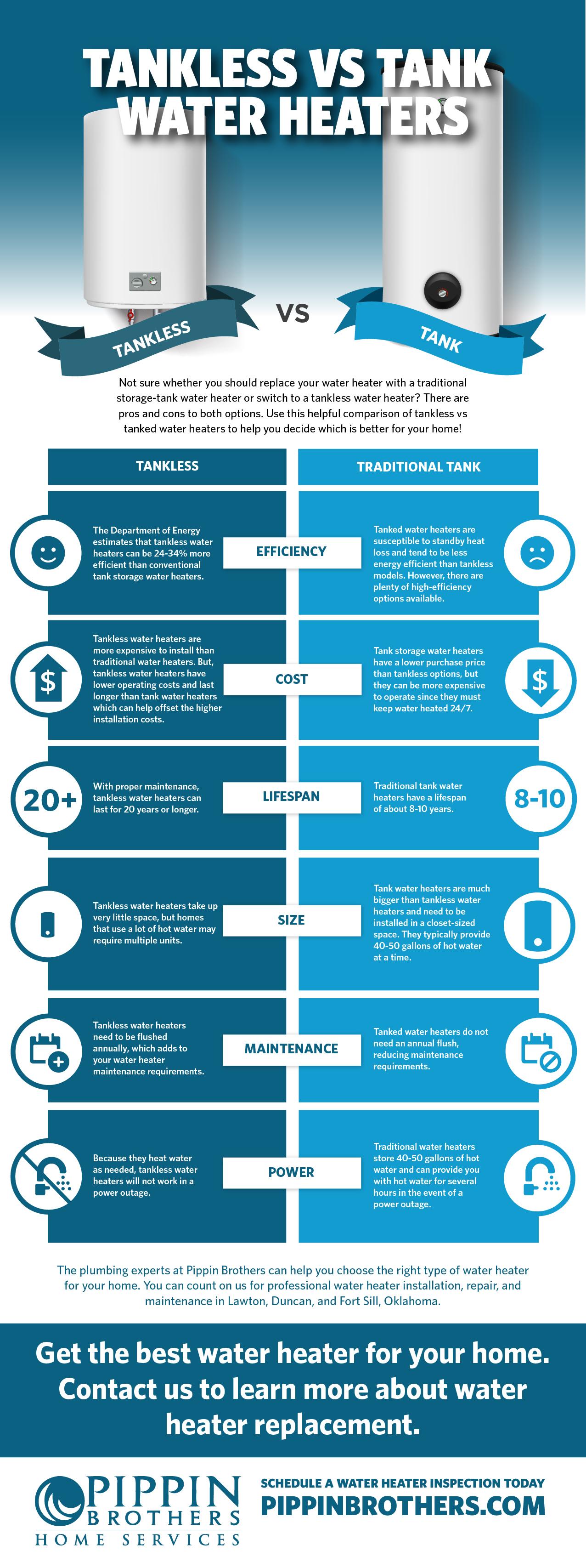
Tankless water heaters heat water only when needed. They do not store hot water. This means they do not waste energy keeping water warm all day. They use less power because they heat water directly as it flows through.
This on-demand heating reduces energy costs. Also, tankless heaters last longer, which lowers replacement needs. Saving energy means saving money over time.
Energy Loss In Tank Systems
Tank water heaters keep a large tank of water hot all the time. This causes standby heat loss. Heat escapes from the tank, wasting energy. The heater must work often to keep water hot.
Older tanks lose more heat due to poor insulation. This means higher energy bills. The constant heating cycle uses more fuel or electricity. It is less efficient than tankless systems.
Space And Installation
Space and installation are key factors when choosing a water heater. Tankless water heaters and traditional tanks differ greatly in these areas. Understanding these differences helps you make a better choice for your home.
Compact Design Of Tankless Units
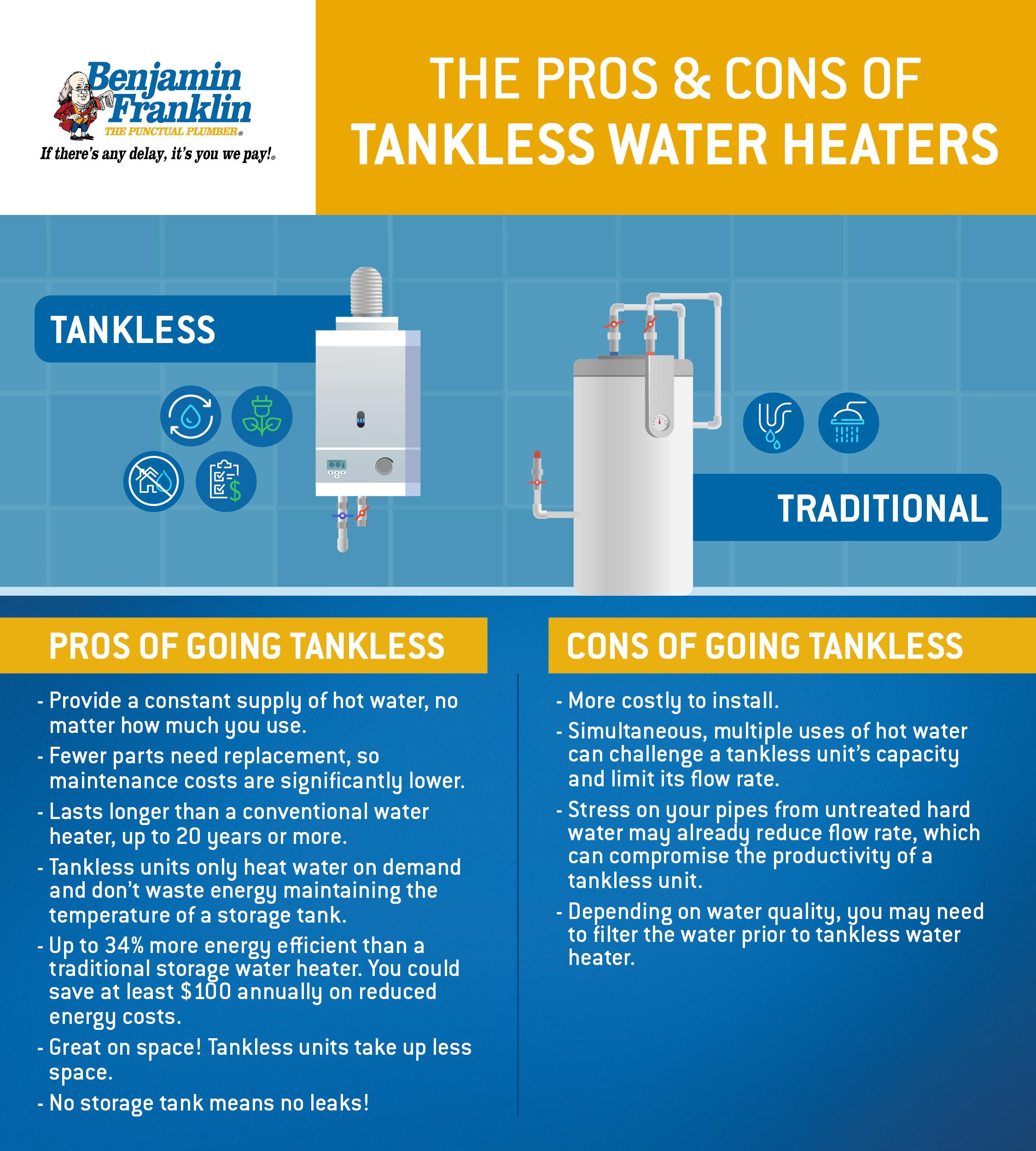
Tankless water heaters are small and slim. They fit easily on walls or in tight spaces. This saves room in basements, closets, or utility areas. Their design allows more flexibility in placement around the house. This is ideal for small homes or apartments.
These units do not need a large floor space. They provide hot water on demand without storing it. This means no bulky tank is required. The compact design also makes them easier to move and install.
Installation Challenges For Tanks
Traditional water heaters with tanks require more space. They need a large area to store water safely. Many homes struggle to find a good spot for these tanks. Basements or garages are common locations.
Installing a tank can be more complex and time-consuming. It needs strong support and proper drainage. The size and weight of the tank add to installation difficulty. Moving or replacing a tank water heater can be a hassle.
Cost Considerations
Cost is a key factor when choosing between a tankless water heater and a traditional tank model. Understanding both upfront and ongoing expenses helps make a smart decision. These costs affect your budget now and over many years. This section breaks down the main cost points to consider.
Upfront Costs And Long-term Savings
Tank water heaters usually cost less to buy and install. Their simpler design and common parts lower the initial price. Tankless units require a bigger investment at first. They need special installation and sometimes upgrades to your home’s electrical or gas systems.
Despite higher upfront costs, tankless heaters save money over time. They use energy only when hot water flows. This efficiency cuts monthly utility bills. Over several years, these savings can match or exceed the initial extra cost.
Maintenance And Repair Expenses
Traditional tanks need regular flushing to avoid rust and sediment buildup. Repairs may include fixing leaks or replacing the tank. These costs can add up as tanks age.
Tankless water heaters need less frequent maintenance. Their parts last longer and have fewer issues. When repairs are needed, costs can be higher due to complex components. Still, fewer repairs are generally required over the heater’s lifetime.
Hot Water Availability
Hot water availability is a key factor when choosing a water heater. It affects daily tasks like showering, washing dishes, and laundry. Understanding how different systems deliver hot water helps make the right choice for your home.
Endless Supply With Tankless Systems
Tankless water heaters heat water only when needed. They do not store hot water in a tank. This means you get hot water continuously. Showers can last longer without running out of hot water. Multiple taps can run at once without losing heat. Ideal for larger families or busy households.
Limitations Of Tank Capacity
Traditional tank heaters store a fixed amount of hot water. Once the tank empties, you must wait for it to refill and heat again. This causes delays and cold water bursts during use. Tank size limits how much hot water is available at once. Larger tanks reduce wait times but take more space and energy.
Environmental Impact
Choosing the right water heater affects the environment. Water heaters use energy that can increase pollution. Some types use more energy and create more carbon dioxide. Understanding this impact helps make better decisions for the planet.
Reduced Carbon Footprint With Tankless
Tankless water heaters only heat water when needed. They do not store hot water all day long. This saves energy and lowers carbon emissions. Less energy use means less pollution from power plants. Tankless models help reduce your home’s carbon footprint.
Energy Consumption Of Traditional Tanks
Traditional tank water heaters keep water hot all the time. This means they use energy even when no hot water is needed. The constant heating wastes energy and increases carbon emissions. These tanks can raise your home’s overall energy use and harm the environment more.
Credit: www.vetrallaservizi.it
Lifespan And Durability
The lifespan and durability of water heaters affect your home’s comfort and expenses. Choosing a unit that lasts longer and resists damage saves money and trouble. Tankless water heaters and traditional tank models differ in these areas. Understanding these differences helps you pick the right system for your needs.
Longevity Of Tankless Water Heaters
Tankless water heaters usually last 20 years or more. Their design avoids storing hot water, reducing corrosion inside. The parts inside are built to handle frequent heating cycles. This design leads to less wear and fewer repairs over time. Many models come with warranties that reflect their long life.
Wear And Tear On Tank Models
Tank water heaters often last 10 to 15 years. The constant water storage inside causes metal parts to rust and break down. Sediment builds up at the tank’s bottom, harming efficiency and lifespan. Frequent heating and cooling cycles stress the tank’s lining. These factors increase the chance of leaks and failures.
User Experience And Convenience
User experience and convenience play a big role in choosing a water heater. People want a system that feels easy to use and fits their daily routine. Tankless water heaters and traditional tank models offer different benefits in these areas. Understanding these differences helps make a better choice for your home.
Temperature Control And Consistency
Tankless water heaters provide steady temperature control. They heat water as you need it, so the temperature stays the same. This means no sudden cold showers or hot bursts.
Traditional tanks store hot water, but the temperature can drop if the tank runs low. You might feel changes in water heat during use. Tankless models keep water at a set temperature for a smoother experience.
Noise Levels And Operation
Tankless water heaters operate quietly. They have fewer moving parts and no large water tanks. This reduces noise during use.
Tank water heaters can make humming or clicking sounds. The tank fills and heats water, which causes noise. If quiet operation matters, tankless is a better choice.

Credit: sportt-tt.com
Choosing The Right System
Choosing the right water heating system matters for every home. The decision affects comfort, energy use, and monthly bills. Understanding the differences helps pick the best fit. This section guides you through key factors to consider before buying.
Assessing Household Needs
Start by thinking about how much hot water your family uses daily. Large families need more hot water at once. Smaller households may not need a big tank. Also, consider the number of bathrooms and appliances using hot water.
Tankless heaters provide hot water on demand. They suit homes with less simultaneous use. Traditional tanks store hot water ready to use. They work well for homes with high, constant demand.
Budget And Efficiency Priorities
Initial cost varies between tankless and tank systems. Tanks usually cost less upfront. Tankless units have a higher purchase price but save energy over time. They use less fuel by heating water only when needed.
Think about your energy bills and how long you plan to stay in the home. Energy savings might cover the higher cost of a tankless system. Maintenance costs differ too. Tank systems may need more repairs as they age.
Credit: www.greggio.com
Frequently Asked Questions
What Are The Main Energy Savings Of Tankless Heaters?
Tankless heaters only heat water when needed, saving energy. Traditional tanks keep water hot all the time, using more power.
How Long Do Tankless Water Heaters Last Compared To Tanks?
Tankless water heaters typically last 20 years or more. Tank-style heaters usually last 10 to 15 years before replacement.
Can Tankless Heaters Provide Hot Water For Multiple Uses?
Yes, tankless heaters can supply hot water for several taps at once. Their flow rate depends on the model size and capacity.
Are Tankless Water Heaters More Expensive To Install?
Tankless units cost more upfront but save money over time. Installation can be pricier due to special venting and electrical needs.
Do Tankless Water Heaters Require Less Space Than Tanks?
Tankless heaters are compact and mount on walls, saving floor space. Traditional tanks are bulky and need a dedicated area.
Conclusion
Tankless water heaters save space and energy every day. They provide hot water quickly and only when needed. Traditional tanks store hot water, which can waste energy. Tankless models last longer and need less maintenance. Choosing the right heater depends on your home and needs.
Both types have good points to consider. Think about your budget, space, and water use. This helps you pick the best fit for your family. Simple and smart choices lead to comfort and savings.