
Are you tired of running out of hot water just when you need it most? Choosing the right water heater can make a huge difference in your daily comfort and energy bills.
But should you go for an on-demand water heater or stick with a traditional tank model? This decision affects not just your hot water supply but also your home’s efficiency and costs. Keep reading to discover which option fits your lifestyle and needs perfectly—so you never have to worry about cold showers again.
How Water Heaters Work
Water heaters are essential for warm water in homes. They come in two main types: tank water heaters and on demand water heaters. Each works differently to provide hot water for daily use. Understanding how they operate helps in choosing the right one.
Basics Of Tank Water Heaters
Tank water heaters store hot water in a large tank. The tank keeps water heated all the time. When you use hot water, cold water refills the tank. The heater then warms the new water. This cycle repeats to keep water ready. These heaters use gas or electricity to heat water.
Mechanism Of On Demand Water Heaters
On demand water heaters heat water only when needed. Water flows through a heating element. The heater warms water instantly as it passes through. No tank stores hot water. This saves energy because it heats water only during use. These heaters work quickly and provide endless hot water.
Credit: www.greggio.com
Energy Efficiency
Energy efficiency is a key factor when choosing a water heater. It affects your utility bills and helps save the environment. Understanding how different types of heaters use energy can guide you to a better choice.
Energy Consumption Of Tank Heaters
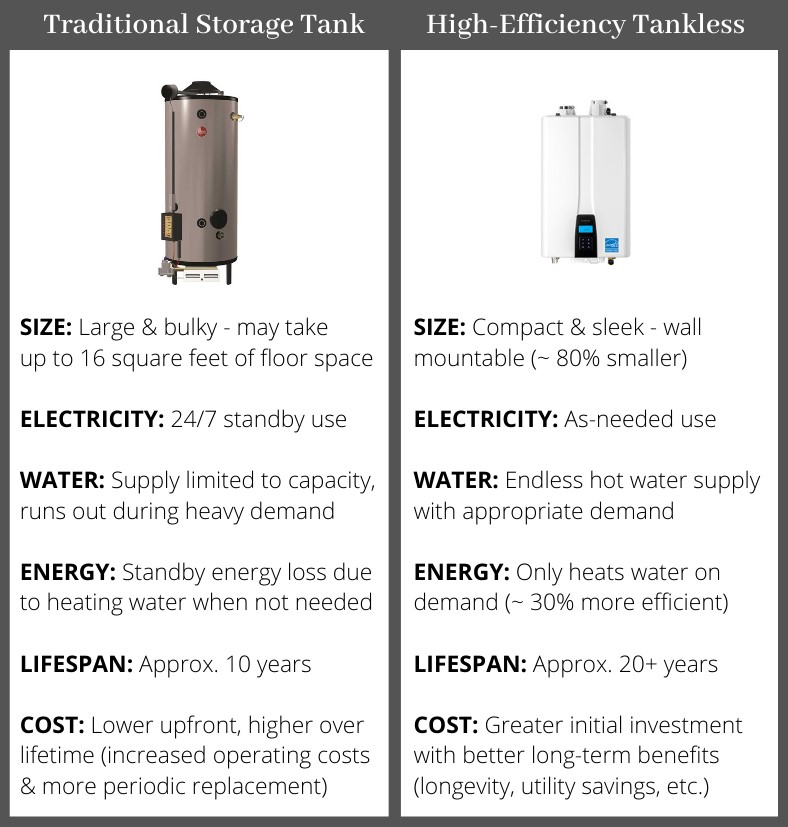
Tank water heaters keep water hot all the time. They store a large amount of water and heat it constantly. This process uses energy even when you don’t need hot water. The stored hot water can lose heat over time, which wastes energy. Because of this, tank heaters often have higher energy bills.
Efficiency Benefits Of On Demand Models
On demand water heaters heat water only when you need it. They do not store hot water, so no heat is lost. This means less energy is used overall. These models can save energy by avoiding constant heating. They also provide hot water quickly, reducing waste. On demand heaters are often more efficient and cost-effective in the long run.
Cost Factors
Cost plays a big role in choosing between on demand and tank water heaters. Understanding the different expenses helps make a smart choice. The costs break down into two main parts: the initial purchase and installation, and the long-term operating expenses. Each type has its own price points in these areas.
Initial Purchase And Installation Costs
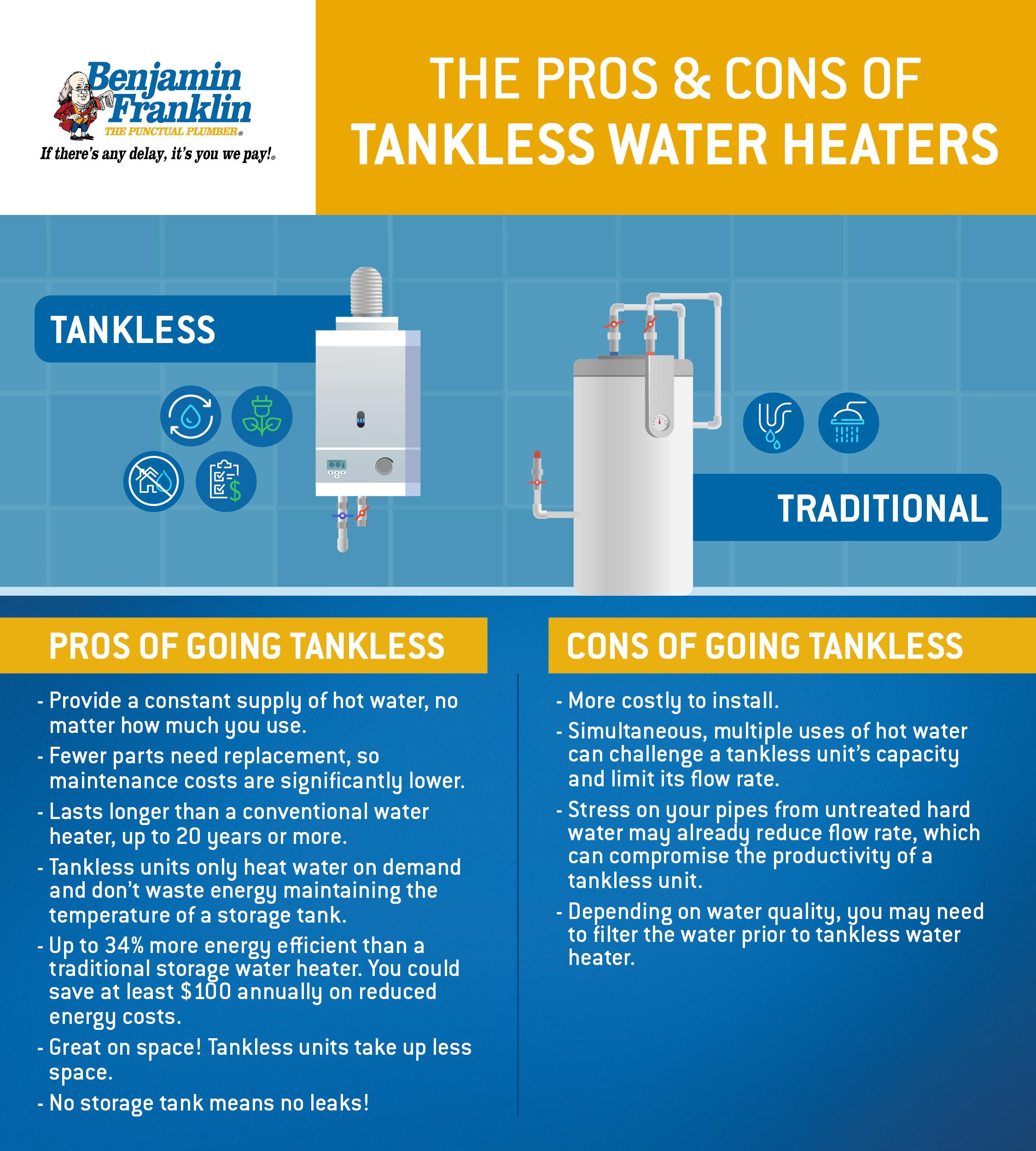
Tank water heaters usually cost less to buy. They come in many sizes and models. Installation is simple because they fit easily in existing spaces. On demand water heaters cost more upfront. Their installation is more complex. Sometimes, extra plumbing or electrical work is needed. This adds to the price. Choosing on demand means higher starting costs.
Long-term Operating Expenses
Tank water heaters use energy to keep water hot all day. This can raise utility bills. On demand heaters heat water only when needed. They save energy and money over time. Maintenance also differs. Tank heaters may need more repairs due to rust or leaks. On demand models often last longer with fewer issues. Over time, on demand water heaters may cost less to run.
Credit: www.benjaminfranklinplumbing.com
Space And Installation
Space and installation play a big role in choosing a water heater. The size and setup can affect your home’s layout and convenience. Tank and on demand water heaters differ greatly in these areas. Understanding these differences helps pick the right option for your needs.
Space Requirements For Tank Heaters
Tank water heaters need a large space. They hold many gallons of water in a big tank. This tank usually stands tall and wide. You must place it in a basement, closet, or utility room. It takes up floor space and might limit storage options. Ventilation is also needed to keep it safe. The heater’s size can be a problem in small homes.
Installation Flexibility Of On Demand Units
On demand water heaters are compact and slim. They do not store water but heat it instantly. These units can fit in tight spots like under sinks or inside cabinets. Wall mounting is common, saving floor space. Installation can be easier in small homes or apartments. Less ventilation is needed compared to tank heaters. The flexible placement suits many home layouts.
Performance And Capacity
Performance and capacity are key factors when choosing a water heater. These determine how well the system meets your daily hot water needs. Both on demand and tank water heaters have unique strengths in these areas. Understanding these differences helps you pick the right option for your home.
Hot Water Supply Consistency
Tank water heaters store a fixed amount of hot water. This ensures a steady supply until the tank runs out. You get hot water instantly from the start. On demand heaters heat water only when needed. They do not store water, so supply depends on flow rate. This can lead to small fluctuations during heavy use. Tank heaters provide consistent water temperature and flow. On demand models save space but may vary in heat output.
Handling Peak Demand
Tank water heaters handle peak demand by storing hot water in advance. Multiple people using hot water at once is less of a problem. Once the tank empties, it takes time to reheat. On demand heaters heat water as it flows through. They work well for moderate or low demand. During high demand, the flow rate may drop. This causes lower water temperature or pressure. Tank heaters are better for large families or heavy use. On demand units suit smaller households with less frequent use.
Maintenance And Lifespan
Choosing between an on demand and a tank water heater involves considering maintenance and lifespan. Both types need care to work well. Their durability also affects long-term costs. Understanding these factors helps you make a smart choice.
Typical Maintenance Needs
Tank water heaters require regular draining to remove sediment. Sediment buildup can reduce efficiency and damage the tank. Flushing the tank once a year keeps it clean. Checking the anode rod helps prevent rust inside the tank.
On demand water heaters need less frequent maintenance. They do not store water, so sediment buildup is minimal. Still, flushing the system once a year is important. Checking the filters and valves ensures smooth operation.
Durability Comparison
Tank water heaters usually last 8 to 12 years. Corrosion and leaks limit their lifespan. Proper maintenance can extend their life span slightly.
On demand water heaters last longer, about 15 to 20 years. They do not have large tanks, so less risk of rust. Their parts may need replacement over time. Overall, they offer better durability for long-term use.
Environmental Impact
The environmental impact of water heaters varies between on demand and tank types. Each affects energy use and emissions differently. Understanding these differences helps choose a greener option. This section explores the carbon footprint and sustainability of each type.
Carbon Footprint Of Each Type
On demand water heaters heat water only when needed. This cuts energy waste compared to tank heaters. Tank water heaters keep water hot all day. This uses more energy and raises emissions. On demand units often have a smaller carbon footprint. They use less fuel or electricity over time. Tank heaters release more greenhouse gases due to constant heating.
Sustainability Considerations
On demand water heaters last longer than tank models. They need less material to build and replace. Tank water heaters often require more resources and create more waste. On demand units also reduce water waste by heating instantly. Tank heaters may cause more water and energy loss. Choosing on demand supports energy saving and less waste. This helps protect the environment and conserves resources.
Choosing The Right Heater
Choosing the right water heater for your home is important. It affects comfort, costs, and energy use. Both on demand and tank water heaters have strengths. Knowing your needs helps you decide which fits best.
Consider how many people use hot water daily. Also, think about your home’s space and energy goals. These points guide your choice between on demand and tank heaters.
Assessing Household Needs
Count how many people live in your home. More people mean higher hot water demand. On demand heaters provide hot water instantly but may limit flow. Tank heaters store hot water, ready for use anytime.
Think about your peak usage times. Tank heaters handle multiple uses at once easily. On demand units work well if usage is spread out. Space matters too. Tank heaters need more room than on demand models.
Budget And Efficiency Trade-offs
Tank water heaters often cost less upfront. On demand systems usually have higher installation prices. But on demand heaters save energy by heating water only when needed. This can lower monthly bills over time.
Consider how long you plan to stay in your home. On demand heaters may pay off in long term savings. Tank heaters might suit short term needs better. Choose what fits your budget and energy goals.

Credit: stogagirlssoccer.com
Frequently Asked Questions
What Is The Main Difference Between On Demand And Tank Water Heaters?
On demand heaters heat water instantly when you need it. Tank heaters store hot water in a tank for later use.
Which Water Heater Saves More Energy, On Demand Or Tank?
On demand water heaters use less energy because they only heat water when needed. Tank heaters keep water hot all the time, using more energy.
How Long Does An On Demand Water Heater Last Compared To Tank?
On demand water heaters generally last longer, about 20 years. Tank water heaters usually last 10-15 years.
Can I Get Enough Hot Water For My Family With An On Demand Heater?
Yes, on demand heaters can supply hot water for a family, but size matters. Larger units handle more water at once.
Is Installation Cost Higher For On Demand Or Tank Water Heaters?
On demand heaters usually cost more to install due to complex setup. Tank heaters have lower installation costs but may cost more over time.
Conclusion
Choosing between on demand and tank water heaters depends on your needs. On demand heaters save space and energy. Tank heaters store hot water ready to use anytime. Consider your budget, space, and water use. Each type offers clear benefits and drawbacks.
Think about what fits your home best. The right choice makes daily life easier and more comfortable. Keep these points in mind to decide wisely.