
When you live as a couple, hot water is something you use every day. From showers to washing dishes, a water heater that fits your needs brings comfort and saves money. But how do you know the right size for a family of two?
Too small, and you run out of hot water. Too big, and you waste energy and money. Getting this balance right is more important than many people think.
Choosing the correct water heater size doesn’t just mean looking at gallons. You have to think about your lifestyle, the type of heater, your climate, and even the time of day you use hot water most. Many people believe that any small tank will work for two people, but this isn’t always true. Picking the wrong size can mean cold showers or high bills. This guide will walk you through every step, giving you simple advice and real examples so you can make the best decision for your home.
Understanding Water Usage For Two People
Before you choose a water heater, you need to understand how much hot water you use every day. Most families of two use less hot water than a big family, but your habits matter.
Daily Hot Water Needs
For most couples, hot water is used for:
- Showers and baths
- Washing hands and face
- Cooking
- Washing dishes (by hand or dishwasher)
- Laundry (if using hot or warm water)
On average, a single shower uses 10-15 gallons of hot water. Washing dishes by hand uses 2-5 gallons. A dishwasher uses 6-10 gallons per cycle. Laundry varies, but a warm wash can use up to 10 gallons. Add these together, and a couple can easily use 30-50 gallons of hot water per day, depending on their routine.
Peak Usage Patterns
Hot water is not used equally throughout the day. Often, both people might shower in the morning, leading to a high demand in a short time. This is called peak usage. The heater must be large enough to handle your busiest hour.
If you both shower back-to-back, you’ll need a heater that can supply 20-30 gallons quickly. If you also wash dishes or run a laundry load at this time, the demand is even higher.
Types Of Water Heaters For A Family Of Two
Different types of water heaters provide hot water in different ways. Understanding these can help you pick the best fit.
Storage Tank Water Heaters
These are the most common type. They heat water and store it in a tank until you need it. When you turn on the hot tap, water comes from the tank.
- Electric tank heaters are easy to install and less expensive up front but cost more to run in most places.
- Gas tank heaters heat water faster and often cost less to operate but need a gas line.
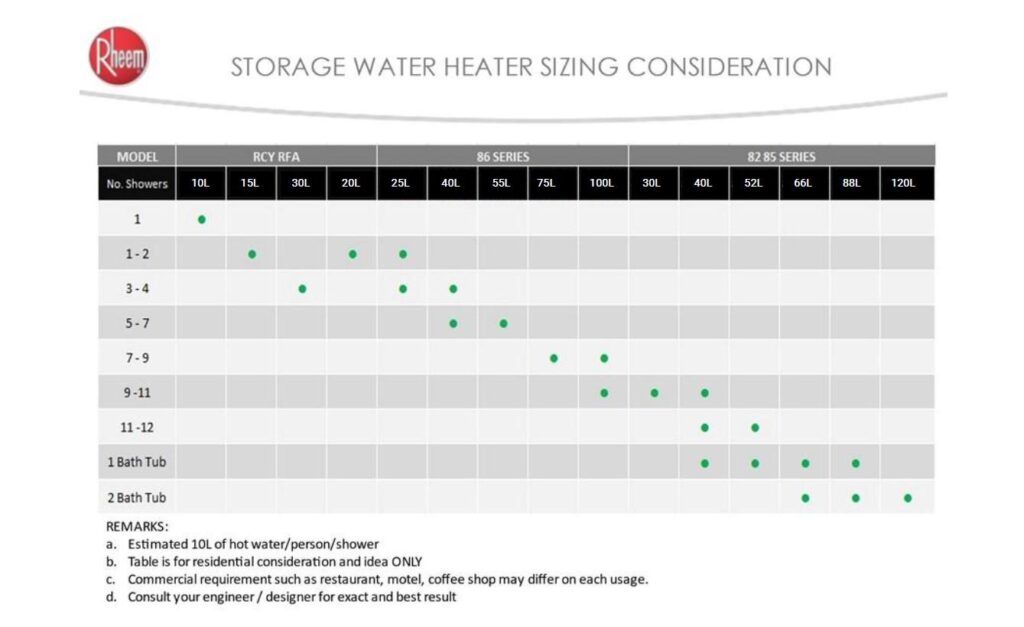
These tanks come in sizes from 20 to 80 gallons.
Tankless Water Heaters
Also called on-demand heaters, these heat water only when you need it. There is no storage tank, so they never “run out” of hot water. But the flow rate matters — they can only heat so much water at once.
- Electric tankless heaters are small and easy to install but may struggle with multiple hot water tasks at once.
- Gas tankless heaters have higher flow rates and can handle more demand but cost more to install.
Heat Pump Water Heaters
These use electricity to move heat from the air into the water. They are very efficient but work best in warm climates and need space for air flow.
Solar Water Heaters
Solar heaters use energy from the sun. They often need a backup system for cloudy days but can save money in the long run.
Credit: cinemaximiliaan.org
How To Calculate The Right Size
Picking the right size means matching your heater to your highest hour of hot water use. This is called the First Hour Rating (FHR) for tanks and flow rate for tankless units.
For Storage Tank Water Heaters
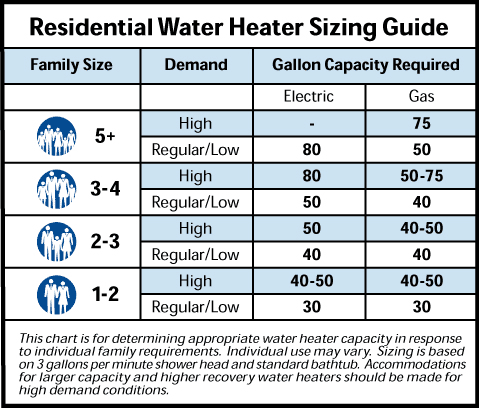
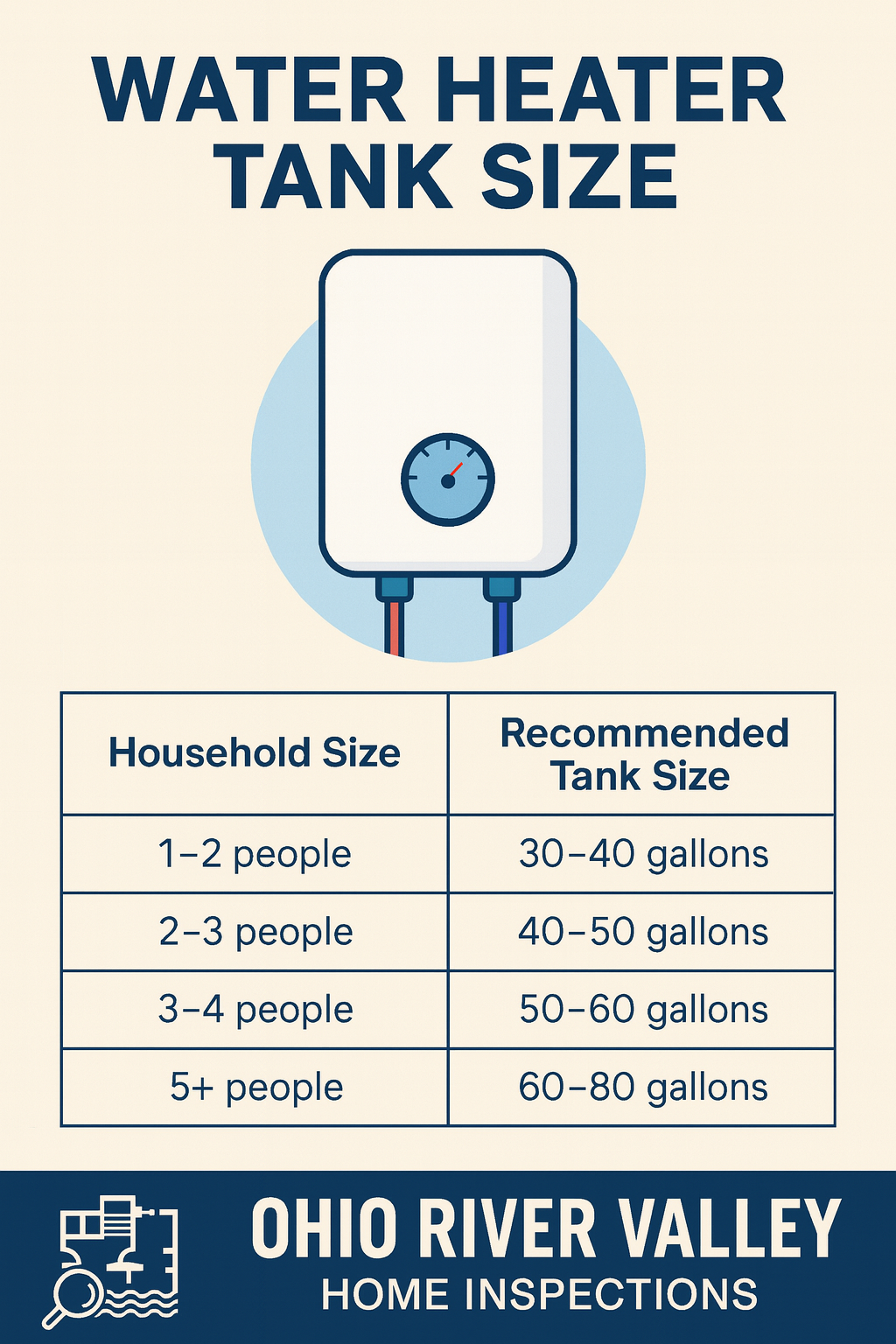
You want a tank that can supply enough hot water during your peak hour. For two people, this is usually 30-40 gallons.
Sample Calculation
Imagine your morning routine:
- Person A shower: 12 gallons
- Person B shower: 12 gallons
- Hand washing/dishes: 4 gallons
Total peak hour demand: 28 gallons
A 30-gallon tank would be enough for most couples. If you sometimes have guests, or you like longer showers, a 40-gallon tank gives extra comfort.
For Tankless Water Heaters
Tankless units are sized by gallons per minute (GPM), not by tank size.
How To Find Your Gpm Needs
- Shower: 1.5–2.5 GPM
- Dishwasher: 1–2 GPM
- Washing machine: 1.5 GPM
If you want to run a shower and dishwasher at the same time:
- Shower: 2 GPM
- Dishwasher: 1.5 GPM
- Total needed: 3.5 GPM
Choose a tankless heater with at least 3. 5 GPM flow rate. For extra comfort, 4–5 GPM is safer.
For Other Types
- Heat pump heaters: Use the same sizing as storage tanks.
- Solar heaters: Size for your storage needs, with a backup for cloudy days.
Factors That Affect Your Water Heater Size
Choosing the right heater is not just about the number of people. Several other things matter.
Climate
In colder areas, incoming water is much colder. Heaters must work harder to warm it up. You may need a slightly larger tank or higher GPM for tankless units.
Hot Water Appliances
If you have a large bathtub or a high-flow shower, you need more hot water at once.
Lifestyle And Habits
Some couples take short showers. Others enjoy long, hot baths. Think about your actual habits, not just averages.
Space And Installation
Tank heaters need space for the unit and sometimes extra for safety. Tankless units are smaller and can be wall-mounted. Heat pump heaters need space for airflow.
Energy Efficiency
A bigger tank costs more to keep hot all day. If you don’t use much hot water, a smaller, efficient model saves money.
Storage Tank Vs Tankless: Which Is Better For Two People?
Both types have pros and cons. The best choice depends on your habits and priorities.
| Feature | Storage Tank | Tankless |
|---|---|---|
| Hot Water Supply | Limited by tank size | Unlimited (flow rate limit) |
| Upfront Cost | Lower | Higher |
| Operating Cost | Higher (standby loss) | Lower (on-demand use) |
| Space Needed | More | Less |
| Lifespan | 10-15 years | 20+ years |
If you want simplicity and lower cost, a 30 or 40-gallon tank works well. If you want endless hot water or have limited space, a tankless unit is better.
Common Sizing Mistakes And How To Avoid Them
Many people make mistakes when sizing a water heater. Here’s how to avoid common errors:
1. Guessing Based On Family Size Only
People often pick a tank just by the number of people. But usage habits matter more. If you take long showers or use multiple appliances at once, you need a bigger unit.
2. Ignoring Peak Hour Needs
The most important time is when you use the most hot water in one hour. Always check your peak hour demand.
3. Overestimating To Be “safe”
Some people buy a much larger tank than needed. This wastes energy and money, as you pay to keep water hot all day.
4. Choosing The Smallest Model For Price
Going too small can mean running out of hot water and straining the unit, which shortens its life.
5. Forgetting About Future Needs
If you plan to have guests often or upgrade to a large tub, size up a little.
Real-world Examples: What Works For Most Couples
Let’s look at real homes and see what size works best.
Example 1: Apartment Living
Anna and Ben live in a small apartment. They take quick showers and use a dishwasher. Their peak hour need is about 25 gallons. A 30-gallon electric tank works perfectly for them. For tankless, a 4 GPM electric unit is enough.
Example 2: Suburban Home
Nina and Sam have a house with a bathtub. They sometimes take back-to-back showers and use the washing machine at the same time. Their peak need is closer to 35 gallons. They choose a 40-gallon gas tank heater. A 5 GPM gas tankless unit also works for them.
Example 3: Eco-friendly Couple
Lisa and John live in a warm climate and want to save energy. They choose a heat pump water heater with a 40-gallon tank. Their electric bills drop, and they always have enough hot water.
Water Heater Sizing Chart For A Family Of 2
To make things easy, here’s a simple chart with common options:
| Heater Type | Recommended Size | Notes |
|---|---|---|
| Electric Storage Tank | 30-40 gallons | Most common choice |
| Gas Storage Tank | 30-40 gallons | Faster recovery |
| Electric Tankless | 4-5 GPM | For simultaneous use |
| Gas Tankless | 5-6 GPM | Higher flow for comfort |
| Heat Pump | 40 gallons | Best for warm climates |
| Solar + Tank | 40-50 gallons | With electric/gas backup |
This chart covers most needs for two people. If you have special needs, adjust up or down.
Credit: www.rheemsingapore.com
How To Choose The Best Water Heater For Your Situation
Making the final choice means looking at your home, habits, and budget. Here’s a step-by-step guide:
1. List Your Hot Water Activities
Write down when and how you use hot water in a day.
2. Calculate Peak Hour Demand
Add up all hot water used in your busiest hour.
3. Choose Type Of Heater
Decide between tank, tankless, heat pump, or solar based on space, energy, and cost.
4. Check Sizing Charts
Match your needs to the recommended size.
5. Consider Energy Efficiency
Look for ENERGY STAR models or high Uniform Energy Factor (UEF) ratings.
6. Plan For The Future
If you may add a bathroom or have guests, choose a slightly bigger unit.
7. Get Professional Advice
For complex homes or unique needs, ask a licensed plumber.
Energy Efficiency And Running Costs
Energy costs add up over time. Choosing an efficient heater saves money and helps the environment.
Understanding Standby Heat Loss
Tank heaters keep water hot all day, losing some heat to the room. This is standby loss. Smaller tanks lose less, but insulation quality matters. Look for thick foam insulation.
Comparing Energy Use
A typical electric tank heater for two people uses about 4000–5000 kWh per year. A tankless model can cut this by 15–25%. Heat pumps use up to 60% less.
Annual Cost Example
- Electric tank, 40 gallons: $400–$500 per year
- Gas tank, 40 gallons: $250–$350 per year
- Electric tankless: $300–$400 per year
- Heat pump: $150–$250 per year
(actual Costs Depend On Your Rates And Use.)
Rebates And Incentives
Many states offer rebates for efficient water heaters. Check local programs to save on purchase and installation.
Installation And Maintenance Tips
A good installation ensures the heater works safely and efficiently.
Installation Location
- Tank heaters need a flat, stable floor and space for service.
- Tankless units can go on a wall, inside or outside (with protection).
- Heat pumps need a room with good airflow.
Professional Vs Diy
Some small electric tanks can be DIY projects. Gas, tankless, and heat pump heaters should always be installed by licensed pros.
Regular Maintenance
- Flush tank heaters once a year to remove sediment.
- Check anode rod every 2-3 years to prevent rust.
- Tankless units may need descaling if you have hard water.
- Heat pumps need air filter cleaning.
Proper care makes your heater last longer and keeps it safe.
Signs Your Water Heater Is The Wrong Size
Sometimes you already have a heater, but it doesn’t feel right. Here’s how to tell if your heater is too small or too big:
Too Small
- Water turns cold during showers
- Long wait between showers for hot water to return
- Heater runs almost all the time
Too Big
- High energy bills
- Heater rarely runs out of hot water, even with light use
- Large tank takes up too much space
If you see these signs, it may be time to resize.
Environmental Considerations
Hot water uses a lot of energy. Choosing the right size helps the environment.
- Smaller tanks use less energy if you don’t need much hot water.
- Heat pump and solar heaters cut carbon emissions.
- Don’t oversize “just in case” — this wastes resources.
Some governments offer tax credits for efficient water heaters. Learn more at Energy.gov.
Advanced Tips Most People Miss
Many guides stop at basic sizing. Here are two insights many people miss:
1. Mixing Valves Can Stretch Hot Water
A mixing valve lets you set your tank hotter (like 140°F) and mix with cold at the tap. This makes a smaller tank feel bigger, but you must be careful to avoid scalding.
2. Insulate Hot Water Pipes
Wrapping your hot water pipes with foam reduces heat loss and saves energy, especially in cold climates. This upgrade costs little and makes hot water arrive faster.
Credit: ohiorivervalleyhomeinspections.com
Frequently Asked Questions
What Size Water Heater Is Best For A Family Of 2?
For most couples, a 30-40 gallon tank or a 4-5 GPM tankless heater is ideal. Adjust up if you use a lot of hot water at once.
Can A 20-gallon Water Heater Work For Two People?
A 20-gallon tank is usually too small, unless you have very low hot water needs. Most couples find it runs out too quickly, especially for back-to-back showers.
How Do I Know If I Need A Bigger Water Heater?
If you run out of hot water often, or if your heater is running constantly, you may need a larger unit. Calculate your peak hour demand for a better answer.
Is Tankless Better Than A Tank For Two People?
Tankless heaters give endless hot water if sized correctly and save space. However, they cost more up front. For simple needs, a tank is fine. If you want more comfort or have limited space, tankless is better.
Does Climate Affect Water Heater Size?
Yes, colder climates mean incoming water is colder. You may need a larger tank or higher GPM tankless unit to keep up with demand.
A well-chosen water heater brings daily comfort and saves money for years. Take time to match your heater to your true needs, not just averages. With this guide, you’re ready to choose wisely and enjoy hot water every day, worry-free.