
Every home with a gas water heater depends on it for hot showers, clean dishes, and daily comfort. But one morning, you find water pooling near the heater—a leak from the overflow pipe. Panic sets in. Is this dangerous? Will your heater fail? Should you call for help, or can you fix it yourself? If you’ve ever wondered why a gas water heater overflow pipe leaks, you’re not alone. Thousands face this issue, often without clear answers.
This guide will walk you through everything you need to know about a gas water heater overflow pipe leaking—from causes to solutions, safety tips, and expert advice. Whether you own your first home or manage several properties, understanding this common problem will save you money, prevent damage, and keep your home safe.
What Is A Gas Water Heater Overflow Pipe?
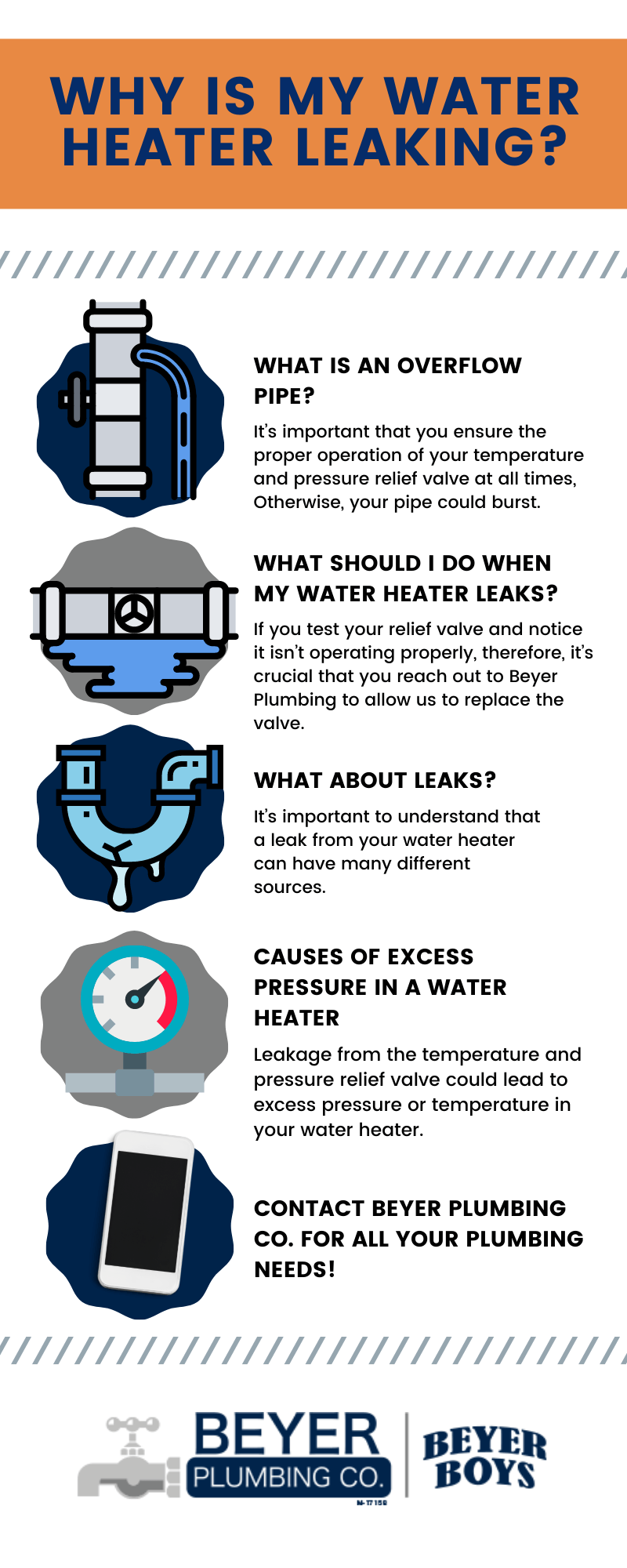
Before tackling leaks, it’s important to know what the overflow pipe does. Every gas water heater includes a Temperature and Pressure Relief Valve (T&P valve). This valve is a critical safety device. If pressure or temperature inside the tank gets too high, the valve opens and channels water out through the overflow pipe.
The pipe usually runs from the T&P valve down to the floor or outside the building. Its main job is to direct hot water safely away from the heater if the valve opens. Without this, pressure could build up, risking tank rupture or even an explosion.
So, the overflow pipe isn’t just a small part—it’s a safety feature.
Common Causes Of Overflow Pipe Leaks
When you see water leaking from your gas water heater’s overflow pipe, it means the T&P valve is releasing water. But why? Here are the most common causes:
1. Excessive Pressure In The Tank
Water heaters are built to handle a certain level of pressure. But sometimes, pressure increases beyond safe limits. This can happen if:
- The water heater’s thermostat is set too high (above 120°F)
- Incoming water pressure from your city supply is above 80 psi
- A backflow preventer or pressure regulator fails
When pressure rises, the T&P valve opens, and water escapes through the overflow pipe. This is a sign the system is protecting you, but it also means something is wrong.
2. High Water Temperature
If water inside the tank gets too hot, it expands, raising pressure. This often happens if:
- The thermostat is faulty and set too high
- The heating element malfunctions and keeps running
Hotter water means more expansion, more pressure, and more water released through the overflow pipe.
3. Faulty T&p Relief Valve
Sometimes, the T&P relief valve itself is the problem. Valves can wear out, corrode, or get stuck open due to:
- Age and mineral buildup (especially in hard water areas)
- Mechanical failure
- Improper installation
If the valve cannot close completely, even at normal pressure, it will drip or leak continuously.
4. Thermal Expansion
When water is heated, it expands. In closed plumbing systems (where water can’t flow backward into the city supply), this creates extra pressure. If there’s no expansion tank to absorb it, the pressure forces the T&P valve to open, causing a leak.
5. Sediment Buildup
Years of heating water leave minerals and debris inside the tank. This sediment can:
- Interfere with the valve’s ability to seal
- Cause uneven heating, creating hot spots and raising pressure
Sediment often goes unnoticed, but it increases the risk of overflow leaks.
6. Recent Maintenance Or Testing
If a plumber or homeowner recently tested the T&P valve (a recommended safety check), some water may drip for a short time. But if the leak continues, it may mean the valve did not reseal properly.
7. Freezing Temperatures
In cold climates, water inside the overflow pipe can freeze, causing cracks or blockages. When the ice melts or pressure builds, leaks occur.
Signs Of A Problem: How To Spot A Leaking Overflow Pipe
A leak from the overflow pipe isn’t always obvious. Here’s what to watch for:
- Water puddles under or near the heater
- Moisture on the pipe or floor
- Dripping sounds, especially after using hot water
- White or rust-colored stains on the pipe or floor
- Steam or warm water escaping the pipe
Don’t ignore these signs. Even small leaks can lead to big problems, including water damage, mold growth, and heater failure.
Why Is A Leaking Overflow Pipe A Serious Issue?
It’s easy to dismiss a dripping pipe as a minor annoyance. But a gas water heater overflow pipe leaking means something deeper is wrong. Here’s why you should care:
- Water Damage: Constant leaks can ruin floors, drywall, and belongings. Over weeks or months, small leaks create expensive repairs.
- Mold Growth: Damp areas promote mold, which affects indoor air quality and your health.
- Heater Failure: If pressure or temperature stays too high, your water heater can break down, or worse, the tank could burst.
- Safety Hazard: Gas water heaters use flames. Water leaks near gas connections can cause corrosion or, in rare cases, fire risks.
- Wasted Energy: Leaking hot water means your heater works harder, wasting gas and raising utility bills.
Never ignore a leaking overflow pipe. It’s a warning sign you should act on.
Diagnosing The Leak: Step-by-step Guide
You don’t need to be a plumber to do some basic troubleshooting. Here’s how to figure out why your gas water heater’s overflow pipe is leaking:
Step 1: Check The Water Temperature
- Look at the heater’s thermostat dial or digital display.
- Recommended setting: 120°F (49°C)
- If it’s set higher, lower it and see if the leak stops after a few hours.
Step 2: Inspect The Water Pressure
- Attach a pressure gauge to a nearby faucet or hose bib.
- Normal pressure: 40–80 psi
- If it’s above 80 psi, you may need a pressure-reducing valve.
Step 3: Examine The T&p Relief Valve
- Check for corrosion, mineral buildup, or a stuck lever.
- Gently lift the valve’s test lever (be careful, hot water will flow out).
- Release the lever. If water keeps flowing, the valve may need replacement.
Step 4: Look For An Expansion Tank
- Find a small tank (usually above the heater) connected to the cold water line.
- If you don’t have one and your system is closed, thermal expansion could be the cause.
Step 5: Check For Sediment
- Drain a gallon of water from the heater’s bottom drain valve into a bucket.
- If you see sand or debris, there’s sediment buildup.
Step 6: Inspect For Freezing Or Damage
- In cold weather, look for ice or cracks on the pipe.
- If you see damage, the pipe may need repair or replacement.
Solutions: How To Fix A Leaking Overflow Pipe
Once you know the cause, you can take action. Here are practical solutions for each problem:
1. Adjust Thermostat And Water Pressure
- Lower the thermostat to 120°F.
- If city water pressure is too high, install a pressure-reducing valve on your main line.
- Test pressure after installation to confirm it’s below 80 psi.
2. Replace A Faulty T&p Valve
If the valve is old, corroded, or won’t close:
- Turn off gas and water supply.
- Drain enough water from the tank to drop below the valve’s level.
- Unscrew the old valve with a wrench.
- Apply plumber’s tape to the new valve’s threads.
- Screw in the new valve and tighten gently.
- Restore water and gas, then test the valve for leaks.
Tip: Always use the correct replacement valve—check the size and temperature/pressure rating on the old valve.
3. Install An Expansion Tank
If your system is closed and lacks an expansion tank:
- Buy a tank rated for your heater’s size (usually 2–4 gallons).
- Install on the cold water line above the heater.
- Pressurize the tank to match your home’s water pressure (use a tire gauge and pump if needed).
- Secure all connections and check for leaks.
4. Flush Sediment From The Tank
Sediment can ruin valves and reduce heater life. To flush:
- Turn off the gas and water supply.
- Connect a garden hose to the drain valve at the bottom.
- Open a hot water faucet nearby (to let air in).
- Open the drain valve and let water flow until clear.
- Close the valve, remove the hose, and restore power/gas.
Tip: Flush your heater every 6–12 months to prevent buildup.
5. Insulate Pipes In Cold Weather
To prevent freezing:
- Wrap the overflow pipe and nearby water lines with foam insulation.
- In extreme cold, use heat tape or a heated cable.
- Seal gaps where pipes enter walls.
6. Call A Professional Plumber
If you’re unsure, or the leak continues after DIY repairs, call a licensed plumber. They can:
- Test your system for hidden issues
- Replace faulty parts safely
- Advise on long-term solutions
How Much Does It Cost To Fix A Leaking Overflow Pipe?
Costs vary depending on the problem. Here’s a general comparison:
| Repair Type | DIY Cost | Professional Cost | Typical Time Required |
|---|---|---|---|
| Replace T&P Valve | $15–$35 | $100–$250 | 30–60 min |
| Install Expansion Tank | $40–$80 | $150–$350 | 1–2 hours |
| Pressure Regulator Install | $50–$70 | $200–$400 | 1–2 hours |
| Flush Sediment | $0 (time only) | $75–$150 | 30–60 min |
Note: Labor rates vary by location. DIY is cheaper but requires basic tools and safety knowledge.
Prevention: How To Avoid Future Leaks
You can prevent most overflow pipe leaks with regular care. Here are key prevention tips:
- Test the T&P Valve Annually: Lift the valve lever for a few seconds. Make sure water flows and stops when you release it.
- Check Water Pressure Regularly: Use a pressure gauge every 6 months.
- Set Thermostat Properly: Never exceed 120°F.
- Flush the Tank Yearly: Removes sediment before it causes trouble.
- Install an Expansion Tank: Especially important in closed plumbing systems.
- Insulate in Cold Climates: Protect pipes from freezing.
- Schedule Professional Inspections: Once a year, have a plumber check your heater, especially if it’s over 7 years old.

Credit: www.youtube.com
When To Replace Your Gas Water Heater
Sometimes, a leaking overflow pipe is a sign your heater is at the end of its life. How do you know when to replace instead of repair? Watch for these signals:
- Heater is 10+ years old (most last 8–12 years)
- Frequent leaks or repairs
- Rusty water from taps
- Rumbling noises (sediment buildup)
- Rising gas or water bills
Replacing an old heater can save money in the long run and improve safety.
Here’s a quick comparison of repair vs replacement:
| Situation | Repair | Replace |
|---|---|---|
| Minor leak from overflow pipe | ✔️ | |
| Heater over 12 years old | ✔️ | |
| Multiple leaks or corrosion | ✔️ | |
| High energy bills, poor performance | ✔️ | |
| Failed T&P valve, heater under 10 years | ✔️ |
Common Mistakes To Avoid
Many homeowners make simple errors when dealing with a gas water heater overflow pipe leaking. Here’s what to avoid:
- Ignoring the Leak: Delaying repairs can lead to water damage and costly heater failure.
- Disabling the T&P Valve: Never plug, cap, or remove the valve. It’s a vital safety device.
- Setting Temperature Too High: Higher isn’t better. Overheating risks scalding and leaks.
- Skipping Annual Maintenance: Most problems are preventable with regular checks.
- Using the Wrong Replacement Parts: Always match the valve’s size and pressure/temperature ratings.
- DIY Without Skill: If you’re unsure, call a professional. Gas and hot water can be dangerous.
Non-obvious Insights Most People Miss
- Closed Plumbing Systems Increase Risk: Many new homes have backflow preventers. This stops water from returning to the city supply, but it also traps expanding water. Without an expansion tank, you’ll see more overflow pipe leaks.
- Hard Water Makes Everything Worse: If your area has hard water, sediment buildup happens faster. This affects the valve, tank, and your heater’s efficiency. Consider a water softener if you face constant issues.
- Heater Location Matters: Heaters in basements or unheated garages are more at risk from freezing pipes and unnoticed leaks. If your heater is in a hidden spot, check it regularly.
- Small Leaks Can Signal Big Problems: Even a slow, steady drip means the system isn’t working right. Don’t wait for a flood—fix it early.
Safety Tips For Working With Gas Water Heaters
Gas water heaters combine water, heat, and fuel—so safety comes first.
- Always turn off the gas supply before repairs.
- Use a gas leak detector or soapy water to check for leaks after any work near the gas line.
- Don’t block or cover the T&P valve or overflow pipe.
- Keep the area around the heater clean and dry.
- If you smell gas, leave the area and call your gas company immediately.
How A Plumber Diagnoses A Leaking Overflow Pipe
If you call a licensed plumber, here’s what they’ll usually do:
- Visual Inspection: Look for water, rust, or corrosion around the valve and pipe.
- Pressure Testing: Use gauges to check system pressure.
- Valve Operation Check: Test the T&P valve’s function.
- Expansion Tank Assessment: Make sure it’s present and working.
- System Review: Check for other leaks, heater age, and installation quality.
Professional diagnosis often finds hidden issues homeowners miss, such as failing pressure regulators or improper installation.
How To Tell If The Problem Is The Valve Or Something Else
It’s not always easy to know if the T&P valve itself is bad, or if it’s just doing its job. Here’s a quick way to tell:
- If the valve drips only after hot water use or when the heater is running, the problem is likely excess pressure or temperature (not the valve).
- If the valve drips all the time, even when the heater is off, the valve itself may be faulty.
Replacing a T&P valve is inexpensive, but if the underlying issue is pressure or temperature, you’ll need to address that too.
Credit: beyerplumbing.com
Environmental Impact: Why Fixing Leaks Matters
A leaking overflow pipe doesn’t just cost money—it also wastes water and energy. According to the U.S. Environmental Protection Agency (EPA), household leaks can waste nearly 10,000 gallons of water each year. Hot water leaks also waste gas, increasing your carbon footprint.
Fixing leaks helps:
- Conserve water
- Lower utility bills
- Reduce energy waste
- Protect your home and health
Learn more about the environmental impact from the EPA’s Fix a Leak Week.
Frequently Asked Questions
Why Is My Gas Water Heater Overflow Pipe Leaking Suddenly?
A sudden leak usually means the T&P valve has opened due to a spike in temperature or pressure. Check if someone raised the thermostat or if your city water pressure is higher than normal. If neither, the valve itself could have failed.
Is It Safe To Use The Heater If The Overflow Pipe Is Leaking?
It’s not safe to ignore this leak. The T&P valve is a safety device. If it’s open, your heater may be under too much pressure or too hot, which can be dangerous. Turn off the heater and call a plumber if you’re unsure.
Can I Just Cap Or Plug The Overflow Pipe To Stop The Leak?
No. Never cap, plug, or block the overflow pipe or T&P valve. This will prevent the system from releasing pressure, increasing the risk of tank explosion or serious injury.
How Often Should I Replace The T&p Valve?
Most manufacturers recommend testing the valve annually and replacing it every 3–5 years. Replace it sooner if you see leaks, corrosion, or if it won’t close after testing.
What Is The Difference Between A Leak From The Overflow Pipe And A Tank Leak?
A leak from the overflow pipe means the T&P valve is releasing water, usually due to pressure or temperature issues. A leak from the bottom or sides of the tank often means the tank itself is corroded or cracked—a more serious problem that usually requires replacement.
A gas water heater overflow pipe leak can be worrying, but with the right knowledge, you can diagnose, fix, and prevent it. Address leaks early, follow safety tips, and don’t be afraid to call a professional for help. Your home—and your peace of mind—are worth it.

Credit: waterheatingdirect.com