
If you notice a burning smell coming from your tankless water heater, it’s normal to feel worried. This odor is not just unpleasant—it can signal a problem, sometimes even a serious one. Many homeowners expect tankless heaters to be trouble-free, but like all machines, they have parts that can wear out, overheat, or malfunction. Ignoring a burning smell is risky; it could lead to more expensive repairs, unsafe conditions, or even a fire hazard.
This article guides you through every possible reason your tankless water heater smells like burning. You’ll learn how to check for issues, when you can fix things yourself, and when to call a professional. We’ll also cover important safety steps, prevention tips, and answer the most common questions.
Whether you own a gas or electric model, this guide helps you understand what’s happening—and how to solve it.
Why A Tankless Water Heater Might Smell Like Burning
A burning smell from your tankless water heater usually means something is overheating or burning inside. There are several possible causes, ranging from simple dust build-up to serious electrical or gas issues. Let’s break them down:
1. Dust And Debris On Heating Elements
After long periods without use, dust can collect on the heater’s elements. When the unit turns on, this dust burns off, causing a temporary smell. This is especially common after seasonal shutdowns, like returning from vacation.
- Sign: A mild burning smell that fades after a short period.
- Risk: Usually low, but regular cleaning is wise.
2. Electrical Overheating
Electric tankless heaters use powerful heating elements. If wiring is loose, connections are faulty, or components are failing, overheating can occur. This often causes a plastic, rubber, or electrical smell.
- Sign: The smell gets stronger or doesn’t fade. You might see discoloration or melted plastic.
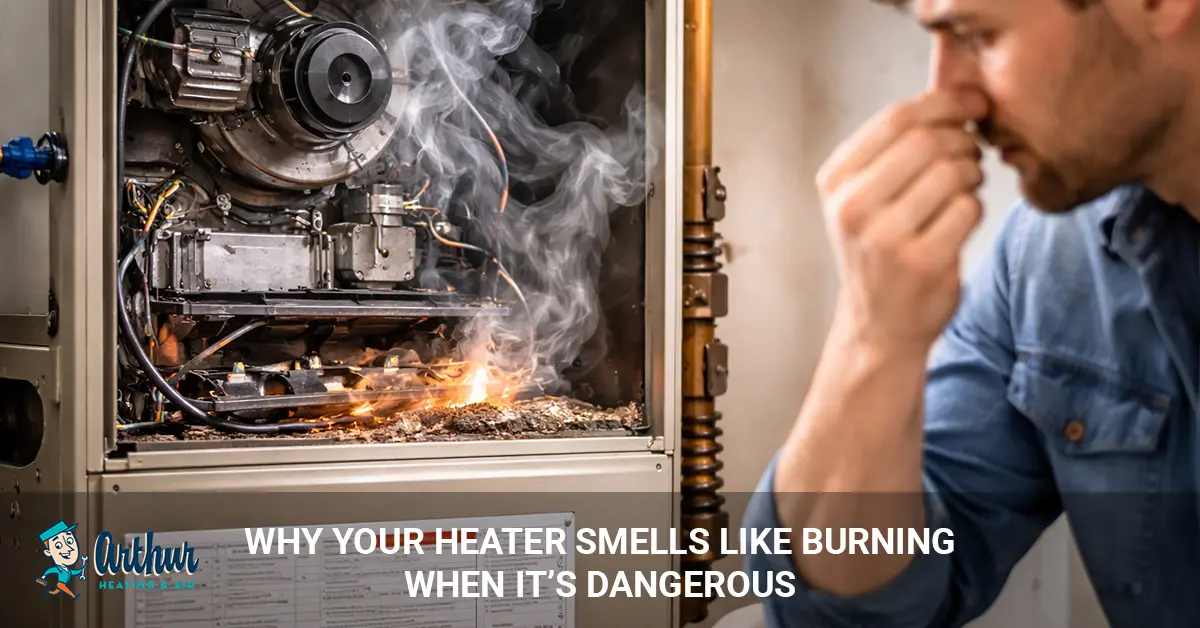
- Risk: High. This can lead to electric shock or fire.
3. Burnt Plastic Or Insulation
Worn wires or overheating can melt the plastic insulation inside the unit. This releases a very sharp, chemical-like burning odor.
- Sign: Persistent strong chemical or plastic smell, sometimes with visible smoke.
- Risk: High. Immediate attention needed.
4. Gas Leak Or Incomplete Combustion
For gas tankless heaters, a burning or even a metallic smell could mean incomplete combustion or a gas leak. This is extremely dangerous.
- Sign: Smell of burning mixed with gas, or a metallic/ozone smell.
- Risk: Critical. Shut off gas and call for help.
5. Overheated Components
If the unit is oversized or undersized, runs too long, or has a blocked vent, components can overheat. This can burn internal parts, releasing a smoky smell.
- Sign: The heater feels very hot to the touch, or shuts off unexpectedly.
- Risk: Medium to high. Overheating can cause damage over time.
6. Foreign Objects Inside The Unit
Sometimes, insects, small animals, or other debris get inside the heater and burn when the unit operates.
- Sign: Unusual burning smell, sometimes with smoke or debris.
- Risk: Medium. Can damage the heater or cause fire.
7. Faulty Venting Or Blocked Exhaust
If exhaust gases can’t escape, they can build up inside the unit, burning materials not meant to handle high heat.
- Sign: Burning odor with poor heater performance or error codes.
- Risk: High. Also increases risk of carbon monoxide.
8. Mineral Build-up (scaling)
Hard water causes mineral deposits to form on heating elements. This can overheat elements, causing a burnt smell.
- Sign: Burning odor plus reduced hot water flow or temperature.
- Risk: Low at first, but can damage the heater over time.
9. Residual Manufacturing Oils
A new tankless heater may have factory oils or residues that burn off during first use, creating a temporary smell.
- Sign: Only happens during first few uses, then disappears.
- Risk: Low, but should fade quickly.
10. Failing Internal Components
Fans, circuit boards, or sensors can wear out and overheat, producing a burning odor as their materials degrade.
- Sign: Odor combined with error codes or irregular operation.
- Risk: Medium. Can lead to total failure if ignored.
How To Identify The Source Of The Burning Smell
Pinpointing the exact cause of the burning smell is key. Here’s a practical way to check:
1. Turn Off Power Or Gas
Safety first. Shut off the heater’s power at the breaker or the gas valve.
2. Let The Unit Cool Down
Wait for at least 20–30 minutes so you can safely touch and inspect it.
3. Visual Inspection
Open the heater’s access panel (if safe and allowed by the manufacturer). Look for:
- Burn marks or discoloration
- Melted wires or plastic
- Dust or debris on heating elements
- Insects or foreign objects
4. Smell Closer
Carefully sniff near the unit (not inside). A chemical smell usually means plastic or insulation. Metallic smells can mean overheating. Dusty odors are likely just burned dust.
5. Check For Error Codes
Most modern tankless heaters display error codes. Note any codes and check the manual.
6. Listen For Unusual Noises
Buzzing, popping, or crackling can help pinpoint electrical or mechanical problems.
7. Observe Heater Operation
Turn the unit back on (if safe) and see if the smell returns immediately or only after running for a while.
Example:
Suppose the smell is strong at startup and fades—likely dust or residual oils. If it appears after a few minutes, overheating is more likely.

Credit: www.reddit.com
Common Fixes For A Tankless Water Heater Smelling Like Burning
Let’s go through step-by-step solutions for each cause. Not all fixes are DIY—some require a professional.
1. Cleaning Dust And Debris
- Turn off power/gas.
- Remove the cover.
- Use a vacuum or dry cloth to clean elements and fans.
- Replace the cover securely.
This simple maintenance can often solve burning smells after long periods of no use.
2. Fixing Electrical Overheating
- Check for loose wires or burnt insulation.
- Tighten connections if you are comfortable and qualified.
- Replace any damaged wires.
- If unsure, call a licensed electrician.
Never ignore electrical smells—fire risk is real.
3. Addressing Burnt Plastic Or Insulation
If you see melted plastic or wires, shut off the unit and call a professional. These repairs are not safe for DIY unless you’re trained.
4. Handling Gas Leaks And Combustion Issues
If you smell gas, leave the area immediately and call the gas company. Do not attempt repairs yourself.
5. Clearing Overheated Components
- Make sure vents are clear and unblocked.
- Check that the heater’s size matches your home’s needs (see below).
- Schedule regular maintenance to keep fans, sensors, and heat exchangers clean.
6. Removing Foreign Objects
- Open the cover and carefully remove any insects or debris.
- Check for nests, webs, or dead bugs.
- Seal entry points to prevent future infestations.
7. Fixing Ventilation Problems
- Inspect vent pipes for clogs, nests, or damage.
- Make sure all joints are tight and exhaust is directed outdoors.
- Call a pro if you can’t access or clean the vents yourself.
8. Flushing Mineral Build-up
- Turn off the unit and water supply.
- Connect a pump and hoses to circulate vinegar or a descaling solution.
- Flush for at least 45 minutes (follow manufacturer instructions).
- Rinse and reassemble.
Flushing every 6–12 months keeps your heater efficient and odor-free.
9. Dealing With New Heater Odors
Run the unit for a few cycles to “burn off” factory oils. If the smell lingers, call support.
10. Replacing Failing Internal Parts
If you suspect fans or circuit boards are failing, get a certified technician. DIY repairs on these parts often void warranties.
When To Call A Professional
Some burning smells can be solved with cleaning or minor fixes. But certain signs mean you need expert help:
- Persistent burning odor after cleaning and inspection
- Visible smoke or melted parts
- Tripped breakers or blown fuses
- Error codes you can’t clear
- Gas odors or any sign of a leak
- Unit stops working or behaves erratically
Don’t risk your safety. Professionals have the tools and training to fix complex problems and ensure your heater is safe.
Safety Precautions When Dealing With Burning Smells
Working with tankless water heaters—especially gas or electric—can be dangerous. Follow these rules:
- Always turn off power or gas before opening the unit.
- Ventilate the area if you smell burning or gas.
- Use gloves and eye protection when cleaning or inspecting.
- Never use water to put out electrical fires.
- Keep flammable objects away from the heater.
- Have a fire extinguisher nearby, just in case.
If you’re not sure, always call a professional. Safety first.
How To Prevent Burning Smells In The Future
Regular maintenance is the best way to avoid burning odors and keep your tankless water heater running smoothly.
1. Clean The Heater Annually
Remove dust, debris, and any insects. This is simple but very effective.
2. Flush The System
Use vinegar or descaling solution every 6–12 months, especially in hard water areas.
3. Check Vents And Exhaust
Make sure nothing blocks the exhaust. A blocked vent can cause overheating and dangerous fumes.
4. Inspect Wiring
Look for signs of wear or loose connections. Call an electrician if you see any issues.
5. Test For Gas Leaks
Have your gas lines checked regularly. Even a small leak is dangerous.
6. Use Correct Heater Size
Undersized or oversized heaters work harder and overheat more often. Make sure your unit matches your home’s hot water needs.
Example Sizing Table:
| Home Size | Recommended Heater Flow Rate (GPM) |
|---|---|
| 1 Bathroom | 3-5 GPM |
| 2 Bathrooms | 5-7 GPM |
| 3+ Bathrooms | 8+ GPM |
7. Install Carbon Monoxide Detectors
Especially for gas models. These can save your life if combustion goes wrong.
8. Schedule Professional Inspections
At least once a year, have a technician check all critical systems.
Credit: www.callarthurair.com
Comparing Electric Vs. Gas Tankless Water Heaters And Burning Smells
The type of heater you own affects the most likely causes and risks of burning odors.
| Feature | Electric Heater | Gas Heater |
|---|---|---|
| Main Burning Smell Causes | Electrical overload, dust, plastic melting | Incomplete combustion, vent issues, dust, debris |
| Fire Risk | High with wiring problems | High with gas leaks, lower with wiring |
| Common Fix | Check wiring, clean dust | Check vent, inspect for leaks |
| Odor Description | Plastic, electrical, or dust | Metallic, gas, or smoke |
Signs The Smell Is An Emergency
Not all burning odors mean immediate danger, but some signs should never be ignored:
- Strong, persistent burning or electrical smell
- Visible smoke from the unit
- Smell of gas (rotten egg odor)
- Heater is hot to the touch
- Breakers tripping or fuses blowing
- Carbon monoxide detector alarm sounding
- Any sign of fire
If you experience any of these, shut off the heater, leave the area, and call for help.
What Most People Miss About Tankless Water Heater Burning Smells
Many homeowners believe that tankless heaters are maintenance-free. In reality, they need regular care to prevent issues:
- Hard water scaling is a silent problem. Even if you don’t see visible scale, it can cause internal overheating and burning smells over time.
- Blocked vents may not always trigger a clear error code. Even partial blockages (from leaves, nests, or small animals) can overheat the unit and create odors.
These are easy to miss if you only look for obvious dirt or damage. Pay attention to your heater’s performance and schedule regular checks to avoid surprises.
Cost Of Fixing A Tankless Water Heater With A Burning Smell
The price to fix a burning smell varies by cause:
| Problem | DIY Cost | Professional Cost |
|---|---|---|
| Cleaning dust/debris | $0–$30 (cleaning supplies) | $75–$150 (service call) |
| Flushing scale | $15–$50 (solution and pump rental) | $100–$250 |
| Fixing wiring | $20–$100 (parts, if skilled) | $150–$400 |
| Repairing gas leaks | Not DIY | $100–$500+ |
| Replacing fans/boards | Not recommended | $200–$600 |
DIY is only safe for simple cleaning. For wiring, gas, or critical parts, professional repair is a must.
Real-world Example: Solving A Burning Smell
Let’s look at a real situation. A homeowner noticed a burning smell after a long vacation. They:
- Turned off the heater and let it cool.
- Opened the cover and found a thick layer of dust on the heating element.
- Carefully vacuumed and wiped the area.
- Restarted the heater; the smell was gone.
Another case involved a burnt plastic smell. The owner saw melted wire insulation and immediately called a professional. The electrician replaced damaged wires and fixed a loose connection, preventing a potential fire.
Long-term Effects Of Ignoring Burning Smells
Ignoring burning odors can lead to:
- Permanent damage to heating elements, circuit boards, or fans
- Higher energy bills due to poor efficiency
- Complete heater failure
- Fire risk or carbon monoxide poisoning (gas models)
A quick response protects your investment and your safety.

Credit: www.reddit.com
Tankless Water Heater Smells Like Burning: Key Takeaways
- A burning smell means something is wrong—act quickly.
- Most causes are dust, electrical, or vent issues.
- Gas odors are serious—leave and call for help.
- Regular cleaning and maintenance prevent most problems.
- Know your limits—call a professional for wiring, gas, or internal part failures.
Frequently Asked Questions
What Should I Do First If My Tankless Water Heater Smells Like Burning?
Shut off power (for electric) or the gas supply (for gas models) right away. Let the unit cool down, then inspect for visible issues like dust, debris, or melted parts. If you suspect a gas leak or see smoke, leave the area and call for help.
Is It Normal For A New Tankless Water Heater To Smell Like Burning?
A mild burning smell during the first few uses is normal. This is usually factory oils or dust burning off. The smell should fade quickly. If it continues or gets stronger, contact the manufacturer or a technician.
Can I Clean My Tankless Water Heater Myself To Remove The Burning Smell?
Yes, you can clean dust and debris from the outside and accessible parts if you turn off power or gas first. For internal parts, wiring, or anything involving gas, it’s safer to call a professional.
What’s The Difference Between A Burning Smell From Dust And From Electrical Problems?
Burning dust usually smells musty and fades quickly after a few uses. Electrical burning is sharper, more chemical, and often persistent. If the smell is electrical or plastic-like, turn off the unit and get it checked right away.
Are Burning Smells More Common In Electric Or Gas Tankless Heaters?
Both types can develop burning smells, but the causes differ. Electric heaters are more likely to have wiring or plastic melting issues. Gas heaters often have problems with vents, combustion, or gas leaks. Both need regular maintenance.
If you want more details on how tankless water heaters work, check the Wikipedia entry on tankless water heating.
A burning smell from your tankless water heater is a warning you should never ignore. With the steps above, you can protect your home, stay safe, and keep your hot water running smoothly for years to come.