
When you step into the shower expecting a stream of hot water and instead get a blast of icy cold, frustration can set in fast. If you own a Rheem tankless water heater, you probably chose it for its promise of endless hot water and energy efficiency. But what if your Rheem unit suddenly stops delivering hot water? This is not just uncomfortable—it can disrupt your entire day. Understanding why your Rheem tankless water heater is giving no hot water is key to fixing the problem quickly and getting your comfort back.
This guide will walk you through every possible cause, from easy-to-fix issues to those that need a professional. Whether you’re a homeowner, a landlord, or a technician, you’ll learn how to troubleshoot, recognize patterns, and know when to call for expert help.
Along the way, you’ll find practical tips, helpful tables, and answers to common questions that go beyond the basics. Let’s make cold showers a thing of the past.
How Rheem Tankless Water Heaters Work
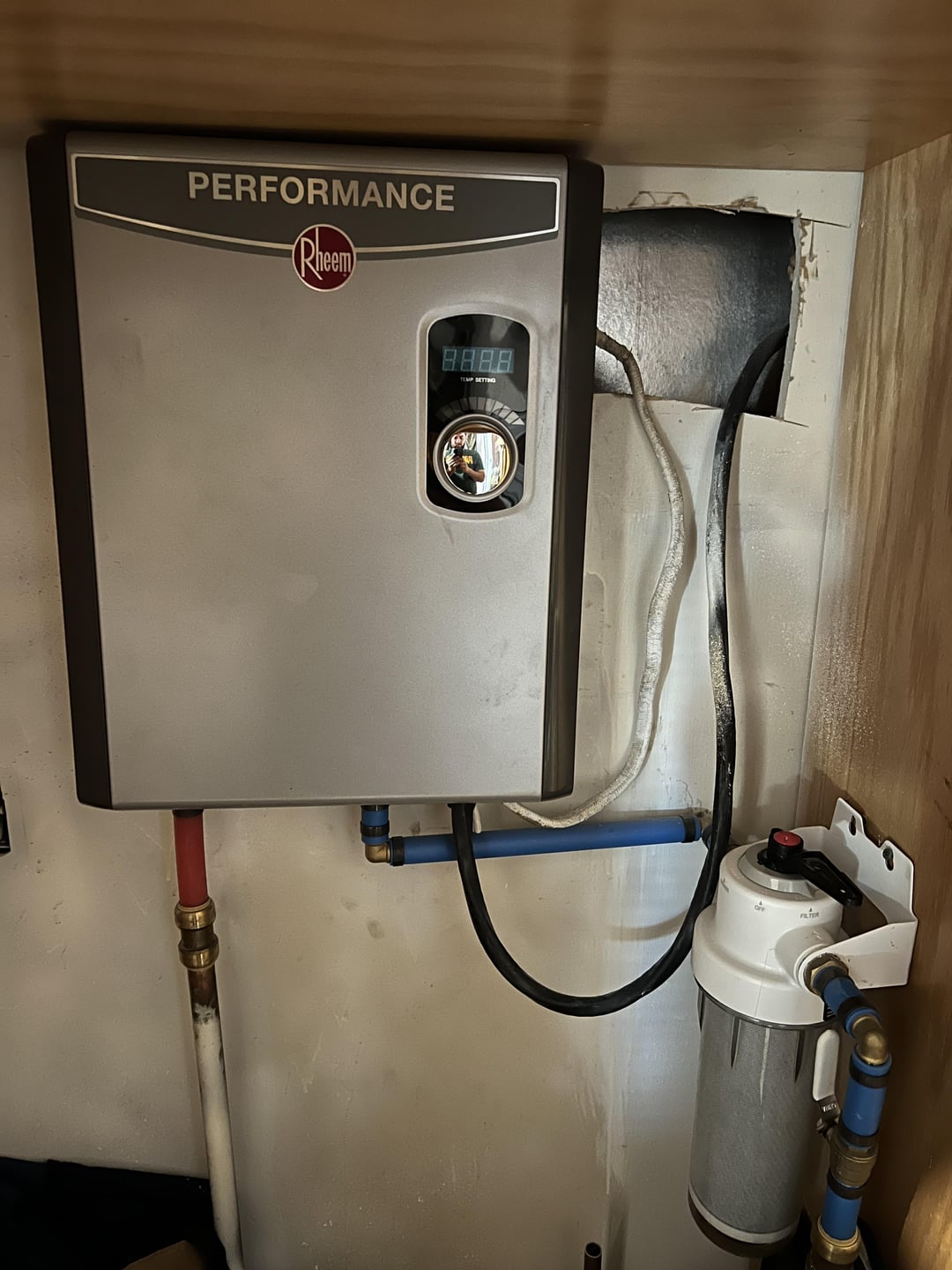
Before jumping into troubleshooting, it helps to know how a Rheem tankless water heater functions. Unlike traditional tank heaters that store hot water, tankless models heat water only when you need it. When you turn on the hot tap, cold water passes through a heat exchanger, powered by gas or electricity, and comes out hot in just seconds. This efficient system saves energy and space, but it also means that any interruption in this process can leave you without hot water.
Key Components
- Flow sensor: Detects when water is moving through the system.
- Heat exchanger: The heart of the unit, where water is heated.
- Burner or heating element: Provides the heat source (gas or electric).
- Control board: The electronic “brain” of the unit.
- Temperature sensors: Monitor water temperature and adjust heating.
- Exhaust vent or air intake: Removes combustion gases (gas models).
If any of these parts fail or are disrupted, your water heater may stop providing hot water.
Common Reasons For No Hot Water
Several factors can cause your Rheem tankless water heater to stop giving hot water. Let’s break down the most frequent causes, from the simplest to the more complex.
1. No Power Or Gas Supply
Without power or gas, the heater can’t operate. For electric models, a tripped circuit breaker or unplugged unit is often the culprit. For gas models, the gas valve may be off, or the supply interrupted.
2. Water Supply Issues
If there’s not enough water flow, the heater won’t activate. Blocked pipes, closed valves, or low household water pressure can all cause this problem.
3. System Overload
Tankless heaters have limits. If too many taps or appliances demand hot water at once, the system can overload and shut off temporarily to prevent damage.
4. Error Codes And Safety Shutoffs
Modern Rheem units display error codes for many issues—like overheating, flame failure, or sensor errors. These codes often trigger a safety shutoff, stopping hot water.
5. Cold Water Sandwich Effect
A short burst of cold water after hot is called a “cold water sandwich. ” It’s not a fault, but it feels like a problem. This happens when water trapped in the pipes cools between uses.
6. Frozen Pipes
In winter, pipes or the heater itself can freeze, blocking water flow and stopping the unit from heating water.
7. Mineral Buildup
Hard water can cause scale to build up in the heater, especially on the heat exchanger. This reduces efficiency and may trigger safety shutoff.
8. Faulty Components
Worn-out sensors, flow switches, or the control board can all fail and stop hot water. These parts may need replacement.
How To Troubleshoot A Rheem Tankless Water Heater With No Hot Water
Now that you know the likely causes, let’s walk through a step-by-step troubleshooting process. This will help you pinpoint the problem and, in many cases, fix it yourself.
Step 1: Check Power And Gas
- For electric models, ensure the unit is plugged in and the breaker is ON.
- For gas models, make sure the gas valve is open and the supply is active. Smell for gas leaks (if detected, leave the area and call for help).
Step 2: Inspect Water Supply
- Open hot taps and check if water flows at all.
- Confirm that cold water works (if not, the problem isn’t the heater).
- Look for closed valves or kinks in hoses.
Step 3: Look For Error Codes
Most Rheem units have a digital display. If you see an error code, note it down. This code gives important information about what’s wrong.
Step 4: Reset The Unit
Try turning the unit OFF for 30 seconds, then ON again. Some errors clear with a reset.
Step 5: Test With One Tap
To avoid overloading, turn off all other hot water taps. Test with just one fixture.
Step 6: Check For Frozen Pipes
Feel the pipes coming into the heater. If they’re icy or bulging, you likely have a freeze. Thaw pipes safely before restarting the heater.
Step 7: Listen And Observe
- Do you hear the unit click or ignite when you open the hot tap?
- Is the display lighting up?
- Is there a delay in hot water, or none at all?
Step 8: Inspect For Mineral Buildup
If you have hard water, scale inside the heater can cause problems. Listen for strange noises or check for error codes related to temperature or flow.
Understanding Rheem Error Codes And What They Mean
Error codes are the heater’s way of telling you what’s wrong. Here’s a quick reference for some of the most common Rheem error codes related to no hot water:
| Error Code | Meaning | What to Do |
|---|---|---|
| 11 | No ignition/flame failure | Check gas supply, clean flame sensor |
| 12 | Flame loss after ignition | Inspect venting, check gas pressure |
| 29 | Heat exchanger outlet sensor failed | Call technician for replacement |
| 61 | Fan failure | Check for blockages, call for service |
| 76 | Communication error | Reset unit, inspect wiring |
If your code isn’t listed here, consult your Rheem manual or the official Rheem support page.

Credit: www.youtube.com
Fixes For The Most Common Problems
Let’s look deeper into how to solve the typical issues that cause no hot water.
Power And Gas Issues
If the unit is dead (no lights, no sound), check your breaker box for tripped switches. For gas units, check that the gas valve near the heater is open. If you just had a gas outage, you may need to relight the pilot (if your model has one) or reset the unit.
Water Flow Problems
Low water pressure or a blocked inlet can stop the heater from working. Clean the water filter (usually at the cold water inlet). Open all valves fully. Sometimes, a whole-house water filter is clogged and needs replacement.
System Overload
If someone is showering, the dishwasher is running, and a washing machine is filling—all at once—the heater might not keep up. Try using fewer appliances at the same time. If you need more hot water, consider a higher-capacity model.
Error Codes And Shutoffs
Don’t ignore error codes. They’re there to protect your heater and your home. Find the meaning in the manual or in the table above, and follow the suggested actions.
Frozen Pipes
To prevent freezing, install insulation on your pipes and use a heater in your utility area during cold snaps. If pipes freeze, do not use open flame to thaw. Instead, use a hair dryer or warm towels.
Mineral Buildup
Flush your unit at least once a year with a descaling solution to prevent scale from building up. Hard water areas may need more frequent cleaning.
Faulty Sensors Or Components
If you’ve tried all the above and still have no hot water, a sensor, board, or other internal component may have failed. This is best handled by a licensed technician.
Preventive Maintenance For Reliable Hot Water
You can avoid most hot water problems with regular maintenance. Rheem recommends simple steps to keep your unit running smoothly.
Regular Flushing
Mineral deposits are the enemy of any tankless heater. Flushing the system removes scale and keeps the heat exchanger efficient.
How To Flush Your Rheem Tankless Water Heater
- Turn off power and close water and gas valves.
- Attach hoses to the service valves.
- Use a pump to circulate white vinegar or a descaling solution through the unit for 45–60 minutes.
- Rinse with clean water.
- Reopen all valves and restore power.
This process is usually done once a year but check your manual for your specific model.
Clean The Inlet Filter
A clogged filter reduces water flow and may stop the heater from working. Remove and rinse the filter every few months, especially if you notice a drop in water pressure.
Monitor Error Codes
Don’t ignore minor warning codes. Addressing small issues early prevents bigger problems later.
Inspect Vents And Air Intakes
Blocked vents can stop gas units from working and may be dangerous. Check for leaves, dust, or animal nests.
Schedule Professional Service
At least once a year, have a qualified technician inspect your heater. They can check for leaks, test gas pressure, and ensure all components are working.
Advanced Troubleshooting Techniques
Some problems are harder to spot. Here’s how to dig deeper if you’re comfortable with DIY repairs.
Using A Multimeter
A multimeter can check for electrical continuity in fuses, heating elements, and sensors. If you’re not sure how to use one, ask a professional.
Checking Flame Sensing Rods
On gas units, a dirty flame sensor can stop ignition. Carefully remove and clean it with fine sandpaper.
Inspecting The Control Board
Loose or corroded connections on the control board can cause intermittent failures. Check for burnt smells or discoloration.
Testing Flow Sensors
If the unit doesn’t “see” water flowing, it won’t start. Sometimes debris blocks the sensor. Clean according to your manual.
Rheem Tankless Vs. Traditional Water Heaters: Reliability Comparison
To help you understand what to expect, here’s a side-by-side look at tankless and tank-style water heaters.
| Feature | Rheem Tankless | Traditional Tank |
|---|---|---|
| Hot Water Supply | Endless (if properly sized) | Limited by tank size |
| Recovery Time | Instant (when working) | 20–60 minutes after depletion |
| Maintenance | Annual flushing required | Less frequent, but still needed |
| Common Failure | Sensor/scale buildup | Tank leaks, thermostat failure |
| Lifespan | Up to 20 years | 10–15 years |
Insight: While tankless heaters are more reliable long-term, they are more sensitive to water quality and installation errors. Routine care is more important than with tanks.
Credit: magroadvogados.com
When To Call A Professional
Some Rheem tankless water heater issues are best left to experts. Call for help if:
- You smell gas or suspect a leak.
- Electrical repairs are needed.
- Internal components need replacement.
- The unit is under warranty (to avoid voiding it).
Trying to fix complex problems without training can be dangerous and may cause more damage.
Cost And Time Estimates For Common Repairs
Understanding what you might pay and how long repairs take helps you plan. Here’s a quick comparison for common fixes:
| Problem | DIY Fix Cost | Pro Repair Cost | Typical Downtime |
|---|---|---|---|
| Flushing/Descaling | $20–$50 (solution) | $150–$250 | 1–2 hours |
| Replacing Sensor | $30–$70 | $120–$200 | 1–2 hours |
| Gas Valve Repair | Not recommended | $150–$300 | 2–4 hours |
| Control Board | $100–$200 | $300–$500 | 2–3 hours |
| Professional Diagnosis | — | $75–$150 | 1 hour |
These are averages—your costs may vary by location and model.
Credit: www.callmother.com
Non-obvious Insights For Owners
- Don’t ignore small temperature changes. If your hot water is getting cooler, or you notice a delay, it could be an early sign of scale buildup or a failing sensor.
- Soft water can also cause problems. Extremely soft water can sometimes corrode components more quickly, especially in older units. Balance is important.
- Wi-Fi modules and smart features can cause unexpected issues. If your unit is connected to an app, software updates or Wi-Fi connection problems can sometimes stop the heater from working until the app is reset.
Upgrades And Long-term Solutions
If your household’s hot water needs have grown, or you experience frequent overloads, you might need to upgrade your Rheem tankless water heater. Choose a model with a higher GPM (gallons per minute) rating to handle multiple showers, laundry, and dishwasher use at the same time. Insulating pipes and improving home water pressure can also make a big difference.
Installation Quality Matters
Many hot water problems trace back to improper installation. Always hire a certified installer familiar with Rheem products. Correct venting, gas sizing, and water flow are critical for reliable operation.
Quick Reference: Rheem Tankless No Hot Water Checklist
For fast troubleshooting, keep this checklist handy:
- Is the unit powered and breaker ON?
- Is the gas valve open (for gas models)?
- Is water supply normal?
- Are any error codes displayed?
- Has the unit been reset?
- Are you overloading the system?
- Are pipes frozen?
- Does the heater need flushing?
- Is the inlet filter clean?
- Is it time for professional service?
Frequently Asked Questions
Why Does My Rheem Tankless Water Heater Sometimes Give Cold Water Before It Gets Hot?
This is often the cold water sandwich effect. When you turn off the hot water and then back on, water that’s been sitting in the pipes cools down. The first few seconds are cold until freshly heated water arrives.
How Often Should I Flush My Rheem Tankless Water Heater?
For most homes, once a year is enough. In areas with hard water, every 6 months is better. Flushing prevents scale and keeps your heater efficient.
What Does It Mean If My Rheem Heater Shows Error Code 11?
Error code 11 means no ignition or flame failure. Check your gas supply, ensure the gas valve is open, and clean the flame sensor if needed. If the problem remains, call a technician.
Can I Repair My Rheem Tankless Water Heater Myself?
You can handle simple tasks like resetting the unit, cleaning the filter, or flushing the system. For anything involving gas, electricity, or internal components, it’s safer to call a professional.
Why Does My Rheem Tankless Water Heater Turn Off When More Than One Tap Is Used?
This usually means the system is overloaded. Each model has a maximum flow rate. If too many fixtures demand hot water, the unit may shut off or reduce output to protect itself. Consider upgrading to a higher-capacity model if your needs have increased.
Restoring hot water with your Rheem tankless water heater doesn’t have to be a mystery. With clear steps, routine maintenance, and a watchful eye, you can keep your system running smoothly for years. Remember, when in doubt, consult the manual or reach out to a trusted professional. With the right approach, every shower can be as warm as you want it to be.