
Every year, more homeowners look for ways to save energy and reduce their utility bills. One technology growing in popularity is the hybrid water heater, sometimes called a heat pump water heater. If you’re considering this type of water heater, you might wonder: *Do hybrid water heaters run out of hot water?* The answer is not as simple as yes or no. Understanding how these systems work, their limits, and what affects hot water supply will help you make the best choice for your home.
This guide will walk you through everything you need to know. We’ll cover how hybrid water heaters work, what makes them different, what causes hot water shortages, and how to avoid running out. You’ll get practical advice, real-life examples, and answers to the questions most people miss when thinking about these systems.
What Is A Hybrid Water Heater?
A hybrid water heater combines two heating methods: a heat pump and traditional electric heating elements. Unlike regular electric or gas water heaters that make heat directly, a hybrid system uses a heat pump to move heat from the air into the water. This process is much more efficient and saves energy. When the demand is high, or the air is too cold, the electric elements turn on to provide extra heating.
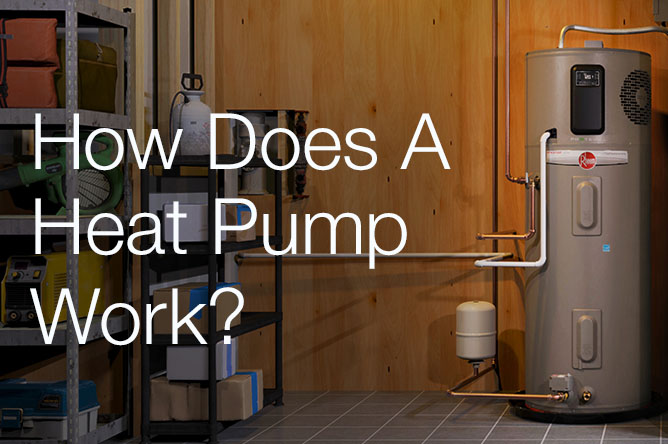
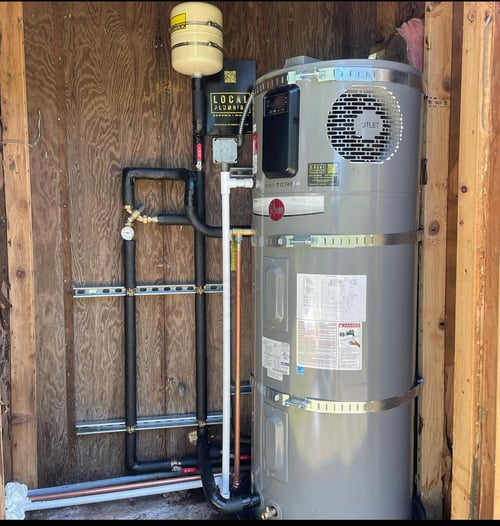
Most hybrid water heaters look similar to a tall, insulated tank with a unit at the top that draws in air. They are usually installed in basements, garages, or utility rooms where there is enough airflow.
Basic Operation
- Heat Pump Mode: The heat pump extracts heat from the surrounding air and transfers it to the water in the tank. This is highly efficient.
- Electric Resistance Mode: When hot water use is high or the room is too cold, standard electric elements heat the water directly, like a traditional electric heater.
- Hybrid/Auto Mode: The unit chooses the most efficient mode based on demand and temperature.
This Flexibility Is Why They Are Called “hybrid.”
How Much Hot Water Can A Hybrid Water Heater Provide?
The amount of hot water a hybrid water heater can supply depends on several factors:
- Tank Size: Most residential units have tanks from 50 to 80 gallons.
- Recovery Rate: This is how fast the heater can refill the tank with hot water after it’s used.
- Mode Setting: In heat pump mode, recovery is slower. In hybrid or electric mode, it is faster.
- Incoming Water Temperature: Colder water takes more time and energy to heat.
- Ambient Air Temperature: Heat pumps work best in warm spaces; cold air slows them down.
Let’s look at a typical example. A 50-gallon hybrid water heater can deliver about 65 to 80 gallons of hot water in the first hour (this is called First Hour Rating or FHR). That’s enough for:
- Two showers
- One dishwasher load
- A load of laundry
But if you use all this hot water at once, you must wait for the tank to refill and reheat, just like a standard tank system.
Credit: www.rheem.com
Do Hybrid Water Heaters Run Out Of Hot Water?
The short answer: Yes, hybrid water heaters can run out of hot water—just like any tank-style system. However, how quickly this happens and how long you wait for more hot water depends on the unique features of hybrid models.
Why Does This Happen?
- Limited Tank Size: Once all hot water in the tank is used, you must wait for it to refill and heat up.
- Slower Recovery in Heat Pump Mode: When running only on the heat pump, recovery can be slower than with gas or standard electric models.
- High Demand: Using multiple showers, faucets, and appliances at once can drain the tank quickly.
What Makes Hybrid Heaters Different?
Hybrid water heaters are more energy-efficient, but their heat pump mode is not as fast at reheating as gas or pure electric units. This means that during long showers or heavy use, the tank can empty, and you may experience a period of lukewarm or cold water until the system catches up.
However, most hybrids can switch to electric mode automatically to speed up recovery, which helps minimize waiting. Some models let you choose between efficiency and speed, but using electric mode more often increases energy use.
Comparing Hybrid Water Heaters To Other Types
It’s useful to see how hybrid water heaters stack up against other common systems in terms of hot water availability.
| Type | First Hour Rating (FHR) | Recovery Time (for 50 gallons) | Energy Efficiency |
|---|---|---|---|
| Hybrid (Heat Pump) | 65-80 gallons | 60-120 minutes (heat pump), 30-40 minutes (electric) | High |
| Gas Tank | 70-100 gallons | 20-40 minutes | Medium |
| Electric Tank | 55-70 gallons | 60-80 minutes | Medium |
| Tankless | Unlimited (as long as demand isn’t too high) | N/A (on demand) | High |
You can see that hybrids are better than standard electric heaters in energy use but may not match gas units or tankless systems for quick recovery.
Credit: www.quitcarbon.com
Factors That Affect Hot Water Supply
Several things can make your hybrid water heater run out of hot water faster or slower. Understanding these will help you avoid surprises.
1. Household Size And Usage Patterns
A bigger family or many people showering back-to-back can empty the tank quickly. If you have guests or kids who like long showers, you might notice the tank running out sooner.
2. Simultaneous Use
Running several hot water appliances (showers, dishwasher, washing machine) at the same time uses up hot water fast.
3. Ambient Temperature
Hybrid water heaters use heat from the air. If your unit is in a cold space (like a garage in winter), the heat pump is less effective, and the system switches to electric mode, which can be slower or more costly.
4. Mode Selection
If you set your heater to “Efficiency” or “Heat Pump” mode, recovery is slower but uses less electricity. “Hybrid” or “Electric” mode gives faster recovery but at a higher energy cost.
5. Tank Size
Choosing the right tank size is key. Too small, and you’ll run out often. Too large, and you’ll waste energy keeping extra water hot.
6. Maintenance And Age
Old or poorly maintained units can have sediment build-up, reducing the tank’s real capacity and efficiency.
7. Incoming Water Temperature
In very cold climates, incoming water is much colder in winter, which means it takes more time and energy to heat up.
How To Prevent Running Out Of Hot Water
While running out of hot water is possible with any tank system, you can take steps to reduce the chance of it happening in daily life.
1. Choose The Right Size
It’s important to size your water heater correctly for your home. A typical guide is:
- 1-2 people: 40-50 gallons
- 3-4 people: 50-65 gallons
- 5+ people: 66-80 gallons
If you have a high demand (large family, soaking tubs, frequent guests), go for the higher end.
2. Stagger Hot Water Use
Try not to run multiple hot water appliances at once. For example, wait 30-60 minutes between showers, or run the dishwasher at night.
3. Use Hybrid Or Electric Mode When Needed
Most hybrid water heaters let you pick the mode. If you have guests or expect high demand, switch to “Hybrid” or “Electric” mode for faster recovery.
4. Regular Maintenance
Flush the tank once a year to remove sediment. Clean or replace filters in the heat pump unit if your model has them. This keeps the heater working at its best.
5. Insulate Pipes
Insulating hot water pipes reduces heat loss, so you get hot water faster and waste less.
6. Adjust Temperature Setting
Most water heaters are set to 120°F (49°C). If you need more hot water, you can raise it to 130°F (54°C), but be careful—higher temperatures increase the risk of scalding and energy use.
7. Consider A Larger Or Second Unit
If your family grows or your needs change, you can upgrade to a larger tank or add a second unit (or a small tankless heater for high-demand spots).
Real-life Example: Family Of Four
Let’s see how this plays out in a real home. The Smith family has a 66-gallon hybrid water heater in their basement. In the morning, both parents shower, the kids take quick showers, and the dishwasher runs. If everyone showers back-to-back, the last person sometimes gets only warm (not hot) water.
But if they space showers 20-30 minutes apart, no one runs out.
On weekends, with laundry and extra guests, they switch the mode from “Efficiency” to “Hybrid” for faster recovery. Their energy bill is a bit higher those days, but they never run out of hot water.
Common Misconceptions About Hybrid Water Heaters
Many people have the wrong idea about hybrid water heaters, which can lead to frustration or poor choices.
“they Never Run Out Of Hot Water.”
All tank systems can run out if you use hot water faster than the system can recover. Hybrids are no exception.
“hybrid Means Always Fast Recovery.”
The “hybrid” in the name means it can use both heat pump and electric heat—not that it always recovers quickly. Recovery speed depends on the mode and conditions.
“they Only Work In Warm Climates.”
Hybrid water heaters are more efficient in warm spaces, but most can switch to electric mode in colder areas. You may lose some efficiency, but they still provide reliable hot water.
“tankless Is Always Better.”
Tankless water heaters offer endless hot water, but they have limits, too. If demand is too high (for example, three showers and a dishwasher at once), even a tankless system can struggle. Hybrids offer a balance of efficiency and capacity for many homes.
How Hybrid Water Heaters Handle High Demand
Hybrid systems are smart—they can sense when demand is high. Here’s what typically happens if you use a lot of hot water at once:
- Initial Draw: Hot water comes from the tank as usual.
- Heat Pump Kicks In: If demand stays high, the heat pump works at full speed.
- Electric Elements Activate: When the heat pump can’t keep up, electric elements turn on to help recover hot water faster.
- Return to Normal: When demand drops, the system returns to the most efficient mode.
This automatic switching is why most families can manage their hot water needs with hybrids, as long as the tank is sized right.
Comparing Hybrid Water Heater Modes
Understanding the available modes on your hybrid water heater helps you maximize both comfort and savings.
| Mode | How It Works | Recovery Speed | Energy Use |
|---|---|---|---|
| Efficiency/Heat Pump | Only uses heat pump | Slowest | Lowest |
| Hybrid/Auto | Uses heat pump first, adds electric as needed | Medium | Medium |
| Electric | Uses only electric elements | Fastest | Highest |
| Vacation | Keeps water just above freezing | Very slow (not for daily use) | Very low |
Switching modes for special occasions (like having guests) can help you avoid running out.
Cost And Energy Savings Vs. Running Out
One reason people love hybrid water heaters is energy savings. According to the U.S. Department of Energy, a typical household can save up to $300 a year compared to a standard electric water heater. But these savings depend on using the efficient heat pump mode as much as possible.
If you often switch to electric mode to avoid running out of hot water, your savings will decrease. This trade-off is important: choose the right tank size, and you won’t have to sacrifice comfort for efficiency.
Non-obvious tip: In some climates, energy companies offer rebates for using heat pump water heaters. Check with your local utility—this can help you offset the initial cost and make the upgrade more affordable.
Hybrid Water Heater Sizing: How To Get It Right
Many people make the mistake of buying the cheapest or smallest hybrid water heater, but this leads to frustration. Here’s how to size correctly:
- Count peak users: How many people might shower or use hot water at the same time?
- Add up appliances: Do you have a large soaking tub, or use multiple appliances together?
- Check the First Hour Rating (FHR): This is the best measure of how much hot water you’ll really get during your busiest hour.
A good rule: Always choose a model with an FHR 10-20% higher than your peak need. This gives you a safety margin for guests or unusual days.
Non-obvious insight: If you have a large whirlpool tub, you may need a larger tank than your household size suggests. One fill can use 60-80 gallons—nearly the full capacity of most residential hybrids.
Installation And Placement Matter
Where you put your hybrid water heater affects both performance and the chance of running out of hot water.
- Warm location is best: Basements, garages, or utility rooms that stay above 50°F (10°C) work well.
- Enough air flow: The unit needs space to “breathe”—at least 700 cubic feet of air for most models.
- Avoid tight closets: If the unit can’t draw enough air, the heat pump won’t work as well, and you may run out faster.
- Near points of use: The closer the heater is to bathrooms and kitchens, the less time you wait for hot water and the less water is wasted.
If you must install in a small space, some models allow ducting to bring in more air.
Upgrading Your Hybrid Water Heater For Bigger Families
If you find your hybrid heater running out often, here are ways to upgrade without replacing everything:
- Add a mixing valve: This lets you safely raise the tank temperature and blend in more cold water, increasing usable hot water.
- Install a second tank: For very large homes, a “tandem” setup with two heaters can double your supply.
- Add a point-of-use tankless heater: For a bathroom or kitchen far from the main heater, a small tankless unit can provide instant hot water and reduce demand on the main tank.
How Hybrid Water Heaters React To Power Outages
Hybrid water heaters need electricity for both the heat pump and the electric elements. During a power outage:
- You can use the hot water in the tank until it runs out, just like any electric tank heater.
- No new water will be heated until power returns.
- Recovery after an outage may be slower, especially if the water in the tank has cooled.
If you live in an area with frequent outages, this is something to consider. A gas water heater may be a better choice if you need hot water during blackouts.
Maintenance Tips For Reliable Hot Water
Regular maintenance helps you avoid running out of hot water or suffering from slow recovery.
- Flush the tank yearly: Sediment build-up reduces capacity and efficiency.
- Clean air filters: Many hybrid models have air filters that need cleaning every few months.
- Check the anode rod: Replace it every 3-5 years to prevent tank corrosion.
- Inspect for leaks: Small leaks can reduce pressure and supply.
- Test the temperature and pressure relief valve: This is a basic safety check.
Most manufacturers provide maintenance tips in their manuals. Follow them to maximize both efficiency and hot water supply.
Environmental Impact And Incentives
Hybrid water heaters are one of the most eco-friendly ways to heat water. They use less electricity, reduce greenhouse gas emissions, and often qualify for rebates or tax credits. The U.S. government and many states offer incentives to encourage switching to heat pump technology.
For the most current incentives, visit the Energy Star website.
Are Hybrid Water Heaters Right For You?
Not every home is the same. Consider a hybrid water heater if:
- You want to save money on energy bills.
- You have enough space and airflow for the unit.
- Your hot water demand matches the available tank sizes.
- You live in a mild or warm climate (best efficiency).
- You don’t mind a slightly slower recovery during extreme cold.
You may want to look at gas or tankless systems if:
- Your home has no space for a large tank.
- You experience frequent power outages.
- Your hot water demand is extremely high and constant.
Practical Tips For Everyday Use
- Learn your unit’s control panel: Most hybrids have a digital display where you can change modes and check status.
- Set a schedule: If your heater allows, program it to switch to “Hybrid” mode during peak times and “Efficiency” overnight.
- Don’t ignore alerts: Most units will notify you if they need maintenance or if there’s a problem.
- Keep the area clear: Give the unit plenty of space for airflow.
Frequently Asked Questions
Can A Hybrid Water Heater Provide Endless Hot Water Like A Tankless System?
No, hybrid water heaters store a set amount of hot water in a tank. When the tank is empty, you must wait for it to refill and heat. Tankless water heaters heat water as you use it, so they can provide endless hot water—but only up to their capacity, which can be limited if many fixtures are used at once.
How Long Does It Take For A Hybrid Water Heater To Recover After Running Out?
In heat pump mode, it can take 60-120 minutes to fully recover a 50-80 gallon tank. In hybrid or electric mode, recovery is faster—about 30-40 minutes for a standard-sized tank. The exact time depends on the model, mode, and incoming water temperature.
Is It Easy To Switch Modes On A Hybrid Water Heater?
Yes. Most modern hybrid water heaters have a control panel where you can change between efficiency, hybrid, and electric modes. Some even allow you to set schedules or vacation settings for convenience.
Does Cold Weather Affect Hybrid Water Heater Performance?
Yes, cold weather can reduce the efficiency and recovery speed of the heat pump. The system will switch to electric mode as needed, but this uses more energy. Placing the unit in a heated space or insulating pipes helps improve performance.
Are Hybrid Water Heaters Noisy?
Hybrid water heaters make some noise, especially when the heat pump compressor is running. It’s similar to a window air conditioner—noticeable but not usually loud enough to be a problem in most homes. Placing the unit away from bedrooms or living rooms helps minimize disturbance.
Making the right choice in water heating means understanding your home’s needs, how hybrid systems work, and what you can expect day to day. A properly sized, well-maintained hybrid water heater can deliver reliable hot water with big energy savings—without frequent cold showers.
If you plan ahead and use the smart features, you’ll rarely run out of hot water, and you’ll enjoy all the benefits this technology offers.

Credit: www.youtube.com