
A leaking gas water heater is a problem that you cannot ignore. When you notice water dripping from the drain valve, it can make you worry about safety and damage to your home. Many people face this issue and feel unsure about what to do next. Understanding why your gas water heater is leaking from the drain valve, how to fix it, and how to prevent it in the future is essential for every homeowner. This guide will explain everything you need to know, using clear language and practical advice.
Why The Drain Valve Matters
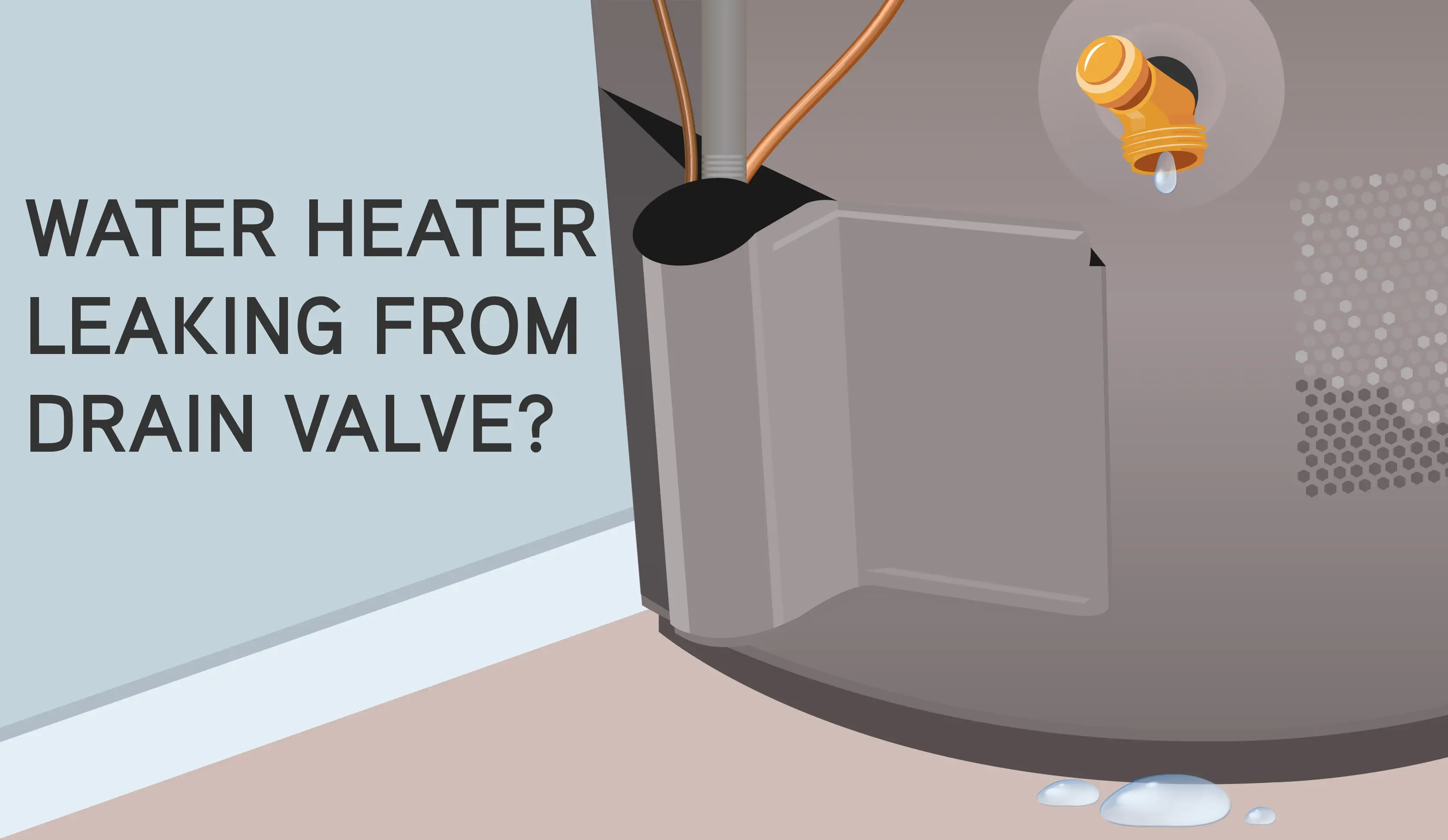
The drain valve at the bottom of your gas water heater is a small but important part. Its main job is to let you remove old water from the tank. Over time, minerals and sediment build up inside the tank. Draining the heater helps clear out these deposits, which keeps your heater running efficiently. But if the drain valve starts to leak, you may face water damage, higher bills, and even heater failure.
Not all leaks are the same. Sometimes, a small drip is a sign of a simple problem, but a steady stream can point to something more serious. Knowing how the drain valve works and why leaks happen will help you make better decisions.
Main Causes Of Drain Valve Leaks
Understanding the root causes of a leaking drain valve can help you solve the issue faster and prevent future problems. Here are the most common reasons:
1. Loose Or Faulty Valve
Over time, the drain valve may become loose due to regular use or vibrations. Sometimes, the valve is not closed tightly after draining. In other cases, the valve itself is faulty—made of cheap plastic or worn-out metal. Older heaters often have plastic valves that crack easily.
2. Sediment Build-up
Water heaters collect sediment over the years. If you don’t flush your tank regularly, mineral deposits can build up near the valve, causing it to clog, leak, or fail to seal properly. This is especially common in areas with hard water.
3. Worn Out Or Damaged Washer
Inside the valve, a rubber washer helps seal the connection. With age, this washer can crack or wear out, creating a path for water to leak.
4. Cross-threading Or Stripped Threads
If someone installed or replaced the valve carelessly, the threads might be cross-threaded or stripped. This prevents a tight seal and lets water escape.
5. High Tank Pressure
When the pressure inside the tank gets too high—often due to a faulty pressure relief valve—the drain valve may start to leak as a warning sign. This is a serious safety risk.
6. Freezing Temperatures
If you live in a cold climate, freezing can cause water left in the valve to expand, cracking the valve or its connections.
7. Corrosion
Years of exposure to water, minerals, and oxygen can cause corrosion around the valve. Once metal starts to rust, leaks are almost certain to follow.
8. Poor Quality Materials
Some heaters come with cheap plastic valves to cut costs. These are more likely to fail early compared to brass or metal valves.
How To Confirm The Leak Source
Before you fix anything, it’s important to confirm that the drain valve is actually the source of the leak. Sometimes, water from other parts can drip down and make it look like the valve is leaking. Here’s how to check:
- Dry the Area: Wipe the valve and surrounding area with a towel.
- Watch for Drips: Observe the valve for 5–10 minutes. If water appears, the leak is likely from the valve.
- Check Above the Valve: Look for water running down from pipes or fittings above.
- Inspect the Valve Threads: If water is coming from around the threads, the connection is probably loose or damaged.
A non-obvious tip: place a dry tissue or paper towel under the valve. Even a small leak will show up as a wet spot.
Types Of Drain Valves And Their Weak Points
Different heaters use different types of drain valves. Knowing which type you have helps you understand why it leaks.
| Type of Valve | Material | Common Problems | Typical Lifespan |
|---|---|---|---|
| Plastic Valve | Plastic | Cracking, easy to cross-thread | 3–6 years |
| Brass Valve | Brass/Metal | Corrosion, worn washer | 10+ years |
| Ball Valve | Brass/Steel | Stiff handle, sediment jam | 12+ years |
Plastic valves are common in budget heaters. They are prone to leaking and breaking. Brass valves last longer but can corrode if not maintained. Ball valves are tougher but can get stuck if not used for years.

Credit: www.youtube.com
Is It Safe To Use A Leaking Gas Water Heater?
A leaking water heater always carries risks, but a gas heater has extra safety concerns. Leaking water near gas lines or the burner can cause:
- Rust on gas connections, leading to dangerous gas leaks.
- Electrical shorts if water touches wires.
- Mold and mildew in your home.
- Possible tank failure if the leak is from internal corrosion.
If you smell gas or see water pooling around the base, turn off the heater and gas supply right away. Do not try to repair a major leak yourself.
How To Fix A Gas Water Heater Leaking From The Drain Valve
Fixing a leak depends on the exact cause. Some repairs are simple, while others need professional help. Here are the main steps:
Step 1: Turn Off Gas And Water Supply
Always start by turning off the gas supply at the shutoff valve and the cold water supply going into the heater. This keeps you safe and prevents more water from leaking.
Step 2: Test The Valve Tightness
Using a wrench or your hand, gently tighten the drain valve. Sometimes, a slight turn is enough to stop a slow leak. Don’t over-tighten—this can break plastic valves.
Step 3: Flush Out Sediment
Connect a garden hose to the valve and open it fully to flush out any sediment. Sediment can sometimes hold the valve open just enough to leak. Let the water run for 2–3 minutes.
Step 4: Replace The Washer
If tightening and flushing don’t work, the washer inside the valve may be worn. Some brass valves let you unscrew the cap and replace the washer. For plastic valves, replacement is usually the only option.
Step 5: Replace The Valve
If the leak continues, you’ll need to replace the whole valve. Here’s how:
- Drain the Heater: Attach a hose and drain the tank until water is below the valve level.
- Remove the Old Valve: Use a wrench to loosen and unscrew the valve.
- Clean the Threads: Remove old tape or debris from the threads.
- Install New Valve: Wrap plumber’s tape (Teflon tape) around the new valve’s threads. Screw it in and tighten gently.
- Refill and Check: Turn on the water, refill the tank, and check for leaks.
A non-obvious insight: Even if the valve seems to fit, always use new Teflon tape for a tight seal. Old tape can cause leaks.
Step 6: Upgrade To Brass Or Ball Valve
If you had a plastic valve, consider replacing it with a brass or ball valve. These types are stronger, last longer, and are less likely to leak.
Step 7: Test For Leaks
Refill the tank and turn on the water supply. Watch the valve for at least 5–10 minutes. If no water appears, you’ve fixed the problem.
When To Call A Professional
Some leak problems are best handled by a licensed plumber, especially if:
- The leak is large or the valve is stuck.
- The heater is old or showing signs of rust.
- There are signs of gas leaks (rotten egg smell).
- You are not comfortable working with gas appliances.
Professional plumbers have the right tools to handle tough repairs and can check for deeper issues like internal corrosion or pressure problems.
Tools And Materials Needed For Diy Repair
If you decide to fix the drain valve leak yourself, gather these tools:
- Adjustable wrench
- Plumber’s (Teflon) tape
- Replacement valve (preferably brass or ball type)
- Garden hose (for draining)
- Bucket and towels
- Flathead screwdriver (if needed for certain valves)
- Work gloves
- Flashlight
Having the right tools makes the job safer and faster.
Common Mistakes To Avoid
Many homeowners make simple mistakes when dealing with a leaking drain valve. Avoid these to save time and money:
- Over-tightening the valve: This can strip threads or crack plastic.
- Not shutting off gas/water: Always turn off both before working.
- Ignoring sediment: Not flushing the tank allows build-up and future leaks.
- Reusing old tape: Always use fresh plumber’s tape.
- Using cheap plastic replacements: These often leak again within a year.
- Forgetting to check for other leaks: Water can travel along pipes before dripping from the valve.
How To Prevent Drain Valve Leaks
You can extend the life of your water heater and prevent leaks by taking these steps:
Regular Flushing
Flush your water heater every 6–12 months to remove sediment. This reduces pressure on the valve and helps it seal properly.
Use High-quality Parts
Choose a brass or ball valve instead of plastic. These cost more but last much longer and rarely leak.
Insulate Pipes And Heater
In cold climates, use pipe insulation and heater blankets to prevent freezing, which can crack valves.
Check Water Pressure
High pressure can stress the whole system. Use a pressure gauge to check your home’s water pressure. Ideal range: 40–60 psi. Install a pressure-reducing valve if needed.
Test The Valve
Once or twice a year, open and close the drain valve to keep it from getting stuck.
Watch For Corrosion
Check the valve and heater base for rust or corrosion every few months. Early detection can prevent big leaks.
Cost Comparison: Repair Vs Replacement
Many people wonder if they should repair the drain valve or replace the whole heater. Here’s a quick comparison:
| Option | Average Cost (USD) | Lifespan Added | When to Choose |
|---|---|---|---|
| Replace Drain Valve | $15–$50 (DIY), $100–$200 (pro) | 3–10 years | Valve is leaking, heater is in good shape |
| Replace Water Heater | $800–$2,500 | 10–15 years | Heater is over 10 years old, multiple leaks, or rust |
If your heater is less than 8 years old and works well, replacing just the valve makes sense. For old, rusty, or frequently leaking heaters, replacement is usually smarter in the long run.
Signs It’s Time To Replace The Water Heater
Sometimes, fixing the valve isn’t enough. Watch for these signs that your gas water heater needs to be replaced:
- Age: Most gas heaters last 8–12 years.
- Rusty water: Brown or red water from the hot tap means internal rust.
- Multiple leaks: More than one leak means the tank is failing.
- Strange noises: Rumbling or banging from the tank is a sign of heavy sediment.
- High energy bills: Old heaters are less efficient.
Safety Tips When Working With Gas Appliances
Never forget that gas water heaters require extra care:
- Always turn off the gas supply before repairs.
- Wait for the tank to cool before touching any parts.
- Check for gas leaks (smell for rotten eggs).
- Never use open flames near the heater.
- If you’re unsure, call a licensed professional.
Real-life Example: Fixing A Leaking Drain Valve
Let’s look at a common situation. Jane noticed a small puddle under her 6-year-old gas water heater. She checked and found water dripping from the drain valve. Here’s what she did:
- Turned off the gas and water supply.
- Tightened the valve gently—leak continued.
- Connected a garden hose and flushed the tank—still leaking.
- Drained water below the valve, removed the old plastic valve, and replaced it with a brass valve using new Teflon tape.
- Turned everything back on, checked for leaks—problem solved.
Jane’s heater ran well for another 5 years with no leaks. She saved money by fixing it herself and avoided a major problem.
Why Some Leaks Return After Repairs
Sometimes, a leak comes back weeks or months after repair. Here’s why:
- Internal corrosion: If the tank is rusting inside, new valves won’t stop leaks for long.
- Improper installation: Cross-threading or not enough tape can cause new leaks.
- Water pressure problems: High pressure can force leaks even in new valves.
If you fix a leak and it returns quickly, get the heater checked by a pro.
Comparing Gas Vs Electric Water Heaters (leak Risk)
Some people wonder if electric water heaters have fewer valve leaks. Here’s a quick comparison:
| Heater Type | Drain Valve Leak Risk | Main Leak Causes | Average Lifespan |
|---|---|---|---|
| Gas | Medium | Sediment, corrosion, heat cycles | 8–12 years |
| Electric | Medium | Sediment, corrosion, pressure | 10–15 years |
Both types can develop drain valve leaks, mainly from sediment and corrosion. Gas heaters may leak sooner due to higher heat cycles.

Credit: diy.stackexchange.com
Choosing The Right Replacement Valve
If you need a new drain valve, choose wisely. Here are the main options:
- Brass valve: Best all-around choice, fits most heaters, resists corrosion.
- Ball valve: Strong and reliable, can handle high pressure, easy to open/close.
- Plastic valve: Cheap, easy to find, but not recommended for long life.
When buying, check the size (usually 3/4 inch NPT thread) and match the material to your heater’s body. Avoid mixing metals, which can increase corrosion.
Extra Tips For Long-lasting Drain Valves
- Open the valve every 6 months to prevent it from sticking shut.
- Install a valve cap for extra leak protection.
- Use a water alarm near the heater base for early leak detection.
- Add a drain pan under the heater to catch drips and prevent floor damage.
Credit: www.mrrooter.com
Frequently Asked Questions
What Should I Do First If My Gas Water Heater Is Leaking From The Drain Valve?
Turn off the gas and water supply right away. This stops further leaks and keeps you safe. Then, check if the leak is from a loose valve or if it needs repair.
Can I Use My Water Heater If The Drain Valve Is Dripping?
It’s best not to. Even a slow drip can lead to bigger leaks or water damage. A leaking valve can also mean more serious problems inside the tank.
How Much Does It Cost To Replace A Drain Valve?
DIY replacement usually costs $15–$50 for the part. A professional plumber may charge $100–$200, depending on your location and heater type.
Is It Better To Repair Or Replace My Water Heater If The Drain Valve Leaks?
If your heater is less than 8–10 years old and in good shape, replacing the valve is a smart choice. If the tank is rusting, leaking in multiple spots, or over 10 years old, replacement is usually better.
Where Can I Find More Information About Gas Water Heater Maintenance?
For detailed guidance, visit the U.S. Department of Energy’s Water Heating page, which offers expert tips on maintenance and efficiency.
Taking care of your gas water heater’s drain valve can save you from costly repairs and water damage. With the right information and a little effort, you can keep your home safe and your hot water flowing smoothly.