Does Turning Up Water Heater Make Hot Water Last Longer
Imagine you’re in the middle of a shower, enjoying the warm water—and suddenly, it turns cold. You might wonder, “What if I just turn up the water heater? Will hot water last longer? ” Many people believe that increasing the temperature on their water heater will let them enjoy more hot water.
But is that really true, or is it just a myth?
It’s a common question, especially in homes with busy families, multiple showers, or old water heaters. The answer isn’t as simple as “yes” or “no. ” There are important details about how water heaters work, what happens when you adjust the temperature, and even some risks you should know about.
This article digs deep into the real effects of turning up your water heater. You’ll learn how water heaters make and store hot water, what actually happens when you raise the temperature, and whether this change truly helps you get more hot water.
Along the way, you’ll discover practical tips for making your hot water last longer, and a few surprising facts that most people overlook.
Let’s find out if turning up the water heater is the key to longer hot showers—or if there are better solutions.
How Water Heaters Work
Before you can decide if turning up the water heater will help, it’s important to know how these devices operate. Most homes use one of two main types: tank water heaters and tankless water heaters.
Tank Water Heaters
A tank water heater heats a large amount of water and stores it in an insulated tank, typically ranging from 30 to 80 gallons. When you turn on a hot water tap, water flows out from the top of the tank, and cold water enters from the bottom to replace it. The heater then works to bring the cold water up to the set temperature.
The hot water in the tank is always ready to go, but once it’s used up, you’ll need to wait for new water to heat up. This “recovery time” depends on the size of the tank and the power of the heater.
Tankless Water Heaters
A tankless water heater heats water only when you need it. When you open a hot water tap, cold water flows through a heating element or burner, and hot water comes out the other side. There’s no storage tank, so hot water can, in theory, last forever—if the unit is sized correctly for your home’s needs.
However, tankless heaters have limits on how much hot water they can supply at one time. If too many taps or showers run at once, the water might not get hot enough.
Key Concepts: Recovery Rate And First Hour Rating
For tank water heaters, two important terms are:
- Recovery rate: How fast the heater can reheat water after use
- First hour rating: How much hot water the heater can supply in an hour, starting with a full tank
These numbers depend on the heater’s power (gas or electric), tank size, and the set temperature.
What Happens When You Turn Up The Water Heater
Many people think that increasing the temperature on their water heater will give them more hot water. This idea is partly correct, but there’s more to the story.
When you raise the temperature setting, the water inside the tank gets hotter. For example, if you change the dial from 120°F to 140°F, the water will come out much warmer.
Mixing Hot And Cold Water
Here’s where it gets interesting: When you use hot water, you usually mix it with cold water at the tap or shower to reach a comfortable temperature. If the hot water from the heater is hotter, you need to mix in more cold water to make it comfortable. This means each gallon of hot water stretches further, because you’re diluting it more with cold water.
In effect, you can get more usable hot water out of the same tank if the water is hotter, because you’re not using straight hot water—you’re mixing.
Example: How Much More Hot Water Do You Get?
Let’s say your shower uses water at 105°F. If your heater is set to 120°F, you won’t mix in as much cold water. If you set it to 140°F, you’ll mix in more cold water, using less hot water from the tank for the same shower temperature.
Here’s a simple comparison:
| Heater Temperature | Shower Temperature | Hot:Cold Water Ratio | Effective Hot Water from 50 gal Tank |
|---|---|---|---|
| 120°F | 105°F | 70% hot, 30% cold | ~35 gallons |
| 140°F | 105°F | 50% hot, 50% cold | ~50 gallons |
So, raising the temperature can make the hot water “last” longer, in the sense that you can take longer showers before the tank runs out.
Important: There’s No Actual Increase In Tank Capacity
You’re not making the tank bigger. You’re just using less hot water per minute because you’re mixing it with more cold water. The total amount of hot water stored is the same—but it’s hotter, so it goes further when mixed down to a safe, comfortable temperature.
The Risks Of Setting Your Water Heater Too High
While turning up the temperature can help hot water last longer, there are serious safety and energy concerns to consider.
Scalding Danger
Water above 120°F can cause scald burns in seconds, especially for children and the elderly. At 140°F, it can take just 2–3 seconds to cause a third-degree burn. Many experts, including the U.S. Consumer Product Safety Commission, recommend keeping water heaters at 120°F to prevent accidents.
Increased Energy Use
Heating water to a higher temperature uses more energy. According to the U. S. Department of Energy, setting your water heater to 140°F instead of 120°F can cost $36–$61 more per year for a typical household. If your tank is poorly insulated, you’ll lose even more heat.
More Mineral Buildup
Higher temperatures can cause more mineral scaling inside your tank, especially if you have hard water. This can reduce the life of the heater and lower efficiency.
Bacteria Concerns
On the other hand, some experts recommend 140°F to kill Legionella bacteria that can grow in warm water. If you have immune-compromised people in the home, this can be a real concern.
A Simple Solution: Mixing Valves
Some homes use a mixing valve at the heater. This device keeps the tank at a higher temperature (to prevent bacteria), but mixes in cold water before it reaches your taps, making scalds less likely.
Does Turning Up Water Heater Make Hot Water Last Longer?
Let’s answer the main question directly: Turning up the water heater does make hot water last longer, but only because you can mix in more cold water to reach the same comfortable temperature.
You do not get more hot water—just hotter water. But for showers, baths, or washing, this means you can stretch the tank’s supply further before it runs out.
When Does Turning Up The Heater Help?
- If you often run out of hot water: Turning up the temperature can help you get more mixed hot water per shower.
- If you have a small tank: This trick can help smaller tanks supply larger families.
- When guests visit: Temporarily turning up the temperature can help during busy times.
When It Doesn’t Help
- For tankless heaters: Turning up the temperature won’t increase how much hot water you get at once. You’ll still be limited by the heater’s flow rate.
- If your demand exceeds tank size: If your household uses much more hot water than the tank can store, turning up the temperature may not make a big difference.

Credit: www.ncwaterheaters.com
How To Safely Adjust Your Water Heater
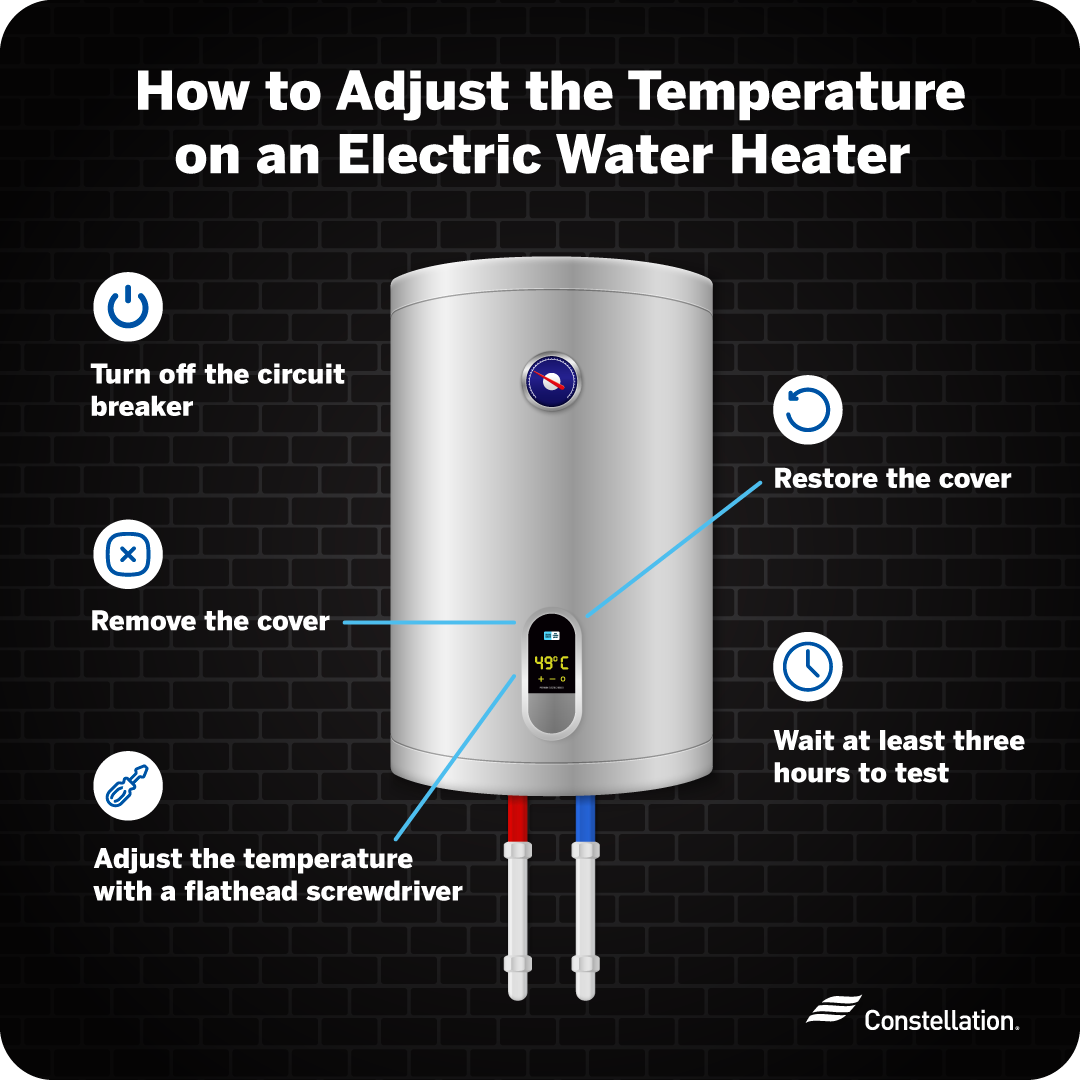
If you decide to turn up your water heater, do it safely. Follow these steps:
- Check the current setting. Most water heaters have a dial or digital display near the bottom.
- Turn off the power. For electric heaters, switch off the circuit breaker before adjusting.
- Adjust the temperature. Use a flat screwdriver or dial to set the new temperature. Most dials show numbers in degrees Fahrenheit.
- Wait a few hours. Let the tank heat up to the new setting.
- Test your taps. Run hot water for a minute, then check the temperature with a thermometer.
- Warn your household. Tell everyone that hot water will be hotter, and to be careful.
Pro Tip: Use A Mixing Valve
If you need high temperatures for safety, consider installing a thermostatic mixing valve. This device automatically mixes in cold water, lowering the scald risk at your taps.
Other Ways To Make Hot Water Last Longer
Turning up the heater isn’t the only way to get more hot water. In many cases, you can make your supply last longer with these strategies.
1. Install Low-flow Fixtures
Low-flow showerheads and faucets reduce how much water you use per minute. Less water means you use less hot water, stretching your tank further.
For example, a standard showerhead might use 2. 5 gallons per minute, while a low-flow model uses 1. 5 gallons per minute. Over a 10-minute shower, that’s 25 gallons vs. 15 gallons.
2. Insulate Your Water Heater And Pipes
Adding insulation jackets to your tank and pipes helps prevent heat loss. Water stays hot longer, so the heater doesn’t need to work as hard. This also means you get hot water faster when you turn on the tap.
3. Stagger Showers And Laundry
If everyone showers at once, you’ll run out of hot water quickly. Spacing out showers, laundry, and dishwashing gives the heater time to recover.
4. Upgrade To A Larger Tank
If your family has grown or your needs have changed, consider a larger water heater. A 50-gallon tank can handle most small households, but a 75-gallon or 80-gallon tank may be better for bigger families.
5. Try A Tankless Water Heater
A tankless water heater provides endless hot water—as long as you don’t exceed its flow capacity. They’re more efficient but may cost more to install.
6. Fix Leaky Faucets
A dripping hot water faucet can waste gallons per day. Repair leaks to make the most of your hot water.
7. Use A Hot Water Recirculation System
These systems keep hot water moving through your pipes, so you get hot water instantly at every tap. This can reduce waste and make hot water more available.
8. Change Shower Habits
Shorter showers and lower temperatures can make your hot water last much longer. Teaching kids to use less hot water helps, too.
Credit: www.constellationhome.com
Real-world Example: How Much Difference Does Temperature Make?
Let’s say you have a 40-gallon tank, set at 120°F. A typical shower uses about 2 gallons of hot water per minute, mixed with cold to reach 105°F.
If you turn up the heater to 140°F, you’ll use less hot water per minute, because you’re mixing in more cold.
Here’s another way to see it:
| Heater Temp | Shower Temp | Hot Used per Minute | Approx. Shower Time Before Running Out |
|---|---|---|---|
| 120°F | 105°F | 1.4 gal | 28 min |
| 140°F | 105°F | 1.0 gal | 40 min |
Turning up the heater adds about 12 minutes of hot shower time for the same tank, just by mixing with more cold water.
Common Myths And Misunderstandings
Let’s clear up a few myths about water heaters and hot water supply.
“turning Up The Heater Makes More Hot Water”
It makes the existing hot water go further, but does not increase the actual tank size.
“it’s Safe To Set The Heater At Any Temperature”
Scalding is a real risk at temperatures above 120°F. Always be careful, especially with children.
“higher Temperature Means Higher Pressure”
Raising the temperature does not increase water pressure. If you have low pressure, the problem is elsewhere.
“tankless Heaters Never Run Out Of Hot Water”
Tankless heaters can run out of hot water if you use more than their maximum flow rate at once.
When To Consider Professional Help
Sometimes, running out of hot water signals a bigger problem. Call a plumber if:
- Your water heater is old (over 10 years)
- Water gets cold quickly, even at high settings
- There are leaks, strange noises, or rust-colored water
A professional can check for sediment buildup, faulty elements, or thermostat issues.
Energy And Cost Considerations
Turning up your water heater increases energy use. Here’s what to keep in mind:
- Every 10°F increase in temperature can add 3–5% to your energy bill.
- Insulating your tank and pipes can save up to 16% in water heating costs.
- Setting the heater to 120°F is the most energy-efficient for most homes.
For more on energy savings, check out the advice from the U.S. Department of Energy.

Credit: www.reddit.com
Hot Water Heater Sizing And Family Needs
Having enough hot water depends on tank size, usage habits, and heater power. Here’s a general guide:
| Number of People | Recommended Tank Size |
|---|---|
| 1–2 | 30–40 gallons |
| 3–4 | 40–50 gallons |
| 5+ | 50–80 gallons |
If your family often runs out of hot water, consider upgrading your tank or adjusting usage patterns.
Non-obvious Insights For Beginners
- Mixing valves can let you keep your heater at a bacteria-killing 140°F while sending safe 120°F water to your taps. Many people don’t know this simple device can help prevent both scalding and bacteria risk.
- Sediment buildup reduces hot water supply. Over years, minerals settle at the bottom of the tank, making the heater less efficient and shrinking the amount of usable hot water. Flushing the tank yearly can help.
Frequently Asked Questions
Why Does My Hot Water Run Out So Fast, Even After Turning Up The Heater?
If you run out of hot water quickly, it could be due to sediment buildup in the tank, a broken heating element (for electric models), or a tank that’s too small for your needs. Turning up the heat can help a little, but it’s not a fix for mechanical issues or undersized tanks.
Is 140°f Too Hot For A Water Heater?
For most homes, 120°F is the safest setting. 140°F can cause burns in seconds, especially for children and seniors. Only consider 140°F if you use a mixing valve or have specific bacteria concerns.
Will Turning Up My Tankless Water Heater Make Hot Water Last Longer?
No. Tankless heaters provide hot water on demand, but raising the temperature does not increase their flow capacity. You’ll just get hotter water, but not more of it.
Does Setting A Water Heater Higher Waste Energy?
Yes. Higher temperatures mean higher energy bills and more heat lost from the tank to the air. Insulate your tank and pipes for better efficiency, and only set the temperature as high as you need.
How Can I Make My Hot Water Last Longer Without Changing The Temperature?
Try low-flow fixtures, insulate your tank, fix leaks, and stagger showers and laundry. These steps stretch your supply without risking scalds or higher bills.
Hot water is something we all rely on, but the way your water heater works is more complicated than it seems. Turning up the temperature can help you get more hot showers, but it’s important to balance comfort, safety, and energy use.
For most families, a smart mix of temperature control, insulation, and good habits is the best way to enjoy reliable hot water all year round.