
Can I Put A Commercial Water Heater In My House
Most homeowners want hot water that never runs out. Maybe you have a big family, a large soaking tub, or just want long showers without worrying. This leads some people to ask: Can I put a commercial water heater in my house? The idea sounds simple—bigger heater, more hot water. But the answer is more complex. Before you decide, you need to understand safety, efficiency, legal rules, and if it’s even a smart choice for your home.
This guide explains everything you need to know. You’ll discover what makes commercial water heaters different, the benefits and risks, costs, installation realities, and key facts most homeowners miss. If you want to avoid expensive mistakes and make the right choice, keep reading.
What Is A Commercial Water Heater?
A commercial water heater is a device designed to supply hot water for businesses, schools, hotels, restaurants, and other places where demand is much higher than a typical house. These units are bigger, more powerful, and built to run for longer periods.
There are two main types:
- Storage tank: Holds a large volume of hot water, ready to use.
- Tankless: Heats water as it flows through the pipes, without storing it.
Commercial models can have tanks from 80 to over 500 gallons and produce hot water much faster than standard residential heaters. Some tankless commercial units deliver over 10 gallons per minute (GPM), which is enough for many showers and sinks at once.
The main difference from residential water heaters is size, speed, and strength. Commercial units often use higher gas or electric power, heavier-duty materials, and special controls.
Why Consider A Commercial Water Heater At Home?
There are several reasons why homeowners think about using a commercial water heater:
- Large families: More people mean more showers, laundry, and dishes.
- Luxury bathrooms: Big tubs, body jets, and rain showers need lots of hot water.
- High demand: Running several appliances at once can strain normal heaters.
- Special needs: Maybe you host events, rent part of your home, or have unique hot water needs.
The idea is that a commercial unit gives you plenty of hot water, so you never run out.
How Do Commercial And Residential Water Heaters Compare?
It helps to see the differences side-by-side. Here’s a comparison:
| Feature | Residential Water Heater | Commercial Water Heater |
|---|---|---|
| Tank Size | 20–80 gallons | 80–500+ gallons |
| Heating Power | 20,000–75,000 BTU/hr | 75,000–1,000,000+ BTU/hr |
| Flow Rate (Tankless) | 4–8 GPM | 10–20+ GPM |
| Intended Use | Homes (1–6 people) | Businesses, hotels, large buildings |
| Weight | 100–250 lbs | 200–2,000+ lbs |
| Typical Cost | $500–$2,500 | $3,000–$20,000+ |
| Installation Complexity | Simple to moderate | Complex, may need special permits |
Key insight: Size and power are not the only differences. Commercial units often need special wiring, gas lines, and venting that homes don’t have.
Can You Legally Install A Commercial Water Heater In A House?
This Is One Of The Biggest Questions—is It Even Legal?
Building codes and local laws control what type of water heater you can use at home. Here’s what matters:
- Certification: Most areas require water heaters in homes to be UL-listed or approved for residential use.
- Safety codes: Some commercial units do not meet residential safety standards.
- Permits: Installing a commercial heater at home usually needs a permit and inspection.
- Insurance: Using a non-approved heater can void your home insurance.
Some commercial models are “dual-rated” for both home and business. But most are not. Always check with your local building department before buying. Many cities or counties will not allow a commercial-only heater in a home, especially if it was not tested for residential safety.
Non-obvious insight: Even if a plumber agrees to install a commercial unit, you could have problems later if it’s not up to code—especially if you sell your home or have an insurance claim.
What Are The Benefits Of A Commercial Water Heater At Home?
People want commercial units for a reason. Here are the main benefits:
1. Massive Hot Water Supply
You get more hot water, faster. A large tank or high-flow tankless unit can handle many showers and appliances at once.
2. Faster Recovery Rate
Commercial heaters refill and heat water quickly. Even if you use a lot, you don’t have to wait long for more hot water.
3. Durable Construction
These units are built tough to run all day. Some last longer under heavy use than residential heaters.
4. Advanced Features
Many commercial models have better controls, monitoring, and safety systems—like digital temperature settings and alarms.
5. Flexibility For Special Uses
If you have unique needs—like a home business, guest suites, or a salon—commercial units can keep up where residential ones fall short.
What Are The Downsides Or Risks?
Before you get excited, know the risks:
1. High Cost
Commercial water heaters cost much more to buy and install. Expect to pay several times more than a residential unit.
2. Energy Use
These models use a lot of gas or electricity. Your utility bills can jump, sometimes by hundreds of dollars per year.
3. Installation Challenges
Often, your home’s wiring, gas lines, or venting are not big enough. Upgrading them can cost thousands more.
4. Space Issues
Commercial units are large and heavy. You may need to change your basement or utility room to fit them.
5. Noise
Some commercial heaters are much louder than residential ones. The sound of burners or pumps can bother you.
6. Safety Concerns
Commercial units can produce hotter water faster. This raises the risk of scalding if not properly set.
7. Potential Code Violations
As explained earlier, using a commercial-only heater may break building codes or insurance rules.
Hidden risk: If your water system is not designed for high flow, you could cause leaks or pipe bursts.
What Kind Of Homes Might Benefit?
Not every home needs—or can use—a commercial water heater. It makes sense in these situations:
- Large homes with 3+ bathrooms
- High-end homes with luxury tubs or multiple body showers
- Multi-family houses or duplexes
- Homes with a home-based daycare or salon
- Vacation homes with many guests at once
But for most normal-size homes, a high-efficiency residential model or a couple of tankless heaters may work better.
What About Hybrid Or High-capacity Residential Water Heaters?
Many people don’t realize: there are special residential water heaters designed for heavy use. These “hybrid” or “high-capacity” models bridge the gap.
Some examples:
- Residential tank heaters up to 100 gallons
- High-output tankless heaters (up to 11 GPM)
- Heat pump water heaters for efficiency and large tanks
- “Light commercial” models with residential safety features
These often cost less, are easier to install, and meet residential codes. For most families, they solve hot water problems without the risks of true commercial units.
How Does Installation Differ?
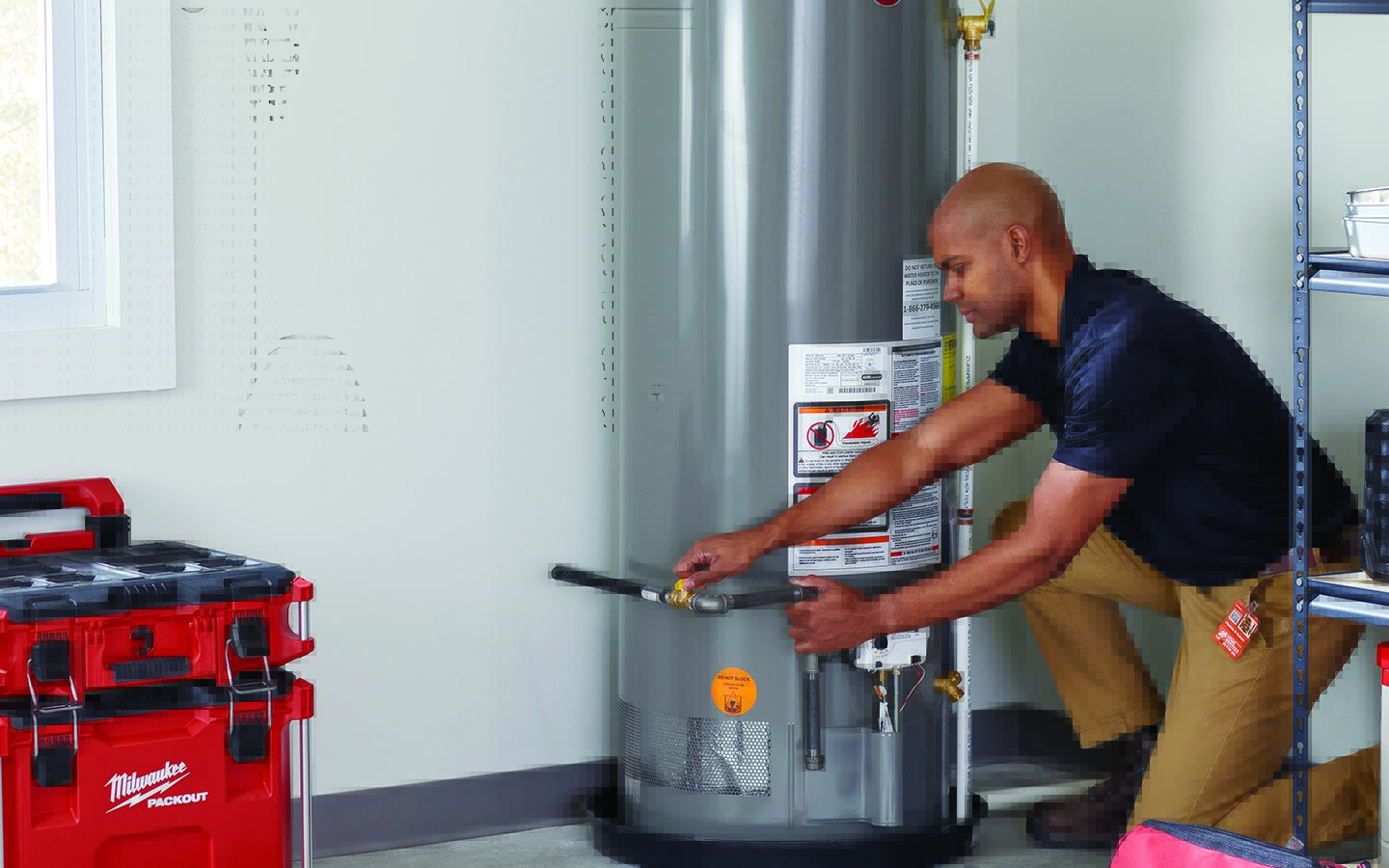
Installing a commercial water heater at home is not like replacing a normal tank. Here’s what changes:
Power Source
- Gas: May need a larger gas line. Standard ½” lines may not be enough.
- Electric: Could require 240V wiring and a bigger breaker.
Venting
- Gas units need larger or special vent pipes. Sometimes, new holes in walls or roofs.
- Tankless units may need complex direct-vent setups.
Floor Support
Commercial units are heavy. Floors may need extra support, especially with 200+ gallon tanks.
Water Supply Lines
Pipes to and from the heater must be big enough to handle flow. Old pipes can limit performance or cause leaks.
Permits And Inspections
You nearly always need a permit. An inspector will check code compliance, safety, and labeling.
Non-obvious issue: If you skip permits, you risk fines, forced removal, or problems when selling your home.
Real-world Example: Large Family With Frequent Guests
Imagine a six-bedroom home with four bathrooms and a big soaking tub. The family often has guests. Their 50-gallon residential tank can’t keep up. They consider a 200-gallon commercial heater.
After consulting with a plumber and the city, they discover:
- Their gas line is too small and needs to be replaced ($3,000).
- The water heater is too large for the utility room, so they must build a new space ($2,500).
- Their insurance company requires a unit listed for residential use.
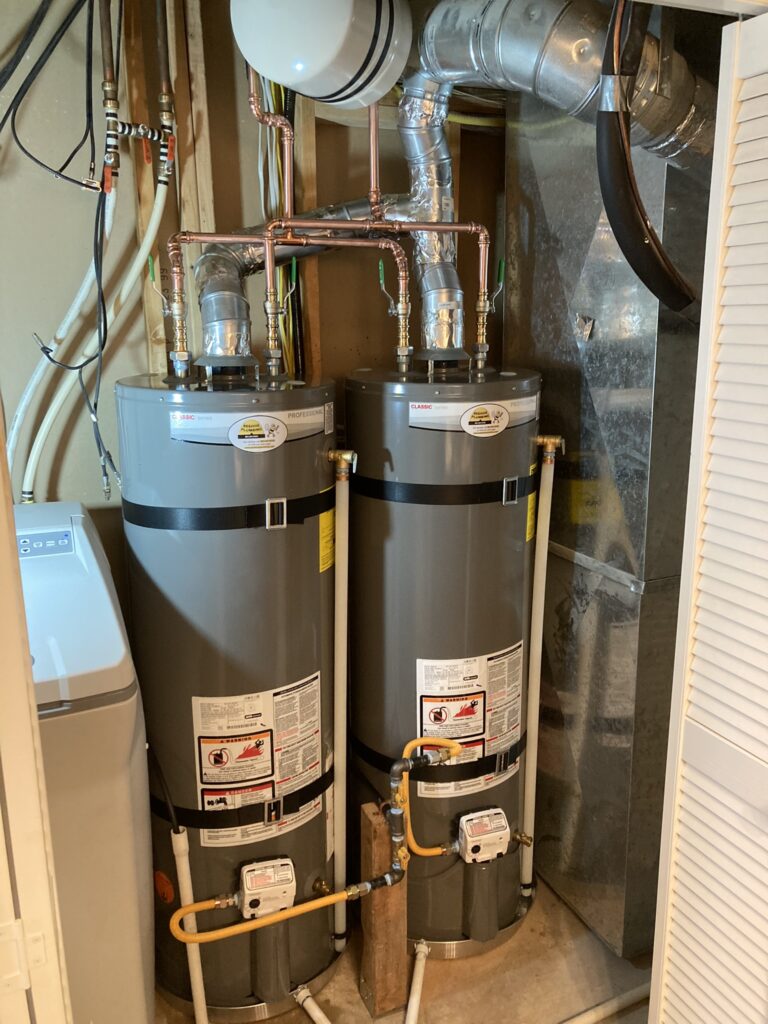
Instead, they install two 75-gallon residential tanks in parallel. It’s cheaper, uses standard parts, and meets code.
Takeaway: There are often better ways to get more hot water without the cost and risk of a full commercial unit.
Energy Efficiency And Operating Costs
Commercial water heaters can be less efficient in homes. Here’s why:
- Heat loss: Bigger tanks lose more heat, especially if not used all day.
- Oversizing: If you don’t use all the hot water, you pay to heat water you don’t need.
- Standby losses: Large heaters keep water hot 24/7, wasting energy.
A high-efficiency residential heater or multiple smaller units can save hundreds per year.
Let’s compare yearly energy costs:
| Heater Type | Typical Usage (per year) | Estimated Energy Cost |
|---|---|---|
| 50-gallon residential gas | 3–4 people | $250–$400 |
| 100-gallon commercial gas | 6–8 people | $700–$1,200 |
| High-efficiency tankless (2 units) | 6–8 people | $400–$700 |
As you see, commercial units cost much more to run unless you really need all that hot water.
Safety Concerns: What Homeowners Overlook
Safety is not just about hot water burns. Here’s what many people miss:
- Carbon monoxide: Bigger gas units can create more fumes. Poor venting can be deadly.
- Pressure relief: Large tanks store much more energy. A failed valve can cause dangerous explosions.
- Water leaks: A 200-gallon tank can flood a basement quickly if it bursts.
- Scalding: Commercial units can heat water to 180°F. Residential units are usually limited to 120°F for safety.
You must add mixing valves and extra safety controls if you use a high-power heater at home.
Plumbing And Electrical Upgrades: Hidden Costs
Most homes are not ready for commercial heaters. Here’s what you may need:
- Larger gas or electric lines
- Upgraded circuit breakers
- New venting
- Stronger floor support
- Bigger water pipes
These upgrades can cost as much (or more) as the heater itself. Many homeowners are surprised by these hidden expenses.
Practical tip: Always get a full quote for all work—not just the heater price—before deciding.
Warranty And Service Issues
Commercial water heaters have different warranties. Often:
- Shorter warranty: Sometimes only 1–3 years, compared to 6–12 years for residential units.
- Limited service: Homeowners may have to pay more for repairs, or use special service techs.
Some manufacturers will not honor the warranty if a commercial unit is installed in a home. Always check the fine print.
)
Credit: www.homedepot.com
Resale Value And Home Inspection Risks
If you install a commercial water heater, you may face issues later:
- Home inspectors may flag it as a code violation.
- Buyers may be nervous about insurance or safety.
- Lenders may require removal before approving a mortgage.
If you plan to sell your home, a non-standard water heater can cause delays or extra costs.
Alternatives To Commercial Water Heaters For Homes
There are many ways to get more hot water without the risks:
1. Multiple Residential Tanks
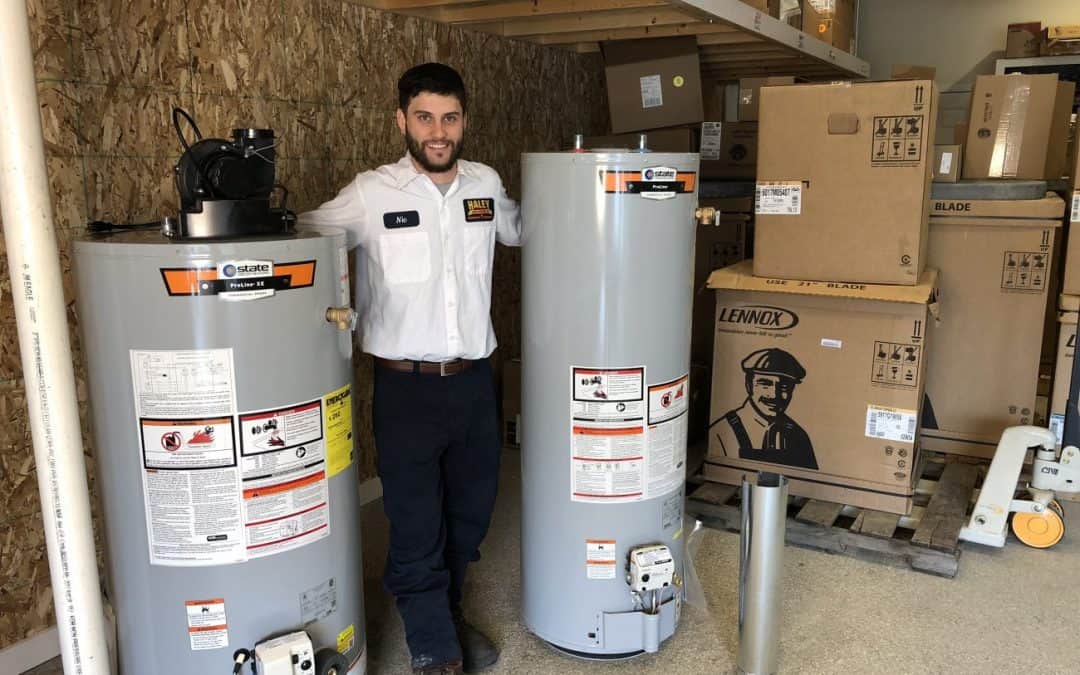
You can install two or more standard tanks in parallel. This increases supply and speed.
2. High-output Tankless Heaters
Modern tankless units deliver 9–11 GPM each. Two units can handle a large family.
3. Hybrid Heat Pump Water Heaters
These use less energy and come in large sizes (up to 80 gallons). Good for high-demand homes.
4. On-demand Recirculation Systems
These move hot water quickly to distant taps, reducing wait times and waste.
5. “light Commercial” Models
Some units are designed for both home and light business use, meeting all safety codes.
Credit: haleymechanical.com
Key Questions To Ask Before Deciding
If you’re still considering a commercial heater, ask:
- Does my city allow commercial water heaters in homes?
- Will my insurance cover it?
- Can my home’s gas or electric system handle it?
- Do I need all that hot water, or are there better options?
- Have I gotten quotes for all needed upgrades?
- Will this affect my home’s resale value?
If the answer to any is no or “I’m not sure,” pause before moving forward.
How To Get Enough Hot Water—without Breaking The Rules
For most families, the best solution is a high-capacity residential water heater, or two smaller units working together. Here’s a simple plan:
- Calculate your real hot water needs: How many gallons per hour do you use at peak times?
- Compare high-capacity residential options first.
- Talk to a licensed plumber familiar with both home and commercial systems.
- Check local codes and get written approval before buying anything unusual.
- Ask your insurance company if they will cover a commercial heater.
Pro tip: A qualified plumber can design a setup with multiple tanks, tankless units, or recirculation systems that meets your needs—without the cost or risks of a commercial-only heater.
Credit: www.beehiveplumbing.com
When Is A Commercial Water Heater The Right Choice?
There are rare cases where a commercial water heater is the best choice for a home, such as:
- Very large custom homes (8+ bathrooms)
- Homes with indoor pools or spas
- Multi-unit buildings or live/work spaces
- Homes with legal, code-approved commercial kitchens
Even then, you must work with engineers, get permits, and follow strict safety rules.
Legal And Insurance Issues: What To Watch Out For
Many homeowners don’t realize the legal risks:
- If a commercial heater causes a fire or flood, insurance may refuse to pay.
- Unpermitted work can lead to big fines.
- Illegal installations can block home sales or refinancing.
- You may be forced to remove the unit at your own cost.
Always keep records of permits, inspections, and approvals.
For more details on water heater safety codes, see the US Department of Energy.
Case Study: When A Commercial Heater Made Sense
A homeowner built a 10,000-square-foot house with 8 bathrooms, a pool, and a home-based daycare. Their plumber and architect worked together to design a system with two commercial-grade heaters, special mixing valves, and all required upgrades. They got all permits, followed every code, and their insurance company approved the plan.
It was expensive, but they have endless hot water for dozens of people. For this unique case, a commercial system made sense.
Summary Table: Is A Commercial Water Heater Right For You?
Here’s a quick overview:
| Situation | Commercial Heater | Better Option |
|---|---|---|
| Normal family home | No | High-capacity residential or tankless |
| Home with 3+ bathrooms | Maybe (if code allows) | Multiple residential units |
| Luxury home with spa/big tub | Possible, but check codes | Light commercial or hybrid |
| Multi-family or home business | Sometimes | Custom system |
| Code and insurance approved | Yes, with professional help | — |
Final Thoughts
Putting a commercial water heater in your house sounds like a simple way to get endless hot water. But in reality, it’s rarely the best solution for most homes. The cost, code challenges, and safety risks are bigger than most people expect. For nearly all families, a high-capacity residential heater, or multiple smaller units, will do the job safely and efficiently.
Before you buy, talk to a licensed plumber and your city’s building department. Make sure you understand the full cost, legal rules, and possible risks. If you really need commercial-level hot water, plan carefully, get all permits, and never skip safety steps.
The goal is not just more hot water—it’s a safe, legal, and reliable home for you and your family.
Frequently Asked Questions
Can I Legally Install A Commercial Water Heater In My House?
It depends on your local building codes and safety regulations. Many places do not allow commercial-only heaters in homes unless they are certified for residential use. Always check with your city’s building department and get required permits before installing.
Will My Home Insurance Cover Damage From A Commercial Water Heater?
Usually, insurance will only cover approved, permitted appliances. If you install a commercial heater without proper permits or approval, your insurance may not pay for damage from leaks, fires, or explosions.
Are Commercial Water Heaters More Efficient Than Residential Ones?
Not always. While they heat water faster, they often use more energy and can be less efficient if your home doesn’t use a lot of hot water. Oversizing leads to higher utility bills due to standby heat loss.
What Are Better Alternatives To A Commercial Water Heater For Homes?
Most families can solve hot water issues with high-capacity residential tanks, multiple tankless units, hybrid heat pump heaters, or recirculation systems. These options are safer, cheaper, and meet code.
What Should I Do If I Already Have A Commercial Water Heater At Home?
Contact a licensed plumber and your local building department. Make sure the unit is installed to code, has required safety features, and is covered by your insurance. If not, consider replacing it with a certified residential model to avoid risks.