
Are you worried about staying warm without risking your safety? When it comes to heating your home, the last thing you want is a device that could cause harm.
Oil heaters are popular for their cozy warmth, but you might wonder—are oil heaters safe to use around your family and pets? You’ll discover the truth about how oil heaters work, the safety features they offer, and simple steps you can take to keep your home secure.
By the end, you’ll feel confident making the best choice for your comfort and peace of mind. Keep reading to protect what matters most while staying warm this season.
How Oil Heaters Work
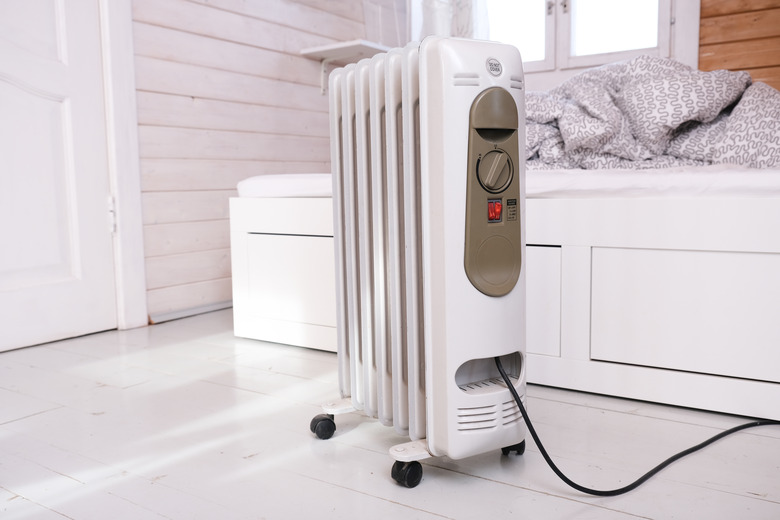
Understanding how oil heaters work helps to see why they are safe and efficient. These heaters use oil as a heat reservoir. The oil warms up slowly and stays hot for a long time. This creates steady and gentle heat in your room.
Basic Mechanism
Oil heaters have a metal container filled with special oil. An electric element inside the heater heats the oil. The oil does not burn or get used up. It only gets hot and transfers heat to the metal body. The metal then warms the air around the heater. This process keeps the room warm without drying the air.
Types Of Oil Heaters
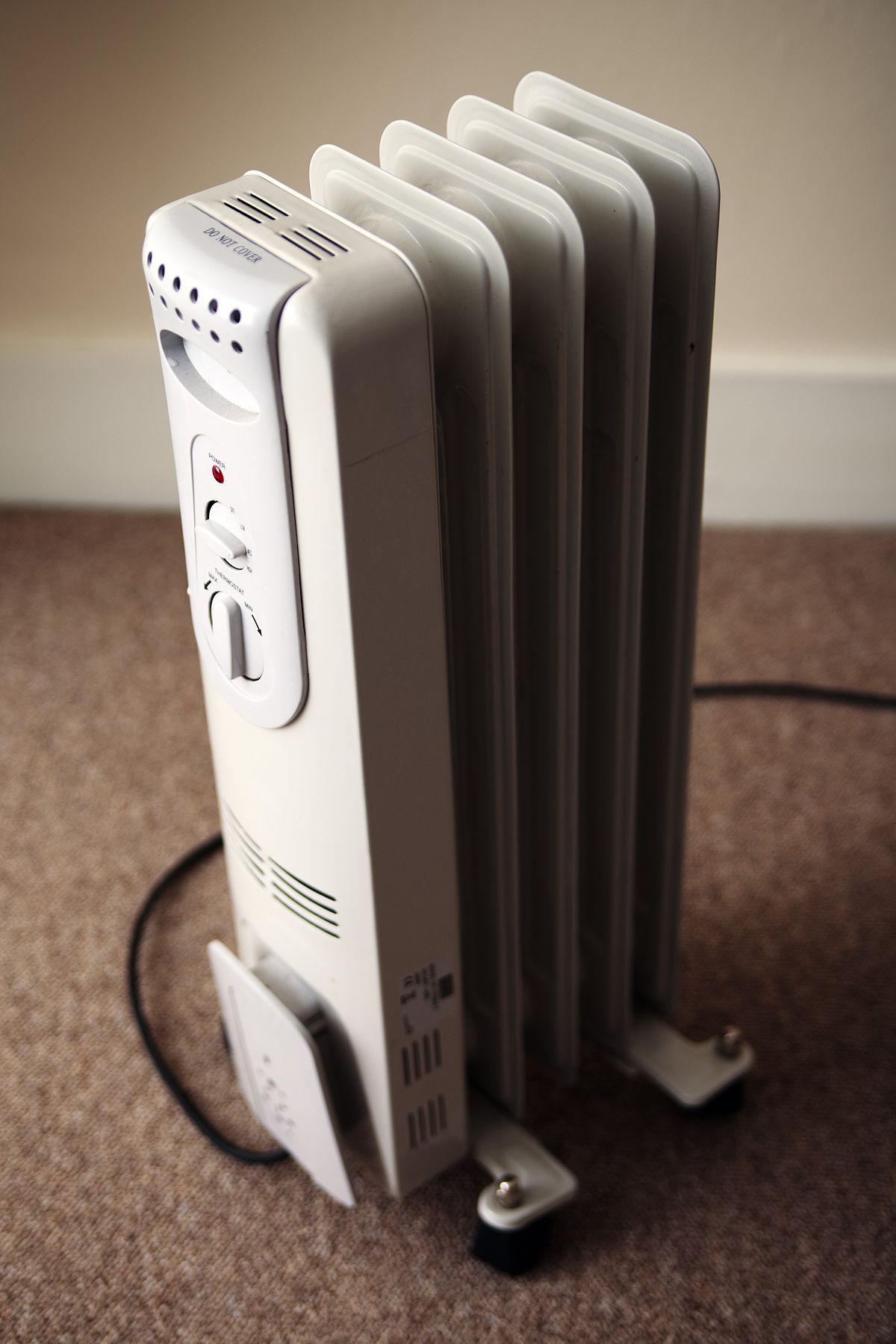
There are different types of oil heaters for different needs. Some have fins or columns that increase the surface area. This helps spread heat better and faster. Others come with fans to push warm air around the room. Portable oil heaters are easy to move from one room to another. Wall-mounted models save space and work well in small areas.
Safety Features In Modern Oil Heaters
Modern oil heaters come with many safety features. These features protect users and their homes. They help prevent accidents and damage. Knowing these features can ease concerns about using oil heaters.
Overheat Protection
Overheat protection stops the heater if it gets too hot. This feature prevents fires and damage. It helps the heater work safely for long hours. Overheat protection is a must-have for any oil heater.
Tip-over Switches
Tip-over switches turn off the heater if it falls. This prevents fires caused by knocked-over heaters. The switch reacts quickly to avoid danger. It is especially useful in homes with pets or children.
Automatic Shutoff
Automatic shutoff turns off the heater after a set time. It saves energy and prevents overheating. This feature adds peace of mind for users. You do not need to worry about forgetting to turn it off.
Common Safety Concerns
Oil heaters are popular for keeping rooms warm. Many people wonder about their safety. It is important to know the common safety concerns. Understanding these risks helps you use oil heaters safely. This section covers key safety issues to watch out for.
Fire Hazards
Oil heaters get very hot during use. This heat can cause nearby objects to catch fire. Keep flammable items like curtains and papers far from the heater. Never place clothes or blankets on the heater. Always use the heater on a flat, stable surface. Turn off the heater when not in use. Regularly check for damaged cords or plugs that can spark fires.
Carbon Monoxide Risks
Oil heaters burn fuel to create heat. This process can produce carbon monoxide, a dangerous gas. Most modern oil heaters have safety features to reduce this risk. Proper ventilation is crucial to avoid gas buildup. Never use oil heaters in closed rooms without fresh air. Install carbon monoxide detectors in rooms where heaters operate. They alert you to unsafe gas levels early.
Oil Leaks And Spills
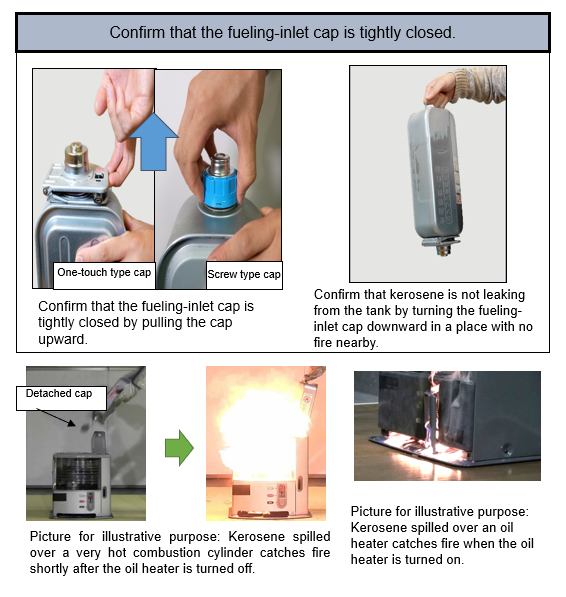
Oil heaters use liquid fuel stored inside them. Leaks or spills can happen if the heater is damaged or poorly maintained. Spilled oil is slippery and can cause accidents. It also creates a fire risk. Check your heater regularly for cracks or leaks. Clean spills immediately with absorbent materials. Store oil and heaters away from children and pets.
Safe Usage Tips
Using oil heaters safely is very important to avoid accidents and keep your home warm. Follow simple rules to use your heater the right way. These tips help you stay safe and enjoy warmth without worry.
Proper Placement
Place your oil heater on a flat, stable surface. Keep it away from curtains, furniture, and paper. Stay at least three feet away from anything that can catch fire. Avoid placing the heater near water or damp areas. This reduces the risk of electric shock and fire.
Regular Maintenance
Clean the heater often to remove dust and dirt. Check the power cord for any damage before use. Replace worn or frayed cords immediately. Follow the manufacturer’s instructions for oil refills and servicing. Regular care keeps the heater working safely and efficiently.
Ventilation Requirements
Use oil heaters in well-ventilated rooms only. Open a window or door slightly to allow fresh air. This prevents the buildup of harmful gases inside. Good airflow keeps the air clean and reduces health risks. Never block air vents on the heater itself.
Comparing Oil Heaters With Other Heating Options
Comparing oil heaters with other heating options helps you choose the best for your home. Each type has unique features and safety aspects. Understanding these differences can guide you in making a smart choice.
Electric Heaters
Electric heaters use electricity to generate heat. They heat up quickly and work well in small rooms. Most electric heaters have safety features like automatic shut-off. They do not produce fumes or require fuel. Still, they can increase your electricity bill.
Gas Heaters
Gas heaters burn natural gas or propane to produce heat. They warm large spaces efficiently and are cost-effective. These heaters need proper ventilation to avoid dangerous gas buildup. They can pose risks like gas leaks or carbon monoxide if not maintained well.
Infrared Heaters
Infrared heaters emit heat that warms objects and people directly. They use less energy and create comfortable warmth quickly. These heaters are quiet and safe for many spaces. Still, they work best when you stay near the heater since heat does not spread evenly.
Credit: www.hunker.com
Signs Of A Faulty Oil Heater
Oil heaters are reliable for warmth, but they can develop issues over time. Knowing the signs of a faulty oil heater helps keep your home safe. Detecting problems early prevents accidents and costly repairs. Watch for these clear warning signs.
Unusual Smells
A burning or chemical smell near your heater is a red flag. It could mean oil leaks or overheating parts inside. Ignoring strange odors can lead to fire hazards or toxic fumes. Always trust your nose and check the heater immediately.
Strange Noises
Clicking, banging, or hissing noises are not normal sounds. These noises often show internal damage or loose components. Noises might also mean the oil pump or heating element is failing. Turn off the heater and get it inspected if you hear odd sounds.
Inconsistent Heating
Hot and cold spots indicate the heater is not working properly. The oil may not circulate well, or the thermostat could be faulty. Uneven heat wastes energy and reduces comfort. Fixing this issue ensures steady warmth and better safety.
Emergency Measures And Precautions
Oil heaters are generally safe when used properly. Still, accidents can happen. Knowing emergency measures and precautions is important. These steps help keep you and your family safe. Stay calm and act quickly in emergencies.
What To Do In A Fire
Stop using the oil heater immediately. Turn off the power if it is safe. Use a fire extinguisher suitable for oil fires. Never use water on an oil fire. If the fire grows, leave the building quickly. Call the fire department from a safe place. Do not try to put out large fires yourself.
Handling Oil Spills
Clean spills quickly to avoid slips and fire risks. Use absorbent materials like paper towels or cloth. Dispose of the soaked materials safely in a sealed bag. Avoid using water to clean oil spills. Ventilate the room well to remove fumes. Check for damaged parts on the heater after a spill.
When To Call Professionals
Contact experts if the heater leaks oil or smells strange. Call a technician if the heater does not turn off. Seek help for electrical problems or damaged parts. Do not try to fix complex issues yourself. Regular professional checks keep your heater safe. Acting early prevents bigger problems.
Credit: www.cardonaturisme.cat
Credit: www.meti.go.jp
Frequently Asked Questions
Are Oil Heaters Safe To Use Indoors?
Oil heaters are safe indoors when used according to the instructions. They do not burn fuel, so they emit no harmful gases. Always keep them away from flammable materials.
Can Oil Heaters Cause Fire Hazards At Home?
Oil heaters can cause fire only if placed near flammable items. Keep at least three feet clear space around the heater. Never leave them unattended while turned on.
Do Oil Heaters Emit Harmful Gases Or Fumes?
Oil heaters do not release harmful gases or fumes. They heat oil inside sealed tubes, which warms the air safely. This makes them safer than gas or kerosene heaters.
How Do Oil Heaters Prevent Overheating And Accidents?
Most oil heaters have built-in safety features like thermal cut-offs. These switch the heater off if it gets too hot. This helps avoid overheating and potential accidents.
Is It Safe To Leave Oil Heaters On Overnight?
Leaving oil heaters on overnight is generally safe with safety features active. Always use models with automatic shut-off and tip-over protection. Avoid covering or blocking the heater while on.
Conclusion
Oil heaters offer a safe way to warm your home when used right. Always follow the instructions and keep the heater away from flammable items. Regular checks help avoid problems and keep the heater working well. Choosing a good quality model adds extra safety.
Remember, no heater is risk-free without care and attention. Stay alert and use the oil heater with caution for a cozy, safe space. Safety matters most for your peace of mind.