
Are you struggling to find the perfect portable heater to keep your space warm and cozy? Choosing between a ceramic and an oil portable heater can feel confusing.
You want something that heats quickly, saves energy, and fits your lifestyle. But which one will give you the best comfort without breaking the bank? You’ll discover the key differences that matter most, so you can make a smart choice and enjoy warmth exactly how you want it.
Keep reading to find out which heater suits your needs perfectly.
How Portable Heaters Work
Portable heaters are popular for quick and easy warmth. They are small, easy to move, and heat rooms fast. Understanding how these heaters work helps you pick the right one for your needs. Two common types are ceramic and oil portable heaters. Each uses a different method to create heat.
Basics Of Ceramic Heaters
Ceramic heaters use ceramic plates to produce heat. Inside, electricity warms these plates. A fan blows air over the hot plates. Warm air then spreads into the room quickly. The ceramic material heats up fast and cools down fast. This makes ceramic heaters safe and efficient for short-term use.
Basics Of Oil Heaters
Oil heaters use oil as a heat reservoir. Electricity heats the oil inside the heater. The oil stays warm for a long time. Heat moves from the oil to the heater’s metal fins. The warm fins release heat into the room slowly. Oil heaters provide steady, long-lasting warmth without a fan.
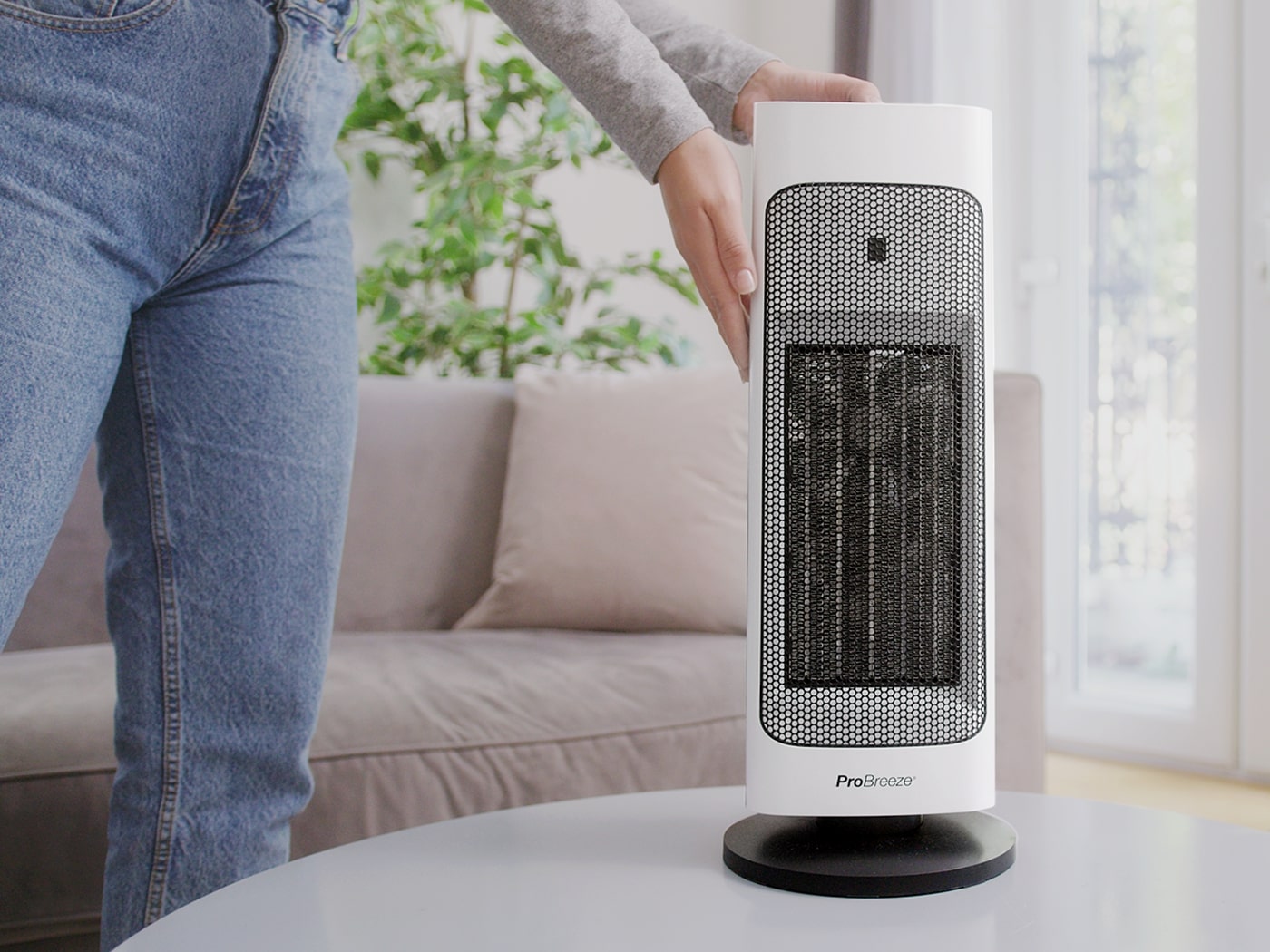
Credit: intl.probreeze.com
Heat Distribution And Efficiency
Heat distribution and efficiency are key factors in choosing a portable heater. They determine how well a heater warms your space and how much energy it uses. Understanding these aspects helps you pick the right heater for your needs.
Ceramic Heater Performance
Ceramic heaters warm up quickly. They use ceramic plates and a fan to spread heat fast. This makes them great for small rooms or quick heat. The heat feels direct and strong near the heater.
These heaters cool down fast too. This means they do not keep heating after turning off. They use electricity efficiently during operation. But the fan can make some noise.
Oil Heater Performance
Oil heaters take longer to warm up. They heat oil inside the unit, which stays warm for a long time. This gives steady heat that fills the room evenly. The heat spreads slowly but lasts longer.
These heaters use energy steadily and keep the room warm after turning off. They work silently, making them good for bedrooms or offices. Oil heaters are best for long-term, gentle heating.
Energy Consumption And Costs
Energy consumption and costs are key factors when choosing a portable heater. Understanding how much power each type uses helps save money. It also reduces your home’s energy use. This section compares ceramic and oil heaters in terms of energy use and cost over time.
Power Usage Of Ceramic Heaters
Ceramic heaters heat up quickly using electric coils and ceramic plates. They usually consume between 750 and 1500 watts. This means they can heat small rooms fast. But they run on electricity directly, so power use is steady while on. Ceramic heaters switch on and off to keep room temperature steady.
Power Usage Of Oil Heaters
Oil heaters warm oil inside the unit, which then radiates heat. They typically use 600 to 1500 watts. The oil retains heat, so the heater runs less often. This saves energy over time. Oil heaters take longer to warm up but provide steady heat even after turning off.
Long-term Cost Comparison
Ceramic heaters cost more to run if used for long hours. They heat fast but use constant power. Oil heaters use less power overall because of heat retention. This lowers electricity bills after hours of use. Choosing oil heaters can save money in colder months. Ceramic heaters suit quick, short heating needs better.
Safety Features And Risks
Choosing a portable heater means understanding safety features and risks. Each type has unique ways it keeps you safe and potential dangers to watch.
Safety is important. It protects your home and family from accidents and fires. Knowing how ceramic and oil heaters work helps you pick the safer option.
Safety In Ceramic Heaters
Ceramic heaters heat up quickly using ceramic plates and a fan. They often have a cool-touch surface to prevent burns. Many models include tip-over switches to turn off if knocked over.
Overheat protection is common. It stops the heater from getting too hot and causing fires. Ceramic heaters also usually have automatic shut-off timers. This feature helps avoid overheating if left on too long.
Still, the fan blows hot air, which can spread dust or allergens. Avoid placing the heater near curtains or flammable items. Keep children and pets away from the front grill.
Safety In Oil Heaters
Oil heaters use heated oil inside sealed fins to warm a room. The surface temperature stays lower than ceramic heaters, reducing burn risk. They do not use a fan, so no blowing dust or allergens.
Most oil heaters have overheat protection and tip-over switches. These features shut the heater off during unsafe conditions. Oil heaters also emit heat evenly, lowering fire hazards.
They take longer to heat and cool down, which requires careful handling. Never cover an oil heater or block air flow. Avoid placing it on carpets that may catch fire.
Portability And Design
Portability and design are key factors when choosing a portable heater. A heater should be easy to carry and fit well in your space. Both ceramic and oil heaters offer different benefits in these areas.
Size And Weight
Ceramic heaters are usually smaller and lighter. You can carry them easily from room to room. Their compact size suits small spaces well.
Oil heaters tend to be bigger and heavier. They may have built-in wheels to help you move them. Their bulkier design fits better in larger rooms.
Aesthetic Options
Ceramic heaters come in many modern styles and colors. You can find sleek, simple designs that match your décor. Some models look like small fans or space heaters.
Oil heaters have a classic look with metal fins. They often come in neutral colors like white or gray. Their design focuses more on function than style.

Credit: www.youtube.com
Maintenance And Durability
Maintenance and durability are key factors when choosing between ceramic and oil portable heaters. Proper care keeps the heater working well and safe to use. Durability affects how long the heater will last, saving money over time. Both types need different care routines and offer different life spans.
Cleaning And Upkeep
Ceramic heaters need regular dusting to avoid blockages. Dust can build up on the heating element and fan. This reduces heat output and may cause overheating. Use a soft cloth or small brush for cleaning. Avoid water or liquids near electrical parts.
Oil heaters require less frequent cleaning. Dust can collect on the surface and fins. Wipe down with a dry cloth to keep it clean. Never open the heater to touch the oil tank. The oil inside is sealed and does not need refilling.
Lifespan Expectations
Ceramic heaters usually last about 5 to 8 years. Their lifespan depends on usage and care. Overheating or poor cleaning can shorten their life. Proper maintenance helps the heater run longer and safer.
Oil heaters often last longer, around 10 to 15 years. The sealed oil tank helps protect internal parts. These heaters run quietly and steadily for many years. Regular surface cleaning keeps them working well.
Best Use Cases
Choosing the right portable heater depends on where and how you plan to use it. Both ceramic and oil heaters offer warmth but serve different needs. Knowing their best use cases helps you pick the perfect option.
When To Choose Ceramic
Ceramic heaters heat up quickly and cool down fast. They are ideal for small rooms or spaces where you need instant warmth. These heaters work well in bedrooms, offices, or bathrooms. They are light and easy to move from room to room. Ceramic heaters also work great for short-term use during chilly mornings or evenings.
When To Choose Oil
Oil heaters take longer to warm up but keep heat for hours after turning off. They suit larger rooms or areas that need steady, long-lasting warmth. These heaters work well in living rooms or basements. Oil heaters run quietly and use less energy over time. They are perfect for overnight heating or all-day use in cold spaces.
Price And Value
Price plays a big role when choosing a portable heater. Understanding the cost and value helps you make a smart choice. Both ceramic and oil heaters have different price points and benefits. Knowing these differences can save money and provide better heating.
Initial Purchase Price
Ceramic heaters usually cost less upfront. They are simpler in design and use less material. This lowers the price for buyers on a budget. Oil heaters often cost more at first. The oil-filled panels and metal parts add to the cost. You pay more for the build and longer heating time.
Value Over Time
Ceramic heaters warm up rooms quickly. They use electricity efficiently but turn off fast too. This can mean higher energy bills if used a lot. Oil heaters take longer to heat but keep warmth longer. This lowers energy use over time. They also last longer with less wear and tear. In the long run, oil heaters may offer better value despite the higher price.

Credit: probreeze.com
Frequently Asked Questions
What Is The Main Difference Between Ceramic And Oil Heaters?
Ceramic heaters use ceramic plates to warm air quickly. Oil heaters heat oil inside to provide steady warmth over time.
Which Heater Type Is More Energy Efficient?
Ceramic heaters warm up fast, saving energy in short use. Oil heaters keep heat longer, using less power for steady warmth.
Are Ceramic Heaters Safer For Home Use?
Ceramic heaters cool down quickly and often have safety features. Oil heaters stay hot longer but usually have overheat protection.
How Fast Do Ceramic Heaters Warm A Room?
Ceramic heaters heat up within minutes, warming small rooms fast. Oil heaters take longer but maintain warmth steadily.
Can Oil Heaters Be Used Safely Overnight?
Yes, oil heaters are good for overnight use. They provide steady heat without drying the air.
Which Heater Is Quieter During Operation?
Oil heaters run quietly since they have no fan. Ceramic heaters can be a bit noisy due to the fan.
Are Ceramic Heaters Better For Small Spaces?
Ceramic heaters are ideal for small rooms or personal heating. Oil heaters work well in larger spaces needing constant heat.
How Portable Are Ceramic And Oil Heaters?
Ceramic heaters are usually lighter and easier to carry. Oil heaters are heavier but often come with wheels for moving.
Do Oil Heaters Dry Out The Air Inside The Room?
Oil heaters do not dry the air because they warm indirectly. This helps keep room air comfortable.
Which Heater Is Cheaper To Buy And Maintain?
Ceramic heaters are generally less expensive upfront. Oil heaters may cost more but need less frequent replacement parts.
Conclusion
Choosing between ceramic and oil portable heaters depends on your needs. Ceramic heaters warm up quickly and suit small spaces well. Oil heaters take longer but keep heat longer and work quietly. Consider your room size, noise preference, and how fast you want warmth.
Both types offer safe and effective heating options. Pick the one that fits your comfort and budget best. Stay warm and cozy this winter with the right portable heater.