
Choosing the right heater can make a big difference in how warm and comfortable your space feels. You might be wondering whether a ceramic heater or an infrared heater is better for your needs.
Both have their strengths, but knowing which one suits your home or office can save you money and keep you cozy all winter long. You’ll discover the key differences between ceramic and infrared heaters, helping you make an informed choice that fits your lifestyle perfectly.
Keep reading to find out which heater will warm you up faster and more efficiently.
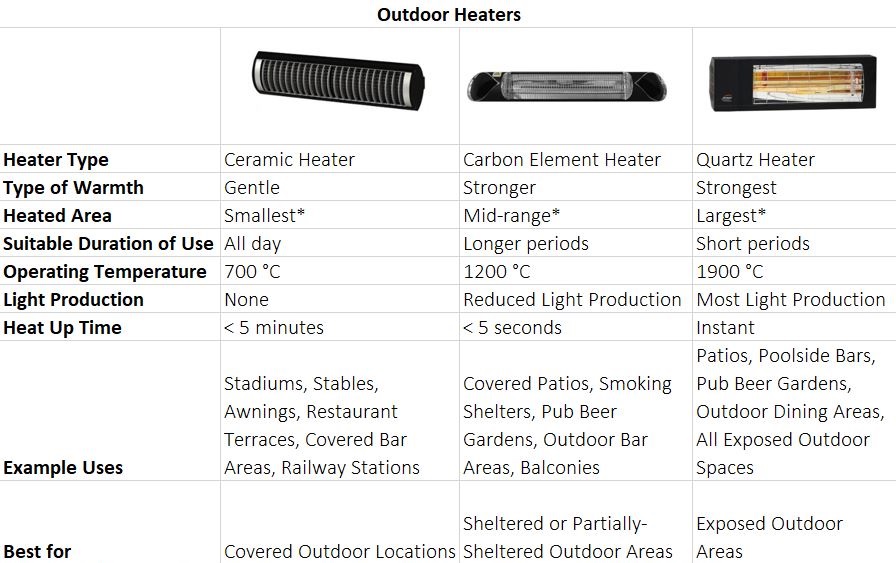
Credit: ambassadoradvertising.com
How Ceramic Heaters Work
Ceramic heaters are popular for their quick heating and energy efficiency. They use a special ceramic material to create heat. This section explains how ceramic heaters generate warmth and spread it through a room.
Heating Elements And Mechanism
Ceramic heaters contain ceramic plates or coils inside. These plates heat up when electricity passes through them. The ceramic material holds heat well and warms up fast. This allows the heater to provide steady heat without using too much power.
The heating element works by converting electrical energy into heat. The ceramic surface gets hot but stays safe to touch. This design helps avoid overheating and improves safety for users.
Warm Air Distribution
Inside the heater, a fan blows air over the hot ceramic plates. This air picks up heat and moves it into the room. The fan helps spread warm air quickly and evenly.
Warm air rises naturally, filling the space with heat. This method heats a room faster than simple electric heaters. The airflow can often be adjusted for better comfort.
Credit: www.youtube.com
How Infrared Heaters Work
Infrared heaters work differently from traditional heaters. Instead of warming the air, they heat objects and people directly. This method offers efficient and fast warmth in any space. Understanding their operation helps to see why they are popular for certain uses.
Radiant Heat Technology
Infrared heaters use radiant heat technology. They emit invisible infrared rays. These rays travel in straight lines. They reach objects and surfaces, warming them up directly. This process mimics the natural heat from the sun.
Radiant heat does not rely on air circulation. It heats the space more evenly. The warmth stays longer in the room. This makes infrared heaters energy-efficient and comfortable.
Direct Heat Transfer
Infrared heaters transfer heat directly to objects and people. This direct transfer reduces heat loss. The air around stays cooler than with other heaters. It creates a cozy feeling without dry air.
Because heat goes straight to the body, it feels warmer quickly. This helps save energy and costs. Infrared heaters work well in open or drafty spaces. They provide instant warmth where it is needed most.
Energy Efficiency Comparison
Comparing energy efficiency helps choose the best heater for your needs. Both ceramic and infrared heaters use electricity but work differently. Understanding how much power they use and how well they keep heat can save money and energy. This section breaks down these points clearly.
Power Consumption
Ceramic heaters use a heating element to warm the air. They often have fans to spread warmth quickly. This can use more electricity during operation.
Infrared heaters work by sending heat directly to objects and people. They do not heat the air first. This method uses less power for the same comfort level.
Infrared models usually consume less electricity than ceramic ones. This makes them better for saving energy over time.
Heat Retention
Ceramic heaters warm the air, but heat disappears fast when turned off. Rooms may cool quickly without the heater running.
Infrared heaters warm objects and surfaces, which hold heat longer. This helps keep the room warm after the heater is off.
Infrared heat feels natural and steady because it warms directly. This reduces the need to keep the heater on all the time.
Heating Speed And Coverage
Heating speed and coverage are important when choosing a heater. They affect comfort and energy use. Some heaters warm up rooms fast. Others spread heat over a larger area. Understanding these differences helps pick the right heater.
Time To Warm Up
Ceramic heaters warm up quickly. They heat the air near the unit fast. You feel warmth soon after turning them on. Infrared heaters take less time to warm up. They heat objects and people directly. No need to wait for air to get warm.
Area Effectiveness
Ceramic heaters work well for small rooms. They spread heat through air circulation. Larger rooms may need more than one unit. Infrared heaters heat objects in their path. They work well in open spaces and outdoors. Heat stays where you need it most.
Safety Features And Considerations
Safety is important when choosing a heater for your home. Both ceramic and infrared heaters come with features that help prevent accidents. Understanding these safety aspects helps you pick the right heater for your needs.
Overheat Protection
Overheat protection stops the heater from getting too hot. Ceramic heaters often have built-in sensors that turn off the unit if it overheats. This feature lowers fire risks and keeps your home safe.
Infrared heaters also include overheat protection. They use sensors to monitor internal temperatures. If the heater reaches unsafe heat levels, it shuts down automatically. This prevents damage and injuries.
Surface Temperature
Ceramic heaters usually have cooler surfaces. The ceramic element heats the air, not the outer casing. This reduces burns if someone touches the heater.
Infrared heaters can have hotter surfaces. They emit heat directly and the casing may get warm. Extra caution is needed around children and pets.
Both types require safe placement away from flammable items. Keep space around the heater clear to avoid accidents.
Portability And Design
Portability and design matter when choosing a heater. They affect how easy the heater is to move and how it fits your space. Both ceramic and infrared heaters offer unique features. Understanding their size, weight, and look helps pick the right one.
Size And Weight
Ceramic heaters are usually compact and light. Many models weigh less than 5 pounds. This makes them easy to carry from room to room. Their small size fits well on desks or shelves.
Infrared heaters vary more in size. Some are small and portable, while others are larger. The bigger models can weigh 10 pounds or more. Still, many infrared heaters have handles or wheels. This helps with moving them around your home.
Aesthetic Options
Ceramic heaters often have modern, sleek designs. They come in neutral colors like black, white, or gray. Some have digital displays and touch controls. This suits a tech-friendly look in your room.
Infrared heaters tend to have a classic or industrial style. They usually show glowing heating elements. Some models look like small fireplaces. This adds a cozy, warm feel to a space. Color options are more limited but often warm tones.
Cost And Maintenance
Choosing the right heater means thinking about cost and maintenance. These two factors affect your budget and the heater’s lifespan. Understanding these points helps you pick a heater that suits your needs and wallet.
Initial Investment
Ceramic heaters usually cost less upfront. They are common and easy to make. You can find many models under a reasonable price.
Infrared heaters tend to cost more at first. They use special bulbs or panels to produce heat. This technology raises the price compared to ceramic heaters.
Upkeep Requirements
Ceramic heaters need regular cleaning. Dust can block the vents and reduce heat output. You may need to replace the fan if it wears out.
Infrared heaters require less cleaning. They have fewer moving parts, so they last longer without repair. You might need to change the bulbs after some time.

Credit: www.glradiant.com
Best Uses For Ceramic Heaters
Ceramic heaters offer a reliable and efficient way to heat indoor spaces. They work by warming ceramic plates inside the unit. A fan then blows warm air into the room. This method heats the air quickly and spreads warmth evenly. Ceramic heaters suit many indoor uses thanks to their safety and efficiency.
Indoor Applications
Ceramic heaters are perfect for small to medium indoor spaces. They heat bedrooms, offices, and living rooms well. These heaters are also great for workshops or garages. Portable models let you move heat where you need it most. They work quietly, making them good for bedrooms or study areas. Ceramic heaters have safety features like overheat protection. This makes them a safe choice for homes with kids or pets.
Ideal Room Types
Rooms with good insulation benefit most from ceramic heaters. They keep the warmth inside, making heating efficient. Bedrooms, home offices, and small living rooms are ideal. These heaters do well in rooms up to 300 square feet. They can warm spaces quickly without using much energy. Avoid large, open areas where heat may not spread well. Ceramic heaters work best where direct airflow helps distribute warmth.
Best Uses For Infrared Heaters
Infrared heaters offer a unique way to warm spaces by heating objects and people directly. This method creates comfortable warmth quickly. Understanding the best uses for infrared heaters helps you choose the right heater for your needs.
Outdoor And Indoor Settings
Infrared heaters work well in both outdoor and indoor areas. Outdoors, they provide warmth in patios, decks, or gazebos without heating the air. This saves energy and keeps you warm even on windy days. Indoors, they heat rooms efficiently by warming furniture and walls. This helps maintain steady heat and reduces energy waste.
Specific Scenarios
Infrared heaters suit specific situations like workshops, garages, and warehouses. These places often lack insulation, making traditional heaters less effective. Infrared heaters deliver direct warmth, making cold spots comfortable quickly. They also work well for people with allergies because they do not blow dust around. For small spaces or spot heating, infrared heaters provide focused warmth exactly where needed.
User Comfort And Air Quality
User comfort and air quality are key factors when choosing a heater. The right heater should keep you warm without making the air dry or noisy. It should also maintain a healthy environment in your home. Ceramic and infrared heaters affect comfort and air differently. Understanding these differences helps you pick the best option for your needs.
Humidity Effects
Ceramic heaters can reduce indoor humidity. They warm the air by blowing hot air around. This can make the room feel dry. Dry air can cause dry skin and sore throats. Infrared heaters heat objects directly, not the air. This means they do not lower humidity as much. The air stays more natural and comfortable. Infrared heaters are better for people sensitive to dry air.
Noise Levels
Ceramic heaters often use fans to spread heat. Fans create a low humming sound. This noise may disturb light sleepers or quiet spaces. Infrared heaters work silently because they do not use fans. They provide warmth without background noise. For quiet rooms, infrared heaters are a good choice. Ceramic heaters might be better for larger rooms where noise is less noticeable.
Frequently Asked Questions
What Is The Main Difference Between Ceramic And Infrared Heaters?
Ceramic heaters warm the air using ceramic plates, while infrared heaters warm objects directly. This affects how heat spreads in a room.
Which Heater Is More Energy-efficient, Ceramic Or Infrared?
Infrared heaters usually use less energy because they heat objects, not air. Ceramic heaters may use more power to warm the whole space.
Are Ceramic Heaters Safe For Small Rooms?
Yes, ceramic heaters are safe for small rooms if used properly. They have built-in safety features like overheat protection.
Can Infrared Heaters Work Well In Large Spaces?
Infrared heaters work best in medium to small areas. For large spaces, multiple units might be needed for effective heating.
How Fast Do Ceramic Heaters Warm A Room?
Ceramic heaters warm up the air quickly, usually within minutes. They provide steady, even heat throughout the space.
Do Infrared Heaters Dry Out The Air?
No, infrared heaters do not dry out the air. They heat objects directly, keeping the room’s moisture level stable.
Which Heater Is Quieter, Ceramic Or Infrared?
Infrared heaters are generally quieter because they have no fans. Ceramic heaters may have fans that produce some noise.
Can Ceramic Heaters Cause Allergies Or Dust Problems?
Ceramic heaters do not blow dust or allergens around since some models use fans with filters. They are generally good for allergy sufferers.
Are Infrared Heaters Suitable For Outdoor Use?
Yes, many infrared heaters work well outdoors because they heat objects directly. They are often used on patios and decks.
How Long Do Ceramic Heaters Typically Last?
Ceramic heaters usually last 5 to 10 years with proper care. Their simple design makes them durable and reliable.
Conclusion
Choosing between a ceramic heater and an infrared heater depends on your needs. Ceramic heaters warm the air quickly and spread heat well. Infrared heaters heat objects and people directly, saving energy. Both types offer safe and quiet operation. Consider room size and how fast you want to feel warm.
Think about energy use and what feels comfortable for you. Either way, you can stay cozy during cold days. Simple and effective heating options are available to fit different homes.