
Every homeowner knows that hot water is essential for daily life. From showers to dishwashing, your water heater works hard behind the scenes. But like any machine, it needs regular care to stay efficient and reliable. One important maintenance task is a water heater flush. You may wonder, “How much does a water heater flush cost?” or if it’s truly necessary. This guide breaks down everything you need to know—prices, what affects the cost, DIY vs professional services, and even ways to save money. By the end, you’ll feel confident about making the right decision for your home and budget.
What Is A Water Heater Flush?
A water heater flush is a cleaning process that removes sediment buildup from the bottom of your water heater tank. Over time, minerals and debris from your water supply collect inside the tank. If not flushed out, these deposits can lower efficiency, raise energy bills, and even shorten the life of your heater.
During a flush, the tank is drained completely, then refilled to remove as much sediment as possible. This process keeps your hot water flowing clean and steady, and helps your unit last longer.
Regular flushing is recommended at least once a year, though homes with hard water may need it more often. Skipping this maintenance can lead to noisy operation, slow water heating, or even leaks.
Average Cost Of A Water Heater Flush
So, how much does a water heater flush cost? The answer depends on several factors, but most homeowners pay between $80 and $250 for a professional flush in the United States.
Here’s a simple breakdown:
| Service Type | Average Cost (USD) | Typical Range |
|---|---|---|
| Professional Flush | $120 | $80–$250 |
| DIY Flush (materials only) | $10 | $5–$30 |
| Flush + Inspection | $150 | $100–$300 |
Most companies charge a flat fee, but some may add extra costs for travel, emergency service, or difficult access.
Non-obvious insight: Some plumbers offer discounts if you combine a flush with other services, like annual inspections.
Factors That Affect Water Heater Flush Cost
Not all water heater flushes cost the same. Several details can raise or lower the price:
1. Type Of Water Heater
Tank vs Tankless: Traditional tank heaters are easier to flush and usually less expensive. Tankless water heaters may cost more—sometimes up to $300—because they need special tools and cleaning solutions.
2. Size And Age Of The Heater
Large or older tanks often have more sediment and require extra time. A newer 30-gallon unit may cost less than a 75-gallon model that’s several years old.
3. Location And Accessibility
Heaters in basements, crawl spaces, or tight closets are harder to reach. Plumbers may charge extra for difficult access.
4. Local Labor Rates
Prices vary by region. Urban areas with higher living costs usually have higher labor rates. In rural areas, you may find lower prices, but fewer service providers.
5. Additional Services
Some plumbers include a basic safety check or minor repairs with a flush, while others charge separately. If you need an anode rod inspection or a pressure relief valve check, expect the total bill to rise.
6. Water Quality
Homes with hard water often need more frequent or deeper flushing. If your area has very hard water, the process may require special cleaning solutions, raising costs.
7. Emergency Or Off-hours Service
If you need service outside of regular business hours, a plumber may charge a premium. Weekend or holiday flushes usually cost more.
Pro tip: Ask for an estimate before agreeing to any work. This avoids surprise fees.
Professional Water Heater Flush: What’s Included?
Hiring a professional plumber for a water heater flush usually means more than just draining the tank. Here’s what’s included in a typical visit:
- Inspection: The plumber checks for leaks, corrosion, and other problems.
- Draining the tank: Water is turned off, and the tank is emptied completely.
- Sediment removal: The plumber uses hoses or special tools to flush out mineral buildup.
- Safety checks: Key parts, like the pressure relief valve, are tested.
- Refill and test: The tank is refilled, and the system is checked for proper function.
Some companies offer extra options, like water quality tests or replacement of worn parts, but these cost more.
Diy Water Heater Flush: Is It Worth It?
If you want to save money, you might consider flushing your water heater yourself. This can cost as little as $5–$30 for basic supplies, like a hose and a bucket.
Diy Steps (standard Tank Water Heater)
- Turn off the heater: For electric units, shut off the power at the breaker. For gas, turn the thermostat to “pilot.”
- Turn off the water supply at the cold water inlet valve.
- Attach a garden hose to the drain valve at the bottom of the tank.
- Run the hose outside or to a large drain.
- Open the drain valve and let the tank empty completely.
- Briefly turn on the cold water to stir up sediment, then drain again.
- Close the valve, detach the hose, and refill the tank.
- Restore power or relight the pilot.
This process takes about 1–2 hours.
Non-obvious insight: If you haven’t flushed your tank in several years, sediment can harden. In these cases, a professional flush is safer and more effective.
Diy Risks
Flushing a water heater is simple for many, but not risk-free. Mistakes can lead to leaks, burns, or even damage to the heater. If you aren’t comfortable with basic plumbing, professional service is a smart investment.
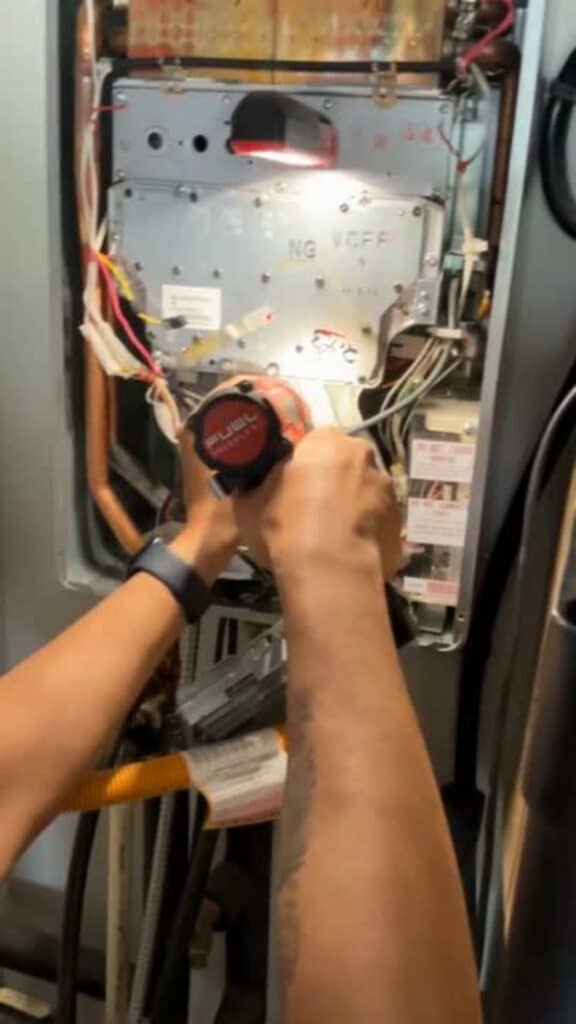
Tank Vs Tankless Water Heater Flush Costs
A major factor in cost is whether your heater is tank-style or tankless.
| Heater Type | Average Flush Cost (USD) | Key Differences |
|---|---|---|
| Tank Water Heater | $80–$200 | Simple drain and flush process; common in most homes |
| Tankless Water Heater | $150–$300 | Requires special descaling solutions and a pump; more time-consuming |
Pro tip: Regular tankless heater flushing is especially important if you have hard water. Failure to descale can ruin expensive units quickly.
Credit: www.chooseaaronservices.com
How Often Should You Flush A Water Heater?
The frequency of flushing affects your long-term costs. Most experts recommend:
- Once every 12 months for average homes.
- Every 6 months if you have hard water or high hot water use.
- Every 2–3 years for newer, low-use heaters in soft water areas.
Check your owner’s manual for specific advice. Some manufacturers require yearly maintenance to keep the warranty valid.
Non-obvious insight: Skipping flushes can void your warranty and lead to very expensive repairs or replacement.
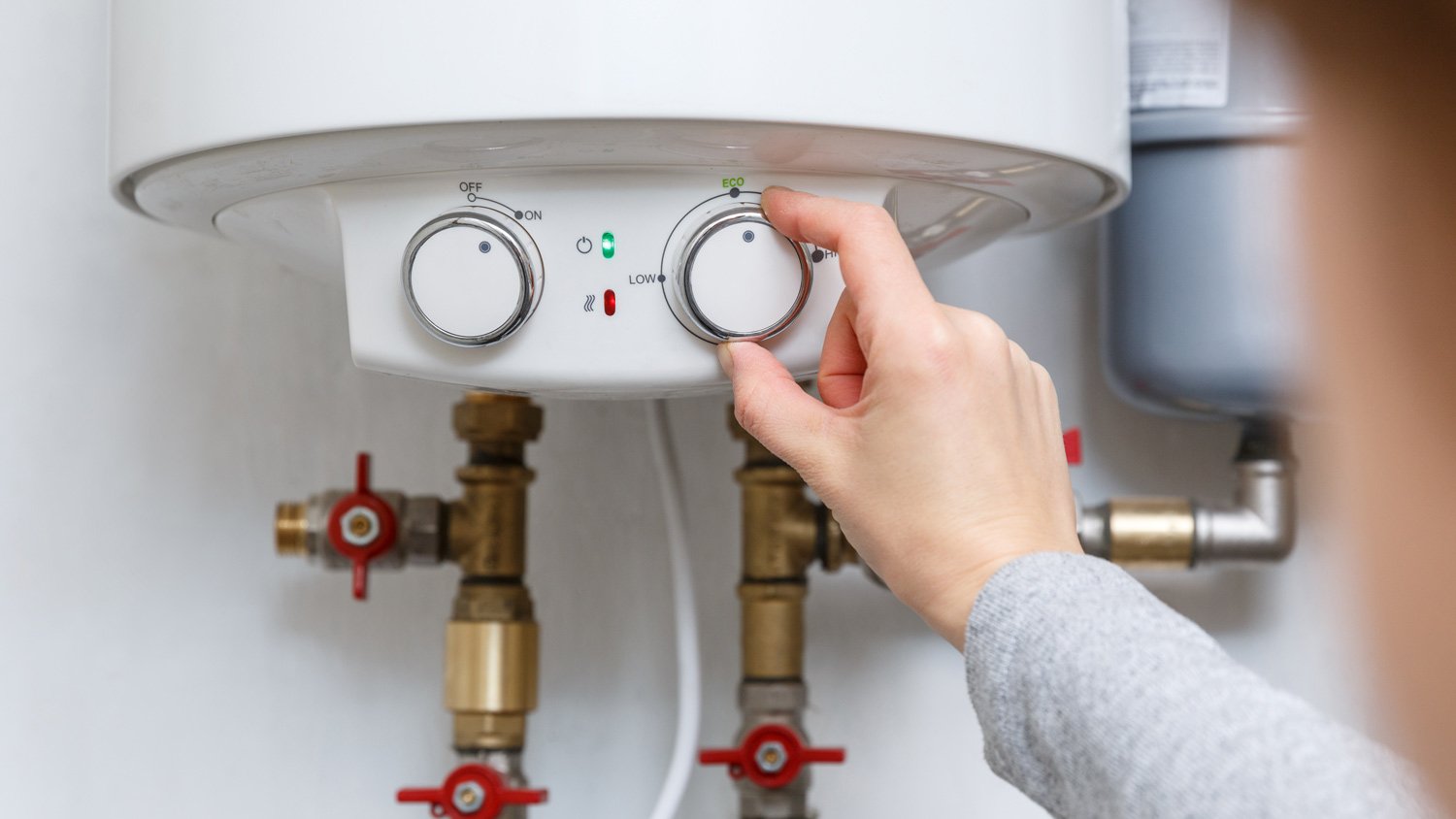
Signs Your Water Heater Needs A Flush
Don’t wait for a breakdown. Watch for these signs that your heater needs flushing:
- Noisy operation: Rumbling, popping, or banging sounds.
- Slow hot water recovery: Takes longer to heat a tank after use.
- Discolored water: Rusty or cloudy hot water from taps.
- Lower water temperature: Hot water isn’t as hot as before.
- Visible sediment: Grit or sand in your hot water.
If you notice any of these problems, schedule a flush soon to prevent bigger issues.
Credit: www.angi.com
Why Water Heater Flushing Is Worth The Cost
Some homeowners skip this service to save money, but flushing pays off in several ways:
1. Extends Heater Life
Sediment causes rust and corrosion that can kill a heater years early. Flushing removes these threats and helps your unit last longer.
2. Saves Energy
A clean tank heats water faster and uses less energy. Even a thin layer of sediment can raise energy use by 5–10%.
3. Improves Water Quality
Removing buildup keeps your water cleaner, with less risk of discoloration or odd smells.
4. Reduces Repairs
Regular maintenance catches small problems before they become costly emergencies.
5. Maintains Warranty
Most heater warranties require proof of regular flushing. Skipping this step can mean paying full price for repairs or replacement.
Example: A new 50-gallon water heater costs $800–$1,200 installed. Spending $100 per year on flushing can add years to its life, saving hundreds or even thousands of dollars.
How To Save Money On Water Heater Flushing
If cost is a concern, there are smart ways to keep expenses low:
- Combine services: Ask your plumber to include a flush during a yearly home inspection.
- Learn basic maintenance: Even if you hire out the full flush, you can drain a few gallons every few months to remove loose sediment.
- Use water softeners: In hard water areas, a softener reduces mineral buildup, so you need fewer flushes.
- Shop around: Get at least three quotes before choosing a plumber.
- Look for coupons: Many plumbing companies offer online discounts for first-time customers.
- Schedule during off-peak times: Avoid emergency or weekend rates.
Pro tip: Some utility companies offer rebates or discounts for water heater maintenance. Check with your local provider.
What To Ask Before You Hire A Plumber
Not all service providers are equal. Before you schedule a flush, ask:
- Are you licensed and insured?
- What does your flush include?
- Are there any extra fees for inspection or travel?
- Will you check the anode rod and safety valves?
- How long will the service take?
- Do you offer a warranty on your work?
Getting clear answers up front helps you avoid surprise charges.
Real-world Examples: Water Heater Flush Costs By City
Prices can vary widely across the US. Here’s a look at average professional flush costs in different locations:
| City | Average Cost (USD) | Notes |
|---|---|---|
| New York, NY | $160 | Higher labor costs |
| Dallas, TX | $120 | Plenty of providers |
| Los Angeles, CA | $180 | Hard water common |
| Denver, CO | $110 | Average rates |
| Atlanta, GA | $100 | Many low-cost options |
Non-obvious insight: In cities with many plumbers, prices are more competitive. In rural or remote areas, expect higher travel fees.
What Happens If You Skip Water Heater Flushing?
Skipping regular flushing may save money now, but it can lead to costly problems:
- Shorter heater life: Sediment causes corrosion and leaks.
- Noisy operation: Built-up minerals create banging or rumbling sounds.
- Dirty water: Rust and debris end up in your hot water.
- Higher energy bills: The heater works harder to heat water.
- Voided warranty: Most brands require proof of maintenance.
Example: A homeowner in a hard water area who ignores flushing could pay $1,000+ for a new heater years before expected.
Non-obvious insight: Some insurance companies may deny claims for water damage if you neglect basic maintenance.
Comparing Water Heater Flush With Other Maintenance Tasks
How does flushing stack up against other common services? Here’s a quick comparison:
| Maintenance Task | Average Cost (USD) | Frequency | Purpose |
|---|---|---|---|
| Water Heater Flush | $80–$250 | Every 1–2 years | Removes sediment |
| Anode Rod Replacement | $50–$150 | Every 3–5 years | Prevents rust |
| Pressure Relief Valve Check | $40–$80 | Yearly | Safety |
| Thermostat Check | $60–$120 | Yearly | Efficiency |
Insight: Bundling maintenance tasks into one visit can save you time and money.
Common Mistakes To Avoid
If you’re new to water heater maintenance, watch out for these errors:
- Not turning off power/gas: This is a major safety risk.
- Forgetting to close the drain valve: This leads to flooding when the tank refills.
- Using the wrong hose: Cheap hoses can burst under pressure.
- Not checking for leaks: Always inspect connections after refilling.
- Skipping anode rod checks: The rod protects your tank from rust.
If you’re unsure, call a pro. The small cost is better than a flooded basement.
Is A Water Heater Flush A Diy Or Professional Job?
This depends on your skills and the age/condition of your heater.
- DIY is fine for newer tanks, basic setups, and confident handymen.
- Professional service is best for older units, tankless heaters, or if you’re not comfortable with plumbing.
Non-obvious insight: For tankless units, DIY flushing can void the warranty. Always check the manual.
Environmental Impact Of Water Heater Flushing
Flushing your water heater can help the environment, too. A clean tank uses less energy, which means lower carbon emissions. If you use a professional, ask how they dispose of sediment and old water—some areas have regulations about draining into storm sewers.
Pro tip: If you use a water softener, you’ll need to flush less often, which saves water over time.
How To Prepare For A Water Heater Flush
To make the process smooth:
- Clear space around the heater: Give the plumber easy access.
- Know the location of shutoff valves: This saves time.
- Have towels handy: In case of spills.
- Ask about pets/kids: Make sure they stay clear during work.
Preparation helps the job finish faster and lowers the risk of accidents.
When Is It Time To Replace, Not Flush?
If your heater is very old (over 10–15 years), leaking, or has severe rust, flushing won’t fix the problem. It may be time for a new unit. Signs you need replacement:
- Rusty water even after flushing
- Water pooling around the base
- Heater runs constantly but never gets hot
- Frequent repairs needed
Non-obvious insight: Some plumbers may try to upsell a new heater. Always get a second opinion if you’re unsure.
Choosing The Right Service Provider
Look for:
- Licensed and insured pros
- Transparent pricing
- Good reviews from real customers
- Detailed service descriptions
Ask for references if you’re hiring a company for the first time.

Credit: nilds.gov.ng
Final Thoughts
A water heater flush is a small investment that pays big rewards. For most homes, expect to spend between $80 and $250 per flush, depending on your heater type, location, and service choices. Flushing keeps your hot water clean, your bills low, and your heater running for years. Whether you choose professional help or tackle it yourself, regular maintenance saves money and stress in the long run.
If you want more details on water heater maintenance, check out the U.S. Department of Energy guide for homeowners.
Frequently Asked Questions
How Long Does A Water Heater Flush Take?
A typical flush takes about 1–2 hours for a standard tank heater. Tankless models may take longer due to descaling requirements. A professional plumber can usually complete the job faster, especially if the heater is easy to access.
Can Flushing A Water Heater Fix All Hot Water Problems?
No, a flush helps with sediment-related issues like noisy operation or slow heating. If you have no hot water at all, leaks, or electrical problems, a flush may not help. Other repairs could be needed.
Is It Safe To Flush A Water Heater Myself?
Yes, if you follow instructions carefully and have basic plumbing knowledge. Always turn off power or gas before starting, and use a strong, reliable hose. If you feel unsure, hire a professional.
How Often Should I Flush My Water Heater?
Most homes should flush the heater once a year. If you live in a hard water area, consider flushing every 6 months. Read your owner’s manual for specific recommendations.
Does A Water Heater Flush Affect My Warranty?
Yes, many manufacturers require proof of regular flushing to keep the warranty valid. Always save receipts or take notes on maintenance for your records.