
Venting Water Heater And Furnace Together
When you think about your home’s heating and hot water, you usually picture them working quietly in the background. But what about their venting? Many homeowners discover, often during a renovation or inspection, that their water heater and furnace share a vent pipe. Is this safe? Is it efficient? Should you change it? Venting these two appliances together is common, but it is not as simple as connecting two pipes. Doing this the wrong way can lead to dangerous gases in your home, poor performance, and even code violations.
This guide explains everything you need to know about venting water heater and furnace together. You’ll learn how the system works, when it’s allowed, common mistakes, the types of vents, and what to watch out for if you’re planning repairs or upgrades. We’ll also look at real examples, code rules, and expert advice. If you want a safe, efficient home, understanding this topic is essential.
How Combined Venting Works
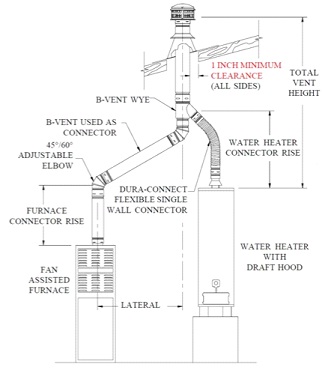
Many homes with gas furnaces and gas water heaters have a single vent (or “flue”) running up through the roof. This setup, called common venting, carries away dangerous combustion gases like carbon monoxide. It’s convenient, saves space, and lowers costs. But there are important rules for how it’s done.
The Basics
A typical combined vent system has:
- A furnace and a water heater both using natural gas or propane.
- Metal vent pipes (often called “Type B” or “double-wall” vent).
- A larger main vent that goes to the outdoors (usually through the roof).
- “Draft hood” or “draft diverter” connections at each appliance.
Both appliances burn fuel and create hot exhaust. The hot gases rise up through the vent pipe, pulled by natural draft. The system must be sized and installed correctly, or the gases can leak back into your home.
Why Vent Together?
- Cost: One vent means less material and less labor.
- Space: Easier to fit in small utility rooms or basements.
- Simplicity: Fewer roof penetrations, less risk of leaks.
But combined venting only works in some situations. Understanding when and how is key.
Key Venting Types And How They Differ
Not all venting systems are the same. The type you need depends on your appliances and local codes. Here are the main types:
1. Natural Draft (atmospheric Vent)
This is the most common in older homes. Both the furnace and water heater use the heat from the exhaust gases to create a draft that pulls the gases up and out.
Pros:
- Simple and cheap
- No moving parts
Cons:
- Relies on warm air rising, so less reliable if vent gets cold
- More risk of back-drafting
2. Induced Draft
Some newer furnaces use a small fan (inducer blower) to help push the exhaust up the vent. This allows for longer vent runs and more flexible installations.
Pros:
- More reliable draft
- Can vent horizontally or through walls
Cons:
- More moving parts to fail
- Must match water heater and furnace types
3. Direct Vent (sealed Combustion)
These systems use two pipes: one for fresh air in, one for exhaust out. Both are sealed, so no indoor air is used.
Pros:
- Very safe; no risk of exhaust entering home
- Works in tight or sealed homes
Cons:
- Can’t be combined with old-style water heaters
- More expensive
4. Power Vent
The appliance has a built-in fan that pushes exhaust gases out, usually through a side wall.
Pros:
- Flexible installation
- Good for long vent runs
Cons:
- Can’t share a vent with other appliances
- Needs electricity to run
| Venting Type | Can Combine Furnace & Water Heater? | Common in | Main Limitation |
|---|---|---|---|
| Natural Draft | Yes | Older homes | Draft reliability |
| Induced Draft | Sometimes | Mid-efficiency systems | Appliance compatibility |
| Direct Vent | No | Modern, airtight homes | Requires special appliances |
| Power Vent | No | New construction | Needs electricity |
Insight: Many homeowners don’t realize that new, high-efficiency appliances usually cannot share a vent with older units. Mixing types is a common mistake.
When Is It Allowed To Vent Together?
You can only vent a water heater and furnace together if:
- Both are natural draft or compatible induced draft appliances.
- The vent system is properly sized.
- Local codes allow it.
Key codes to check:
- National Fuel Gas Code (NFPA 54)
- International Residential Code (IRC)
- Local building codes
Important: If you upgrade to a high-efficiency furnace or water heater, you may need separate vents.
Real-world Example
Imagine an older home with a 60% efficient furnace and a standard gas water heater. Both vent into a single metal pipe up through the roof. This is code-compliant if installed correctly. But if you replace the furnace with a high-efficiency (condensing) unit, it will likely need its own PVC vent pipe.
The old water heater cannot be vented into the same PVC pipe.
Sizing And Installation: What Really Matters
A safe, effective vent system is all about proper sizing and correct installation. Here’s what matters:
Sizing The Vent
The main vent pipe must be large enough to handle the combined exhaust, but not so large that gases move too slowly and condense.
- Too small: Risk of back-drafting, where gases enter the home.
- Too large: Gases cool and lose their upward draft, which can also cause back-drafting.
Sizing depends on:
- BTU input of each appliance
- Length of the vent
- Number of bends and fittings
Professional installers use vent sizing tables from the National Fuel Gas Code.
Order Of Connection
The water heater must always connect downstream of the furnace (closer to the vent stack). This is because the water heater produces weaker draft than the furnace. If installed backwards, furnace exhaust can back-feed into the water heater.
Minimum Rise
There must be a vertical rise from each appliance to the main vent. Horizontal runs should be short and sloped upward at least 1/4 inch per foot.
Type Of Pipe
- Use Type B vent for gas appliances.
- Single-wall vent can only be used in open spaces and must be kept away from combustibles.
Draft Hood
Water heaters usually need a draft hood. This prevents sudden pressure changes and helps gases flow smoothly.
Non-obvious insight: Many “vent failures” are due to poor slope or excessive horizontal runs, not just wrong pipe size.
Dangers Of Incorrect Combined Venting
Venting your water heater and furnace together the wrong way is not just a code violation—it’s a safety hazard. Here’s what can go wrong:
Carbon Monoxide Poisoning
If exhaust gases leak back into your home, you can be exposed to carbon monoxide (CO). This gas is colorless and odorless, but deadly in high concentrations. Symptoms include headache, dizziness, and nausea.
Back-drafting
This happens when the vent can’t pull gases out fast enough. Instead, the gases spill out of the appliances and into your basement or utility room.
Moisture Damage
Exhaust gases contain water vapor. If they condense inside the vent, you’ll get rust, corrosion, and eventually leaks or collapse.
Appliance Malfunction
Poor venting can cause your furnace or water heater to shut off or operate inefficiently.
Code Violations
If you sell your home or have it inspected, improper venting will be flagged. You may have to pay for costly corrections.
Real statistic: According to the CDC, at least 430 people in the US die each year from accidental CO poisoning, often linked to poor venting.
Upgrading Or Replacing Appliances: What To Watch Out For
Many homeowners run into venting problems when they replace old appliances. Here’s why:
High-efficiency Furnaces
Modern furnaces (90% AFUE or higher) use condensing technology. They vent with PVC pipe, not metal, and pull so little heat out the exhaust that old water heaters can’t share the vent.
- You must run a separate vent for the new furnace, usually out the side wall.
- The old water heater may now be venting alone in a pipe that’s too big, risking back-drafting.
Power-vented Or Tankless Water Heaters
These units use fans and vent through side walls. They can’t be combined with natural draft furnaces.
Mixing Old And New
If you install a new furnace but keep an old water heater, you may need to downsize the old vent or switch the water heater to a power-vented model.
Permits And Inspection
Upgrades nearly always require a building permit and inspection. Inspectors will check venting closely.
Pro tip: Always ask your installer to check the whole venting system—not just the new appliance.
Common Mistakes And How To Avoid Them
Many combined venting problems come from simple errors. Here are the most common:
- Incorrect vent sizing
- Don’t guess; use code vent tables.
- Improper slope
- Pipes must always slope upward toward the vent stack.
- Reversed connections
- Water heater must connect downstream of the furnace.
- Mixing incompatible appliances
- Never combine power-vented or condensing appliances with natural draft units.
- Ignoring local codes
- Codes vary by city; always check before starting work.
- Not sealing joints
- Use proper screws and high-temperature sealant for all connections.
Non-obvious insight: Even a small leak at a pipe joint can spill dangerous gases into your home’s air.
Signs Of Venting Problems
How do you know if your combined vent is working safely? Watch for these warning signs:
- Soot or rust on top of the water heater or furnace
- Moisture drips from vent pipes
- Condensation on furnace or water heater
- Sulfur smell (like rotten eggs)
- CO detector alarms going off
- Blow-back (hot air coming out of draft hoods)
If you see any of these, stop using the appliances and call a licensed technician.
Professional Installation Vs. Diy
Combined venting is not a good project for most DIYers. Here’s why:
- Complex sizing: Getting the vent size wrong is easy.
- Safety risk: CO poisoning is a real danger.
- Code compliance: Inspectors check venting closely.
- Insurance: Home insurance may not cover damage from unpermitted work.
Always use a licensed HVAC or plumbing contractor for venting changes.
Cost Of Combined Venting
The cost to install or upgrade a combined vent system depends on:
- Number and type of appliances
- Length and type of vent pipe
- Permits and inspections
- Labor rates in your area
On average, installing a new combined vent for a furnace and water heater costs $800–$2,000. Adding a new side-wall vent for a high-efficiency furnace may add $1,500–$3,000.
Tip: Upgrading to separate vents can qualify for energy rebates in some states.
How Codes And Standards Protect You
Venting safety is so important that it’s covered by strict codes. The main ones are:
- NFPA 54 (National Fuel Gas Code): Covers all gas piping and venting.
- International Residential Code (IRC): Sets minimum building standards.
- Manufacturer’s instructions: These are part of the code and must be followed.
Inspectors check:
- Proper vent size and type
- Correct connections and slope
- Support and clearances
- Termination above the roof or wall
Useful link: For detailed code language, see the National Fuel Gas Code.
Energy Efficiency And Combined Venting
Combined venting is often less efficient than modern sealed systems. Here’s why:
- Heat loss: Metal vents lose heat to the basement or attic.
- Indoor air use: Natural draft systems pull warm indoor air up the vent, increasing heating costs.
- Upgrade limits: You can’t combine high-efficiency appliances with old vents.
If you want maximum efficiency, consider switching both the furnace and water heater to sealed combustion or direct vent models.

Credit: cinemaximiliaan.org
Maintenance Tips For Safe Combined Venting
To keep your vent system safe and effective, follow these tips:
- Annual inspections: Have a pro check for leaks, blockages, and corrosion.
- Test CO detectors: Replace batteries twice a year.
- Keep vents clear: Snow, leaves, or bird nests can block vents.
- Watch for rust: Replace any rusted vent pipes right away.
- Check draft: Hold a match near the draft hood; the flame should be pulled toward the vent.
Combined Venting And New Building Trends
More new homes are moving away from combined venting for several reasons:
- Tighter construction: Less air leaks mean natural draft systems don’t work as well.
- Energy codes: New rules favor sealed combustion appliances.
- Safety: Sealed systems prevent CO leaks.
If you’re building new or remodeling, ask about direct vent or power-vented options.

Credit: www.newtel.pe
Example Case Studies
Case 1: Old Home, New Furnace
A homeowner replaced their old furnace with a 95% efficient model, but kept the old water heater on the shared vent. The inspector flagged this as unsafe because the water heater could no longer draft properly. Solution: Install a new power-vented water heater with its own vent.
Case 2: Back-drafting Detected
A family noticed a sulfur smell in the basement. A pro found that the combined vent was too big after removing one appliance. The fix was to resize the vent and add a CO alarm.
Case 3: Code Violation During Sale
During a home sale, the inspector found that the furnace and water heater were vented together, but the water heater draft hood was missing. The seller had to pay for corrections before closing.
Comparison: Combined Venting Vs. Separate Venting
Here’s a side-by-side look at the pros and cons.
| Feature | Combined Venting | Separate Venting |
|---|---|---|
| Upfront Cost | Lower | Higher |
| Energy Efficiency | Lower | Higher |
| Appliance Compatibility | Limited | Any type |
| Safety | Depends on setup | Very high |
| Maintenance | Must check both units | Simpler per unit |
| Future Upgrades | More difficult | Easy |
Environmental Impact
Venting systems affect the environment too. Older combined vent systems:
- Release more heat: Less efficient, so higher fuel use.
- Risk of leaks: Small leaks can add up to more emissions.
- Upgrade barrier: Harder to switch to green tech like heat pumps.
Switching to separate, sealed vents helps reduce your home’s carbon footprint.
When To Call A Professional
If you’re unsure about your venting system, contact a licensed HVAC or plumbing contractor if:
- You’re replacing a furnace or water heater.
- You notice warning signs (see above).
- You plan to remodel your utility room.
- Your CO detector goes off.
They can inspect your system, check for code compliance, and recommend the safest, most efficient solution.
Credit: www.creia.org
Frequently Asked Questions
Can I Vent An Electric Water Heater And Gas Furnace Together?
No. Electric water heaters do not produce combustion gases and do not need venting. Only gas appliances require venting.
What Is Back-drafting And Why Is It Dangerous?
Back-drafting happens when exhaust gases flow back into your home instead of up the vent. This can cause carbon monoxide poisoning and is usually caused by poor venting design or blockages.
Can I Use Pvc Pipe For Both My Furnace And Water Heater?
Only if both appliances are high-efficiency condensing models designed for PVC venting. Never connect a standard water heater to a PVC vent meant for a high-efficiency furnace.
What Maintenance Does A Combined Vent System Need?
Have it inspected once a year by a pro. Check for rust, blockages, and leaks. Test your carbon monoxide detectors regularly.
Is Combined Venting Allowed In New Homes?
It depends on local codes and the type of appliances. Most new homes use separate, sealed venting for maximum safety and efficiency.
Your home’s heating and hot water venting are easy to overlook, but they play a vital role in your comfort and safety. Understanding how combined venting works, when it’s allowed, and the risks of doing it wrong will help you make smart choices.
If in doubt, always consult a qualified pro—and never take shortcuts with venting or carbon monoxide safety.