
When you get ready to winterize your RV, you often hear about using RV antifreeze to protect your water system. But what about your hot water heater? Many new RV owners wonder, “Can you put RV antifreeze in a hot water heater?” This question can be confusing, especially because RV systems are different from home plumbing. Making the wrong choice can damage your equipment, waste money, or even create health risks. To help you make the best decision, this article explores everything you need to know about RV antifreeze and your hot water heater.
We’ll break down the science behind RV antifreeze, look at how hot water heaters work, compare methods, and give step-by-step guidance for safe winterizing. You’ll get clear advice based on real RV experiences, not just theory. By the end, you’ll know exactly what to do—and what to avoid—when it comes to protecting your RV’s hot water system from freezing temperatures.
Understanding Rv Antifreeze
RV antifreeze is a special liquid designed to prevent water lines in recreational vehicles from freezing during cold weather. Unlike automotive antifreeze, which is toxic and green, RV antifreeze is usually pink and labeled as non-toxic. It’s made for systems that supply drinking water.
There are three main types:
- Ethanol-based: Contains alcohol, which lowers the freezing point. It’s cheap but can leave an odor or taste.
- Propylene glycol-based: Safer and doesn’t leave a taste. It also lubricates seals and gaskets.
- Blends: A mix of both ingredients, trying to balance safety and price.
RV antifreeze is not meant to stay in your water system for long. It’s only used during winter storage. When spring comes, it must be flushed out to make the system safe for drinking water again.
A key point many people miss: RV antifreeze is designed for *plumbing lines*, not for heating elements or large tanks. Using it incorrectly can cause problems.
How Hot Water Heaters In Rvs Work
Your RV’s hot water heater is a small tank, usually 6 to 10 gallons, that heats water for showers, washing dishes, and cleaning. It can run on propane, electricity, or both. There are two common types:
- Tank heaters: Store and heat a set amount of water, just like a home water heater.
- Tankless heaters: Heat water as it passes through, so there’s no large storage tank.
Hot water heaters in RVs are made from materials like steel, glass, or aluminum and include a heating element, anode rod (to prevent rust), and various valves. They’re built to handle both city water and pump pressure from your onboard tank.
A key difference from home units is that RV heaters are exposed to outside temperatures, especially when your RV is stored in cold climates. If water is left inside, it can freeze, expand, and crack the tank or pipes. This is why proper winterizing is so important.
Why Some Owners Add Antifreeze To Hot Water Heaters
There are a few reasons RV owners consider adding RV antifreeze to the hot water heater:
- They want to protect the tank from freezing and cracking.
- They think antifreeze should go everywhere water flows.
- Some online guides say to “run pink stuff through the whole system.”
However, most experienced RV owners and manufacturers recommend a different approach. In almost all cases, you do not need to (and should not) fill your hot water heater with antifreeze. Let’s see why.
What Happens If You Add Rv Antifreeze To The Hot Water Heater?
Pouring antifreeze into your hot water tank might sound smart, but it usually causes more harm than good.
Risks include:
- Wasting antifreeze: Your heater tank holds 6–10 gallons. Filling it uses a lot of antifreeze, which is expensive and hard to remove in spring.
- Foaming and residue: Propylene glycol can foam and leave a sticky film inside the tank, which is difficult to clean.
- Strange taste or smell: Even after flushing, the tank might make your water taste odd for months.
- Damaging the anode rod: Some antifreeze types can react with the anode, causing corrosion.
- Over-pressurizing: If not fully drained, adding antifreeze can trap water or air pockets, risking cracks during freezing.
Most manufacturers recommend draining the hot water tank instead of filling it with antifreeze. Draining removes the water that could freeze, while antifreeze is only needed in the small pipes where water might linger.
Credit: gagscamperway.com
Manufacturer Guidelines: What Do The Experts Say?
Let’s look at what the big names in RV hot water heaters say:
- Suburban: “Do not introduce antifreeze into the water heater tank. Drain and bypass the tank before adding antifreeze to water lines.”
- Atwood (now Dometic): “Use a bypass kit to prevent antifreeze from entering the water heater.”
- Winnebago, Jayco, Forest River: All recommend draining the tank and using a bypass during winterizing.
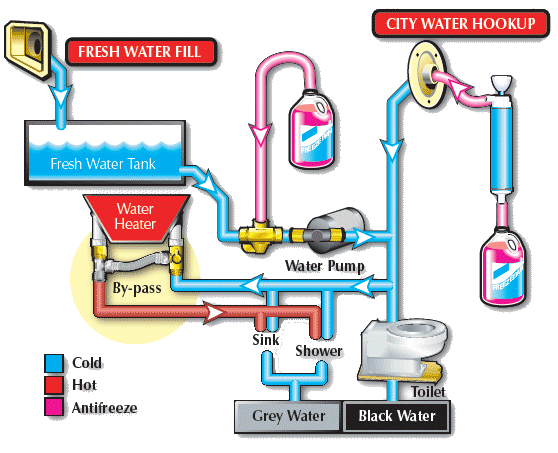
Why? Because modern RVs are designed with a bypass valve for the hot water heater. This lets you send antifreeze only through the pipes, not the tank, saving money and preventing problems.
Here’s a quick comparison:
| Method | Cost | Effectiveness | Cleanup Needed | Recommended? |
|---|---|---|---|---|
| Drain Only | Low | High | Minimal | Yes |
| Fill with Antifreeze | High | Low | Extensive | No |
| Bypass + Antifreeze in Pipes | Medium | High | Minimal | Yes |
As you can see, draining and bypassing is safer, cheaper, and easier to clean up in spring.
How To Properly Winterize Your Rv Hot Water Heater
If you want to protect your hot water heater the right way, follow these steps. No need for antifreeze in the tank!
1. Turn Off Power And Water Supply
Before you do anything, make sure the heater is turned off and cool. Shut off propane, electricity, and any water pumps.
2. Open A Hot Water Faucet
This relieves pressure in the system, so water doesn’t spray out when you drain the tank.
3. Drain The Hot Water Tank
- Find the drain plug or anode rod (usually at the bottom of the tank, outside).
- Place a bucket or pan under the drain.
- Remove the plug slowly. Water will pour out. Let it drain completely.
- Leave the plug out until spring.
Tip: If your RV has a tankless heater, follow the manual to drain all water from the unit.
4. Open Pressure Relief Valve
This helps water flow out faster and ensures the tank is empty.
5. Install Or Activate The Bypass Valve
Most RVs built after 2000 have a bypass kit. This is a set of valves and pipes behind the heater (inside a cupboard or access panel). Set the valves to “bypass” so water and antifreeze flow around—not through—the tank.
If your RV doesn’t have a bypass, you can buy a kit and install it. It’s a cheap upgrade that saves gallons of antifreeze every year.
6. Add Antifreeze To The Rest Of The System
- Use a hand pump or your RV’s water pump to draw antifreeze into the fresh water lines.
- Run each faucet (hot and cold) until pink antifreeze flows out.
- Don’t forget the outdoor shower, toilet, and low-point drains.
Important: With the tank bypassed, no antifreeze enters the hot water heater.
7. Check For Leaks
After winterizing, check all fittings, valves, and plugs for drips. Tighten as needed.
8. Leave Instructions For Spring
Tape a note near your water heater or control panel: “Heater drained and bypassed. Do not use before refilling in spring.”

Credit: www.keystoneforums.com
What If You Accidentally Put Antifreeze In The Hot Water Heater?
Mistakes happen. If you’ve already filled your hot water tank with RV antifreeze, don’t panic. Here’s what to do:
- Drain the tank completely by removing the plug or anode rod.
- Flush with fresh water: Fill and drain the tank several times until all pink color and smell are gone.
- Sanitize: When you de-winterize in spring, sanitize the tank with a mixture of bleach and water (usually 1/4 cup bleach to 10 gallons water). Let it sit for a few hours, then drain and rinse.
- Test water: Run hot water through the system and check for taste or smell. If it persists, repeat the flushing process.
Over time, any residue should fade. But this is one more reason to avoid putting antifreeze in your hot water heater in the first place.
Comparing Winterization Methods
Many new RVers wonder which method works best: air or antifreeze? Here’s a breakdown.
| Winterization Method | Pros | Cons | Best For |
|---|---|---|---|
| Compressed Air | Cheap, no taste issues, quick | Risk of missing water pockets | Experienced RVers |
| RV Antifreeze (with bypass) | More complete protection | Possible taste/smell, cost | All climates, beginners |
| RV Antifreeze (no bypass) | Protects everything | Wastes antifreeze, hard to flush | Older RVs without bypass |
If you’re in a mild climate, compressed air may be enough. In colder areas, antifreeze in the pipes (but not the tank) is safest.

Credit: recpro.com
Common Myths And Mistakes
“antifreeze Is Safer Than Draining.”
Not true. Draining removes water, which is what freezes and breaks your tank. Antifreeze is only needed where water *can’t* be fully drained—like in pipes and valves.
“it’s Fine To Put A Little Antifreeze In The Tank.”
Even a small amount leaves residue and can cause taste issues. It’s best to keep antifreeze out of the hot water heater entirely.
“if You Use The Bypass, Your Tank Might Freeze.”
If you drain the tank, there’s nothing left to freeze. The bypass just saves antifreeze and hassle.
“you Need Special Antifreeze For The Hot Water Heater.”
No. All RV antifreeze is for potable water systems, but it’s not designed for large tanks or heating elements.
“running Hot Water With Antifreeze Cleans The System.”
This just spreads antifreeze into the tank and makes spring cleaning harder. Always bypass the tank when winterizing.
Real-world Examples
Consider these two RV owners:
- Jim: Used to fill his hot water heater with antifreeze every winter. He spent $30 extra each year and spent hours flushing out pink water in the spring. Eventually, his tank developed a bad smell that wouldn’t go away.
- Susan: Installed a bypass kit and drained her tank. She used just two gallons of antifreeze for the whole RV. Her system was clean, and she never had taste or odor problems.
Susan’s experience is now the standard advice from RV service pros. Bypass the tank and keep antifreeze for the pipes only.
How Much Antifreeze Do You Really Need?
If you bypass the hot water heater, most RVs need only 2–3 gallons of antifreeze to protect all the water lines. If you fill the hot water heater, you could use an extra 6–10 gallons—which is wasteful and costly.
Here’s a quick reference:
- With bypass: 2–3 gallons
- Without bypass: 8–13 gallons (depending on tank size)
- Compressed air only: 0 gallons (but check for leftover water)
Using less antifreeze is better for your wallet and the environment.
Environmental Impact
Non-toxic RV antifreeze is safer than automotive types, but pouring gallons of it down the drain every spring isn’t ideal. By bypassing the tank, you use less and reduce your environmental footprint.
Propylene glycol is considered safe, but always dispose of it according to local rules. Never dump antifreeze into rivers or soil.
Health And Safety Concerns
Even non-toxic antifreeze is not meant to be consumed. If you get pink water from your tap in spring, flush your system until clear.
- Don’t use the water heater until all antifreeze is gone.
- Never mix RV and automotive antifreeze.
- Keep antifreeze containers away from children and pets.
If you experience stomach upset after drinking water from your RV, stop using it and flush the system again. If problems persist, consider replacing hoses or the tank.
Upgrading To A Bypass Kit
If your RV doesn’t have a bypass, installing one is a smart upgrade. Kits are available at any RV supply store and fit most models. Installation takes about an hour and requires basic hand tools.
Benefits include:
- Saving 6–10 gallons of antifreeze every year
- Easier spring cleaning
- Less risk of taste or odor problems
Many service centers will install a bypass for a small fee during your next maintenance visit.
Steps For De-winterizing In Spring
When warm weather returns, you’ll need to get your hot water heater ready for use:
- Replace the drain plug or anode rod.
- Fill the tank with fresh water.
- Turn on the water heater (propane or electric).
- Run hot water until all air is out and the water is clear.
- Check for leaks.
- Sanitize the system: Add a small amount of bleach to the tank and pipes, let sit, then flush thoroughly.
Taking these steps ensures your water is clean and safe for the camping season.
Extra Tips Most Beginners Miss
- Never turn on the water heater when it’s empty: This can damage the heating element or tank. Always refill before use.
- Check your anode rod every season: It protects the tank from rust, but can wear down quickly, especially if you use hard water.
- Label your bypass valves: It’s easy to forget which position is “bypass” and which is “normal.” Use tags or tape for a quick reminder.
- Keep a winterizing log: Write down the date, method, and products used. This helps with troubleshooting or warranty claims.
- Inspect for leaks in spring: Cold can damage seals. Check all connections after de-winterizing.
When Might You Need Antifreeze In The Hot Water Heater?
There are very few cases where adding antifreeze to the hot water heater makes sense:
- No bypass kit, and you can’t install one: In rare cases, with very old RVs, you might have no choice. Still, try to drain as much as possible before adding antifreeze.
- Broken drain plug or stuck anode rod: If you can’t get the tank open, adding antifreeze might prevent damage—but fix the problem as soon as possible.
- Short-term emergency: If a freeze is coming and you can’t drain the tank, a gallon or two of antifreeze might help. But this is a last resort, not standard practice.
The Bottom Line
So, can you put RV antifreeze in a hot water heater? Technically, yes. But you should not unless you have no other option. The best way to protect your RV hot water heater is to drain the tank and use a bypass kit, sending antifreeze only through the pipes. This saves money, avoids taste and smell problems, and follows the advice of every major RV manufacturer.
If you’re unsure, check your RV owner’s manual or ask a qualified RV technician. Following these steps will keep your system safe, clean, and ready for adventure—no matter how cold it gets outside.
For more detailed information on winterizing RVs, see this RV resource page.
Frequently Asked Questions
What If I Already Put Rv Antifreeze In My Hot Water Heater?
If you accidentally filled your hot water tank with RV antifreeze, drain it completely, then flush with fresh water several times. Sanitize the tank with bleach before using it for drinking water again. The taste or odor should fade after thorough cleaning.
Is Rv Antifreeze Safe For All Plumbing Systems?
RV antifreeze (propylene glycol type) is safe for most RV water lines, pumps, and fixtures. It’s non-toxic and designed for potable systems. However, avoid using ethanol-based antifreeze in systems with rubber seals, as it can cause drying or cracking.
Can I Run My Water Heater With Antifreeze Inside?
Never turn on the water heater when it contains antifreeze. Heating antifreeze can create fumes, foam, and damage the tank or heating element. Always flush out all antifreeze before using the heater.
Do I Need To Winterize If My Rv Is Stored Indoors?
If your RV storage area stays above freezing all winter, you may not need to winterize. However, garages can get colder than expected. When in doubt, it’s safer to winterize the system.
What’s The Difference Between Rv Antifreeze And Regular (car) Antifreeze?
RV antifreeze is non-toxic and made for drinking water systems. Car antifreeze (ethylene glycol) is poisonous and should never be used in RV plumbing. Always check the label before using any antifreeze product.
Winterizing your RV the right way protects your investment and keeps your adventures safe. With the right tools and knowledge, you’ll avoid costly mistakes and enjoy worry-free camping—year after year.