
When it comes to choosing a water heater for your home, cost is one of the biggest factors on your mind. You’re probably wondering: should you go with a traditional water tank or invest in a tankless water heater?
Each option has its price tag, but which one gives you the best value for your money? Understanding the true cost means looking beyond just the upfront price. You’ll want to consider installation, energy use, and long-term savings. Keep reading, and you’ll discover the hidden costs and benefits that could make a big difference in your budget and comfort.
This guide will help you make a smart choice that fits your needs and wallet perfectly.
Credit: megaprojects.com
Water Heater Types
Choosing the right water heater impacts your home’s comfort and energy bills. Two main types exist: traditional tank water heaters and tankless water heaters. Each has unique features and costs.
Traditional Tank Water Heaters
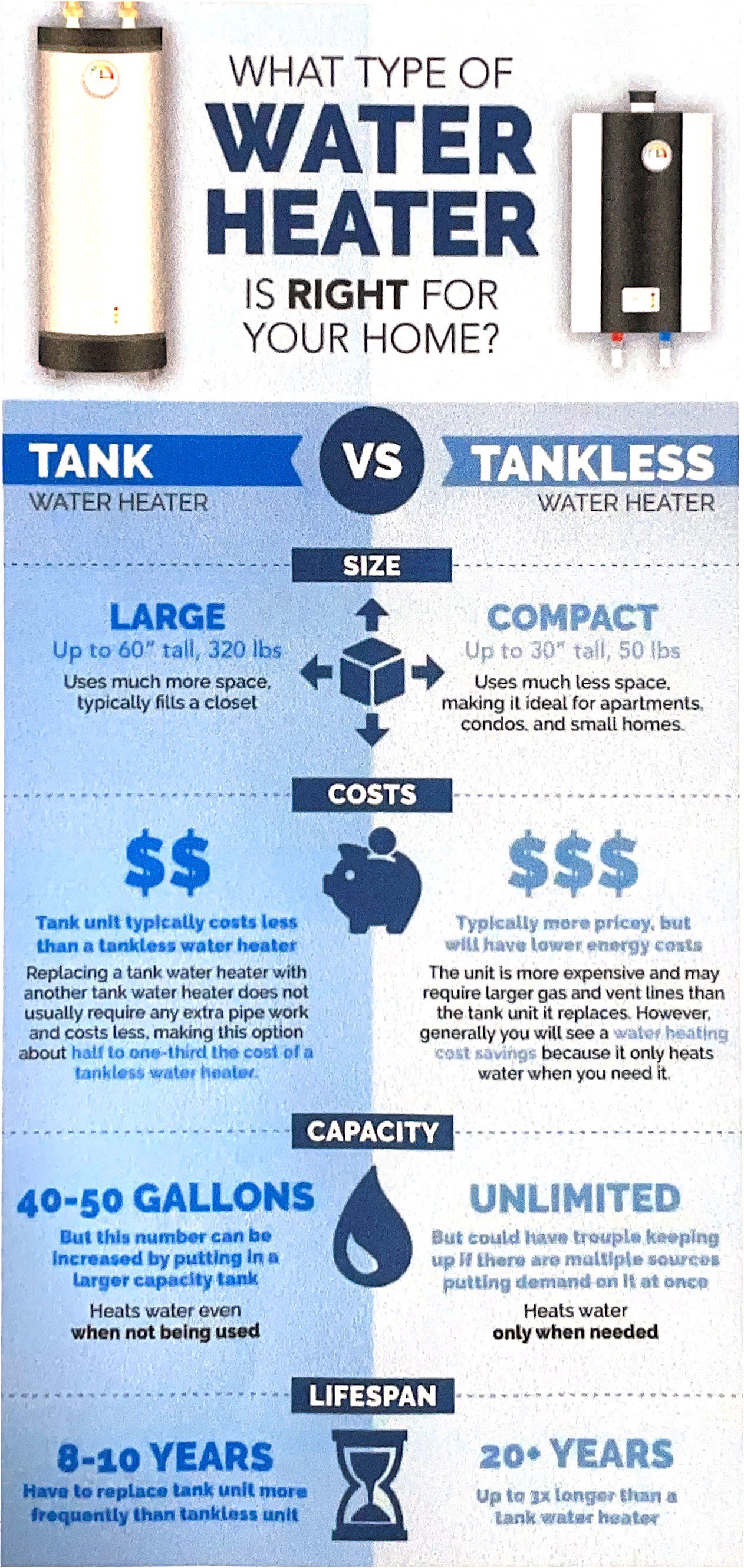
Traditional tank water heaters store hot water in a large tank. They heat water continuously, keeping it ready for use. These units usually cost less upfront. Installation is simple and quick. They work well for families needing lots of hot water at once. However, they use more energy since they keep water hot all day.
Tankless Water Heaters
Tankless water heaters heat water only when needed. They do not store water but heat it directly. These units are more energy-efficient and save space. Their initial cost is higher than traditional tanks. Installation can be more complex. Ideal for small households or places with low hot water demand. They provide endless hot water but may struggle with simultaneous use.

Credit: www.greggio.com
Initial Purchase Costs
The initial purchase cost is a key factor in choosing a water heater. It affects your budget right away. Understanding these costs helps you plan better.
Price Range For Tank Water Heaters
Tank water heaters usually cost less upfront. Prices start around $300 for smaller models. Larger tanks with more capacity can cost up to $1,000. Basic models cover most household needs. Installation costs may add extra expenses. Overall, tank heaters are budget-friendly at purchase.
Price Range For Tankless Water Heaters
Tankless water heaters have higher initial prices. Small units begin near $500. High-capacity models can reach $1,500 or more. These heaters save space but cost more upfront. Installation is often more complex and costly. Expect to spend more at the start with tankless options.
Installation Expenses
Installation expenses play a big role in choosing between a water tank and a tankless water heater. These costs vary based on the type of system and the complexity of the setup. Understanding the installation process helps you see why prices differ.
Installation Process For Tank Heaters
Installing a tank water heater is usually simpler. The unit is placed in one spot, often in a basement or utility room. Plumbers connect the heater to the water supply and power source. They also install a drain pipe for safety. This process usually takes a few hours and uses standard plumbing parts.
Installation Process For Tankless Heaters
Tankless water heaters need more work during installation. These units are smaller but require special venting and electrical upgrades. The plumber may need to upgrade gas lines or electrical wiring. They also mount the heater on a wall. This work can take longer and needs skilled labor.
Factors Affecting Installation Cost
Several factors affect installation costs for both types. Location of the heater matters. Hard-to-reach places add to labor time. Upgrading pipes or wiring raises costs. Local building codes may require permits. These rules can add fees and inspections. The brand and model also influence the price.
Energy Efficiency Impact
Energy efficiency plays a big role in choosing between water tanks and tankless water heaters. It affects your monthly bills and the environment. Understanding how each type uses energy helps make the best choice.
Energy Consumption Of Tank Heaters
Tank water heaters store hot water all day long. They keep heating the water even when no one uses it. This constant heating wastes energy. The tank loses heat through its walls. This loss means the heater works more to keep water hot. It uses more electricity or gas than needed.
Energy Consumption Of Tankless Heaters
Tankless water heaters heat water only when you need it. They do not store hot water. This means they use energy just during water flow. No energy is wasted on keeping water hot. Tankless systems use less electricity or gas for the same amount of hot water.
Long-term Energy Savings
Tankless heaters cost more upfront but save money over time. Lower energy use means smaller utility bills. Tank heaters may cost less first but use more energy later. Over years, tankless heaters reduce your energy expenses. They also last longer, lowering replacement costs.
Maintenance And Repair Costs
Maintenance and repair costs play a big role in choosing between a water tank and a tankless water heater. These costs affect your budget over time. Understanding common problems and repair expenses helps make a smart choice.
Common Issues With Tank Water Heaters
Tank water heaters often face rust and corrosion inside the tank. Sediment builds up at the bottom. This lowers efficiency and can cause leaks. The heating element can also wear out. The thermostat may fail, causing inconsistent water temperature.
Common Issues With Tankless Water Heaters
Tankless water heaters may suffer from mineral buildup in the heat exchanger. This reduces water flow and efficiency. The ignition system can fail, preventing the heater from turning on. Sensors may malfunction, causing error codes. These units need regular descaling to avoid problems.
Cost Of Repairs And Upkeep
Tank water heaters have lower upfront repair costs. Parts like thermostats or heating elements are cheap. But frequent repairs add up over time. Tankless water heaters require less frequent repairs. Repair costs are higher due to complex parts. Regular maintenance like flushing and descaling keeps tankless units efficient. Neglecting upkeep raises repair expenses for both types.
Lifespan And Replacement Frequency
Choosing between a water tank and a tankless water heater involves thinking about lifespan and replacement frequency. These factors affect long-term costs and convenience. Understanding how long each system lasts helps plan for future expenses and maintenance.
Durability Of Tank Water Heaters
Tank water heaters usually last around 8 to 12 years. They store hot water in a large tank, which can cause wear and corrosion. Regular maintenance can extend their life. Rust and leaks are common problems after years of use. The tank’s metal lining can break down over time, leading to replacement.
Durability Of Tankless Water Heaters
Tankless water heaters often last 20 years or more. They heat water on demand, so there is less risk of corrosion. The compact design reduces stress on parts. Regular cleaning of mineral buildup helps maintain efficiency. Their longer lifespan means fewer replacements over time.
Replacement Costs Over Time
Tank water heaters usually cost less upfront but may need replacement sooner. Replacing them every 10 years or so adds to long-term costs. Tankless models cost more initially but last longer, lowering replacement frequency. Considering both purchase price and replacement timing gives a clear cost picture.
Space And Installation Flexibility
Space and installation flexibility matter a lot when choosing a water heater. The size of the unit affects where it fits in your home. Installation ease also depends on the type of heater. These factors can influence your decision and the overall cost.
Space Requirements For Tank Heaters
Tank water heaters need a large space. They store hot water in a big tank. The tank can take up a closet or a corner in the basement. This limits where you can install the unit. The size also means less room for other uses nearby.
Some tanks need extra space for maintenance. This space must be clear to service the heater safely. This requirement can be a problem in small homes or apartments. Moving or replacing a tank heater can be difficult due to its size.
Space Savings With Tankless Systems
Tankless water heaters are compact and wall-mounted. They take up little space compared to tank heaters. You can install them in tight spots, like small closets or utility rooms. This flexibility allows for better use of home space.
Because they heat water on demand, no tank is needed. This means more storage or living space in your home. Installation is simpler in many places. Tankless units also weigh less, making installation faster and easier.

Credit: www.callmother.com
Savings Comparison Summary
Comparing costs between water tanks and tankless water heaters helps you choose the best option. This summary breaks down savings in two parts: short-term costs and long-term financial benefits. Understanding both can guide your decision.
Short-term Cost Analysis
Water tanks cost less upfront. The price to buy and install is lower. Tankless heaters usually cost more to buy and set up. Installation can take longer and need special work. Water tanks are easier and cheaper to replace.
Long-term Financial Benefits
Tankless heaters save money over time. They use less energy since they heat water only when needed. This lowers utility bills. Water tanks lose heat and use more energy. Tankless models last longer and need fewer repairs. This reduces future costs and adds value to your home.
Choosing The Right Option
Deciding between a water tank and a tankless water heater depends on several important factors. Both types have unique benefits and costs that affect your choice. Understanding these can help you pick the best option for your home.
Think about your daily hot water use and budget. This helps narrow down which heater suits your needs. The right choice balances cost, efficiency, and convenience.
Factors To Consider
First, look at installation cost. Tank water heaters usually cost less upfront. Tankless heaters need higher initial investment but save energy over time.
Next, check energy efficiency. Tankless models heat water only when needed. This reduces waste and lowers bills.
Consider space too. Tank heaters need more room. Tankless units are compact and fit tight spaces.
Maintenance matters. Tanks may require more repairs due to rust or leaks. Tankless units have fewer parts to replace.
Matching Heater Type To Household Needs
Think about the number of people in your home. Larger families often benefit from tank heaters due to steady hot water supply.
Smaller households might save with tankless heaters. They provide hot water on demand without storage.
Also, consider your water usage patterns. If you use hot water at different times, tankless systems work well.
For high simultaneous use, a tank system may handle the load better.
Frequently Asked Questions
What Is The Cost Difference Between Tank And Tankless Heaters?
Tank water heaters usually cost less upfront, around $300 to $700. Tankless models cost more initially, about $800 to $1,500.
How Do Installation Costs Compare For Both Heaters?
Installing a tank heater is simpler and cheaper, often under $500. Tankless heaters need special setup, which can cost $1,000 or more.
Which Heater Saves More Money Long-term?
Tankless heaters use energy only when needed, saving money on bills. Tank heaters keep water hot all the time, using more energy.
How Long Do Tank And Tankless Heaters Last?
Tank heaters last about 10 to 15 years on average. Tankless heaters tend to last longer, around 20 years or more.
Are Maintenance Costs Different For Tank Vs Tankless Heaters?
Tank heaters need regular flushing to remove sediment. Tankless heaters require less maintenance but may need yearly check-ups.
Conclusion
Choosing between water tank and tankless water heaters depends on your budget and needs. Tank models cost less upfront but use more energy over time. Tankless heaters save space and energy but have higher initial costs. Think about how much hot water your home needs daily.
Consider long-term savings versus immediate expenses. Both options have pros and cons. Decide what fits your lifestyle and finances best. This way, you make a smart choice that suits your home and wallet.