
A hot water heater is one of those home appliances we often forget—until something goes wrong. One common and alarming problem is when the hot water heater starts to overflow. Water on the floor, strange noises, or a steady drip from the pressure relief valve can quickly turn into a stressful situation.
Understanding why this happens is not just about fixing leaks; it’s about keeping your home safe, your bills low, and your hot showers uninterrupted.
Many people think an overflowing water heater is just a sign of old age or simple wear and tear, but the real reasons can be more complex. Often, the cause is a combination of mechanical failure, improper installation, or even small mistakes during regular maintenance.
This article will break down the main causes, highlight less obvious issues, and offer clear advice to help you spot problems early and act before damage occurs.
How A Hot Water Heater Works
Before diving into the causes of overflow, it’s helpful to know how a hot water heater operates. Most homes use a tank-style water heater, which heats and stores water in an insulated tank. When you open a faucet, hot water leaves the tank, and cold water flows in to replace it. A thermostat controls the water temperature. There are safety devices, like the temperature and pressure relief valve (T&P valve), designed to open if temperature or pressure gets too high.
Every part of the system must work together. When something goes wrong, water can escape where it shouldn’t, often as an overflow.
Main Causes Of A Hot Water Heater Overflow
Let’s explore the most common and important reasons why your hot water heater might overflow.
1. Faulty Temperature And Pressure Relief Valve (t&p Valve)
The T&P valve is a key safety feature. It opens if the tank’s temperature or pressure gets too high, letting water out to prevent the tank from exploding. If this valve is defective, stuck, or covered in mineral deposits, it might release water even when it shouldn’t.
Example: If your T&P valve is leaking all the time, not just after heavy water use, it may be faulty and need replacing.
Non-obvious insight: Some people try to plug or cap a leaking T&P valve. This is very dangerous and can cause a catastrophic tank failure.
2. Excessive Water Pressure
Too much pressure inside the tank is a top reason for overflow. Municipal water pressure should typically be between 40-60 psi (pounds per square inch). If pressure goes above 80 psi, the T&P valve will release water to lower the pressure.
What causes high pressure?
- Malfunctioning pressure reducing valve on your water main
- Sudden surges from city water supply
- Expansion due to heating water in a closed system
High pressure not only causes overflow but also shortens the heater’s lifespan.
Practical tip: Install a pressure gauge on your system to monitor levels.
3. High Water Temperature
If the thermostat fails or is set too high, water can get hotter than 120°F-140°F (49°C-60°C). As water heats, it expands, increasing pressure in the tank. The T&P valve opens to prevent danger, resulting in overflow.
Common mistake: Sometimes, people turn up the thermostat to compensate for lukewarm water, not realizing this can make the problem worse.
4. Faulty Thermostat
A thermostat controls the heating element inside your water heater. If it’s broken or miscalibrated, it may not shut off when it should, causing overheating and excess pressure.
Early sign: Water that is much hotter than usual, or you hear boiling or popping noises from the tank.
5. Sediment Buildup
Over time, minerals (like calcium and magnesium) in hard water settle at the bottom of the tank. This sediment can insulate the heating element, making it work harder and heat water unevenly. The extra heat can trigger the T&P valve or even damage the tank.
Stat: In areas with hard water, sediment can reduce efficiency by up to 50% in just a few years.
Practical insight: Flushing the tank once or twice a year keeps sediment under control.
6. Faulty Or Blocked Expansion Tank
Modern plumbing codes often require an expansion tank—a small tank connected to the water heater that absorbs extra water volume as it heats and expands. If the expansion tank is full of water (instead of air) or its bladder is damaged, it can’t absorb pressure, causing the main tank to overflow.
Non-obvious insight: Expansion tanks have a limited lifespan (5–10 years) and should be checked during regular maintenance.
7. Inlet/outlet Connection Problems
Loose, corroded, or poorly installed pipes connected to the heater can cause leaks that look like overflows. If water appears around the top or base of the unit, check all connections.
Pro tip: Always use Teflon tape or approved pipe sealant on threaded connections.
8. Cracked Or Corroded Tank
Older water heaters can develop cracks or pinhole leaks due to rust and corrosion. If water is coming from the tank body (not a valve or pipe), the tank may be failing.
Example: You notice rust-colored water or puddles under the heater that don’t stop even after replacing valves.
Important: A corroded tank cannot be repaired and should be replaced immediately.
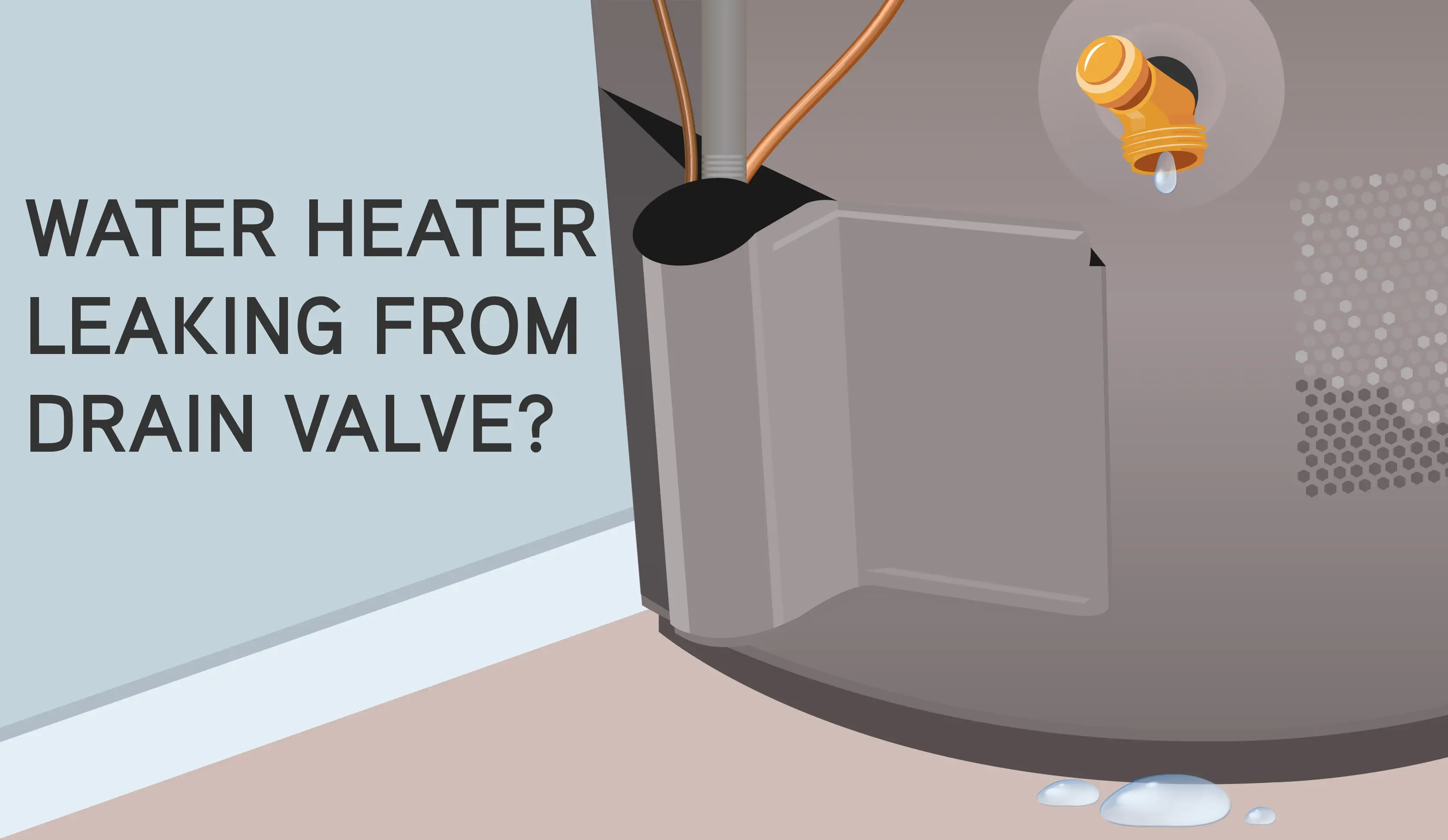
9. Faulty Drain Valve
The drain valve at the bottom of the heater is used for maintenance. If it’s not closed tightly or is damaged, it can drip or leak, creating the impression of an overflow.
Tip: Replace old plastic drain valves with brass ones for better durability.
10. Backflow From Sewer Or Main Line
Sometimes, a problem outside your heater—like a backed-up main sewer line or a failed backflow preventer—can force water back into the heater, causing it to overflow.
Non-obvious insight: Backflow issues often cause sudden, large overflows and can contaminate your hot water.
11. Faulty Heating Element
In electric water heaters, a faulty heating element can stay on too long, overheating the water and causing pressure buildup.
Sign: Water that is scalding hot or a breaker that trips often.
12. Incorrect Water Heater Size
If your heater is too small for your home’s needs, it may work overtime, leading to overheating and pressure problems. The extra stress can cause leaks and overflows.
Stat: A 30-gallon tank is suitable for 1–2 people; a family of 4 typically needs 50–60 gallons.
13. Improper Installation
Poor installation can cause a range of problems, from bad connections to missing safety devices. For example, installing a heater without a proper T&P discharge pipe can cause dangerous overflows.
Example: An incorrectly sloped discharge pipe can allow water to collect and back up into the tank.
14. Damaged Or Missing Anode Rod
The anode rod protects the tank from corrosion. If it’s worn out or missing, the tank can rust from the inside, leading to leaks and eventual overflow.
Maintenance tip: Check the anode rod every 2–3 years.
15. Old Age And Wear
Most tank-style water heaters last 8–12 years. As they age, parts wear out, metal weakens, and leaks become more likely. Overflowing is often a sign the unit is nearing the end of its life.
Pro insight: Replacing a heater before it fails saves money on water damage repairs.
Credit: www.mrrooter.com
Comparing Overflow Causes: Common Vs. Rare
Here’s a look at how often some of these causes are seen in real-life service calls.
| Cause | Frequency (Common, Occasional, Rare) | Repair Difficulty |
|---|---|---|
| T&P Valve Failure | Common | Easy |
| High Water Pressure | Common | Moderate |
| Sediment Buildup | Common | Moderate |
| Expansion Tank Problems | Occasional | Moderate |
| Backflow Issues | Rare | Hard |
| Cracked Tank | Occasional | Irreparable |
Warning Signs Before Overflow Happens
Many hot water heaters give clues before they overflow. Watch for these early warning signs:
- Strange noises (rumbling, popping, or hissing)
- Water pooling around the base of the heater
- Drips from the T&P valve or discharge pipe
- Rusty water when you use hot taps
- Hotter than normal water
- Sudden increase in water bills
Addressing these signs early can save you from bigger problems and expensive repairs.

Credit: www.instantplumbing.ca
What To Do If Your Water Heater Overflows
If you notice your hot water heater is overflowing, quick action can prevent major damage:
- Turn off the power to the heater. For electric units, switch off the breaker. For gas units, turn the thermostat to “off.”
- Shut off the cold water supply to the tank. The valve is usually above the unit.
- Open a hot water faucet somewhere in the house to relieve pressure.
- Clean up any water to prevent floor damage or mold.
- Call a licensed plumber if you’re unsure of the cause.
Do not ignore overflows. Even small leaks can lead to costly repairs, mold growth, or electrical hazards.
Why Ignoring Overflow Can Be Dangerous
Some homeowners delay repairs, hoping leaks will “go away.” This can be a serious mistake for several reasons:
- Water damage: Even a small, constant leak can rot wood, destroy insulation, and create mold.
- Electrical risk: Water and electricity don’t mix. Overflow can reach wiring, causing shorts or fires.
- Health hazards: Mold growth from water damage can lead to respiratory problems.
- Explosion risk: If a T&P valve is blocked or fails, the tank can become a bomb.
Data: The Real Cost Of Water Heater Overflows
Water heater overflows are not just annoying—they’re expensive. The Insurance Information Institute reports that water damage claims average $10,234 per incident in the US (2021 data).
Example: A leaking heater on the second floor can damage ceilings, walls, and floors below, multiplying repair costs.
Ways To Prevent Hot Water Heater Overflow
You can avoid most overflows with good habits and simple maintenance:
- Test the T&P valve every 6 months. Lift the lever to check if water flows out the discharge pipe.
- Flush the tank once a year to remove sediment.
- Check the pressure. Install a pressure gauge and keep system pressure below 80 psi.
- Inspect for leaks monthly around connections, valves, and the base.
- Install an expansion tank if your home has a closed plumbing system.
- Replace the anode rod every 2–3 years.
- Set the thermostat to 120°F for safety and efficiency.
- Schedule professional inspections every 2–3 years.
- Replace the heater every 8–12 years, or sooner if you notice rust or leaks.
Non-obvious insight: Many overflows happen soon after home renovations. Changes in plumbing or water pressure can stress old heaters. Always check your heater after big plumbing jobs.
Choosing The Right Water Heater For Your Home
Picking the right size and type of heater helps avoid overflows and other issues.
| Household Size | Recommended Tank Size (Gallons) | Notes |
|---|---|---|
| 1–2 people | 30–40 | Ideal for small apartments |
| 3–4 people | 50–60 | Standard family home |
| 5+ people | 70–80 | Large families or high hot water use |
Pro tip: If in doubt, choose a slightly larger size to reduce stress on the system.
Maintenance Schedules: What To Do And When
Regular maintenance is key to preventing overflow and extending the life of your heater.
| Task | Frequency | DIY or Pro? |
|---|---|---|
| Test T&P Valve | Every 6 months | DIY |
| Flush Tank | Yearly | DIY/Pro |
| Check Anode Rod | Every 2–3 years | DIY/Pro |
| Inspect Expansion Tank | Yearly | Pro |
| Full System Inspection | Every 2–3 years | Pro |

Credit: waterheatingdirect.com
Real-life Example: A Costly Overflow
Consider a busy family who ignored a small drip from their heater’s T&P valve. Over several months, the drip turned into a constant leak. Eventually, the tank overflowed, flooding the garage and damaging boxes, tools, and the home’s foundation. The repair bill? Over $7,500—much more than the cost of a new heater.
Lesson: Small leaks are warnings. Act early to prevent big disasters.
When To Replace Your Water Heater
Not all overflows mean you need a new heater, but some signs show it’s time for replacement:
- The unit is over 10 years old
- Rust is present on the tank or in your water
- Leaks appear from the tank body (not just valves)
- Repairs cost more than half the price of a new heater
Modern heaters are more efficient, safer, and often come with better warranties.
The Role Of Professional Inspection
While many maintenance tasks are simple, some problems require a licensed plumber. Professionals have tools to check pressure, test valves, and find hidden leaks. They can spot early warning signs you might miss.
Non-obvious insight: Professional inspections can sometimes reduce your homeowner’s insurance premiums, as they show you’re reducing risk.
Can Tankless Water Heaters Overflow?
Tankless or “on-demand” water heaters are less likely to overflow, as they don’t store large volumes of hot water. However, they can still leak due to high pressure, faulty valves, or poor installation. Regular maintenance is still essential.
Cost Comparison: Repair Vs. Replacement
Here’s a quick cost comparison based on national averages:
- Replace T&P Valve: $100–$300
- Flush Tank (Pro Service): $100–$200
- Replace Water Heater: $900–$2,500
- Repair Water Damage: $2,000–$10,000
Often, quick repairs or replacements save thousands in the long run.
Resources For Further Reading
For more technical details and safety guidelines, visit the U.S. Department of Energy Water Heating page.
Frequently Asked Questions
Why Does My Hot Water Heater Overflow Only Sometimes?
Intermittent overflow usually means your system is near its pressure or temperature limits. It can happen during heavy hot water use, or when city water pressure spikes. Check your thermostat and pressure settings, and inspect the T&P valve for proper function.
Can I Fix An Overflowing Water Heater Myself?
Some fixes, like tightening connections or replacing a T&P valve, are possible for DIYers with basic tools. However, problems like high pressure, electrical faults, or a cracked tank should always be handled by a professional to avoid safety risks.
How Long Should A Hot Water Heater Last Before Replacement?
Most tank-style water heaters last 8–12 years. With proper maintenance, some last up to 15 years. If your unit is over 10 years old and starts to leak, replacement is usually more cost-effective than repair.
Is An Overflowing Water Heater Dangerous?
Yes, it can be. Overflow can lead to water damage, mold, electrical hazards, and, in rare cases, even explosions if pressure is not relieved. Never block a leaking safety valve, and address overflows as soon as possible.
Does Hard Water Make Overflow More Likely?
Hard water increases sediment buildup, which can cause overheating and pressure problems. This raises the risk of overflow. Flushing the tank regularly and using a water softener can help prevent these issues.
A hot water heater overflow is more than a simple leak—it’s a sign that something important is wrong. By understanding the causes, watching for warning signs, and following maintenance best practices, you can keep your hot water flowing and your home safe.
Don’t ignore small leaks. Acting early saves money and avoids stress.