
Many homeowners wonder if gas valves for water heaters are interchangeable. It’s a common question, especially when repairs are needed, or when an old valve fails and a replacement is required. The idea of swapping one valve for another may sound simple, but the reality is more complex.
Choosing the wrong gas valve can lead to dangerous leaks, failed ignitions, and even voided warranties. It can also reduce your water heater’s efficiency and lifespan. For anyone who values safety and reliability, understanding the details of water heater gas valves is essential.
This article will help you understand how gas valves work, what makes each type unique, and when (if ever) you can swap one for another. You’ll get clear explanations, practical advice, and real-world examples—so you can make smart choices for your home or business.
By the end, you’ll know what to check before buying or installing a new gas valve and how to avoid common mistakes that even some professionals overlook.
Understanding Water Heater Gas Valves
A gas valve is a critical part of any gas-powered water heater. Its main job is to control the flow of gas to the burner inside the heater. When the thermostat senses the water is too cool, the gas valve opens, letting fuel reach the burner. When the water is hot enough, it shuts off the gas. This simple mechanism keeps your water at a safe, comfortable temperature without wasting energy.
Gas valves also have safety features. For example, most units include a thermocouple or thermopile that detects whether the pilot light is on. If the pilot goes out, the gas valve stops the flow of gas to prevent leaks or explosions.
Most modern gas valves are powered by the water heater’s own sensors. Some advanced models have electronic controls for more precise temperature settings. Others use simple mechanical parts. The right valve for your system depends on its age, brand, fuel type, and design.
Different Types Of Gas Valves
Not all gas valves are the same. Here are the main types you’ll find:
- Standing Pilot Gas Valves: These are common in older water heaters. They use a pilot light that stays on all the time.
- Electronic Ignition Gas Valves: Found in newer models, these use an electric spark or hot surface to ignite the gas only when needed.
- Combination Gas Valves: These include several controls in one unit (thermostat, pilot, main valve).
- Manual Gas Shutoff Valves: These allow you to turn off gas to the heater for maintenance, but they don’t control temperature or ignition.
Here’s a quick comparison:
| Type | Main Feature | Common Use |
|---|---|---|
| Standing Pilot | Pilot light stays on | Older heaters |
| Electronic Ignition | Ignites gas only when needed | Modern heaters |
| Combination Valve | Multiple controls in one | All types |
| Manual Shutoff | Manual gas control | Maintenance safety |
Each type has its own wiring, safety sensors, and connections. That’s why you can’t always swap one for another.
Are Gas Valves Interchangeable?
The short answer: Most water heater gas valves are NOT directly interchangeable.
Here’s why:
- Different Specifications: Valves are designed for specific pressure ratings, gas types (natural gas or propane), and temperature ranges.
- Brand and Model Compatibility: Manufacturers design valves to fit their own heaters. Even valves that look similar may have different threads, lengths, or wiring.
- Safety and Certification: Each valve must meet strict safety standards. Using the wrong valve can be dangerous and may void your warranty or violate building codes.
- Electronic vs. Mechanical: Electronic valves need compatible controls. A mechanical valve can’t simply replace an electronic one.
Let’s look deeper at each point.
Gas Type Matters
Natural gas and propane have different properties. Valves for propane are calibrated for higher pressure than those for natural gas. Using the wrong valve can cause incomplete combustion, carbon monoxide, or fire risk.
Pressure Ratings
Every valve is rated for a specific inlet and outlet pressure. Using a valve rated for low pressure on a high-pressure system (or vice versa) can lead to leaks or dangerous malfunctions.
Physical Fit
The thread size, mounting, and connection points must match your heater. Even if the gas valve screws in, it may not form a safe, leak-free seal, or it may not align with the burner.
Electronic Controls
Modern water heaters use digital thermostats and sensors. These need gas valves with the right connectors and voltage. Swapping a mechanical valve into an electronic system—or the other way around—usually doesn’t work.
Certification And Code Compliance
In the US, gas valves must be UL-listed or CSA-certified. Using a non-certified valve, or one not meant for your heater, can violate local codes and put your home insurance at risk.
When You Can Safely Replace A Gas Valve
Sometimes, you can use a different gas valve, but only under strict conditions:
- OEM Replacement: If you get an original equipment manufacturer (OEM) valve for your exact model, it will fit and work safely.
- Universal Replacement Valves: Some valves are labeled “universal.” These are adjustable and come with adapters. Even so, you must check:
- Gas type compatibility
- Pressure range
- Physical size and thread type
- Electrical connections (if present)
- Certification for your heater brand and model
- Professional Advice: Always consult a licensed plumber or your water heater’s manufacturer before installing a non-OEM valve.

Credit: jacksonsystems.com
Real-world Example: Swapping A Gas Valve
Imagine you own a Rheem natural gas water heater with a failed gas valve. You find a “universal” valve online that promises to fit most water heaters. Should you buy it? Here’s what you need to check:
- Is the universal valve rated for natural gas?
- Does it match the pressure rating of your Rheem heater?
- Are the threads and mounting points the same?
- Does the valve support your type of ignition (pilot or electronic)?
- Is it certified for use with Rheem models?
If any answer is “no” or “I don’t know,” it’s not safe to use the universal valve. Always match the valve to your heater’s exact requirements.
Key Factors That Make Gas Valves Non-interchangeable
Let’s look at some specific factors that prevent easy swapping:
1. Gas Type Calibration
Natural gas and propane burn differently. Their valves are calibrated for different flow rates and pressures.
2. Temperature Control Compatibility
Some heaters use a simple dial, others have digital displays. The gas valve must match the control system.
3. Safety Device Integration
Modern valves have built-in safety devices (thermocouples, flame sensors). If your heater expects a certain sensor type and the new valve uses another, it won’t work.
4. Size And Mounting
A small difference in thread size or mounting hole position can prevent a safe, leak-proof connection.
5. Electrical And Wiring Differences
Electronic valves may have different connectors, voltages, or control signal requirements.
6. Certification Labels
If your new valve lacks a UL, CSA, or similar certification, it may not be legal or safe for use in your region.

Credit: homeguide.com
Comparing Popular Gas Valve Brands
To show how different valves can be, let’s compare three common brands: Rheem, AO Smith, and Honeywell.
| Brand | Common Valve Model | Gas Type | Connection Type | Notes |
|---|---|---|---|---|
| Rheem | SP20303B | Natural Gas | Threaded, electronic | OEM only, electronic control |
| AO Smith | 9007890 | Natural Gas/Propane | Threaded, mechanical | May fit older models, check specs |
| Honeywell | WV8840A1000 | Natural Gas | Threaded, electronic | Universal, but check compatibility |
Notice the differences in gas type, connection, and controls. Even “universal” valves need careful checking.
Step-by-step: How To Identify Your Water Heater Gas Valve
If you need to replace your gas valve, use these steps:
- Check the Label: Look for a sticker or metal plate on the valve. It should list the model number, gas type, pressure rating, and certifications.
- Photograph the Valve: Take clear photos of the valve and its connections. This helps you compare with replacements.
- Note the Heater Model: Write down your water heater’s brand, model, and serial number.
- Document the Controls: Is your thermostat a dial or a digital display? Is ignition manual or automatic?
- Measure Connections: Use a ruler or caliper to measure the thread size and distance between mounting holes.
- Check Certification: Look for UL, CSA, or other safety marks.
Bring this information to your supplier or plumber. It’s the best way to ensure you get the correct part.
The Dangers Of Using The Wrong Gas Valve
Mistakes with gas valves can be deadly. Here are risks of using an incompatible or uncertified valve:
- Gas Leaks: Poor fit or wrong calibration can let gas escape, leading to fire or explosion.
- Failed Ignition: Incorrect valves can prevent the burner from lighting, leaving you with cold water.
- Unsafe Operation: If safety sensors don’t match, the heater may keep running with no flame, releasing raw gas.
- Voided Warranty: Most manufacturers won’t honor a warranty if the wrong parts are used.
- Building Code Violations: In many areas, only certified valves are legal.
Common Myths About Gas Valve Interchangeability
Many people believe myths about gas valves. Let’s clear up a few:
- “If it fits, it works.” False. Fit is only one part of compatibility.
- “Universal valves fit all heaters.” Not true. Universal valves may need adapters and careful checking.
- “Gas type doesn’t matter.” Wrong. Natural gas and propane valves are not interchangeable.
- “Any licensed plumber can swap valves.” A good plumber will check all specs, but mistakes still happen if the wrong valve is supplied.
How To Safely Replace A Water Heater Gas Valve
If you are a DIY enthusiast or working with a professional, here’s what safe replacement involves:
- Turn Off the Gas: Use the manual shutoff valve before you do anything.
- Disconnect Power: If your heater has electronic controls, unplug it or switch off the breaker.
- Check for Gas Leaks: Use a soap-and-water solution to check for leaks after installation.
- Test All Controls: Make sure the thermostat, pilot, and burner work as expected.
- Have an Inspection: In some areas, a licensed inspector must check your work.
Non-obvious Insights Most Beginners Miss
- Adapters Create Risks: Some “universal” valves come with adapters. While these can help with fit, they add more joints where leaks can start. A direct-fit OEM valve is always safer.
- Label Confusion: Some valves are relabeled for different markets or brands. Two valves may look identical but have different internal calibrations. Always match the full model number, not just the appearance.
- Warranty Issues: Using a non-OEM valve, even if it works, may void your water heater’s warranty. Manufacturers often require proof of correct parts in case of claims.
What To Do When An Exact Replacement Is Unavailable
Sometimes, your water heater is old, and the OEM part is discontinued. Here’s what you can do:
- Contact the Manufacturer: They may recommend a compatible part or a universal valve.
- Work with a Specialist Supplier: Some companies specialize in hard-to-find parts.
- Consider Upgrading the Heater: If no safe valve is available, replacing the water heater might be more cost-effective and safer in the long run.
Gas Valve Replacement Costs
Costs vary depending on the valve type and labor:
| Valve Type | Part Cost (USD) | Labor Cost (USD) | Total Estimate |
|---|---|---|---|
| OEM Mechanical | $60-$120 | $100-$200 | $160-$320 |
| OEM Electronic | $120-$250 | $150-$300 | $270-$550 |
| Universal Replacement | $80-$200 | $150-$250 | $230-$450 |
These are average prices. High-end heaters or rare valves can cost more.
Practical Tips For Buying And Installing Gas Valves
- Bring All Details to the Store: Model number, gas type, and photos help avoid mistakes.
- Buy From Reputable Sellers: Avoid generic, no-brand valves online.
- Check Return Policies: In case the valve doesn’t fit, you’ll want an easy return.
- Don’t Reuse Old Seals: Always use new gaskets or thread sealant.
- Have Leak Detection Tools Ready: After installation, always check for leaks.
When To Call A Professional
- If you’re unsure about any part of the process
- If your heater uses electronic controls
- If your local code requires licensed installation
- After any gas leak or if you smell gas
A professional has the tools and knowledge to keep your home safe.
The Future Of Water Heater Gas Valves
Gas valve technology is evolving. New heaters use smart controls, Wi-Fi connectivity, and self-diagnostics. These new systems often require proprietary valves that are even less interchangeable than older designs. As efficiency and safety standards rise, matching the right valve to your heater will become even more important.
Summary Of Key Takeaways
- Most gas valves are not interchangeable due to differences in gas type, pressure, controls, and certification.
- Only use an OEM valve, or a compatible universal valve approved by your manufacturer.
- Always check gas type, pressure rating, thread size, and certification.
- Using the wrong valve is dangerous and can void your warranty.
- When in doubt, consult a professional or your manufacturer.
For more technical details, the CSA Group provides standards and guidance on gas valves and safety.
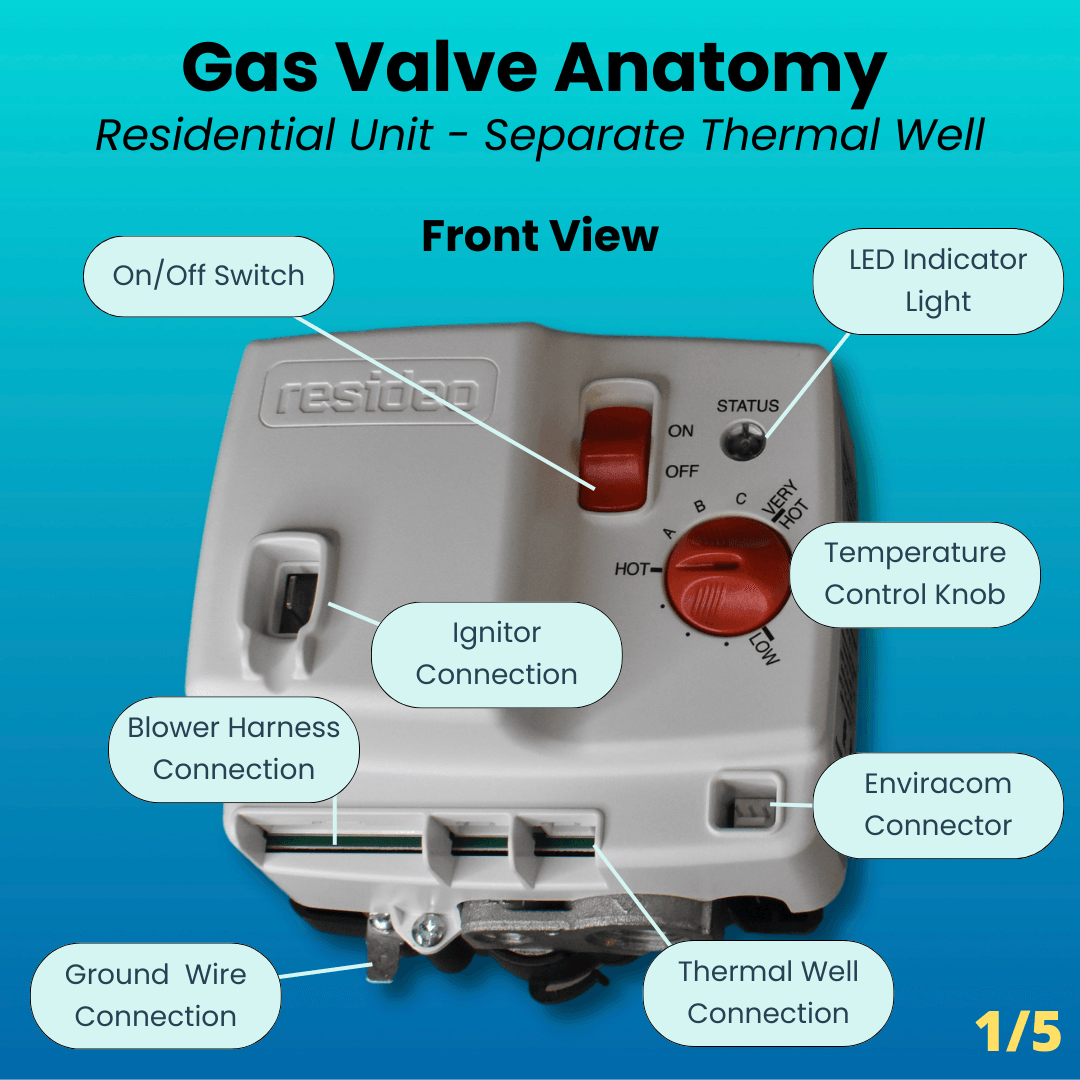
Credit: www.uswhpro.com
Frequently Asked Questions
Can I Use A Propane Gas Valve For A Natural Gas Water Heater?
No. Propane and natural gas valves are calibrated differently. Using a propane valve with natural gas (or vice versa) can cause unsafe operation, poor combustion, and may lead to gas leaks or fire risk. Always match the valve to your fuel type.
Are Universal Gas Valves Safe To Use?
Universal valves can be safe only if they match your heater’s specifications (gas type, pressure, controls, certifications). Always check the manual and consult your manufacturer or a licensed plumber before using a universal valve.
How Do I Know Which Gas Valve My Water Heater Needs?
Check the label on your current gas valve and your water heater’s manual. The label shows model number, gas type, pressure rating, and certifications. Bring this information to your supplier or plumber to find a safe replacement.
What Are Signs That My Gas Valve Is Failing?
Common symptoms include no hot water, pilot light won’t stay lit, strange noises, or the smell of gas. If you notice any of these, turn off the gas supply and call a professional immediately.
Is It Legal To Replace A Gas Valve Myself?
In some areas, you can replace a gas valve yourself if you have the skills and tools. However, many local codes require a licensed plumber to do the work, especially for electronic or high-efficiency heaters. Check your local laws and always put safety first.
By understanding these details, you can keep your water heater running safely and efficiently for years to come. If you ever have doubts about gas valve compatibility, expert advice is always the best investment.