
A water heater is one of those appliances we rarely think about—until something goes wrong. When hot water suddenly turns cold or you notice water pooling near your heater, it can be stressful. But what if the problem is your relief valve keeps opening? This issue is more common than you might think, and it’s not something to ignore. If your water heater’s relief valve opens again and again, it means the system is trying to protect you from potential danger. Yet, it’s also a sign that something is wrong.
If you’re facing this issue, you’re not alone. Many homeowners wonder why their water heater relief valve won’t stay closed and what risks are involved. Understanding how the relief valve works, why it opens, and what you can do about it can save you money, prevent water damage, and even protect your home from disaster. Let’s break down everything you need to know—simply and clearly—so you can handle this problem with confidence.
What Is A Water Heater Relief Valve?
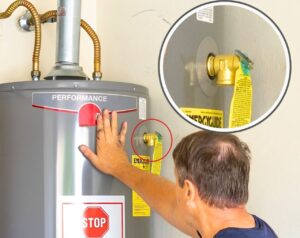
The water heater relief valve (also called the temperature and pressure relief valve, or T&P valve) is a safety device. Its main job is to release water if the pressure or temperature inside your water heater tank gets too high. Without this valve, a malfunctioning water heater could actually explode.
How Does It Work?
The relief valve is installed near the top or side of the tank. It’s connected to a discharge pipe that directs hot water safely to the floor or a drain. If pressure or temperature inside the tank rises past a set limit (usually 150 psi for pressure or 210°F for temperature), the valve opens and releases water.
This action prevents dangerous situations.
Why Is It So Important?
A stuck or faulty relief valve can put your home at risk for a tank explosion. It’s rare, but it happens. That’s why you should never cap the discharge pipe or ignore leaks. A working valve is your last line of defense.
Common Reasons The Relief Valve Keeps Opening
When the relief valve opens once, it’s often doing its job. But if it keeps opening repeatedly, there’s a deeper problem. Let’s look at the main reasons this happens.
1. High Water Pressure
Most residential water heaters are designed to operate safely at pressures up to 150 psi. City water pressure can sometimes spike above this, especially at night. If your home’s pressure is consistently high, the relief valve may open to release the excess.
Insight: Many people miss that water pressure can change throughout the day due to city supply cycles.
2. Excessive Water Temperature
If the thermostat on your water heater is set too high, or if the heating element malfunctions, the water may get hotter than 210°F. The relief valve opens to prevent scalding and tank damage.
Example: If you notice steam or extremely hot water coming from your taps, check your heater’s temperature setting.
3. Thermal Expansion
When water heats up, it expands. In a closed plumbing system (with check valves or pressure regulators), this extra volume has nowhere to go. The pressure builds up, and the relief valve opens.
Non-obvious Insight: Many modern homes have backflow preventers, which create a closed system. Without an expansion tank, pressure spikes are common.
4. Faulty Relief Valve
Like any part, relief valves can wear out or get stuck. Sediment, corrosion, or manufacturing defects can cause the valve to open too easily or not seal properly.
5. Incorrect Installation
If the relief valve or discharge pipe is installed improperly, it can cause leaks or open at the wrong pressure.
6. Sediment Build-up
Over time, minerals and debris can collect inside your water heater. This can affect both the valve and the tank’s sensors, causing false readings and unwanted valve opening.
7. Water Hammer
Sudden changes in water flow (like slamming faucets shut) can cause pressure spikes called water hammer. Repeated hammering can trigger the relief valve.
Signs Your Water Heater Relief Valve Is Opening
It’s not always obvious when your relief valve is releasing water. Here are signs to watch for:
- Water dripping or pooling near the base of the water heater
- Moisture or corrosion on the discharge pipe
- Hissing or gurgling sounds from the heater
- Sudden drops in hot water pressure
- Steam or very hot water from the discharge pipe
If you notice these, act quickly. Prolonged valve opening can damage your floors, walls, and heater.
Why You Shouldn’t Ignore A Relief Valve That Keeps Opening
The relief valve is not just another part—it’s a safety device. Ignoring a valve that keeps opening can lead to serious problems.
- Property damage: Water leaks can rot floors, damage drywall, and cause mold.
- Safety risks: High pressure or temperature can cause tank rupture or explosion.
- Wasted energy: Frequent valve opening means your heater works harder, raising your bills.
- Hidden issues: The real problem could be with your home’s plumbing, not just the heater.
Diagnosing The Problem: Step-by-step
Finding the cause isn’t always simple. Here’s a practical step-by-step process to help you pinpoint the issue.
1. Check Water Pressure
Get a water pressure gauge from a hardware store. Attach it to a hose bib or washing machine outlet.
- Normal pressure: 40–60 psi
- Too high: 80 psi or above
If your pressure is high, you may need a pressure reducing valve.
2. Check Water Temperature
Set a kitchen thermometer under a hot tap. Run water for a minute and measure.
- Safe temperature: 120–140°F
- Too high: Above 150°F
If the temperature is too high, lower the thermostat on the heater.
3. Inspect The Relief Valve
Visually check the valve and discharge pipe for leaks or corrosion. If you see white crust or rust, the valve may be failing.
4. Test For Thermal Expansion
Turn off the main water valve, then open a hot water tap. If the dripping stops, thermal expansion is likely the problem.
5. Look For Water Hammer
Listen for banging pipes when you turn off faucets quickly. This may require water hammer arrestors.
Solutions For A Relief Valve That Keeps Opening
Once you know the cause, you can take steps to fix it. Here’s how to solve each common problem.
Lower The Water Pressure
If high pressure is the issue, install a pressure reducing valve (PRV) on your main water line. This device keeps home pressure stable, usually around 50 psi.
- PRVs can cost $50–$200, plus installation.
- Regularly check the pressure with a gauge.
Adjust The Thermostat
If water temperature is too high, turn the thermostat down.
- Most heaters have a dial near the bottom or behind a panel.
- Wait a few hours, then retest the water temperature.
Install An Expansion Tank
If you have a closed plumbing system, an expansion tank absorbs the extra pressure from heated water.
- The tank mounts near the heater, connecting to the cold water line.
- A plumber can install it in under an hour.
- Expansion tanks cost $40–$100.
Replace The Relief Valve
If the valve itself is faulty, replace it. Here’s how:
- Turn off the power and water supply to the heater.
- Drain a few gallons of water from the tank.
- Use a wrench to unscrew the old valve.
- Wrap the threads on the new valve with Teflon tape.
- Screw in the new valve and tighten.
- Restore power and water.
Tip: Always use a valve rated for your heater’s size and pressure.
Fix Water Hammer
Install water hammer arrestors near noisy appliances or faucets. These devices cushion the shock waves in your pipes.
Flush The Water Heater
If sediment is the culprit, flush your tank:
- Turn off power and cold water supply.
- Attach a hose to the drain valve.
- Open a hot water tap in the house.
- Open the drain valve and let water flow out until clear.
- Close the drain, refill the tank, and restore power.
Non-obvious Insight: Flushing your tank every year can prevent most sediment-related problems.

Credit: www.youtube.com
When To Call A Professional
Some fixes are DIY-friendly, but others require a licensed plumber. Call for help if:
- The relief valve opens even after pressure and temperature are normal.
- You see rust or corrosion on the tank.
- There’s water leaking from places other than the discharge pipe.
- You’re unsure how to install an expansion tank or PRV.
A professional can test your system and make sure everything is safe.
Water Heater Relief Valve Vs. Other Water Heater Problems
It’s easy to confuse relief valve issues with other common water heater problems. Here’s a quick comparison to help you tell the difference:
| Symptom | Relief Valve Problem | Other Heater Problem |
|---|---|---|
| Water leaking from pipe near top/side | Yes | No |
| Water pooling under heater | Sometimes | Yes |
| No hot water at all | No | Yes |
| Hissing/gurgling sound | Yes | Sometimes |
| Rust-colored water | No | Yes |
Understanding the difference can save you time and unnecessary repairs.
How Often Should You Test Or Replace The Relief Valve?
Testing your relief valve is simple but often forgotten. Here’s what you need to know.
- Test the valve every 6–12 months by gently lifting the test lever. Water should flow out, then stop when you release.
- If water keeps dripping, the valve may be failing.
- Replace the relief valve every 3–5 years or sooner if it leaks or won’t reseal.
Practical Tip: Mark your calendar for annual testing. It only takes a minute and can prevent disasters.
The Role Of Expansion Tanks In Modern Plumbing
Expansion tanks are becoming standard, especially in homes with pressure regulators or backflow preventers. Here’s why:
| With Expansion Tank | Without Expansion Tank |
|---|---|
| Absorbs extra pressure | Pressure spikes can trigger relief valve |
| Less stress on pipes and heater | More leaks, faster wear |
| Heater lasts longer | More frequent repairs |
| Meets modern code requirements | May not pass inspection |
Insight: Many older homes lack expansion tanks, making relief valve problems more common after plumbing upgrades.
Cost Of Ignoring Relief Valve Problems
Putting off repairs can get expensive. Here’s what you might pay:
- Water damage repairs: $1,000 to $10,000
- Mold remediation: $500 to $6,000
- Water heater replacement: $600 to $2,500
- Higher energy bills: $100+ per year
By fixing relief valve issues early, you can avoid most of these costs.
Real-life Example: Relief Valve Disaster
A family in Texas ignored their dripping relief valve for months. One night, the heater’s thermostat failed, boiling the water inside. The valve opened, but sediment blocked the discharge pipe. Pressure built up until the tank burst, flooding the garage and damaging the foundation.
The total repair cost was over $20,000. A $15 valve test could have prevented it.
Diy Or Professional Repair: Which Is Better?
For some, DIY repair makes sense. For others, hiring a pro is safer. Consider these factors:
- Skill level: If you’re comfortable with basic tools and plumbing, try simple fixes.
- Warranty: DIY work may void your heater’s warranty.
- Time: A pro can solve the problem faster, especially if you’re busy.
- Safety: If you’re unsure, always call a licensed plumber.
Upgrading Your Water Heater: Is It Time?
If your heater is over 10 years old, relief valve problems may signal it’s time for a new unit. Modern water heaters are safer, more efficient, and often come with better safety features. Consider upgrading if:
- The tank is rusted or leaks.
- The heater is over 12–15 years old.
- Repairs cost more than half the price of a new unit.
Credit: totvalve.com
Preventing Relief Valve Problems In The Future
Prevention is always better than repair. Here’s how to keep your system safe:
- Test the relief valve every 6–12 months.
- Flush the tank yearly to remove sediment.
- Check your water pressure regularly.
- Install an expansion tank if you don’t have one.
- Keep the thermostat at or below 120°F.
- Call a plumber for annual inspections.
Non-obvious Insight: Many relief valve failures start with unnoticed pressure spikes. Install a pressure gauge to monitor for sudden changes.
Safety Reminders And Myths
Some common myths can lead to big mistakes. Here are the facts:
- Myth: “A dripping valve is normal.”
Fact: Regular dripping means a problem.
- Myth: “Capping the discharge pipe stops leaks.”
Fact: This is dangerous and can cause an explosion.
- Myth: “You can ignore the relief valve if everything else works.”
Fact: The valve is a safety device, not optional.
Always follow the manufacturer’s instructions and local codes.
Water Heater Relief Valve: Quick Troubleshooting Guide
If you’re in a hurry, use this guide:
- Is water pressure above 80 psi?
- Install a pressure reducing valve.
- Is water temperature above 150°F?
- Lower the thermostat.
- Do you have a closed system?
- Add an expansion tank.
- Is the valve old or corroded?
- Replace it.
- Still leaking?
- Call a professional.
Data: How Common Are Relief Valve Problems?
According to the U. S. Consumer Product Safety Commission, over 5,000 water heater-related incidents are reported each year in the United States. About 18% involve relief valve failures or leaks.
A 2022 survey found that 1 in 7 homeowners has dealt with a leaking relief valve at least once. The most common causes were high pressure, thermal expansion, and faulty valves.

Credit: www.youtube.com
Understanding Water Heater Codes And Standards
Modern plumbing codes require a working relief valve on every water heater. In many areas, expansion tanks are also required for closed systems. If you remodel or sell your home, inspectors will check for proper installation.
Tip: Check your local building codes or ask a licensed plumber to make sure your setup meets standards.
For more technical details, you can visit the Wikipedia page on pressure relief valves.
Frequently Asked Questions
Why Does My Relief Valve Open Only At Night?
Water pressure often rises overnight as city demand drops. If your home has a closed plumbing system, nighttime heating can also increase pressure, opening the valve.
Can I Replace A Relief Valve Myself?
If you’re comfortable with basic tools and follow safety instructions, yes. Turn off power and water before starting. Always use the correct type and rating for your heater.
Is It Safe To Cap The Discharge Pipe If My Valve Leaks?
No. Capping the pipe is dangerous. If the valve opens and water has nowhere to go, pressure can build up and cause the tank to explode.
How Much Does It Cost To Fix A Relief Valve That Keeps Opening?
Costs vary. A new valve costs $15–$50. Expansion tanks run $40–$100. Professional installation may add $100–$300, depending on the repair.
How Do I Know If I Need An Expansion Tank?
If you have a backflow preventer or pressure regulator, or if your relief valve opens frequently, you likely need an expansion tank. A plumber can check your system and recommend the right solution.
A water heater is a quiet workhorse in your home, but a relief valve that keeps opening is a warning sign you can’t ignore. Whether it’s pressure, temperature, or a worn-out part, solving the issue quickly protects your property, saves you money, and keeps your family safe.
Regular maintenance and a little knowledge go a long way—so don’t wait until a small drip turns into a big problem.