
Gas water heaters are a staple in many homes, offering hot showers and warm water for daily needs. Among the popular brands, State Select gas water heaters are known for their reliability and energy efficiency. But like any appliance, they can sometimes run into problems. Whether your heater is not producing hot water, making strange noises, or showing error codes, understanding how to troubleshoot can save you time, money, and frustration.
This guide will walk you through State Select gas water heater troubleshooting from start to finish. You’ll learn how to identify common problems, find their causes, and fix them safely. Along the way, you’ll discover insights that most beginners miss, such as interpreting subtle warning signs and when to call a professional. Even if you have little technical experience, you’ll gain the confidence to handle most issues or at least know what to ask a technician.
How State Select Gas Water Heaters Work
To troubleshoot effectively, it’s important to know the basic parts and how they function. State Select gas water heaters use natural gas or propane to heat water stored in a tank. Here are the main components:
- Gas burner: Heats the water at the bottom of the tank.
- Thermocouple/thermopile: Senses if the pilot light is on.
- Pilot light or electronic igniter: Starts the burner.
- Thermostat: Controls water temperature.
- Dip tube: Directs cold water to the bottom of the tank.
- Anode rod: Prevents tank corrosion.
- Venting system: Removes exhaust gases.
- Pressure relief valve: Prevents excess pressure.
Understanding these parts helps you spot where things might go wrong. For example, a failing dip tube might not be obvious at first, but can lead to lukewarm water issues that are hard to diagnose without knowing its role. Similarly, many people overlook the importance of the anode rod, yet it’s crucial for preventing rust and extending the life of the tank.
Knowing where these components are located (usually, the anode rod is at the top, and the dip tube is also accessed from above) can help you inspect and maintain them more confidently.
Common Problems And How To Identify Them
Most issues with State Select gas water heaters fall into a few categories. Here’s what you might encounter:
- No hot water
- Not enough hot water
- Water is too hot
- Pilot light won’t stay lit
- Strange noises
- Water leaks
- Discolored or smelly water
- Error codes on digital models
Each problem has its own signs and potential causes. The next sections break down how to troubleshoot each one. Remember, sometimes you’ll see more than one symptom at a time, and that can help you pinpoint the real cause faster.
No Hot Water
A cold shower is a clear sign something’s wrong. Start with these checks:
- Check the gas supply: Make sure the gas valve is open and the supply line is not blocked. Sometimes, a simple bump can close the valve, especially if the heater is in a storage area.
- Inspect the pilot light: If it’s out, you’ll need to relight it (see steps below). Check for drafts or recent changes in the room that may have blown it out.
- Thermocouple/thermopile failure: If the pilot won’t stay on, this sensor may need replacement.
- Check for error codes: Newer models may display a code. Refer to your manual for the meaning.
If you hear the burner trying to ignite but nothing happens, the igniter or gas control valve could be at fault. Also, check the thermostat setting—it might have been turned down accidentally.
Relighting The Pilot Light
For older State Select models with a standing pilot:
- Turn the gas control knob to “OFF” and wait 5 minutes for gas to clear.
- Set to “PILOT” and press down while clicking the igniter (or use a long match).
- Hold for 30–60 seconds, then release. If the pilot stays lit, set to “ON”.
If the pilot goes out again, the thermocouple might need replacing. Always make sure the area is well ventilated before relighting.
A tip often missed: If you have repeated pilot outages, check the venting above the water heater for birds’ nests or debris.
Not Enough Hot Water
When your water doesn’t stay hot, the cause can be:
- Thermostat set too low: Standard is 120°F. Increase if needed, but don’t go over 140°F for safety.
- Sediment build-up: Minerals from hard water settle at the tank’s bottom, reducing efficiency.
- Dip tube failure: If broken, cold water mixes too soon with hot, lowering temperature.
- High hot water demand: Consider your usage patterns and tank size. Multiple back-to-back showers or running hot water in several places can drain the tank.
A less obvious cause: Insulating hot water pipes can keep water hotter as it travels, so if you’re losing heat between the tank and your tap, adding insulation may help.
Flushing The Tank
Sediment is a hidden enemy. Here’s how to flush it:
- Turn off the gas and cold water supply.
- Attach a garden hose to the drain valve.
- Open the valve and let the tank empty completely.
- Briefly open the cold water supply to stir up sediment, then drain again.
- Close the valve and refill the tank before restarting.
Doing this yearly can extend your heater’s life. If you live in an area with very hard water, every six months is even better. If sediment is left too long, it can harden and become impossible to remove, so regular flushing is key.

Credit: stogagirlssoccer.com
Water Is Too Hot
Scalding water is dangerous, especially for children and seniors. Solutions include:
- Lower the thermostat: Adjust to 120°F.
- Check for stuck thermostat or gas control: If changes don’t work, the thermostat may be defective.
- Thermostat calibration: Sometimes, the dial is inaccurate. Use a thermometer at a tap to check the real temperature.
If lowering the temperature doesn’t help, the gas valve assembly may need service. Note that some units have a “vacation” setting for extended absences—make sure it’s not set incorrectly.
Insider tip: After adjusting the thermostat, give the tank a few hours to stabilize before testing the temperature again.
Pilot Light Won’t Stay Lit
This is a common frustration. Causes include:
- Dirty or weak thermocouple/thermopile: Clean with sandpaper or replace if faulty.
- Drafts: Make sure the vent isn’t causing the flame to blow out. Even a small gap in the vent can cause repeated pilot outages.
- Clogged pilot orifice: Remove and clean with compressed air.
- Faulty gas control valve: If all else fails, this may be the culprit.
Non-obvious insight: Many people overlook that a failing thermocouple can be intermittent—it might work one day and fail the next. If your pilot is “sometimes” out, replace the thermocouple.
Also, check that the pilot flame is strong and blue. A weak, yellow flame means the orifice is dirty or the gas pressure is low.
Strange Noises
Gurgling, popping, or rumbling sounds can be alarming. Most often, these mean:
- Sediment build-up: The burner heats water trapped under sediment, causing popping.
- Expansion and contraction: Normal, but loud bangs may point to mineral deposits.
- Loose components: Check for rattling pipes or a loose dip tube.
Regular flushing stops most noise problems. If you hear a “whistling” sound, check for partially closed valves.
Extra insight: Sometimes, noise can come from the water heater flexing as it heats and cools, especially if it’s installed on a wooden floor. Placing a rubber mat underneath can reduce these sounds.
Water Leaks
Leaks require quick action to prevent damage. Check:
- Drain valve: Sometimes left open after maintenance.
- Temperature and pressure relief valve (T&P valve): If leaking, it may be faulty or the tank is overheating.
- Pipe connections: Use a wrench to gently tighten.
- Tank corrosion: If water leaks from the bottom, the tank is likely rusted through. Replacement is needed.
A common mistake: People sometimes mistake condensation for a leak. Wipe the tank, and see if water returns quickly. Also, leaks can travel along pipes and appear far from the source, so follow the water trail.
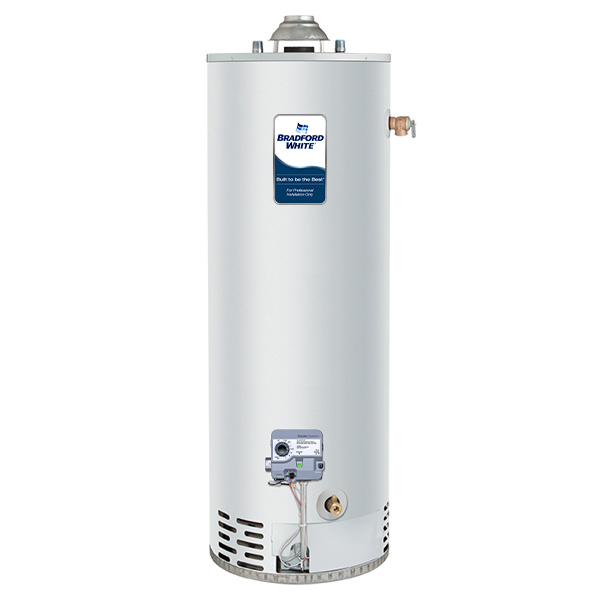
Non-obvious: If the leak is from the top, check the cold water inlet and hot water outlet connections. A simple tightening can sometimes solve the issue, but never overtighten.
Credit: stogagirlssoccer.com
Discolored Or Smelly Water
Odd colors or smells usually mean:
- Rusty water: Indicates a failing anode rod or tank corrosion.
- Rotten egg smell: Caused by bacteria reacting with the anode rod (usually in well water systems).
Replacing The Anode Rod
- Turn off water and gas.
- Drain a few gallons from the tank.
- Unscrew the anode rod at the top.
- Replace with a new one.
- Refill and restart.
For persistent smells, flush the tank and consider a powered anode rod. If the smell is still there after these steps, shock the tank with hydrogen peroxide (follow manufacturer instructions). Avoid bleach, as it can damage parts inside the heater.
Pro tip: If your water has a reddish tint, check if it’s only from the hot side. If both hot and cold taps are affected, your home’s pipes may be the issue, not just the heater.
Error Codes On Digital Models
Newer State Select models have a control panel with error codes. These codes point to issues like:
- Ignition failure
- Sensor errors
- Overheat warnings
Always check your owner’s manual for code definitions. Resetting the heater may clear minor faults, but repeated codes need deeper investigation. Some models allow you to scroll through recent error history, which can help find patterns and recurring issues.
A quick tip: If your display is blank, check for a tripped circuit breaker or blown fuse before assuming a problem with the heater itself.
Safety Precautions
Gas water heaters can be dangerous if mishandled. Always:
- Turn off gas and power before opening the heater.
- Ventilate the area to prevent gas buildup.
- Use proper tools.
- Never bypass safety devices.
If you smell gas, leave the area and call your utility company immediately.
Never attempt repairs if you feel unsure. Gas and hot water can both cause serious injuries. When in doubt, call a licensed technician.
When To Call A Professional
Some problems are best left to licensed technicians, including:
- Gas leaks
- Major electrical faults
- Tank replacements
- Repeated error codes
If your troubleshooting doesn’t solve the issue or you feel uncomfortable, don’t hesitate to get help. Attempting complex repairs without expertise can be dangerous. Remember, working on gas lines without proper training is illegal in many places.
Another clue: If you notice rust or water pooling under the heater, it’s a sign the tank is failing internally—a replacement is the only safe solution.
Maintenance Tips To Prevent Problems
Regular maintenance keeps your State Select gas water heater running smoothly. Here are must-do tasks:
- Flush the tank annually: Prevent sediment build-up.
- Check the anode rod every 2–3 years: Replace if worn.
- Test the T&P valve yearly: Lift and release to see if water flows freely.
- Inspect for leaks and corrosion: Address early.
- Keep the area around the heater clean: Clear dust and debris.
Pro tip: Water heaters often last 8–12 years. If yours is older, plan for replacement before a breakdown.
Another not-so-obvious tip: Don’t store flammable items near your water heater. Paint cans, gasoline, or cleaning fluids create a fire risk, especially with gas models.
Comparing Common State Select Problems
To help you visualize the differences between common issues, here’s a comparison:
| Problem | Symptoms | Likely Cause | Quick Fix |
|---|---|---|---|
| No hot water | Cold water only | Pilot out, no gas, bad thermocouple | Relight pilot, check gas, replace part |
| Not enough hot water | Lukewarm water, runs out fast | Thermostat too low, sediment, dip tube | Raise temp, flush tank, replace dip tube |
| Pilot won’t stay lit | Pilot keeps going out | Bad thermocouple, draft, dirty orifice | Replace thermocouple, fix vent, clean orifice |
| Leaking water | Visible water around tank | Loose valve, bad T&P, tank corrosion | Tighten, replace valve, new tank |
Understanding these differences can help you avoid wasting time chasing the wrong issue.
Advanced Troubleshooting Steps
Some issues need deeper checks. Here’s how to go further:
Checking The Thermocouple Or Thermopile
- Detach the old unit from the gas valve and burner assembly.
- Test with a multimeter (should generate 20–30 mV when heated).
- If reading is low, replace.
Be sure to match the new part with your heater’s model number, as lengths and connectors vary.
Inspecting The Gas Control Valve
- Ensure the pilot and burner operate correctly.
- If the valve is stuck or won’t adjust, replacement is necessary.
- Only a professional should replace gas valves due to risk of leaks.
Remember, gas valves are factory set for safety. Never try to repair one yourself—replace as a unit if needed.
Diagnosing Venting Problems
Proper venting is crucial for safety and performance.
| Venting Type | Symptoms of Poor Venting | How to Check |
|---|---|---|
| Atmospheric vent | Pilot outage, backdraft, soot buildup | Check for blockages, test with mirror for airflow |
| Power vent | Error codes, blower noise | Ensure fan runs, clear intake/exhaust |
If you see soot or smell exhaust, fix venting immediately. Poor venting can lead to dangerous carbon monoxide buildup—install a CO detector near your water heater for added safety.
Testing The Pressure Relief Valve
- Lift the valve handle briefly. Water should flow out.
- If nothing happens or it leaks after testing, replace the valve.
- Never cap or block the T&P valve.
Non-obvious: If your T&P valve opens frequently, your water pressure might be too high. Check the pressure regulator on your home’s main water supply.
Error Code Reference (sample For Digital Models)
Digital units often have a display showing codes. Here’s a quick reference for the most common:
| Error Code | Meaning | Action |
|---|---|---|
| EC1 | Ignition failure | Check gas, igniter, reset unit |
| EC2 | Overheat | Allow to cool, check thermostat |
| EC3 | Sensor error | Inspect or replace sensor |
| EC4 | Flame lost | Relight pilot, check for drafts |
Always consult your specific model’s manual for accurate codes. Some models allow you to reset by pressing and holding a button; others require cycling power.
Tips For Efficient Operation
- Set the thermostat to 120°F for safety and efficiency.
- Insulate hot water pipes to reduce heat loss.
- Install a timer if you’re away often.
- Fix leaks promptly to avoid waste.
A non-obvious tip: If your water smells like rotten eggs and flushing doesn’t help, switching the anode rod from magnesium to aluminum/zinc can solve the problem.
Another overlooked trick is to drain a gallon of water from the heater every few months—even if you don’t fully flush the tank, this simple habit removes some sediment before it builds up.
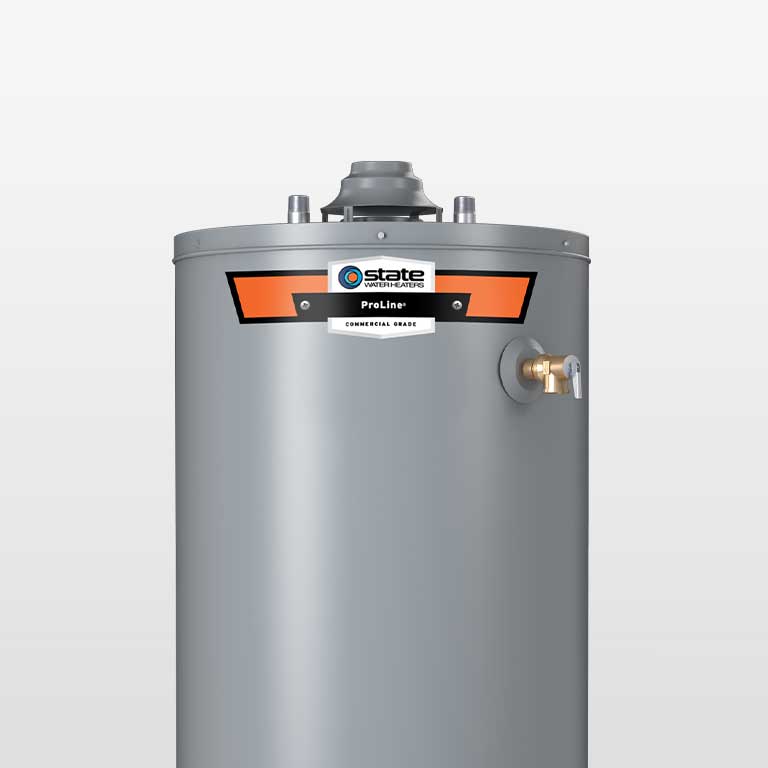
Troubleshooting Newer State Select Models
Modern heaters use electronic controls. If your model has a display:
- Check for error codes first.
- Try a soft reset (power off for 30 seconds).
- If problems persist, check wiring connections and sensors.
One insight: Many issues in digital models come from loose connections after recent service or installation. Double-check all plugs and wires before replacing parts.
Also, electronic models often have a maintenance mode or diagnostic test you can run. Consult your manual for instructions—sometimes, a simple test will reveal a faulty sensor or loose wire.
Credit: www.statewaterheaters.com
Troubleshooting Tips For Older Models
Older heaters lack error codes, so rely on:
- Listening for the pilot and burner sound.
- Feeling the temperature of pipes.
- Watching for the color and strength of the pilot flame (steady blue is ideal).
If the flame is yellow or flickers, clean the pilot assembly.
A tip: On older tanks, the gas control valve may develop a slow leak internally, causing unpredictable heating. If you notice inconsistent water temperature with no other cause, have a pro check the valve.
What To Do If You Smell Gas
This is an emergency. Do not try to fix the heater yourself.
- Leave the building immediately.
- Call your gas utility from outside.
- Do not use electrical switches or phones inside.
For more on gas safety, visit the CDC’s gas leak safety page.
Never use matches, lighters, or anything that could create a spark if you suspect a leak.
Frequently Asked Questions
Why Does My State Select Gas Water Heater Keep Shutting Off?
A heater that shuts off could have a dirty thermocouple, clogged vent, or a faulty gas control valve. Clean the thermocouple and vent; if the problem continues, the valve may need service. Also, check for power supply issues on newer electronic models.
How Often Should I Flush My State Select Water Heater?
Flushing once a year is ideal, especially in hard water areas. This removes sediment and keeps the heater efficient. If you hear popping noises, flush right away.
Can I Replace The Thermocouple Myself?
Yes, if you are comfortable with basic repairs. Turn off the gas, follow the manual, and double-check all connections. If unsure, call a professional. Always use a replacement part meant for your specific model.
Is It Normal For My Water Heater To Make Noise?
Some noise is normal, but popping or rumbling means sediment build-up. Flushing the tank usually solves it. If noise continues, check for loose pipes or fittings.
How Long Does A State Select Gas Water Heater Last?
Most last 8–12 years with regular maintenance. If your heater is near this age and causing problems, replacement may be more cost-effective. Newer models may be more efficient, saving you money long-term.
Keeping your State Select gas water heater in good shape doesn’t have to be stressful. By understanding the common issues, learning how to troubleshoot, and knowing when to call for help, you can ensure reliable hot water for years to come. Regular maintenance is your best defense against costly breakdowns. And if you’re ever in doubt, don’t hesitate to reach out to a professional—your safety and comfort are worth it.