
Every home needs hot water, but water heaters often puzzle people when something goes wrong. One question many homeowners face is: Can I use a lower wattage water heater element in my tank? This isn’t a simple yes or no. Using a different element can affect your heater’s performance, your power bill, and even your safety. Maybe your local store only has lower wattage elements. Maybe you’re trying to save energy or want to avoid tripping the breaker. Before you swap anything, it’s important to understand how water heater elements work, what happens when you change their wattage, and what risks or benefits you might face.
This guide will walk you through everything you need to know. You’ll learn about different wattages, what happens if you use a lower wattage element, how it affects efficiency, and what safety steps you must not skip. You’ll also see practical examples, mistakes to avoid, and expert-backed advice for making the right decision.
Understanding Water Heater Elements
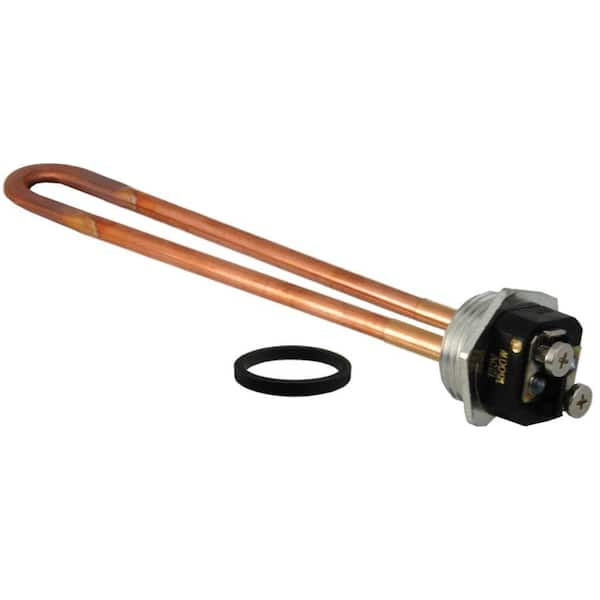
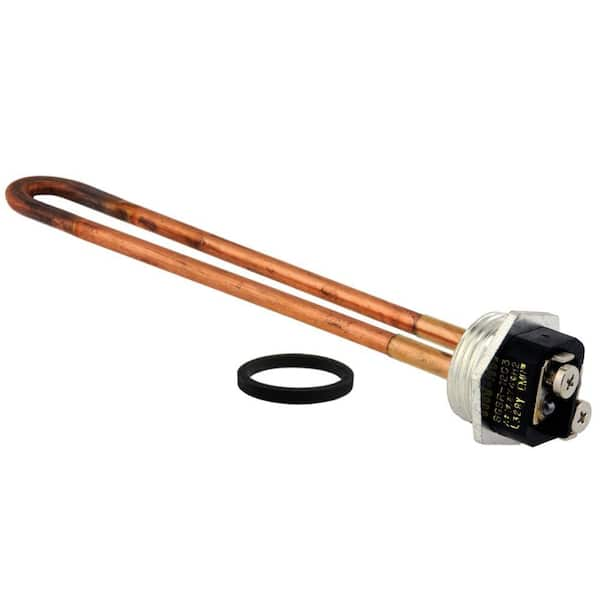
A water heater element is a metal rod inside your electric water heater tank. It heats up when electricity passes through it, warming the surrounding water. Most household electric water heaters use one or two elements. The wattage of an element shows how much energy it uses and how much heat it can produce.
Common wattages are:
- 1500 watts
- 2000 watts
- 2500 watts
- 3000 watts
- 3500 watts
- 4500 watts
- 5500 watts
The higher the wattage, the faster water heats up. But higher wattage also means more electricity is used at once. The element’s wattage must match what the water heater and your home’s electrical system are designed to handle.
Why Wattage Matters
Think of wattage like the power of a stove. A high-wattage burner boils water faster than a small one. But if your pot is designed for a small flame, using a big burner can be risky.
In water heaters, element wattage affects:
- Heating speed (how quickly water gets hot)
- Electrical load (how much current flows through wires)
- Energy cost per hour (not always as obvious as you think)
- Compatibility with your breaker and wiring
Choosing the wrong wattage can mean slow hot water, wasted energy, or safety hazards.
Can You Use A Lower Wattage Element?
The short answer is: Yes, you can usually use a lower wattage water heater element, but there are important trade-offs. Let’s break down what actually happens if you do.
What Changes When You Lower Wattage
- Slower Heating: Water takes longer to reach the set temperature. For example, if you replace a 4500-watt element with a 1500-watt one, the heating time triples.
- Reduced Electrical Load: Lower wattage means less current pulled from the circuit. This can help in homes with weak wiring or small breakers.
- Lower Peak Power Use: You may avoid tripping breakers if your panel is near capacity.
- Same Total Energy Use: Surprisingly, heating the same amount of water to the same temperature uses about the same number of kilowatt-hours, no matter the wattage. The process just takes longer.
When It’s Safe To Use A Lower Wattage Element
- Your heater is working but you want to reduce strain on old wiring.
- You don’t need hot water quickly or in large quantities.
- The breaker trips with the original element, and the heater is otherwise in good shape.
- You are fine with longer recovery times after heavy use (e.g., after several showers).
When You Should Not Use A Lower Wattage Element
- You have a large family using a lot of hot water at once.
- The element is undersized for the tank, causing water to be lukewarm all the time.
- You’re trying to fix a problem (like a faulty thermostat or sediment buildup) by lowering wattage. This doesn’t solve underlying issues.
Real-world Example
Suppose your 40-gallon heater uses a 4500-watt element. A shower uses about 15 gallons of hot water. With the original element, the tank recovers in about 45 minutes. If you install a 1500-watt element, recovery might take 2 hours or more.
That means after two people shower, the next person waits a long time for hot water.
Key Differences: Lower Vs. Higher Wattage Elements
To see what really changes, compare different element wattages side by side:
| Element Wattage | Heating Speed | Electrical Load (Amps) | Typical Use Case |
|---|---|---|---|
| 1500W | Slowest | ~12.5A | Small tanks, low demand |
| 3000W | Moderate | ~25A | Medium tanks, moderate use |
| 4500W | Fast | ~37.5A | Standard 40-50 gal tanks |
| 5500W | Fastest | ~45.8A | High demand, quick recovery |
Note: Actual amp draw depends on voltage (e.g., 120V vs 240V). Always check your heater’s rating plate.
How A Lower Wattage Element Affects Your Water Heater
Let’s look at what really happens, step by step.
Heating Time Increases
A lower wattage element puts less heat into the water each minute. This means:
- Longer wait for hot water after the tank is drained.
- Slower recovery after heavy use (like back-to-back showers).
For example, if a 4500W element takes 1 hour to fully reheat a 50-gallon tank, a 1500W element would take about 3 hours.
Energy Use: Myth Vs. Reality
Many people think using a lower wattage element always saves energy. That’s not quite true. To heat 50 gallons of water by 90°F (from 50°F to 140°F), you need about 15,750 BTUs, or 4. 6 kWh.
- 4500W element: 4.6 kWh in about 1 hour
- 1500W element: 4.6 kWh in about 3 hours
The total electricity used is roughly the same. The difference is in how quickly your heater draws power.
Electrical Load And Home Wiring
Lower wattage means less stress on your home’s wiring and breaker. This can be helpful if:
- Your house is old, with limited electrical capacity
- You have frequent breaker trips
- You want to run the heater on a smaller generator or solar system
Water Temperature Consistency
A lower wattage element may struggle to keep water hot if demand is high. If your family uses a lot of hot water in the morning, the tank may not recover fast enough, resulting in cooler showers.
Lifespan And Reliability
Lower wattage elements often last longer because they run cooler. High wattage elements can build up more scale and burn out faster, especially if your water is hard.
Example Of Real-life Use
Some people with off-grid cabins use low wattage elements (like 1500W) so they can run their water heater on solar or a small generator. They accept the long heating time in exchange for lower current draw.
Reasons People Choose Lower Wattage Elements
Why would you want to use a lower wattage element? Here are the most common reasons:
- Reduce electrical load: If your circuit breaker trips with a high-wattage element, a lower wattage may solve the problem without rewiring your home.
- Avoid costly upgrades: Rewiring a home to handle higher current is expensive. A lower wattage element lets you keep using your heater safely.
- Use with limited power sources: Solar, generators, or small inverters can run a low-wattage heater where a high-wattage one would overload them.
- Increase element life: Lower wattage elements operate cooler, often resulting in less scale buildup and a longer lifespan.
- Save on peak demand charges: Some utility companies charge more for high power use. Lower wattage spreads out the energy use and may help avoid extra fees.
Risks And Downsides Of Using A Lower Wattage Element
It’s not all benefits. Here are the main drawbacks:
Slow Recovery Time
If you run out of hot water, you’ll wait much longer for it to return. This is a problem for larger households or during back-to-back showers.
Potential For Lukewarm Water
If the tank is too big for the element, or demand is too high, the water may never get fully hot—just warm.
Not Solving Root Problems
If your heater has issues (like a broken thermostat, sediment, or a failing dip tube), lowering element wattage won’t fix them. You’ll just have less hot water.
Possible Warranty Issues
Altering your heater from its original design (by changing element wattage) can sometimes void warranties. Always check your heater’s manual.
Compatibility
Some heaters require a minimum wattage to function properly. For example, certain electronic thermostats may not work with very low wattage elements.
Credit: www.homedepot.com
How To Choose The Right Wattage For Your Water Heater
If you’re considering a switch, here’s how to decide:
- Check the heater’s label: Find the recommended wattage on the data plate. This is the safest choice.
- Consider your electrical system: If your wiring or breaker can’t handle the original wattage, a lower wattage element may be safer—if you’re okay with slower heating.
- Think about your usage: Small household? Occasional hot water use? Lower wattage is fine. Large family or high hot water demand? Stick with the recommended wattage.
- Match voltage: Never use a 240V element in a 120V system or vice versa. The wattage will change, and it may not heat at all.
- Ask a pro: If you’re unsure, talk to a licensed electrician or plumber.
How To Replace A Water Heater Element With A Lower Wattage One
If you decide to make the swap, follow these steps:
What You’ll Need
- Replacement element (same voltage, lower wattage)
- Wrench (element wrench or socket)
- Garden hose (to drain tank)
- Screwdriver
- Teflon tape
- Bucket and towels
Step-by-step Instructions
- Turn off power at the circuit breaker. Double-check with a voltage tester.
- Shut off cold water supply to the heater.
- Drain the tank: Connect a hose to the drain valve at the bottom and open a hot water tap to let air in.
- Remove the old element: Open the access panel, disconnect wires, and unscrew the element.
- Clean the opening: Remove any sediment or scale.
- Install the new element: Wrap threads with Teflon tape. Insert and tighten firmly.
- Reconnect wires: Match them exactly as before.
- Refill the tank: Close the drain, turn on cold water, and run a hot tap to remove air.
- Check for leaks: Tighten if needed.
- Restore power only after the tank is full.
Safety Tips
- Never turn on power to a dry tank—this will destroy the element.
- Always use the correct voltage element.
- If you’re unsure about wiring, call a professional.
Common Mistakes When Using A Lower Wattage Element
Many beginners make these errors:
- Using the wrong voltage: A 240V element in a 120V system will only heat at 1/4 power.
- Not checking breaker size: If your breaker is too small, even a lower wattage element can cause trips.
- Forgetting to fill the tank: Dry firing ruins elements instantly.
- Expecting faster heating: Lower wattage always means slower hot water.
- Ignoring sediment: A tank full of sediment insulates the element and slows heating even more.
Performance And Energy Cost Comparison
How Much Does Element Wattage Really Affect Cost And Performance?
| Wattage | Time to Heat 40 Gal (70°F rise) | Energy Use (kWh) | Estimated Cost (@$0.13/kWh) |
|---|---|---|---|
| 1500W | ~3.7 hours | 5.5 kWh | $0.72 |
| 3000W | ~1.85 hours | 5.5 kWh | $0.72 |
| 4500W | ~1.23 hours | 5.5 kWh | $0.72 |
Key takeaway: Energy cost per heating cycle stays the same. The only difference is how fast you get hot water.
Credit: www.homedepot.com
Practical Scenarios: When Lower Wattage Works Well
Let’s look at when using a lower wattage element makes sense—and when it doesn’t.
Good Scenarios
- Cabins, cottages, or RVs: Limited power supply. Long wait for hot water is fine.
- Small apartments: Only one or two people using hot water.
- Old homes: Wiring can’t handle high current safely.
- Off-grid systems: Running on solar, wind, or a small generator.
Bad Scenarios
- Large families: Many showers or appliances using hot water at once.
- Busy mornings: Need fast recovery for multiple users.
- Commercial use: Restaurants, salons, or anywhere hot water is critical.
How To Calculate Correct Element Wattage
If you’re unsure what wattage you need, here’s a quick formula:
- Estimate your hot water use per hour (gallons).
- Find the temperature rise needed (desired temp minus incoming temp).
- Use this formula:
Wattage = (Gallons × 8. 34 × Temp Rise) ÷ Recovery Time (hours)
For example, to heat 40 gallons by 70°F in 1.5 hours:
Wattage = (40 × 8.34 × 70) ÷ 1.5 = 15,548 ÷ 1.5 = 10,365 watts
This is much higher than most home elements. That’s why most heaters take 1-2 hours to fully recover.
Can Lower Wattage Save Money?
Most people won’t save much money with a lower wattage element. Energy use (in kilowatt-hours) is nearly the same to heat the same amount of water. However, you may:
- Avoid peak demand charges (if your utility charges more for high power use)
- Reduce risk of overloading circuits (avoiding costly repairs)
- Extend element life (saving on replacement costs)
Safety Considerations
Never take risks with electricity and water. Always:
- Use elements designed for your heater’s voltage.
- Never exceed the breaker’s rated amperage.
- Turn off power before any repair.
- If you’re unsure, call a qualified electrician or plumber.

Credit: waterheatertimer.org
Myths About Lower Wattage Elements
Let’s bust a few common myths:
- Myth: Lower wattage saves lots of money.
Fact: Total energy to heat water is about the same. You just wait longer.
- Myth: Lower wattage elements always last longer.
Fact: Sometimes true, but sediment or hard water can ruin any element quickly.
- Myth: Any element will work.
Fact: Element must match your heater’s voltage and be rated for your tank.
Real User Experiences
Many people have shared their stories online. A homeowner with an old 30-amp breaker swapped their 4500W element for a 1500W model. They found showers took longer to recover, but were happy with no more breaker trips. Another user in a cabin used a 1000W element on solar and accepted that hot water was only ready once per day.
These stories show it’s all about balancing your needs and your home’s limits.
Expert Recommendations
- Use the wattage recommended by your water heater’s manufacturer whenever possible.
- If you need to use a lower wattage, check your real hot water needs.
- For off-grid or limited power, a lower wattage element can be a smart solution.
- Never try to “fix” a bad heater by just lowering wattage—find and solve the real problem.
Where To Learn More
For those who want even more technical detail, the Wikipedia page on water heating offers a deep dive into the science behind water heaters, energy use, and different types of heating elements.
Frequently Asked Questions
Can I Use A Lower Wattage Element In My Water Heater Without Damaging It?
Yes, you can use a lower wattage element if it matches the voltage and physically fits your heater. Your heater will not be damaged, but water will heat more slowly.
Will I Save Money By Using A Lower Wattage Water Heater Element?
You probably won’t save much on your energy bill. Heating the same amount of water uses about the same total energy, just over a longer period. You might save on peak demand charges or avoid electrical upgrades, though.
Is It Safe To Replace A 4500-watt Element With A 1500-watt One?
It’s safe if the new element is designed for your heater’s voltage and fits properly. Recovery time will be much slower, so be ready for longer waits between uses.
What’s The Risk Of Using Too Low A Wattage Element?
If the wattage is too low for your hot water needs, you might always have lukewarm water, especially with heavy use. For large households, this can be a big problem.
Do I Need To Change The Thermostat When I Install A Lower Wattage Element?
Usually, you do not need to change the thermostat. Most thermostats work with a range of element wattages, as long as voltage matches. But always check your heater’s manual to be sure.
Switching to a lower wattage water heater element can be a smart move in the right situation. It’s not a one-size-fits-all answer. Consider your household, your wiring, and how much hot water you really need. When in doubt, ask a licensed professional.
Proper care keeps your water heater safe, efficient, and ready to deliver hot water when you need it.