
Tired of hearing every footstep from the room above? Does the clatter and bang from upstairs disrupt your peace and quiet?
You’re not alone. Many homeowners struggle with noisy upstairs floors. But what if you could reclaim your tranquility? This guide will show you exactly how to soundproof your upstairs floor, creating a much more peaceful environment for everyone in your home.
Get ready to finally enjoy some quiet!
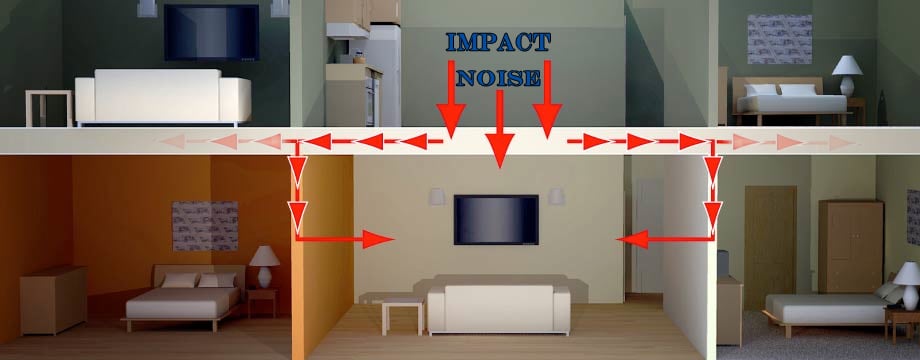
Credit: www.auralexchange.com
Why Soundproof Your Upstairs Floor?
Tired of upstairs noise? It disrupts your peace. Soundproofing your upstairs floor offers a solution. You can reclaim your quiet space. It makes your home more comfortable.
Noise Sources Above
Footsteps are common. Kids running cause noise. Pets can be loud. Furniture scrapes the floor. These sounds travel easily. They disturb downstairs rooms.
Impact Vs. Airborne Noise
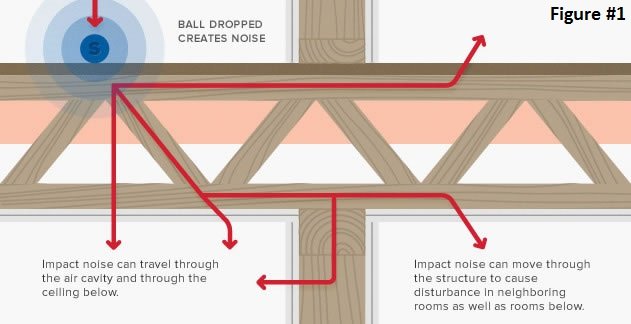
Impact noise is from hitting. Think of dropped items. Footsteps are impact noise. Airborne noise travels through air. Voices are airborne noise. Music is airborne noise. Different methods stop different sounds.
Benefits Of A Quieter Home
A quiet home reduces stress. It improves sleep quality. You can focus better. Your living space feels calmer. It increases your home’s value. Enjoy your home more.
Assessing Your Noise Problem
First, understand your noise issue. Identify the type and source of sound. This helps choose the right soundproofing methods for your upstairs floor.
Before you soundproof your upstairs floor, understand your noise. What sounds bother you most? Where do they come from? Knowing this helps you choose the right solutions. It makes your soundproofing efforts effective. It saves you time and money. Start by really listening.
Identify The Noisiest Areas
Pinpoint where noise is worst. Is it a specific room? Is it a hallway? Focus on these spots first. This targets your work precisely. You get the best results. It is smart planning.
Determine Sound Types
What kind of noise is it? Is it footsteps? Is it voices? Is it music? Impact noise is different from airborne noise. Understanding the sound type guides your materials. It ensures effective blocking. Know your enemy.
Listen For Weak Spots
Are there gaps or holes? Do you hear noise through vents? These are weak points. Sound travels through them easily. Seal these areas first. This is crucial work. It makes a big difference.
Simple Soundproofing Fixes
Quiet your upstairs floor. Adding rugs dampens noise. Seal gaps around doors and vents. These simple steps make a big difference.
Here are some simple fixes. They help reduce noise. You can do them easily.
Area Rugs And Underlay
Area rugs absorb sound. They stop sound waves. Use a thick rug. Add a dense underlay. This makes a big difference. It softens footsteps. It quiets everyday sounds.
Thick Curtains
Heavy curtains block noise. Hang them over windows. They also cover walls. Choose velvet or blackout fabric. These materials are dense. They absorb more sound.
Door Sweeps And Seals
Doors let sound travel. Install a door sweep. It seals the bottom gap. Add weatherstripping. This seals the door frame. It stops sound leaks.
Furniture Placement
Arrange furniture strategically. Soft furniture absorbs sound. Place bookshelves against walls. They act as sound barriers. Sofas and chairs help too. They dampen vibrations.
Credit: pricewiseinsulation.com.au
Improving Floor Structure
Strengthening your floor structure is key. This tackles noise at its source. It stops sound vibrations from traveling. Your upstairs floor needs this attention. We will explore how to do it. Build a better floor for quiet. It makes a big difference. Enjoy peace in your home.
Adding Mass
Mass stops sound. Heavy materials block noise well. Think about dense materials. Drywall is a good option. You can add extra layers. Plywood also adds density. More mass means less sound. Install it directly. This creates a solid barrier.
Decoupling Layers
Decoupling separates structures. It breaks the sound path. This stops vibrations from moving. Imagine two separate layers. They do not touch directly. This is very effective. It reduces impact noise. Think of it as an air gap. This gap stops sound transfer.
Resilient Channels Explained
Resilient channels are metal strips. They attach to joists. Drywall screws into these channels. This creates a flexible connection. The channels absorb vibrations. They separate drywall from joists. This prevents sound from passing. It’s a smart soundproofing trick. Use them for best results.
Soundproofing Underlayment
Underlayment goes beneath flooring. It adds a soft layer. This cushions impacts. It absorbs sound energy. Rubber or foam are common. Choose a dense, thick type. It works under carpet or wood. This reduces footstep noise. It’s a simple, effective step.
Ceiling Soundproofing (from Below)
Soundproofing your upstairs floor from below is crucial. This tackles noise traveling down. You want quiet downstairs. Focus on the ceiling below. This section explains how.
Adding Mass To The Ceiling
Mass blocks sound. Add layers to the ceiling. This makes it heavier. Heavy ceilings stop noise better. Drywall is a good start. Use multiple layers. This adds significant mass. Consider specialized soundproof drywall. It has extra mass built-in. This is a simple, effective step. More mass means less sound.
Insulation Strategies
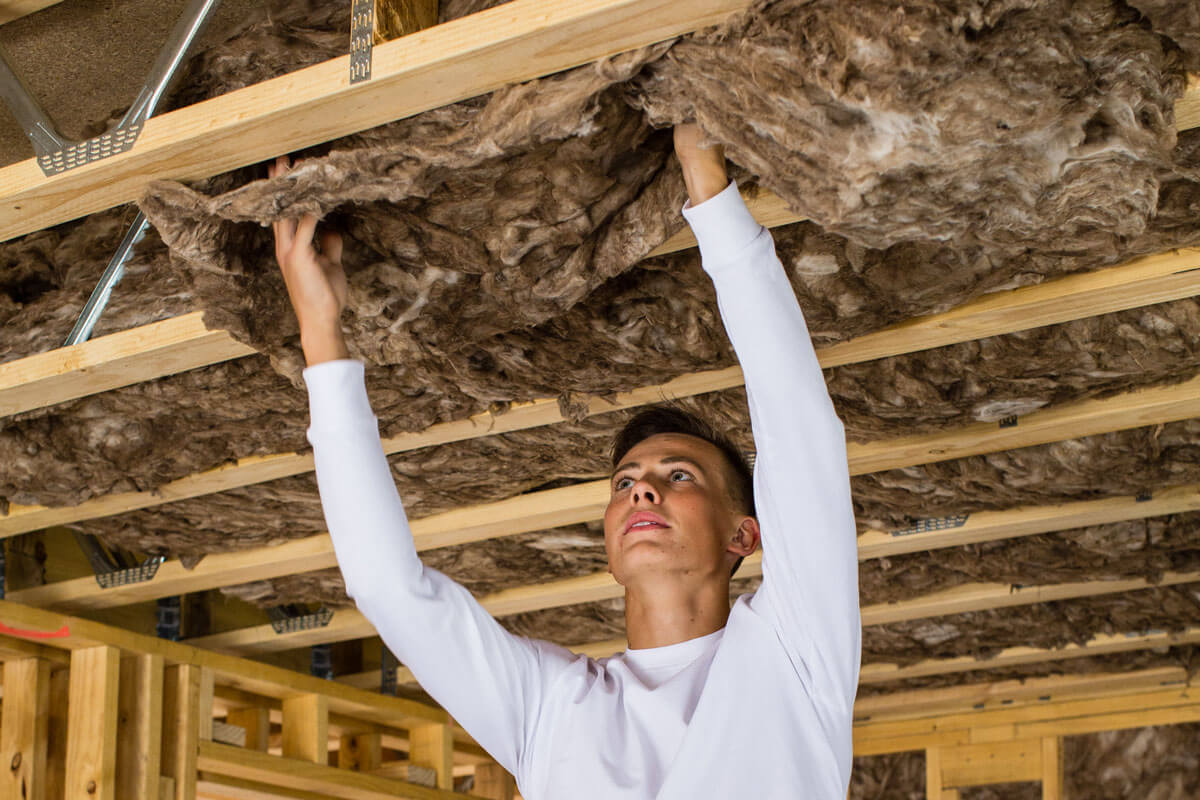
Insulation fills empty spaces. It absorbs sound waves. This reduces noise transmission. Add insulation between floor joists. Use dense fiberglass or mineral wool. These materials are excellent sound absorbers. Pack them in snugly. Do not compress them too much. Proper insulation is key. It stops echoes too. Fill all gaps completely.
Acoustic Sealant Application
Sound travels through cracks. Seal all gaps and openings. Use acoustic sealant. This is a flexible caulk. It stays pliable over time. Apply it around pipes. Seal edges of drywall. Fill any small holes. This prevents sound leaks. A good seal is vital. It stops noise escaping.
Resilient Clips And Channels
These decouple the ceiling. They create a gap. This gap breaks sound paths. Install resilient clips first. Attach them to joists. Then add furring channels. Screw drywall to these channels. This creates a floating ceiling. It greatly reduces vibration. Sound waves hit a barrier. They cannot pass through easily. This is a professional method. It offers superior results.
Credit: www.tmsoundproofing.com
Advanced Soundproofing Techniques
Soundproofing an upstairs floor stops noise from traveling. It helps create a quieter home. Good soundproofing makes a big difference.
When standard methods aren’t enough, advanced techniques elevate soundproofing. These methods create a more robust barrier. They tackle sound transmission effectively. Prepare for serious quiet upstairs.
Soundproof Drywall
This drywall is different. It has a damping compound. This compound absorbs sound energy. Install it like regular drywall. It adds mass to your ceiling. More mass blocks more sound.
Green Glue Dampening
Green Glue is a soundproofing compound. It goes between drywall layers. Apply it generously. It acts like a shock absorber. Sound waves lose energy. They vibrate the compound. This significantly reduces noise.
Mass Loaded Vinyl (mlv)
Mass Loaded Vinyl is heavy. It’s a dense, flexible barrier. Install it over joists or studs. Then add drywall over the MLV. This adds substantial mass. It’s very effective for low frequencies.
Floating Floors
This technique isolates the floor. It creates a gap between layers. Resilient clips hold furring strips. These strips support the new floor. The gap stops vibrations. Sound cannot easily travel. It is a complex but powerful method.
Diy Vs. Professional Help
Soundproofing an upstairs floor is a common goal. Many people want to reduce noise. Deciding between doing it yourself or hiring a pro is key. This choice impacts cost and results. Let’s explore both options.
You can tackle some soundproofing projects. Others need expert skills. Understanding your limits is important. Your budget also plays a role.
When To Diy
Simple tasks are good for DIY. Adding rugs helps. Thick rugs absorb sound. Installing heavy curtains is also easy. These reduce echoes. They make rooms quieter. They are budget-friendly options. You can do these yourself easily. No special tools are needed.
When To Call An Expert
Complex issues need pros. Structural changes require expertise. Adding mass to the floor is tricky. This often involves new materials. Professionals know the best methods. They have the right tools. They ensure proper installation. This guarantees better results. Avoid costly mistakes. Hire someone for big jobs.
Budget Considerations
DIY saves money upfront. You buy the materials. You do the labor. Professional help costs more. You pay for their time. You pay for their knowledge. Consider long-term value. Good soundproofing lasts. It improves your home. It increases home value. Think about what you get. Weigh the initial cost.
Maintaining Your Soundproofing
Soundproofing your upstairs floor is a smart investment. This investment needs care. Maintaining your soundproofing ensures its lasting power. Protect your peace. Keep the quiet going strong. Regular checks are key. Address problems quickly. Your soundproofing will work better. It will last much longer.
Regular Inspections
Check your soundproofing often. Look for any gaps. Seal them right away. Listen for new noises. Are sounds still blocked? This simple step helps a lot. It keeps your system working well. Don’t skip this part.
Addressing New Issues
New problems can pop up. A loose seal is one. A small crack might appear. Fix these fast. Small issues grow big. Prompt repairs save trouble. Keep your quiet space intact. Act quickly when you see changes.
Long-term Effectiveness
Good maintenance means good results. Your soundproofing lasts longer. It keeps working its best. Enjoy quiet for years. This effort pays off. You get lasting peace. Your home stays serene.
Frequently Asked Questions
What’s The Best Way To Soundproof Upstairs?
Adding mass to the floor is key. Thick rugs or heavy underlayment help a lot. Even simple solutions can make a difference.
How Can I Reduce Impact Noise From Above?
Use a thick carpet with a dense underpad. This absorbs footsteps and dropped items. It’s a simple, effective fix.
What Materials Block Sound Effectively Upstairs?
Mass-loaded vinyl and dense insulation work well. These materials stop sound waves. They add a solid barrier.
Is It Hard To Soundproof An Upstairs Floor?
It can be easy with simple methods. Thick carpets and rugs help a lot. More complex jobs take more effort.
How Much Does Floor Soundproofing Cost?
Costs vary widely. Simple rugs are cheap. Professional installations cost more. Plan your budget first.
Can I Soundproof My Floor Myself?
Yes, many DIY options exist. Adding rugs is very easy. Installing insulation needs more skill.
What’s A Quick Fix For Upstairs Noise?
Lay down thick rugs and mats. Use heavy curtains too. These absorb sound waves quickly.
Conclusion
Soundproofing your upstairs floor is achievable. Simple steps make a big difference. Enjoy a quieter home. Less noise travels downstairs. You will feel more peace. Try these methods today. Your family will thank you. A peaceful home awaits.