
If you recently installed a new water heater and now notice a gas smell, it’s normal to feel worried. A water heater should provide hot water safely—without any strange odors. But a gas smell after installing water heater is a warning sign you must never ignore. Gas leaks are dangerous, and even a small mistake can put your home and family at risk. This guide explains why you might notice this smell, what to do immediately, and how to fix the problem for good. You’ll learn how to spot real danger, when to call a professional, and how to make sure your water heater is working safely.
Why Does A Gas Smell Occur After Installing A Water Heater?
A gas smell right after installation can happen for several reasons. Sometimes, it’s a minor issue that’s easy to fix. But often, it points to a more serious problem. Understanding the main causes helps you take the right action quickly.
1. Loose Gas Connections
During installation, gas lines must be connected tightly to prevent leaks. If the installer didn’t use enough thread sealant or forgot to tighten a fitting, gas can escape. Even a tiny gap can let gas out, producing that classic rotten egg smell (caused by a chemical called mercaptan added to natural gas for safety).
2. Faulty Or Damaged Parts
Sometimes, the water heater or its parts (like valves or connectors) are damaged before they reach your home. A cracked valve or defective pipe can leak gas right after the first use. New parts don’t always mean perfect parts.
3. Improper Venting
Water heaters must vent exhaust gases outdoors. If the venting system isn’t installed correctly, combustion gases (including small amounts of unburned gas) may leak indoors. This can cause both a gas smell and dangerous air quality problems.
4. Residual Gas From Installation
Installers sometimes test lines by briefly turning on the gas before final checks. In some cases, a faint gas smell may linger for a few minutes after installation, especially if windows were closed. But this should disappear quickly—if it doesn’t, it’s not normal.
5. Old Or Worn Out Piping
If you replaced an old water heater but kept the same pipes, corroded or degraded pipes may leak when connected to the new unit. This is common in homes with older plumbing.
6. Incomplete Combustion
If the burner inside the water heater isn’t adjusted properly, gas may not burn completely. This can release more unburned gas into the air, causing a smell. This is rare with modern heaters, but not impossible.
7. Accidental Cross-threading
If a connector is cross-threaded (not lined up properly), it can create a leak. This mistake is hard to spot until you smell gas or test the line with soapy water.
Is A Gas Smell Always Dangerous?
Not every gas smell means you’re in immediate danger, but it’s always a potential emergency. Gas is highly flammable and can explode if it builds up in a closed space. Even a small leak can cause health problems, including headaches, nausea, or dizziness.
Fact: According to the US Consumer Product Safety Commission, gas leaks cause hundreds of house fires and dozens of deaths every year.
If you ever smell gas after water heater installation, treat it as a serious risk until you know it’s safe.
What To Do Immediately If You Smell Gas
Act fast if you notice a gas smell after installing water heater. Here’s what to do:
- Do not use electrical switches (including lights, fans, or appliances)—a spark could ignite the gas.
- Open doors and windows to air out the room.
- Turn off the gas supply at the main shutoff valve, if you can do so safely.
- Evacuate everyone from the house, including pets.
- Call your gas company or the fire department from outside your home.
- Do not re-enter your home until a professional says it’s safe.
Never try to fix a suspected gas leak yourself unless you are trained and have proper equipment.
How To Identify The Source Of The Gas Smell
Sometimes, the smell is faint or seems to come and go. Finding the exact source can help a technician fix the problem faster. Here’s how you can help:
Visual Inspection
Look for these signs near your water heater and gas lines:
- White or dusty residue on pipes or fittings
- Hissing or whistling sounds near joints
- Rusty, corroded, or oily patches on connectors
Smell Test
Carefully move around the water heater. Is the smell stronger near certain pipes, joints, or the heater itself? This can help locate the leak.
Soapy Water Test
If you feel safe (no strong odor), apply a mixture of soap and water to the joints and pipes. Bubbles will form if gas is leaking. Never use a flame to check for leaks.
Check Other Appliances
Smell around other gas appliances (like stoves or furnaces). If they also smell, the leak may be in a main gas line, not just the water heater.
Professional Inspection: What To Expect
When you call a licensed plumber or the gas company, they will use electronic leak detectors to find even tiny gas leaks. They might:
- Inspect all connections and joints
- Test the gas pressure in the line
- Check venting and combustion systems
- Examine the water heater for manufacturing defects
A good technician will also explain the problem and show you how to recognize leaks in the future.
Common Mistakes After Installing A Water Heater
Many homeowners make these mistakes after a new installation:
- Ignoring a faint smell: Even a weak gas odor can signal a leak.
- Turning on appliances to check: This can create a spark and cause an explosion.
- Trying DIY repairs: Without the right tools and training, you can make the leak worse.
- Not checking venting: Poor venting can also produce dangerous fumes, not just a gas smell.
- Forgetting regular maintenance: Annual inspections can catch small leaks before they become big problems.
Differences Between A Water Heater Gas Leak And Other Smells
Not every odd smell is a gas leak. Here’s how to tell the difference:
| Smell | Possible Cause | Danger Level |
|---|---|---|
| Rotten eggs | Natural gas leak (mercaptan) | Very High |
| Burning plastic | Electrical wiring issue | High |
| Musty/damp | Mold or water leak | Low |
| Metallic/chemical | New heater off-gassing | Low to Medium |
If the smell is clearly rotten eggs, always suspect a gas leak first.
Safety Standards For Water Heater Installation
Professional installers must follow strict rules to keep your home safe. They include:
- Using proper thread sealant on all gas connections
- Pressure testing all new joints before turning on the gas
- Checking for leaks with electronic detectors and soapy water
- Installing vent pipes to direct exhaust outdoors
- Ensuring all parts are rated for your type of gas (natural or propane)
- Following local building codes and manufacturer instructions
If your installer skipped any of these steps, your system might not be safe.
How To Prevent Gas Leaks After Installation
Prevention is better than emergency repairs. Here’s how to lower your risk:
- Hire licensed professionals: Always use certified plumbers or HVAC techs for installation.
- Ask for a leak test: Watch the installer perform a leak check after installation.
- Replace old pipes: Upgrade corroded or unsafe pipes when replacing your water heater.
- Schedule annual checks: Have your water heater and gas lines inspected every year.
- Install a gas detector: Place a gas leak detector near your water heater for extra safety.
Cost Of Fixing A Water Heater Gas Leak
The price to repair a gas leak depends on where the leak is, how bad it is, and local labor rates.
| Leak Location | Average Repair Cost | Typical Time to Fix |
|---|---|---|
| Gas connector fitting | $100 – $200 | 1-2 hours |
| Gas control valve | $150 – $300 | 2-3 hours |
| Internal water heater leak | $300 – $600 | 3-5 hours |
| Main gas line | $500 – $1,500 | 4-8 hours |
These are just averages. Emergency calls, after-hours visits, or city permit fees can increase the price. But never delay repairs to save money—your safety is more important.
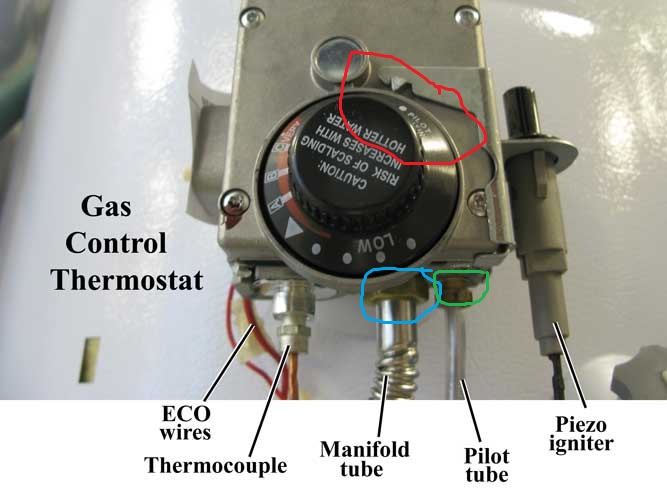
Credit: diy.stackexchange.com
Gas Leak Vs. Water Leak: Key Differences
Sometimes, water heater problems are blamed on gas leaks when they’re actually water leaks (or vice versa). Here’s how to tell them apart:
| Feature | Gas Leak | Water Leak |
|---|---|---|
| Main sign | Rotten egg smell | Puddles or damp spots |
| Sound | Hissing or whistling | Dripping or trickling |
| Danger | Explosion, poisoning | Mold, water damage |
| Immediate action | Evacuate and call gas company | Turn off water, call plumber |
Always treat a gas leak as more urgent than a water leak.
The Role Of Gas Detectors
Gas detectors are small devices that sound an alarm if they sense gas in the air. They can save lives, especially if a leak happens while you’re sleeping or away from home.
- Place a detector low to the ground near your water heater (since natural gas is lighter than air, but propane is heavier).
- Test detectors monthly.
- Replace batteries every year.
- Choose models certified by UL or another safety agency.
Some modern smart detectors send alerts to your phone if they sense a problem.
:max_bytes(150000):strip_icc()/reasons-gas-water-heater-not-working-5212987-hero-fe6b82a59053421c88b7d13ea311d3c5.jpg)
Credit: www.thespruce.com
What If The Smell Persists After Repairs?
Sometimes, the gas smell remains even after a technician says the leak is fixed. This can happen if:
- Gas has soaked into materials (like wood or drywall) and is slowly releasing
- There’s a second, hidden leak elsewhere
- The water heater’s burner or vent is still not working correctly
In these cases, open all windows for ventilation and request a second inspection. Don’t ignore a persistent smell.
How To Choose A Reliable Water Heater Installer
Picking the right installer reduces your risk of leaks. Here’s what to look for:
- Proper licensing and insurance: Check for state or local licenses.
- Good reviews and references: Ask friends or check sites like the Better Business Bureau.
- Clear written estimates: Avoid “cash only” or handshake deals.
- Willingness to answer questions: The best pros explain their work and show you safety checks.
- Warranty on labor: Most reputable installers guarantee their work for at least a year.
What If You Installed The Water Heater Yourself?
DIY installation can save money, but it’s risky unless you have plumbing and gas experience.
Common DIY mistakes include:
- Using the wrong type of pipe or sealant
- Failing to test for leaks properly
- Skipping vent checks
- Ignoring building codes
If you installed your own heater and smell gas, stop and call a professional. Your safety—and insurance coverage—depend on proper installation.
How To Test For Gas Leaks Safely At Home
If you suspect a leak but it’s not urgent, you can do a simple test:
- Mix a few drops of dish soap with water in a spray bottle.
- Spray the solution on all pipe joints and connections.
- Watch for bubbles—bubbling means gas is escaping.
If you see bubbles, shut off the gas and call a professional. Never use an open flame to check for leaks.

Credit: www.reddit.com
When To Replace Vs. Repair Your Water Heater
Sometimes, a leak means your water heater should be replaced, not repaired. Consider replacement if:
- The tank is more than 10-12 years old
- Multiple leaks or corrosion are present
- Repairs cost more than half the price of a new unit
- You want improved energy efficiency
A new water heater can lower your gas bills and provide better safety features.
How To Reduce Gas Smell Sensitivity
Some people are very sensitive to gas odors, while others hardly notice. If you are unsure whether the smell is real:
- Ask someone else to check for the odor.
- Install a gas detector for objective alerts.
- Remember, it’s better to be cautious—never ignore a possible gas leak.
What To Tell The Technician When They Arrive
To help the technician solve your problem fast, provide:
- When you first noticed the smell
- How strong the smell is and if it changes
- Any DIY steps you took
- If other appliances are affected
- Photos of the installation if possible
Clear information leads to faster, safer repairs.
Legal And Insurance Issues With Gas Leaks
Your homeowner’s insurance may cover damage from a gas leak, but only if the water heater was installed by a licensed pro and up to code. DIY or unlicensed installations can void coverage. Most states require professional installation for safety and legal reasons.
Real-world Example: Gas Leak After Installation
Maria had a new gas water heater installed in her Los Angeles home. The next day, she noticed a faint rotten egg smell in her basement. She called her installer back, who found that a connector had not been tightened enough.
The installer fixed the leak for free and performed a full safety check. Maria’s quick action prevented a possible fire or explosion.
Key takeaway: Always trust your nose and act quickly.
Are Gas Smells Ever Normal After Installation?
A slight gas odor right after installation may happen if the installer briefly opens the gas valve for testing. This should go away within 15-30 minutes if you air out the room. If the smell lasts longer or gets stronger, it’s not normal—call for help.
How To Maintain Your Water Heater For Safety
Basic maintenance can prevent leaks and keep your system running well:
- Check for gas smells monthly.
- Inspect visible pipes and connections for rust or damage.
- Test your gas detector.
- Flush the water heater yearly to remove sediment.
- Keep the area around the heater clean and clear of flammable materials.
How Modern Water Heaters Improve Safety
Newer models have built-in safety features, such as:
- Flame arrestors: Block flames from escaping the burner chamber.
- Automatic shutoff valves: Turn off gas if a leak is detected.
- Better venting systems: Reduce the risk of combustion gases indoors.
If your heater is older, consider upgrading for better safety and efficiency.
What To Do If You Rent Your Home
If you rent, tell your landlord about the gas smell immediately. By law, they must provide a safe living environment. If they refuse to help, contact your city’s housing department.
How To Educate Your Family About Gas Safety
Teach everyone in your home:
- What gas smells like (“rotten eggs”)
- How to shut off the gas supply
- Where to evacuate in an emergency
- Not to use phones or switches if they smell gas
Practice a gas leak drill once a year—just like a fire drill.
The Environmental Impact Of Gas Leaks
Leaking natural gas is not just dangerous—it’s also bad for the environment. Methane (the main part of natural gas) is a strong greenhouse gas, much worse than carbon dioxide. Fixing leaks helps protect your community and the planet.
When To Call The Gas Company
Call your gas company immediately if:
- You smell a strong gas odor indoors or outside
- You hear hissing from pipes
- Your gas bill is suddenly much higher without reason
- Your water heater or other gas appliances stop working
Most gas companies will check for leaks for free. For more information, see the US Consumer Product Safety Commission.
Frequently Asked Questions
Why Does My New Water Heater Smell Like Gas?
A new water heater may smell like gas if there’s a loose connection, faulty part, or improper venting. Even small leaks can produce a strong odor. Always take it seriously.
How Long Is It Normal To Smell Gas After Water Heater Installation?
A very faint smell may be normal for 15–30 minutes after installation, as leftover gas is cleared from the lines. Any smell lasting longer, or getting stronger, is not normal and needs immediate inspection.
Can I Use My Water Heater If I Smell Gas?
No. Do not use the water heater or any other gas appliances if you smell gas. Shut off the gas supply, evacuate, and call the gas company or fire department.
How Do I Know If My Installer Did A Proper Leak Test?
Ask your installer to show you the leak test using a gas detector or soapy water. They should check all joints and connections. A reputable installer will be happy to demonstrate.
What Should I Do If My Landlord Ignores A Gas Leak?
If you rent, report the issue in writing to your landlord right away. If they don’t respond, contact your city’s housing authority or local health department for help.
A gas smell after installing water heater is never something to ignore or delay. Acting quickly keeps your family, home, and neighbors safe. If you’re ever unsure, call a professional—you’ll never regret putting safety first.