
A tankless water heater is often seen as a modern, efficient solution for hot water needs. Many people wonder if this equipment can be installed inside the home and, if so, what rules, risks, and benefits come with indoor installation.
The truth is, the answer is not a simple yes or no—it depends on several factors, including safety, local regulations, model type, and your specific home layout. Understanding these factors is important before making a decision.
This article covers everything you need to know about installing a tankless water heater inside your home. You’ll learn about safety, space needs, venting requirements, installation steps, costs, code compliance, and common mistakes. Whether you’re considering switching from a traditional water heater or planning a new build, this guide will help you make a smart, confident choice.
What Is A Tankless Water Heater?
A tankless water heater heats water directly as it flows through the unit, rather than storing it in a tank. When you turn on the hot water, cold water travels through a pipe and is heated either by a gas burner or electric element. This means you get hot water almost instantly and only as much as you need.
There are two main types:
- Gas-powered tankless water heaters
- Electric tankless water heaters
Each has different installation requirements, especially when placed inside the home.
Can A Tankless Water Heater Be Installed Inside?
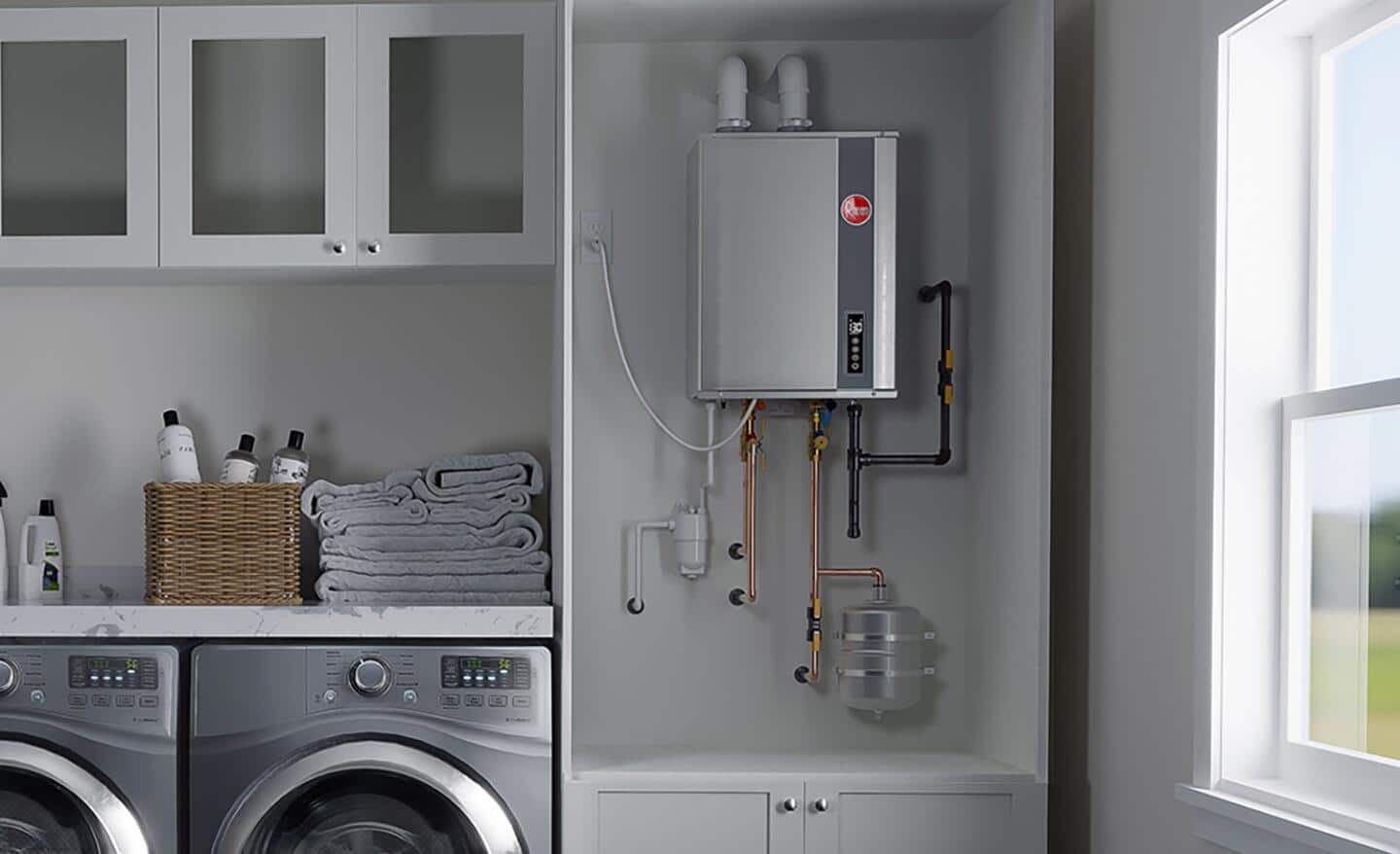
The short answer is yes, a tankless water heater can often be installed inside. In fact, many models are designed for indoor installation. However, not all homes or locations are suitable without adjustments. Key factors include:
- Venting needs (especially for gas models)
- Building codes
- Space and location
- Moisture and temperature control
- Electrical or gas supply
Let’s look at each factor in detail.
Credit: www.homedepot.com
Safety Concerns With Indoor Tankless Water Heater Installation
Safety is the most important aspect of installing a tankless water heater inside. Here’s what you need to consider:
Carbon Monoxide And Gas Leaks
Gas-powered units produce carbon monoxide as a byproduct. Proper venting is critical to prevent dangerous gases from entering your living space. Poor installation or venting can lead to serious health risks.
Water Damage
Although tankless heaters are less likely to leak large amounts than tank models, bad connections or faulty units can still cause water damage. Install the unit in an area with proper drainage or where leaks can be noticed quickly.
Electrical Risks
Electric tankless water heaters require a strong connection to your electrical system. Incorrect wiring or overloading circuits can cause fire hazards. Always use a licensed electrician.
Clearance And Combustibles
The unit should be installed away from flammable materials and must have enough clearance for safe operation and maintenance.
Temperature Control
If the heater is installed in a living area, it must not overheat the space or be affected by indoor temperatures, which can impact performance.
Indoor Vs Outdoor Tankless Water Heater: Key Differences
Some tankless water heaters are designed for outdoor use, while others are specifically made for indoor installation. The main differences include:
| Feature | Indoor Models | Outdoor Models |
|---|---|---|
| Venting | Needs venting through roof/wall | Vents directly outside |
| Weather Protection | Protected from weather | Needs freeze and rain protection |
| Installation Location | Basement, utility room, closet | External wall, outside house |
| Noise | May be audible inside | Noise stays outside |
| Maintenance Access | Easier in warm, dry area | May require weatherproof covers |
Indoor models offer better freeze protection and are easier to service in cold climates. However, they require careful venting and more planning for safety.

Credit: www.navieninc.com
Where Can You Install A Tankless Water Heater Inside?
Not every spot inside your home is suitable. The most common indoor locations are:
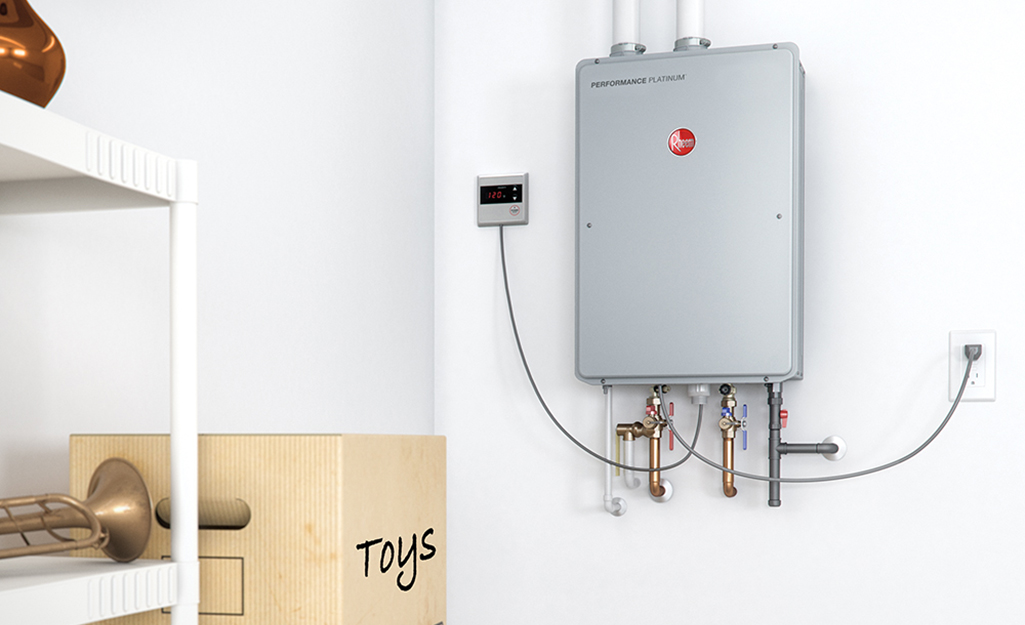
- Utility room
- Basement
- Garage (if not subject to freezing)
- Closet (with proper ventilation)
- Laundry room
Each location comes with its own considerations. For example, a closet must have enough airflow and be free from storage of flammable items. Garages in cold climates may need extra freeze protection.
Space Requirements
Most tankless heaters are compact, but they still need space for air flow, connections, and maintenance. The manufacturer’s manual will list the minimum clearance needed on all sides. Never install in a tight space without checking these requirements.
Noise And Vibration
Some units make a humming or clicking noise during operation. Placing the heater near bedrooms or quiet spaces may not be ideal.
Plumbing And Power Access
Choose a location near the main water and power supply lines to reduce installation costs. For gas models, proximity to the gas line and venting path is also important.
Venting Requirements For Indoor Tankless Water Heaters
Venting is one of the most important factors for indoor installation, especially for gas-powered models. Without proper venting, dangerous gases can build up inside.
Types Of Venting
- Direct vent: Uses two pipes—one for air in, one for exhaust out. Both go through an exterior wall or roof.
- Power vent: Pulls air from inside the house and vents exhaust outside, usually through a single pipe.
- Concentric vent: A pipe-within-a-pipe system, where one carries air in and the other carries exhaust out.
Choosing The Right Vent Type
Which vent you need depends on your heater model and home layout. Direct vent is safest and most common. Always follow the manufacturer’s instructions.
Common Venting Mistakes
- Using the wrong materials (not rated for hot gases)
- Too many bends or long vent runs
- Not sealing vent joints properly
- Blocking vents with insulation or storage
Improper venting is a leading cause of indoor air quality issues and failed inspections.
Electrical And Gas Supply Requirements
A tankless water heater needs a reliable source of power or gas.
Electric Models
- Require high-amperage breakers (often 120–200 amps total)
- May need a dedicated electrical panel
- Wire size and outlet type must match the unit’s needs
Gas Models
- Must connect to natural gas or propane lines
- May need larger gas piping than an old tank model
- Gas pressure must match manufacturer specs
Upgrading your home’s electrical or gas supply can add to installation costs, but it’s necessary for safety and performance.
Step-by-step: Installing A Tankless Water Heater Inside
Professional installation is always recommended, but understanding the process helps you plan and avoid surprises. Here are the typical steps:
- Choose the right location: Check for space, clearance, and access to utilities.
- Turn off utilities: Shut off water, gas, and electricity before starting.
- Mount the unit: Follow the mounting template and manufacturer’s instructions.
- Connect plumbing: Attach cold and hot water lines, using isolation valves.
- Install venting (gas units): Cut holes as needed, run vent pipes, and seal all joints.
- Connect gas or power: Use proper fittings and test for leaks.
- Install pressure relief valve: Prevents dangerous buildup.
- Test the system: Turn utilities back on, check for leaks, and power up the unit.
- Program settings: Set temperature and other preferences.
Professional Vs Diy
While some skilled homeowners do their own installs, most building codes require a licensed plumber or electrician. Improper installation can void warranties and insurance.
Code Compliance And Permits
Building codes exist to protect your home and family. Most cities and states have rules about:
- Where you can install a tankless water heater inside
- What kind of venting is required
- Clearance from combustibles
- Drainage for overflow or leaks
- Electrical and gas connections
You usually need a permit before starting work, and an inspection after finishing. Skipping these steps can lead to fines or problems if you sell your home.
For example, the International Residential Code (IRC) and local plumbing codes set the standards. Always check with your local building department.
Cost Of Installing A Tankless Water Heater Inside
The price of an indoor tankless water heater installation depends on several factors:
| Factor | Low Estimate | High Estimate |
|---|---|---|
| Tankless unit (electric) | $500 | $1,500 |
| Tankless unit (gas) | $800 | $2,500 |
| Installation labor | $500 | $2,000 |
| Venting materials | $100 | $500 |
| Electrical/gas upgrades | $0 | $1,500 |
| Permits/inspection | $50 | $300 |
The total cost can range from $1,200 to $7,000 or more. Gas units with complex venting or major upgrades will be at the higher end.
Pros And Cons Of Indoor Tankless Water Heater Installation
Installing a tankless water heater inside your home has clear benefits and some drawbacks.
Advantages
- Freeze protection: The unit is safe from extreme cold.
- Easier access: Maintenance and repairs are simpler.
- Longer lifespan: Less exposure to weather and dirt.
- Aesthetic: No outdoor box or vent visible on the house.
- Shorter pipe runs: Faster hot water if placed near main fixtures.
Disadvantages
- Venting complexity: Proper exhaust routing is required.
- Space needed: Takes up room inside.
- Noise: Some units make clicking or humming sounds.
- Water damage risk: If a leak occurs, damage can be inside the home.
- Stricter codes: More rules to follow for safety.
Common Mistakes When Installing Tankless Water Heaters Indoors
Even experienced installers can make errors. Watch out for these issues:
- Ignoring venting requirements: Skipping proper venting is dangerous and fails inspection.
- Choosing the wrong size: An undersized heater won’t meet your hot water needs.
- Not upgrading utilities: Old wiring or gas lines may be inadequate.
- Poor location: Installing in a cramped or unsafe space.
- Skipping permits: Can lead to fines or insurance problems.
- Improper drainage: Not planning for leaks or condensation.
- Neglecting maintenance access: Placing the heater where it’s hard to reach.
The most common beginner mistake is underestimating venting and clearance needs. Always measure and plan carefully.
How To Choose The Right Indoor Tankless Water Heater
Several factors matter when selecting a model for indoor installation:
1. Size And Flow Rate
Choose a unit that meets your home’s peak hot water demand. This is measured in gallons per minute (GPM). Add up the flow rates for showers, faucets, and appliances you may use at once.
2. Fuel Type
Electric models are easier to install but may cost more to run, especially with high demand. Gas models need venting and gas line upgrades but can deliver more hot water.
3. Venting Options
Pick a model with venting compatible with your home’s structure. Direct vent is safest for most indoor setups.
4. Efficiency
Look for Energy Factor (EF) ratings. Higher numbers mean better efficiency and lower energy bills.
5. Brand And Warranty
Reliable brands offer better support and longer warranties. Read reviews and ask for recommendations.
6. Budget
Consider both purchase price and installation costs. Sometimes a more expensive unit is cheaper over time.
Comparison Of Top Indoor Tankless Water Heaters
Here’s a quick look at three popular models and their specs.
| Model | Fuel Type | Max GPM | Energy Factor | Warranty |
|---|---|---|---|---|
| Rinnai RU160iN | Natural Gas | 9.0 | 0.93 | 15 years (heat exchanger) |
| EcoSmart ECO 27 | Electric | 6.5 | 0.98 | Lifetime (limited) |
| Noritz NRC66DV | Natural Gas | 6.6 | 0.89 | 12 years (heat exchanger) |
Choose based on your home’s needs, fuel availability, and budget.
Maintenance Tips For Indoor Tankless Water Heaters
Proper maintenance is key for safety and efficiency.
- Flush the heat exchanger every 6–12 months to prevent mineral buildup, especially in hard water areas.
- Clean the air and water filters regularly.
- Check the vent and gas connections for leaks or blockages.
- Test the pressure relief valve once a year.
- Inspect for error codes and address any warnings quickly.
Pro tip: Use a condensate neutralizer if your unit produces acidic condensate, as it protects your drain system.
Who Should Install A Tankless Water Heater Inside?
Not every home or homeowner is a good fit for indoor tankless installation. It’s best for:
- Homes in cold climates where outdoor units may freeze.
- Houses with easy access to venting and utility lines.
- Owners willing to follow code and get professional help.
If your space is very limited, or your home’s construction makes venting difficult, an outdoor or hybrid model may be better.
Real-world Examples
Consider these two scenarios:
Case 1: Urban Townhouse
- The homeowner wanted an indoor tankless heater to avoid outdoor freeze risk.
- The utility room shared an exterior wall, making venting simple.
- The gas line needed a minor upgrade.
- Result: Successful, efficient installation with minimal disruption.
Case 2: 1950s Ranch Home
- The only available spot was far from outside walls.
- Venting would have required a long, complex run.
- Electrical system was outdated for an electric model.
- The installer recommended a traditional tank heater or an outdoor model instead.
The lesson: Location and home infrastructure matter. Plan ahead and ask a professional for an honest assessment.
Environmental Impact
Indoor tankless water heaters are efficient and reduce energy use compared to tank models. According to the U.S. Department of Energy, homes using tankless heaters can save 8%–34% more energy, depending on hot water usage. These savings also mean a lower carbon footprint.
However, electric models may not be as green if your local grid uses mostly coal or oil. Gas models are efficient but do produce some emissions. For the best impact, pair your tankless heater with other energy-saving measures.
If you want more details, the U.S. Department of Energy offers reliable information.
Frequently Asked Questions
Can I Install A Tankless Water Heater Inside My Bathroom Or Kitchen?
Most building codes do not allow tankless water heaters inside living spaces like bathrooms or kitchens unless they are sealed and vented correctly. It’s best to use a utility or mechanical room. Always check local codes before deciding.
Do I Need A Professional To Install An Indoor Tankless Water Heater?
For most people, yes. Professional installation ensures safety, code compliance, and proper performance. DIY installation is risky and may void your warranty or insurance.
How Long Does It Take To Install A Tankless Water Heater Inside?
A simple replacement can take 4–8 hours. If you need new gas or electrical lines, or complex venting, it may take 1–2 days.
What Size Tankless Water Heater Do I Need For My Home?
Size depends on your peak hot water usage. Calculate the flow rates of all fixtures you want to use at once and choose a unit that meets or exceeds that total GPM.
Is Indoor Installation More Expensive Than Outdoor?
Usually, yes. Indoor installation requires more venting and sometimes more safety features, which adds to labor and material costs. However, it can offer long-term savings on energy and maintenance.
Credit: www.homedepot.com
Final Thoughts
Installing a tankless water heater inside your home is possible and often a smart choice, especially in cold climates or where freeze protection is needed. Safety, venting, and code compliance are the most important factors to consider. By understanding your home’s needs and planning carefully, you can enjoy endless hot water and greater energy efficiency.
Always consult with a professional to ensure the best, safest result. With the right approach, an indoor tankless water heater can be a valuable upgrade for any modern home.