
When you’re looking for a new water heater, the choice can feel overwhelming. Two names often come up: Rheem and Ecosmart. Both brands are famous for their tankless water heater models, which promise endless hot water, energy savings, and a smaller footprint. But which one is right for you? This guide will break down everything you need to know, from how each brand works, to their strengths, weaknesses, and what real homeowners say about living with these systems. If you want to make a smart, confident choice, keep reading.
What Makes Tankless Water Heaters Special?
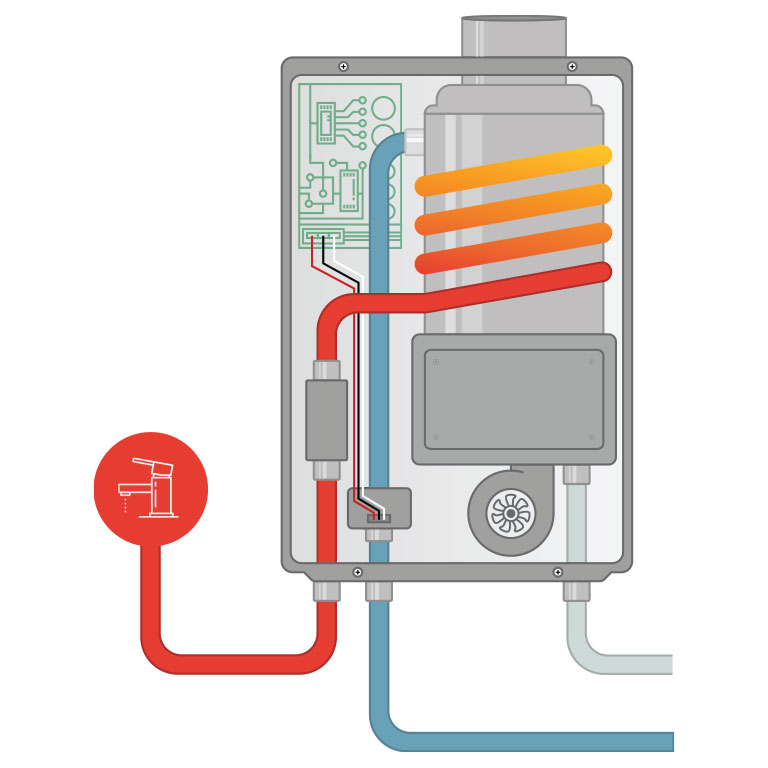
Tankless water heaters, sometimes called on-demand water heaters, heat water only when you need it. That’s different from traditional tank heaters, which store and keep water hot all day. The main benefits are:
- Unlimited hot water (no more cold showers)
- Lower energy bills (no standby heat loss)
- Longer lifespan (often 20+ years)
- Smaller size (mounts on the wall)
But not all tankless heaters work the same. How do Rheem and Ecosmart compare on these promises?
Brand Overview: Rheem And Ecosmart
Rheem: A Century Of Innovation
Rheem is one of the most trusted names in home appliances. Founded in 1925, Rheem offers a wide range of water heaters, including gas, electric, and hybrid models. Their tankless series is known for advanced features, durability, and solid customer support.
Ecosmart: Focused On Efficiency
Ecosmart is a newer company, but it has made a name for itself with electric tankless water heaters that are simple, efficient, and affordable. Ecosmart’s main goal is to help homeowners save energy and money, with a focus on eco-friendly design.
Core Technology: How Do They Work?
Both brands use electric or gas-powered heating elements, but there are differences in how they deliver hot water.
- Rheem offers both electric and gas models. Their gas models use a heat exchanger powered by natural gas or propane. Electric models use powerful heating coils. Many models come with digital controls and self-modulation, adjusting power use based on hot water demand.
- Ecosmart focuses mainly on electric units. They use patented self-modulating technology to heat water on demand, adjusting energy use to the flow rate and temperature.
Non-obvious insight: While both brands promise energy savings, gas tankless heaters (like many Rheem models) often deliver higher flow rates than electric-only models (Ecosmart’s specialty). That means if you have a big family or high hot water demand, gas may be better.
Comparing Key Features
Choosing between Rheem and Ecosmart means looking at the features that matter most. Here’s a closer look.
1. Hot Water Capacity (flow Rate)
- Rheem: Offers models with flow rates from 3.5 GPM (gallons per minute) up to 11 GPM for whole-home use.
- Ecosmart: Electric models range from 1.5 GPM to around 6 GPM, best for small to medium homes or point-of-use.
Example: A typical shower uses 2.0 GPM. If you want to run two showers and a dishwasher, you’ll need at least 6 GPM.
2. Energy Efficiency
- Rheem gas tankless models reach up to 94% efficiency (Energy Factor).
- Ecosmart electric models hit up to 99.8% efficiency.
Non-obvious insight: High electric efficiency doesn’t always mean lower bills. In many areas, natural gas is cheaper than electricity per BTU. So, a 94% efficient gas heater can sometimes cost less to run than a 99% electric model.
3. Installation Flexibility
- Rheem: Offers indoor and outdoor models, with both electric and gas options. Some require venting, which can add cost.
- Ecosmart: Electric models require no venting and can be installed almost anywhere with access to sufficient electrical supply.
4. Maintenance And Lifespan
- Rheem: 15–20 years with proper care. Gas models need annual checks (flushing, burner inspection). Parts are widely available.
- Ecosmart: 12–20 years expected life. Electric models have fewer moving parts and need less maintenance, but do require occasional descaling in hard water areas.
5. Upfront Cost
- Rheem: $600–$2,000+ depending on model and capacity. Installation for gas models can be more expensive, especially if venting or gas lines are needed.
- Ecosmart: $250–$800 for most electric units. Lower installation cost, but may need electrical upgrades in older homes.
6. Warranty
- Rheem: 5–12 years on heat exchangers, 1–5 years on parts.
- Ecosmart: Lifetime warranty on heat exchangers (residential use), but only if installed by a licensed professional.
Note: Always check the fine print. Some warranties are void if not installed by a pro.
Head-to-head: Specs And Performance
Here’s a side-by-side look at a popular model from each brand:
| Feature | Rheem RTGH-95DVLN (Gas) | Ecosmart ECO 27 (Electric) |
|---|---|---|
| Max Flow Rate | 9.5 GPM | 6.6 GPM |
| Energy Factor | 0.94 | 0.99 |
| Fuel Type | Natural Gas | Electric |
| Installation | Indoor (vented) | Indoor (no venting) |
| Price Range | $1,200–$1,500 | $400–$500 |
| Warranty | 12 yrs (heat exchanger) | Lifetime (heat exchanger) |
Real-world Performance: User Experience
Rheem Owners Say…
Many Rheem users praise the reliable hot water delivery, even for large families. The higher GPM means you can run multiple showers or appliances at once. Most users find the digital controls easy to use, and customer support is usually responsive. Some report higher installation costs, especially for gas venting, but are happy with the long-term savings.
Ecosmart Owners Say…
Ecosmart fans love the compact size and simple installation. The units are quiet, and people notice a drop in energy bills after switching. Some users mention that water flow can drop if too many faucets are used at once, especially in colder climates where incoming water is very cold. The lifetime warranty is a plus, but only if installed by a licensed electrician.
Example: In a two-bathroom home, an Ecosmart ECO 27 works well for showers and laundry, but may struggle if all taps are on at the same time.
Pros And Cons: Quick Summary
Here’s a side-by-side pros and cons summary to help you visualize the main differences:
| Rheem Tankless | Ecosmart Tankless | |
|---|---|---|
| Pros |
|
|
| Cons |
|
|
Which Is Right For You? Key Scenarios
Every home is different. Here’s how to decide:
Best For Large Households
If you have a big family or want to use hot water in several places at the same time, a Rheem gas tankless is usually the better choice. You’ll get higher flow rates and steady hot water, even during heavy use.
Best For Small To Medium Homes Or Apartments
If you live in a smaller home or apartment, or need a unit for a single bathroom or kitchen, an Ecosmart electric is a smart, affordable option. It’s also a great choice if you want to avoid the cost and trouble of venting gas.
When To Choose Electric Vs Gas
- Go electric (Ecosmart) if you want a simple, compact solution and have enough electrical capacity (usually 100+ amps available).
- Go gas (Rheem) if you want the highest flow, or already have a natural gas line.
Special Cases
If you live in a cold climate, electric tankless heaters will deliver less hot water because incoming water is colder. In that case, a gas unit (Rheem) can be more reliable.

Credit: www.amazon.com
Installation Differences: What To Expect
Rheem Tankless Installation
Installing a Rheem gas tankless heater is more complex. You’ll need:
- A gas line (natural gas or propane)
- Proper venting to the outside (for safety)
- Possible upgrades to plumbing
This means higher labor costs—sometimes $1,000 or more. But for electric Rheem models, installation is simpler, similar to Ecosmart.
Ecosmart Tankless Installation
Ecosmart units are all-electric. They don’t need venting, so they can be mounted almost anywhere inside the home. The main requirement is enough electrical capacity. Many older homes need an upgraded breaker or wiring, which can add $300–$800 to the cost.
Pro tip: Always use a licensed installer. Not only for safety, but to keep your warranty valid.
Energy Use And Cost Over Time
Here’s how the numbers stack up over a year of use, based on average U.S. rates:
- Ecosmart Electric: Uses about 4800 kWh/year for a family of 4. At $0.13/kWh, that’s $624/year.
- Rheem Gas: Uses about 170 therms/year. At $1.20/therm, that’s $204/year.
Key point: Even though electric tankless units are more efficient, the lower cost of natural gas often means cheaper annual operation for gas models.
Environmental Impact
Both brands help reduce energy waste, but in different ways:
- Rheem gas tankless units use less fuel than tank models, but still emit some CO2.
- Ecosmart electric units create no emissions at the unit itself. However, their environmental impact depends on how your electricity is generated (coal, solar, etc. ).
If your goal is the greenest possible solution, pair an electric tankless (like Ecosmart) with solar panels or renewable power sources.
Warranty And Customer Support
Warranty is a big deal for any appliance. Here’s what you can expect:
- Rheem: Up to 12 years on the heat exchanger (gas), 5 years parts. Good customer service, with many authorized repair centers.
- Ecosmart: Lifetime warranty on the heat exchanger (residential), but only if installed by a pro. Parts warranty is 1–5 years. Customer service is generally good, but users sometimes report longer wait times.
Tip: Keep your receipt and installation documents—manufacturers will ask for these if you need service.
Real-world Installation Stories
Story 1: Upgrading An Old Tank
A family in Texas replaced their 50-gallon tank with a Rheem RTGH-95DVLN. The installer had to run a new vent and upgrade the gas line. Total cost: $2,800, including the unit and labor. The family noticed immediate savings and loved having endless hot water, even during morning rush.
Story 2: Condo Conversion
In a Florida condo, an Ecosmart ECO 18 replaced an aging electric tank. The electrician added a new 60-amp breaker. The compact size freed up closet space, and hot water was instant at the shower. The only drawback: can’t run two showers and the dishwasher at once.
Common Mistakes To Avoid
- Sizing wrong: Picking a unit that’s too small is the #1 mistake. Always calculate your peak hot water demand.
- DIY installation: Both brands require licensed professionals for warranty. Don’t risk it—improper install can be dangerous.
- Ignoring water hardness: Hard water can cause scale buildup. Use a descaler or water softener if you have mineral-rich water.
- Skipping annual maintenance: Even electric units need regular flushing to stay efficient.
- Forgetting about electrical capacity: Make sure your home’s panel can handle the load of an electric tankless.
Credit: stogagirlssoccer.com
How To Size Your Tankless Water Heater
Before you buy, figure out your home’s peak demand:
- List all fixtures you want to use at once (showers, sinks, washing machine).
- Add up the GPM for each (shower = 2.0 GPM, sink = 1.0 GPM, etc. ).
- Choose a unit with at least that flow rate.
- In cold climates, pick a higher GPM model, as incoming water is colder and needs more power to heat up.
Example: For two showers and a dishwasher, you need at least 5–6 GPM.
Comparing Top Models
Let’s look at some best-sellers from each brand.
Rheem Top Models
- Rheem RTGH-95DVLN (Gas, 9.5 GPM): Great for big homes.
- Rheem RTEX-24 (Electric, 5.9 GPM): Good for apartments or small homes.
Ecosmart Top Models
- Ecosmart ECO 27 (Electric, 6.6 GPM): Best-seller for medium homes.
- Ecosmart ECO 11 (Electric, 3.1 GPM): Great for point-of-use or small apartments.
Credit: www.nilds.gov.ng
Performance In Different Climates
In cold climates (northern U.S., Canada):
- Gas models (Rheem) perform better, as they can heat cold incoming water quickly.
- Electric models (Ecosmart) may have reduced flow rates in winter.
In warm climates (southern U.S.):
- Electric models work well, as incoming water is already warmer.
Smart Home Features
Modern tankless water heaters offer more than just hot water. Features like:
- Wi-Fi control (available on some Rheem models)
- Digital temperature settings
- Self-diagnostics
These features make it easier to monitor and adjust your water heater. Ecosmart models are simpler, but some new units now offer digital displays.
Safety And Compliance
- Rheem gas models include flame failure detection, overheat sensors, and child safety locks.
- Ecosmart uses automatic shutoff if water gets too hot, and all models are UL and ETL certified.
Tip: Make sure your installer checks local codes; some areas require specific venting or wiring.
Cost Breakdown: What Will You Really Pay?
Here’s a summary of typical costs for a whole-home installation:
- Rheem Gas Tankless:
- Unit: $1,000–$1,500
- Installation: $800–$1,500
- Total: $1,800–$3,000
- Ecosmart Electric Tankless:
- Unit: $350–$600
- Installation: $300–$800 (if electrical upgrade needed)
- Total: $650–$1,400
Long-term savings: Both can reduce water heating bills by 20–40% compared to old tanks.
Who Should Not Choose Tankless?
Tankless is not always the best solution. If you have:
- Very low hot water demand (vacation home, single sink)
- An old electrical system that can’t be upgraded
- No access to natural gas (and high electricity prices)
You may be better off with a high-efficiency tank model.
What Owners Often Overlook
- Water pressure matters: Low water pressure can reduce performance.
- Delayed hot water: Tankless heaters don’t store hot water, so you may notice a 2–5 second delay compared to tank models.
- Noise: Gas units make a soft “whoosh” when heating. Electric units are nearly silent.
Final Thoughts: Which Brand Wins?
There’s no single winner. The choice depends on your home, budget, and hot water needs. Here’s a quick cheat sheet:
- Choose Rheem if you want the most power, have a large household, or prefer gas.
- Choose Ecosmart if you want low cost, easy install, and have modest hot water needs.
The best advice? Calculate your home’s hot water demand, and match it to the right model. Both brands offer strong performance, but picking the right size and type is key to years of comfort and savings.
If you want to learn more about the technical differences between tankless and traditional water heaters, you can check out this Wikipedia article on tankless water heating.
Frequently Asked Questions
Is A Tankless Water Heater Really Worth It?
Yes, for most homes. Tankless water heaters save energy, last longer, and give unlimited hot water. They cost more upfront but usually pay for themselves in energy savings within 5–8 years.
Can I Install A Tankless Water Heater Myself?
It’s not recommended. Both Rheem and Ecosmart require professional installation for warranty. DIY installs can be dangerous (especially gas), and might not meet local codes.
How Do I Know What Size I Need?
Add up the GPM (gallons per minute) for all fixtures you want to use at once. Choose a unit that meets or exceeds that number. In cold climates, size up to handle lower incoming water temperatures.
Which Is More Eco-friendly: Rheem Or Ecosmart?
Both brands are greener than tank models. Ecosmart electric units have zero direct emissions, but their impact depends on your local electricity source. Rheem gas models use less fuel but do emit some CO2.
What’s The Most Common Problem With Tankless Heaters?
The most common issue is mineral buildup (scale), especially in hard water areas. This reduces efficiency and can shorten life. Regular descaling (flushing) prevents problems and keeps your water heater running smoothly.