
You’re choosing between different ways to warm your space, ranging from oil-filled radiators to ceramic towers. The main differences are how they move heat, their size, and the safety features included. This guide highlights the best options for your specific needs, whether you want quiet warmth or rapid heating.
Best overall: De’Longhi Oil Filled Radiator for its efficient thermal slot design and quiet, allergy-friendly heat delivery. Best for whole rooms: Dreo Whole Room Heater because it provides 360-degree airflow to cover large areas quickly. Best for small spaces: ASNUG 500W Ceramic Heater as it offers a compact design for desks and tight areas.
The rest of this guide is for anyone looking to find a reliable heating solution for their home or office.
As an Amazon Associate, we earn from qualifying purchases. This post contains affiliate links – if you buy through them, we may earn a commission at no extra cost to you.
Comparison Table
1. De’Longhi Oil filled Radiator Heater
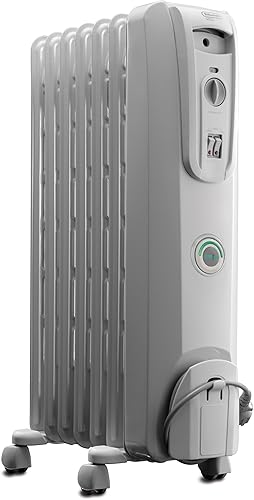
Best for: People who want quiet, long-lasting room heat.
This heater uses a thermal slot design to move heat into the room while keeping the surface temperature low. Because it doesn’t use a fan, it’s a great choice for those who want to avoid blowing around dust or pollen.
The ComfortTemp feature helps you save energy by maintaining an optimal temperature automatically. It’s a solid choice for bedrooms where silence is a priority, though it isn’t designed for instant, high-speed temperature changes like a ceramic unit.
Pros
- No fan for quiet operation.
- ComfortTemp feature improves efficiency.
- Easy to move with wheels.
Cons
- Heats up slower than ceramic.
2. Dreo Whole Room Heater

Best for: Heating rooms from corner to corner.
This heater uses a 360-degree outlet to push air throughout the room. It’s built to warm spaces up to 270 square feet quickly using a ceramic heating system.
The ECO mode is useful for keeping energy usage down by adjusting the output to reach your target temperature. If you have a busy household, the flame-retardant materials and tip-over shutoff offer added safety. It isn’t the right choice if you only need a tiny heater for a small desk area.
Pros
- 360-degree heat distribution.
- ECO mode saves energy.
- Very quiet at 25 dB.
Cons
- Requires more floor space.
3. Dr Infrared Heater DR-968 Portable Space Heater
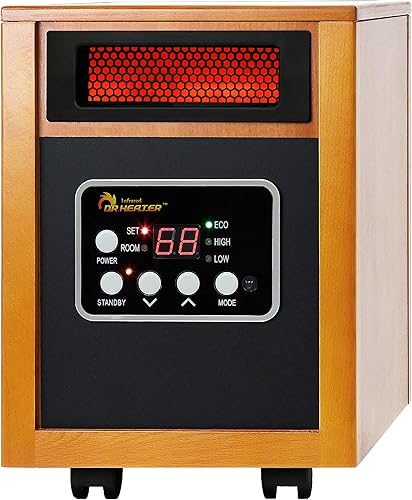
Best for: Large rooms needing consistent warmth.
This unit combines an infrared quartz tube with a PTC ceramic element. This dual system is designed to provide more heat output than single-system units, making it effective for large rooms.
The included remote and 12-hour timer make it easy to manage from across the room. It’s quite heavy at 19 pounds, so it’s best for users who plan to leave it in one place rather than moving it constantly.
Pros
- Dual heating system technology.
- Includes remote control.
- 12-hour automatic shutoff timer.
Cons
- Heavy to carry around.
4. Lasko 23″ Ceramic Tower Space Heater with Remote Control
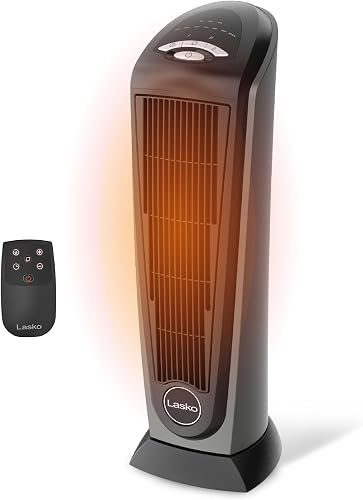
Best for: Remote workers in home offices.
This tower heater features wide oscillation to ensure warmth reaches every corner of the room. It’s a popular choice for bedrooms and nurseries because of its cool-touch housing and safety features.
The remote control lets you adjust settings without getting up, which is perfect for a long work day. It isn’t intended for very large open-plan living areas, as it’s optimized for medium-sized rooms.
Pros
- Wide oscillation for even heat.
- Includes convenient remote control.
- Cool-touch housing for safety.
Cons
- Best for medium rooms only.
5. Amazon Basics Portable Oil Radiator Heater

Best for: Users needing steady, silent heat.
This radiator uses seven oil-filled fins to provide consistent warmth that lingers even after the heater is switched off. It’s very quiet, making it ideal for offices where focus is needed.
The slim profile allows it to fit into tight spaces without getting in the way. It isn’t the fastest option if you need to warm up a freezing room in a matter of seconds.
Pros
- Very quiet operation.
- Slim, space-saving design.
- Includes tip-over protection.
Cons
- Slower to heat initially.
6. Uthfy Oscillating Space Heater

Best for: Large rooms with a focus on visuals.
This tower heater uses 120-degree oscillation to cover up to 350 square feet. It also includes 3D flame lighting that adds a cozy visual element to any room.
The dust filter is removable, which makes maintenance straightforward for daily use. It isn’t the right pick if you prefer a simple, no-frills heater, as the flame effects are a main part of its design.
Pros
- Covers large rooms well.
- Includes 3D flame lighting.
- Easy to clean filter.
Cons
- More features to manage.
7. Comfort Zone Electric Baseboard Space Heater with Adjustable Thermostat

Best for: Targeted heating in specific rooms.
This baseboard-style heater provides powerful convection heat for medium-sized rooms. It’s built with dent-proof panels, so it stays looking good during regular operation.
The silent operation makes it excellent for living rooms where you want to watch TV without background noise. It isn’t meant for small, cramped spaces where you might accidentally block the airflow.
Pros
- Silent, fan-free operation.
- Durable dent-proof construction.
- Adjustable thermostat included.
Cons
- Lower profile limits placement.
8. ASNUG 500W Ceramic Heater

Best for: Personal desk use and small areas.
This tiny heater is designed for quick, personal warmth in offices or bathrooms. It uses PTC ceramic elements to start heating within two seconds.
Its small size makes it very easy to store when not in use. It isn’t powerful enough to heat a large bedroom or living area.
Pros
- Compact and portable size.
- Fast heating start time.
- Simple one-touch operation.
Cons
- Limited heating capacity.
9. BLACK+DECKER Personal Ceramic Heater

Best for: Personal heating at a desk.
This is a lightweight personal heater that’s easy to move from room to room. It offers three settings, including a fan-only mode for when you just need air circulation.
The manual controls are straightforward and easy to use for anyone. It isn’t designed to heat anything larger than a small, personal space.
Pros
- Extremely lightweight at 2.8 lbs.
- Includes fan-only mode.
- Simple manual controls.
Cons
- Small range of heat.
10. JNDRO Wall-Mounted Space Heater with Thermostat and Remote Control

Best for: Saving floor space.
This unit mounts to the wall, keeping your floor clear and safe. It features an intelligent ECO mode that adjusts power based on the room temperature to save energy.
The 120-degree oscillation helps distribute air effectively even when mounted. It isn’t for users who want a portable heater they can take to different rooms, as it requires wall installation.
Pros
- Saves valuable floor space.
- Intelligent ECO energy mode.
- Wide oscillation angles.
Cons
- Requires wall mounting.
How to Choose in Sixty Seconds
Which heating technology is best for me?
Ceramic heaters are best for rapid, targeted heat in small to medium spaces. Oil-filled radiators provide a slower, more consistent heat that stays warm longer and is quieter. Infrared heaters are excellent for larger rooms as they heat objects directly, making them efficient for keeping a specific area cozy.
What safety features should I look for?
Always look for tip-over protection, which shuts the unit off if it falls, and overheat protection to prevent the device from getting too hot. These are standard in many modern heaters. The Consumer Product Safety Commission provides guidelines on using portable heaters safely to reduce fire risks in your home.
Does the wattage really matter?
Most standard heaters are 1500 watts, which is the maximum for most household outlets. If you have a small space, a lower-wattage heater like the ASNUG 500W might be enough. For larger rooms, look for heaters that offer oscillation or wide airflow to ensure the heat reaches every corner.
Closing
For the best all-around performance, the De’Longhi Oil Filled Radiator is a top choice, while the Dreo Whole Room Heater stands out for its superior coverage in larger spaces. Consider your room size and whether you need instant heat or long-term warmth, then check the latest availability on Amazon.
Related guides
Frequently Asked Questions
Do these heaters require any maintenance?
Most heaters require very little maintenance beyond occasional cleaning. For models with filters, like the Uthfy Oscillating Space Heater, you should rinse the dust filter regularly to keep the airflow efficient. Always keep the intake and exhaust vents free of dust or debris to ensure the heater runs safely and effectively.
Can I leave these heaters running overnight?
While many heaters like the Lasko 751320 Ceramic Tower have timers and safety shutoffs, it’s generally recommended to use them only when you’re awake and nearby. Always check that the model has overheat and tip-over protection, and never place the heater near curtains, bedding, or other flammable materials.
What happens if the heater tips over?
Most modern heaters, such as the Amazon Basics Oil Radiator, have a built-in tip-over switch. This mechanism detects when the unit isn’t upright and cuts the power immediately. This is a critical safety feature to look for, especially if you have children or pets in the home who might bump into the device.
How does a 1500W heater affect energy usage?
Energy usage for a 1500W heater depends on how long you use it. Models with ECO modes, such as the JNDRO Wall-Mounted Heater, help manage power consumption by automatically reducing output once your desired temperature is reached.
Final Thoughts
Finding the right balance between comfort and cost doesn’t have to be a headache. Once you’ve picked a model that suits your room size, keep an eye on your energy usage during the first cold week. You’ll soon see how much more comfortable your home feels without breaking the bank.