
A water heater is a silent worker in most homes, giving hot water for showers, dishes, and cleaning. Yet, many people do not know about the small but important parts that keep it safe. One of these hidden heroes is the TP valve. If you have ever seen a metal valve with a pipe attached to your heater, you have found the TP valve. But what does it do, why is it necessary, and how do you keep it working right? Let’s break down everything you need to know about the TP valve, its role, and how it protects you from danger.
What Is A Tp Valve?
A TP valve stands for Temperature and Pressure relief valve. This small device is installed on water heaters, both gas and electric. Its job is simple but critical: it keeps the tank from getting too hot or too much pressure. If either the temperature or pressure goes above a safe limit, the valve opens to let water escape. This prevents the tank from bursting, which can cause serious injury or property damage.
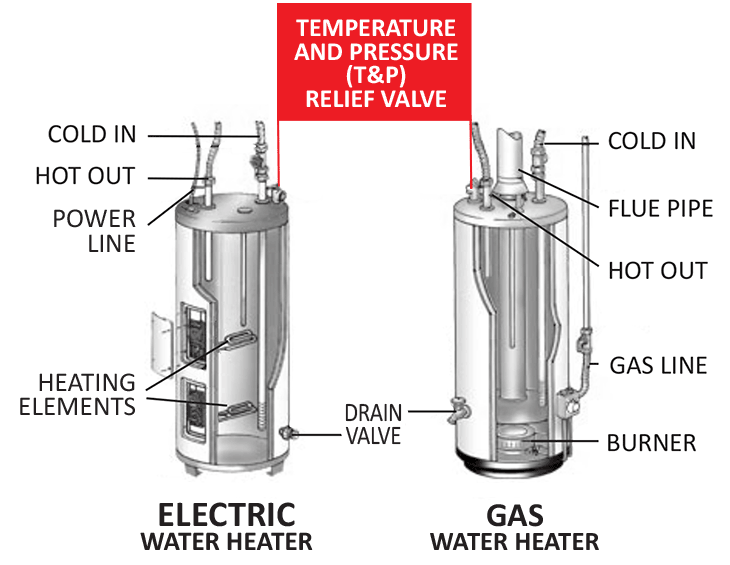
Most TP valves are made of brass or stainless steel. You will find them near the top or on the side of your water heater, with a discharge pipe leading downwards. The pipe is there to direct hot water safely to the floor or a drain if the valve opens.
How Does A Tp Valve Work?
The TP valve uses a spring mechanism inside. It is set to open at a certain temperature (usually 210°F) or pressure (usually 150 psi). If the water inside the tank gets hotter or has more pressure than this, the valve pops open and releases water. This simple action stops the tank from becoming a bomb.
Let’s look at the process:
- Normal Operation: Water heats up in the tank, but stays under safe limits. The TP valve stays closed.
- Excess Pressure or Temperature: If a thermostat fails or pressure builds up, the water becomes too hot or pressure gets too high.
- Valve Activation: The TP valve opens automatically.
- Release: Hot water and steam escape through the discharge pipe, lowering pressure and temperature quickly.
- Reset: The valve closes once normal conditions return.
A TP valve is a last line of defense. It only works when something else has failed, like the thermostat or pressure regulator.
Why Is A Tp Valve So Important?
The TP valve is not just another part. It is a safety device required by law in most places. Without it, a faulty water heater could turn into a dangerous pressure vessel. If the tank bursts, the force is enough to blow apart walls or cause severe burns.
Here are some reasons why the TP valve is essential:
- Prevents Explosions: It stops the tank from exploding under pressure.
- Reduces Injury Risks: It protects users from scalding water or flying debris.
- Protects Property: It can prevent flooding and water damage.
- Legal Requirement: Most building codes demand a working TP valve on all new water heaters.
A failed TP valve can cause disasters. There are real cases where homes have been destroyed because this small valve did not work.
Main Functions Of A Tp Valve
Let’s break down the core roles of a TP valve in a water heater:
- Relieves Excess Pressure: The TP valve opens if water pressure inside the tank goes above a set point (usually 150 psi).
- Releases High Temperature Water: If the water temperature exceeds 210°F, the valve lets out hot water to prevent overheating.
- Protects Against Faulty Parts: If the thermostat or pressure regulator fails, the TP valve acts as a backup.
- Directs Discharge Safely: The attached pipe sends hot water downward, away from people and electrical parts.
- Alerts to Problems: Frequent leaks or discharges may warn you of bigger issues in your heater.
Many users do not realize that a TP valve can signal hidden problems. For example, if it leaks often, your thermostat may be faulty or pressure is too high in your plumbing.
Where Is The Tp Valve Located?
On most water heaters, the TP valve is easy to spot:
- It is usually screwed into the top or upper side of the tank.
- The valve has a lever handle and a threaded port for a discharge pipe.
- A pipe (metal or plastic) runs from the valve down to about 6 inches above the floor or a drain.
You should never block this pipe or cap it. The pipe’s job is to guide hot water away if the valve opens.
Example Placement
For a 40-gallon gas water heater, the TP valve may be on the side, about 4 inches from the top. On tall electric units, it’s often right on top. Check your manual for your model.
Tp Valve Vs. Other Water Heater Valves
Water heaters have several valves, but each does something different. Here’s a simple comparison:
| Valve Type | Main Function | Activation Trigger | Location |
|---|---|---|---|
| TP Valve | Relieves excess pressure or temperature | 210°F or 150 psi | Top or side of tank |
| Drain Valve | Drains water for maintenance | Manual operation | Bottom of tank |
| Shutoff Valve | Stops water supply to heater | Manual operation | Cold water inlet |
The TP valve is unique because it acts automatically. The others need manual action.
Common Problems With Tp Valves
TP valves are simple but can fail over time. Here are typical issues:
- Leaking: Dripping water from the discharge pipe may mean the valve is faulty or pressure is too high.
- Stuck Valve: If the valve does not open when needed, pressure can build up dangerously.
- Corrosion: Minerals in water can cause rust or scale, jamming the valve.
- Improper Discharge Pipe: Using the wrong pipe material or size can cause burns or leaks.
- Valve Not Closing: After opening, the valve may not seal, wasting water.
A TP valve that leaks a little after use is normal. But regular leaking means you need to check the heater or replace the valve.
Data: Causes Of Tp Valve Leaks
| Cause | Percentage of Cases (Approx.) |
|---|---|
| High Pressure | 50% |
| High Temperature | 20% |
| Mineral Buildup | 15% |
| Valve Failure | 15% |
Knowing the cause helps you solve the problem faster.
How To Test A Tp Valve Safely
Testing your TP valve once a year is smart. It makes sure the valve will work when needed. Here’s how:
- Turn Off Power: For electric heaters, switch off power. For gas, set to ‘pilot’ or ‘off’.
- Place a Bucket: Put a bucket under the discharge pipe.
- Lift the Lever: Gently lift the TP valve lever for a few seconds.
- Check Water Flow: Hot water should rush out and stop when you release the lever.
- Check for Leaks: Watch if the valve closes fully. Any dripping after the test may mean you need a new valve.
Tip: If water does not come out or the valve does not snap shut, replace the valve. Never force a stuck lever.
Common Mistakes When Testing
- Testing with bare hands—always use a glove.
- Skipping the test—valves can stick after years of no use.
- Forgetting to check for leaks after the test.
How To Replace A Faulty Tp Valve
If your TP valve fails, replacing it is not hard. Here’s a step-by-step guide:
- Turn Off Power and Water: Shut off power and cold water supply.
- Drain Water: Drain a few gallons from the tank below the valve level.
- Remove Discharge Pipe: Unscrew the pipe from the valve.
- Unscrew Old Valve: Use a wrench to remove the valve.
- Wrap New Valve Threads: Use Teflon tape on the new valve’s threads.
- Install New Valve: Screw in by hand, then tighten with a wrench.
- Reconnect Pipe: Attach the discharge pipe.
- Turn On Water and Power: Refill the tank and restore power.
- Check for Leaks: Test the new valve for proper sealing.
Note: Always use the right size and rating (usually 3/4 inch, 150 psi, 210°F). Never plug the hole or run the heater without a TP valve.
What Causes Pressure Or Temperature To Get Too High?
Many things can cause a water heater to overheat or build pressure:
- Thermostat Failure: If the thermostat sticks, water keeps heating.
- High Water Pressure: Municipal supply can raise pressure in your tank.
- Closed Water System: Backflow preventers or pressure regulators can trap expanding water.
- Sediment Build-up: Minerals in the tank can cause hotspots and pressure spikes.
- Incorrect Heater Settings: Setting the temperature too high increases risk.
Example: If you set your heater to 150°F instead of the recommended 120°F, you increase stress on the TP valve and can cause leaks.
Credit: www.nilds.gov.ng
How To Prevent Tp Valve Problems
You can avoid most TP valve issues with regular care:
- Annual Testing: Test the valve every year.
- Flush the Tank: Drain sediment from your heater twice a year.
- Check Water Pressure: Install a pressure gauge. Normal is 40–60 psi.
- Correct Discharge Pipe: Use 3/4-inch metal or approved plastic pipe.
- Set Safe Temperature: Keep thermostat at 120°F.
- Replace Old Valves: Change the valve every 3–5 years or if it leaks.
Insider Tip: If your water pressure is often above 80 psi, add a pressure-reducing valve to protect the heater and home.
Are All Tp Valves The Same?
No, not all TP valves are identical. Here’s what varies:
- Size: Most homes use 3/4-inch, but check your heater’s label.
- Pressure Rating: Standard is 150 psi, but large tanks may need higher.
- Temperature Rating: Standard is 210°F.
- Material: Brass is most common; stainless steel resists corrosion.
- Discharge Direction: Some valves allow sideways discharge for special installations.
Always match the rating and size to your water heater. Using the wrong valve can leave you unprotected.
Tp Valve Specifications Table
| Feature | Common Value | Notes |
|---|---|---|
| Thread Size | 3/4 inch NPT | Check tank label |
| Pressure Rating | 150 psi | Higher for commercial tanks |
| Temperature Rating | 210°F | Standard for US heaters |
| Material | Brass | Stainless for special needs |
Signs Your Tp Valve Needs Attention
A working TP valve should be quiet and dry. If you see any of these signs, act quickly:
- Water Dripping: Constant leaks mean high pressure, temperature, or a failing valve.
- Rust or Scale: Mineral buildup on the valve or pipe can block it.
- No Water During Test: If the lever does not release water, the valve is stuck.
- Frequent Discharge: If the valve opens often, check your thermostat or pressure.
Ignoring these signs can lead to bigger risks. Don’t put off repairs.
How Much Does A Tp Valve Cost?
The TP valve is inexpensive compared to the protection it gives. Here’s what to expect:
- Valve Price: $10–$30 for most home models.
- Installation Cost: $75–$150 if you hire a plumber.
- DIY Replacement: Just the cost of the valve and Teflon tape if you have basic tools.
For safety, always use a certified valve with the right ratings.

Credit: www.reddit.com
Can You Use Your Water Heater Without A Tp Valve?
Never use a water heater without a working TP valve. Doing so is illegal in most places and extremely dangerous. If the tank overheats or builds pressure, it can explode like a rocket. The damage can be fatal.
Even for a short time, do not plug the hole or run the heater without the valve. If you need to remove the valve for repair, turn off power and water until you install a new one.
How To Choose The Right Tp Valve
Choosing the correct TP valve is easy if you follow these steps:
- Check Your Tank Label: It will list the required size, pressure, and temperature ratings.
- Buy Certified Valves: Look for UL or ASME listing.
- Match Material: Use brass for most water, stainless for corrosive water.
- Get the Right Discharge Pipe: Use metal or approved plastic, never flexible hose or small pipes.
Buying a cheap or wrong valve can put your home at risk. Always use quality parts from trusted brands.
Tp Valve Installation Best Practices
Proper installation is key for safety. Follow these tips:
- Do Not Cap the Discharge Pipe: This can cause scalding or pressure buildup.
- Slope the Pipe Downwards: Hot water should flow out easily.
- Keep the Pipe Short: Ends 6 inches above the floor or drain.
- Avoid Elbows: Too many bends can slow water flow.
- Do Not Use Thread Sealant Inside the Valve: Only on the outside threads.
If unsure, have a plumber do the installation.
Real-world Examples Of Tp Valve Failure
Here are examples where a TP valve made the difference:
- In 2015, a Texas home was damaged when a stuck TP valve let the tank reach dangerous pressure. The tank launched through the roof—no injuries but major loss.
- In 2018, a New York landlord was fined when tenants’ heaters lacked TP valves. Inspectors found multiple code violations.
- In 2020, a family avoided burns when their TP valve discharged after the thermostat failed, flooding the basement but saving lives.
The lesson: test your valve and never remove it.

Credit: www.mywater.us
Non-obvious Insights For Homeowners
Many beginners miss these key points:
- Discharge Pipe Position Matters: If the pipe is too long, the valve may not drain fast enough.
- Closed Plumbing Systems Need Expansion Tanks: If your home has a one-way valve, install an expansion tank to absorb pressure.
- TP Valve Can Signal Early Trouble: Repeated valve discharge often means a failing thermostat or high main water pressure, not just a bad valve.
Spotting these issues early can prevent disasters and save money.
Legal And Code Requirements
Building codes in the US and many other countries require a TP valve on all water heaters. The codes specify:
- Valve must match tank rating
- Discharge pipe must be the right size and material
- Valve must be tested and listed (UL, ASME)
For more, see Wikipedia on Pressure Relief Valves.
Frequently Asked Questions
What Is The Main Purpose Of A Tp Valve On A Water Heater?
The main purpose of a TP valve is to stop the water heater from exploding if temperature or pressure gets too high. It does this by releasing water automatically, lowering the pressure and temperature inside the tank to safe levels.
How Often Should I Test My Tp Valve?
You should test your TP valve at least once a year. This helps make sure it will open if needed. If the valve sticks, replace it immediately.
Can I Replace A Tp Valve Myself, Or Do I Need A Plumber?
Many homeowners can replace a TP valve with basic tools. However, if you are not comfortable or unsure about plumbing, it is safer to call a licensed plumber. Safety is the top concern.
Why Does My Tp Valve Keep Leaking?
A leaking TP valve can mean high pressure, high temperature, mineral buildup, or a faulty valve. Test your main water pressure and heater thermostat. If both are good, replace the valve.
Is It Safe To Cap Or Plug The Tp Valve Discharge Pipe?
No, it is never safe to cap or plug the TP valve discharge pipe. Doing so can trap pressure and cause the tank to explode. Always leave the pipe open and pointed downward.
Water heater safety depends on small details. The TP valve may be easy to forget, but it is critical for your home. With the right care and knowledge, you can keep your water heater working safely for years.