
A tankless gas water heater is a modern solution for endless hot water. But before you install one, you might wonder about its electrical needs—specifically, does a tankless gas water heater need a dedicated circuit? This is not a simple yes or no question.
Many people think gas means no electricity, but that’s not true for these heaters. Understanding this topic is important for safety, performance, and meeting building codes.
Let’s explore how tankless gas water heaters work, why they need electricity, when a dedicated circuit is required, and what you should know before installing one in your home. This article provides practical advice, technical details, and real examples, so you can make the right choice for your hot water needs.
How Tankless Gas Water Heaters Work
Tankless gas water heaters, also called on-demand water heaters, heat water only when you need it. They don’t store hot water, so you avoid energy loss from standby heat. When you open a hot water tap, cold water flows through a heat exchanger. A gas burner heats the water quickly and sends it straight to your faucet or shower.
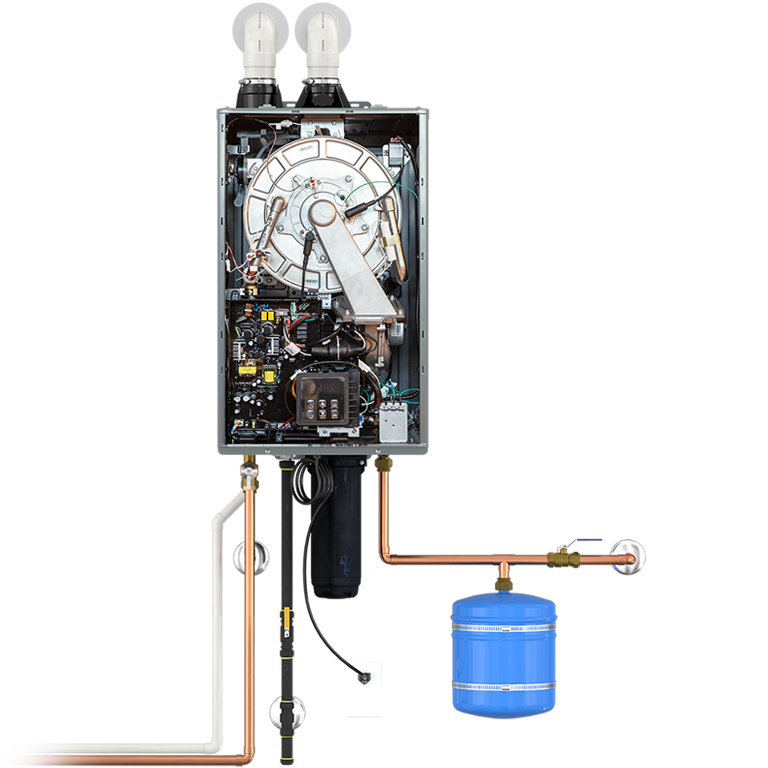
Unlike traditional tank heaters, these units are smaller and can be installed on a wall. They are popular for their energy efficiency, space saving, and ability to provide continuous hot water. But even gas models need some electricity—for ignition, sensors, and controls.
Key Components That Use Electricity
- Electronic ignition: Lights the burner without a standing pilot.
- Control board: Manages safety, temperature, and error codes.
- Fans/blowers: Remove exhaust gases safely.
- Sensors: Monitor flow, temperature, and flame.
These parts don’t use as much power as an electric water heater, but they still need a reliable source of electricity.
Why Tankless Gas Water Heaters Need Electricity
Even though the main heating source is gas, almost all tankless gas water heaters rely on electricity for proper operation. The reasons are technical and practical.
Ignition Systems
Modern units use electronic ignition instead of a standing pilot. This saves gas and is safer, but it means the heater must connect to electricity. Without power, the heater won’t light.
Digital Controls And Safety
Most tankless gas models have digital controls that let you set water temperature, adjust performance, and show error codes. Safety sensors detect issues like overheating, no gas, or blocked vents. All these features need electricity.
Venting And Fans
Many gas tankless heaters use forced venting. A fan pushes exhaust gases outside. The fan is electric and must run every time the heater operates.
Freeze Protection
Some models have built-in freeze protection. If the temperature drops, a small electric heater prevents water inside from freezing. This is important in cold climates.
Summary
Even though these units are “gas,” they are not independent from electricity. Power is needed for ignition, safety, and venting. If the power goes out, most tankless gas water heaters stop working.
What Is A Dedicated Circuit?
A dedicated circuit is an electrical circuit that supplies power to only one device or appliance. It has its own breaker in the panel, and nothing else is connected to it.
Why Use A Dedicated Circuit?
- Safety: Reduces the risk of overloading and fire.
- Performance: Ensures steady power for sensitive electronics.
- Code Compliance: Many local codes require dedicated circuits for certain appliances.
Kitchen appliances like microwaves and refrigerators often have dedicated circuits. Should your tankless gas water heater have one too? Let’s find out.
Electrical Requirements For Tankless Gas Water Heaters
The power needs of tankless gas water heaters are much lower than electric units, but they are not zero. Requirements depend on the brand, model, and features.
Typical Power Draw
Most gas models use:
- Standard 120V (volts)
- 3–5 amps (sometimes up to 7 amps for advanced models)
- Wattage: 360–840 watts
This is about the same as a desktop computer or a TV.
Example: Comparing Power Needs
Here’s a simple comparison:
| Appliance | Voltage | Amps | Watts | Dedicated Circuit? |
|---|---|---|---|---|
| Tankless Gas Water Heater | 120V | 3–5A | 360–600W | Sometimes |
| Microwave Oven | 120V | 10–15A | 1200–1800W | Yes |
| Refrigerator | 120V | 3–6A | 360–720W | Usually |
As you can see, the power draw is not huge, but the type of circuit still matters.
Do Building Codes Require A Dedicated Circuit?
Local building codes decide many rules for home wiring. The National Electrical Code (NEC) is the main standard in the US, but cities and states may add their own rules.
Nec Guidelines
The NEC does not always require a dedicated circuit for a tankless gas water heater if it draws less than 15 amps. However, it does require that the unit has a means of disconnect (a way to turn off power nearby), and that the wiring and breaker match the heater’s needs.
Manufacturer’s Instructions
Most heater makers (like Rinnai, Navien, Noritz, Rheem) strongly recommend using a dedicated circuit—even if not required by code. They do this for safety and reliability.
Local Codes
Some local codes are stricter than the NEC. For example, California, New York City, and Chicago often require dedicated circuits for all water heaters. Always check with your local building department.
Example: Manufacturer Recommendations
- Rinnai: 120V, 3A, dedicated circuit recommended.
- Navien: 120V, 2A, dedicated circuit required.
- Noritz: 120V, 4A, dedicated circuit required.
- Rheem: 120V, 3.5A, dedicated circuit recommended.
When Is A Dedicated Circuit Required?
There are times when a dedicated circuit is necessary, and other times when it is just smart.
Required By Code Or Manufacturer
- If the unit draws more than 7 amps.
- If the manufacturer’s instructions say “required.”
- If local building code says so.
When It’s Highly Recommended
- If you have an older home: Wiring may not be strong enough for more than one appliance.
- If the circuit is shared with heavy-use items: Microwaves, fridges, or washers.
- If you want peace of mind: A dedicated circuit means fewer nuisance trips and easier troubleshooting.
- If your home is prone to electrical noise or surges: Sensitive electronics in the heater can be damaged by shared circuits.
Situations Where Sharing Is Sometimes Allowed
- If the heater draws less than 5 amps.
- If the only other device is a low-use light or outlet.
- If the panel has limited space and all wiring is up to code.
Still, most electricians and manufacturers prefer a dedicated circuit for reliability.
Credit: www.hotwater.com
Risks Of Not Using A Dedicated Circuit
Skipping a dedicated circuit can cause real problems. It may seem like a shortcut, but it’s often a mistake.
Overloading And Breaker Trips
If your heater shares a circuit with other appliances, you may trip the breaker when multiple devices run at once. This cuts hot water and power.
Electrical Interference
Some appliances create “electrical noise. ” This can disrupt the heater’s controls, causing error codes, resets, or even damage.
Harder Troubleshooting
If a breaker trips, it’s harder to know which device caused the problem. A dedicated circuit makes fault-finding easier.
Fire And Safety Risk
Overloaded wires can heat up. In rare cases, this causes fire. Water heaters are a critical device—you don’t want to risk safety.
Warranty And Insurance Issues
If you install against manufacturer advice, you may void the warranty. Some insurance companies could deny claims if an electrical fire was due to improper wiring.
How To Tell If Your Heater Needs A Dedicated Circuit
Check these items to decide:
- Read the manual: Look for sections on electrical requirements.
- Check the rating plate: Usually found on the unit—shows voltage and amps.
- Ask your local building department: Codes can change often.
- Talk to a licensed electrician: They know local rules and best practices.
Here’s a quick reference for most situations:
| Situation | Dedicated Circuit Needed? | Reason |
|---|---|---|
| Heater draws 3A, only shares with a light | Not always | Low load, but check code |
| Heater draws 4A, shares with microwave | Yes | High risk of overload |
| Heater draws 6A, shares with outlets | Yes | Possible overload and interference |
| Heater draws 2A, new home wiring | Usually not | Modern wiring, but check manual/code |
Steps For Installing A Dedicated Circuit For A Tankless Gas Water Heater
If you decide a dedicated circuit is needed, here’s what’s involved:
1. Plan The Circuit
- Choose the breaker size: Usually 15 amps for tankless gas heaters.
- Use the right wire gauge: 14 AWG for 15A circuits (in most cases).
- Plan the route from the electrical panel to the heater.
2. Install The Breaker
- Turn off main power.
- Install a new single-pole breaker in the panel.
- Label it clearly as “Water Heater.”
3. Run The Wire
- Use NM-B (Romex) 14/2 cable for most cases.
- Secure the wire properly to code.
4. Add A Disconnect Switch
- NEC requires a way to disconnect power near the heater.
- This can be a simple switch or an outlet.
5. Connect To The Heater
- Follow the manufacturer’s wiring diagram.
- Use proper wire nuts and secure all connections.
- Attach the ground wire.
6. Test The Circuit
- Restore power.
- Test the outlet/switch with a tester.
- Plug in the heater and check operation.
7. Inspection
- Many places require a city or county inspection before final approval.
Tip: Always hire a licensed electrician unless you are experienced with electrical work.
Special Cases: Outdoor And Off-grid Heaters
Outdoor Installations
If your tankless gas heater is installed outside, you still need to supply power for ignition and controls. In this case, use a weatherproof outlet and a GFCI (ground-fault circuit interrupter) for safety.
Off-grid Solutions
Some remote cabins use battery-powered ignition. These models don’t need a wired circuit, but are less common in the US. They are usually smaller and have fewer safety features.
Generator Or Backup Power
If you want hot water during power outages, connect the heater’s circuit to a home generator or backup battery system (inverter). Check that the system provides clean, reliable 120V power.
Common Installation Mistakes
Many homeowners and even some contractors make mistakes that could have been avoided with a little extra care.
1. Sharing With High-use Circuits
Don’t share the heater with outlets used for vacuum cleaners, microwaves, or hair dryers. These cause frequent breaker trips.
2. Using Undersized Wire
Always use the correct wire size. Too-small wire overheats, even if the breaker is right.
3. Skipping The Disconnect
Some skip the local disconnect, thinking the breaker is enough. Code requires a nearby shut-off for safety and service.
4. Ignoring Manufacturer’s Advice
Some try to save money by not following the manual. This can void the warranty and cause problems later.
5. Not Inspecting After Installation
Always have a final inspection. Even experienced electricians can miss small details.
Cost Of Installing A Dedicated Circuit
Adding a dedicated circuit for your tankless gas water heater is not very expensive, especially compared to the cost of the heater itself.
- Electrician Labor: $150–$400 (depends on location and complexity)
- Materials: $30–$70 (breaker, wire, box, outlet/switch)
- Permit/Inspection: $50–$150 (varies by city)
Total: $230–$620 in most cases.
This is a small price for safety, reliability, and peace of mind.

Credit: www.randyselectric.com
Pros And Cons Of Using A Dedicated Circuit
Let’s quickly look at the main advantages and drawbacks.
Pros
- Maximum safety
- Reliable operation
- Easy troubleshooting
- Meets or exceeds code/manufacturer’s requirements
- Protects warranty
Cons
- Small extra cost
- Takes up one breaker space in the panel
- Requires a little more labor during installation
For most homeowners, the pros far outweigh the cons.
What If You Cannot Add A Dedicated Circuit?
Sometimes, your electric panel is full, or running new wire is very hard. Here’s what you can do:
- Consult an electrician: They may be able to combine circuits or upgrade your panel.
- Use a subpanel: If your main panel is full, a small subpanel can add more circuits.
- Choose a battery-ignition model: If available and suitable.
- Be extra cautious: If you must share a circuit, keep the load low, and don’t use the outlet for other appliances.
- Upgrade wiring during a future remodel: Plan ahead if you’ll renovate soon.
Comparing Gas Vs. Electric Tankless Water Heater Electrical Needs
Many people confuse the two. Here’s a simple comparison:
| Feature | Gas Tankless | Electric Tankless |
|---|---|---|
| Main Energy Source | Natural Gas/Propane | Electricity |
| Electrical Demand | Low (3–5A, 120V) | High (60–120A, 240V) |
| Dedicated Circuit | Recommended/Required | Always Required |
| Breaker Size | 15A (typical) | 2 x 40A to 2 x 60A |
| Wire Size | 14 AWG | 6–8 AWG or larger |
Non-obvious insight: Many homeowners switch from a tank to a tankless system without realizing that electric models often require a major panel upgrade, while gas models usually do not. This can save thousands in installation costs.
Professional Vs. Diy Installation
Should you install a dedicated circuit yourself? For experienced DIYers, running a 15A circuit is possible, but there are risks.
- Permits: Many cities require a permit, even for small jobs.
- Mistakes: Wrong wire or breaker size can be dangerous.
- Inspection: Required for code compliance and insurance.
If in doubt, hire a licensed pro. The cost is small compared to the risk of electrical fire or insurance issues.
Credit: www.rheem.com
Real-world Examples
Let’s look at a few real stories.
Example 1: New Home, Modern Wiring
Mike installed a tankless gas heater in his new home. The electrician ran a dedicated 15A line from the panel. No breaker trips, no issues, and the inspector signed off on the first visit.
Example 2: Older Home, Shared Circuit
Sara tried to save money by plugging her heater into a kitchen outlet. Every time she ran the toaster, the breaker tripped. She later paid an electrician to run a new circuit—problem solved.
Example 3: Manufacturer Warranty Denied
John’s heater stopped working. The manufacturer checked and found it was not on a dedicated circuit, despite the manual saying it was required. The warranty claim was denied.
Lesson: Following best practices pays off in the long run.
Final Recommendations
For most homeowners, installing a dedicated circuit for a tankless gas water heater is the best choice. It ensures safety, code compliance, and reliable hot water. Even if not strictly required by code, it’s worth the small extra cost.
Check your owner’s manual, local codes, and consult a licensed electrician. Don’t cut corners—hot water is too important to risk.
For more technical standards, the National Electrical Code (NFPA 70) is the primary reference for US wiring rules.
Frequently Asked Questions
What Happens If The Power Goes Out? Will My Tankless Gas Water Heater Work?
No, most tankless gas water heaters will not work during a power outage. They need electricity for ignition, controls, and venting. Some rare battery-ignition models can work without house power, but they are less common.
Can I Plug My Tankless Gas Water Heater Into A Regular Outlet?
Yes, most models are designed to plug into a standard 120V outlet. However, it is best if this outlet is on a dedicated circuit, especially if recommended by the manufacturer.
How Do I Know If My Circuit Is Overloaded?
If your breaker trips when the heater and other devices run at the same time, you may have an overload. You can check the load with a clamp meter, or ask an electrician to inspect the circuit.
Can I Use An Extension Cord For My Tankless Gas Water Heater?
No, you should not use an extension cord. This can be a fire risk and may violate local code. Always connect the heater directly to a properly wired outlet or switch.
Is A Surge Protector Necessary For A Tankless Gas Water Heater?
It is not required by code, but it is a good idea—especially in areas with frequent storms or power surges. A surge protector can help protect the sensitive electronics in your heater.
A tankless gas water heater is a smart choice for endless hot water, but its electrical needs are often misunderstood. Take the time to install it right, with the proper circuit, and you’ll enjoy safe, reliable hot water for years to come.