
A water heater should work quietly in the background, giving you hot water when you need it. But when you hear beeping and get only cold water, it’s both confusing and stressful. Many homeowners experience this problem, and it often means something inside your water heater needs attention.
Ignoring the beeps and cold showers can lead to bigger issues—sometimes even water damage or electrical risks. Let’s break down why your water heater is beeping and what you can do about it. This guide will help you understand the real causes, how to respond, and when to call a professional.
Why Is Your Water Heater Beeping?
Water heaters beep for a reason. The beeping is like an alarm, telling you something’s wrong. The most common causes include error codes, leaks, overheating, electrical faults, and low water pressure. Let’s look at each one.
Error Codes And Warning Signals
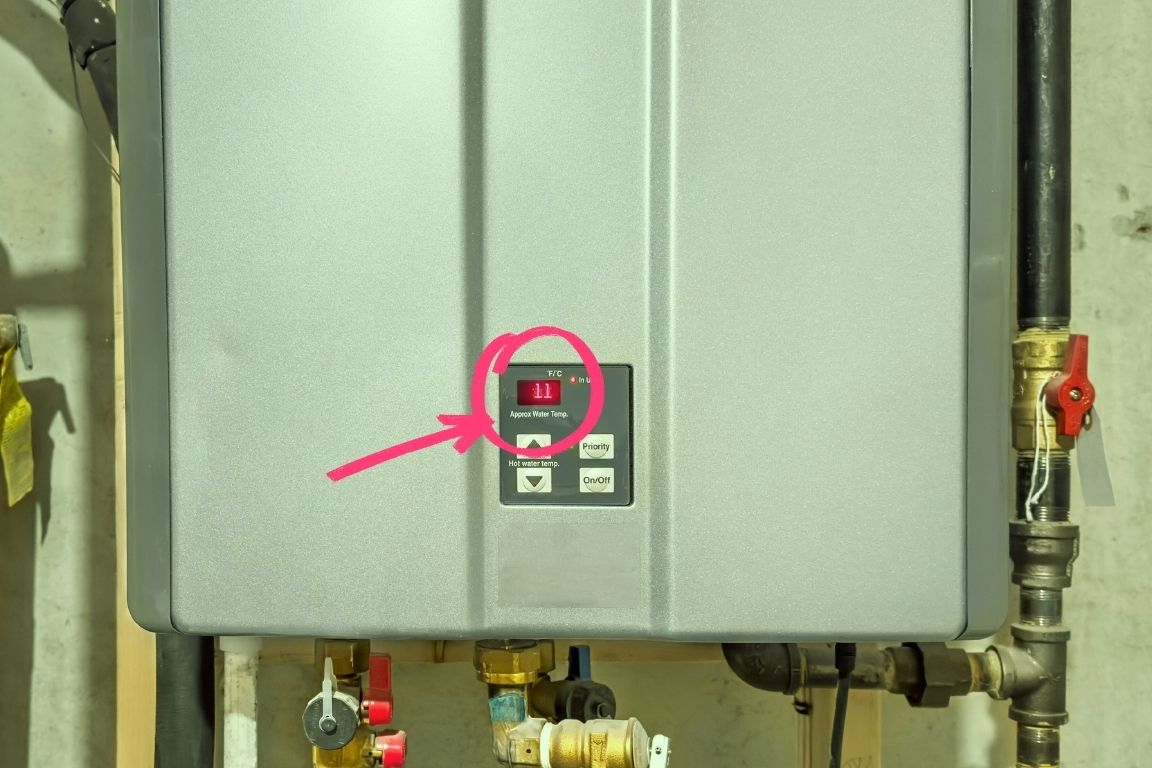
Modern water heaters have digital displays. When something goes wrong, they show an error code and beep. Each code means something different—like a failed ignition or a sensor problem. Always check your water heater’s manual for the meaning of each code.
Leaks And Moisture
If the heater senses water where it shouldn’t be, it may beep. Many units have a leak detection sensor that triggers an alarm. Even a small leak can cause electrical problems or rust, leading to bigger repairs.
Overheating Or High Temperature
Some heaters beep if the water inside gets too hot. This is a safety feature to prevent burns or even explosions. If the thermostat fails, the water may overheat.
Electrical Or Power Issues
A beep may warn you about electrical faults. This could be a wiring issue, a failing control board, or a power surge. Electrical problems can be dangerous—never ignore them.
Low Water Pressure
Low pressure can stop your heater from working right. The system may beep to warn you that water isn’t reaching the heating elements or burners.
No Hot Water: What’s Happening?
When your heater beeps and you get no hot water, both problems are usually connected. Here are the most common reasons:
- Failed Heating Element or Burner – If the part that heats the water is broken, you won’t get hot water.
- Tripped Circuit Breaker – For electric heaters, a tripped breaker stops power to the unit.
- Gas Supply Issues – For gas heaters, no gas means no flame.
- Faulty Thermostat – The thermostat controls water temperature. If it fails, water stays cold.
- Sediment Buildup – Over time, minerals collect inside the tank, blocking heat.
- Faulty Dip Tube – This tube sends cold water to the bottom of the tank. If it’s broken, cold water mixes with hot, making showers lukewarm or cold.
- Pilot Light Problems – For older gas models, a blown-out pilot light means no hot water.
- Blocked Vent or Flue – If exhaust can’t escape, the heater shuts off for safety.
Credit: www.callmother.com
Common Error Codes And What They Mean
Each brand uses different codes. Here’s a general overview:
| Error Code | Possible Issue | What To Do |
|---|---|---|
| E1 | Ignition Failure | Check gas supply, reset unit |
| E2 | Overheat | Turn off power, call technician |
| E3 | Water Leak Detected | Inspect for leaks, shut off water |
| E4 | Sensor Error | Check wiring, replace sensor |
| E5 | Low Water Pressure | Check supply valves, boost pressure |
Step-by-step: What To Do When Water Heater Beeps And No Hot Water
When your water heater starts beeping and you’re left with cold water, don’t panic. Here’s a practical step-by-step guide.
1. Check The Display And Error Code
Look at the display. Most modern heaters show an error code. Write it down.
2. Turn Off The Heater
If you hear continuous beeping, switch off the heater at the main panel or power button. This prevents further damage.
3. Inspect For Leaks
Carefully check around the heater for puddles or drips. Touch the pipes to feel for moisture.
4. Look For Obvious Electrical Or Gas Issues
For electric models, see if the breaker is tripped. For gas heaters, check that the gas valve is open and that you smell no gas.
5. Reset The Unit
Some heaters have a reset button. Press it once (not repeatedly) and listen for changes. If the beeping stops, the problem may be minor.
6. Wait And Test
Wait 15–30 minutes. Run hot water from a faucet. If it stays cold, the problem is not resolved.
7. Call A Professional
If you can’t find the cause, or if the unit keeps beeping, call a licensed plumber or technician. Never try to fix wiring or gas lines yourself.
Causes Of Water Heater Beeping And No Hot Water (detailed)
Let’s look deeper at each major cause, with real examples and what you can do.
Failed Heating Element (electric)
An electric water heater has one or two heating elements inside the tank. If one burns out, you get no hot water. Signs include:
- Beeping error code
- Cold water from all taps
- No circuit breaker trip
Replacing an element is a job for a technician. Sometimes, sediment on the element can also cause overheating and beeping.
Burner Or Igniter Problem (gas)
A gas heater needs a burner and igniter to light the flame. If the igniter fails, the heater will try to start, beep, and shut down. This is common in areas with power surges or after a gas supply interruption.
Circuit Breaker Or Fuse Issues
Electric heaters need a steady power supply. A tripped breaker or blown fuse means no hot water. Reset the breaker once. If it trips again, call a professional.
Faulty Thermostat
A thermostat that can’t measure water temperature correctly may signal overheating or underheating. Modern models beep to warn you. Replacing a thermostat is a common repair.
Sediment Buildup
Hard water causes mineral deposits to settle at the bottom of the tank. This blocks heat transfer and can trigger overheating codes. Sediment also shortens the life of your heater.
Faulty Dip Tube
A broken dip tube lets cold water mix with hot near the top of the tank, so you get warm or cold water instead of hot. This is common in heaters over 10 years old.
Pilot Light Out (older Gas Units)
If the pilot light goes out, the heater won’t run. Relighting the pilot is usually safe, but if it keeps going out, you have a bigger problem.
Blocked Vent Or Flue
Gas heaters vent exhaust outside. A blockage means the unit will beep and shut off for safety. Birds’ nests, leaves, or ice can all block the vent.
Less Obvious Causes (that Beginners Miss)
Most people check the basics, but often miss these:
- Pressure Relief Valve Issue: If this valve is stuck, the heater may beep and not heat.
- Faulty Control Board: Electronics can fail after a power surge or lightning.
- Loose Wiring: Vibration or corrosion can loosen connections, causing intermittent problems and beeping.
Water Heater Types And Their Unique Issues
Not all heaters are the same. Here’s a comparison:
| Heater Type | Common Beep Causes | Special Notes |
|---|---|---|
| Tank (Electric) | Heating element, thermostat, sediment | Needs regular flushing |
| Tank (Gas) | Igniter, burner, pilot light, vent | Pilot light can blow out in wind |
| Tankless | Flow sensor, scale, error codes | Needs descaling every 1–2 years |
| Hybrid/Heat Pump | Compressor, sensors, refrigerant leak | Needs enough air circulation |
How To Diagnose: Electric Vs Gas Vs Tankless
Understanding your heater type makes troubleshooting easier.
Electric Water Heaters
Signs of trouble:
- No noise from the unit
- Breaker tripped
- Beeping, usually from the control panel
What to check:
- Circuit breaker
- Visible wiring
- Reset button
Gas Water Heaters
Signs:
- Clicking or whooshing sound missing
- Pilot light out
- Error code for ignition
What to check:
- Gas valve
- Pilot light window
- Smell for gas leaks (call for help if you smell gas)
Tankless Water Heaters
Signs:
- Error code on display
- Beeping after opening hot tap
- No hot water at all
What to check:
- Inlet water filter (may be clogged)
- Scale buildup (needs descaling)
- Venting (clear of obstructions)
What To Do: Practical Solutions
Let’s get practical. Here’s what you can safely do yourself:
For Leaks
- Tighten any loose connections, but don’t overtighten.
- Place a dry towel under the unit and check for new wet spots.
- If water keeps leaking, shut off water to the heater and call a pro.
For Error Codes
- Check the manual for the exact meaning.
- Reset the unit if the manual says it’s safe.
- If the same code repeats, you need service.
For Electric Heaters
- Flip the breaker off and on.
- Check the reset button.
- If no change, don’t open the panel—call for help.
For Gas Heaters
- Make sure the gas supply is open.
- Try relighting the pilot light if your manual allows.
- If you smell gas, leave the area and call the utility company.
For Tankless Heaters
- Clean the inlet filter (consult the manual).
- Descale if you haven’t in the past year.
- Power cycle the unit (unplug, wait 1 minute, replug).
When To Call A Professional
Some problems are too risky for DIY. Call a licensed technician if:
- You smell gas (emergency)
- Water is leaking heavily
- The breaker won’t stay on
- The same error code keeps returning
- The unit is old (10+ years) and repairs are frequent
A good technician will diagnose the problem quickly, saving you money in the long run. Trying to fix electrical or gas issues yourself is dangerous.
How To Prevent Water Heater Problems
Prevention is the best cure. Here’s how to keep your water heater working smoothly:
- Flush your tank every 6–12 months to remove sediment. Most heaters have a drain valve for this.
- Check the anode rod every 2–3 years. This rod prevents rust inside the tank.
- Test the pressure relief valve yearly. Lift the lever and let it snap back.
- Descale tankless units every 1–2 years with a vinegar solution.
- Inspect for leaks every few months.
- Install a surge protector for electric models.
- Keep the area around the heater clear so air can flow.
What To Do If You Need Hot Water Now
Sometimes you need a quick fix while waiting for repairs:
- Heat water on the stove or in a kettle for bathing.
- Use a point-of-use water heater (small plug-in model) for emergencies.
- Ask a neighbor for help if you have no way to heat water.
Safety First: What Not To Do
- Never open electrical panels if you’re not trained.
- Don’t try to bypass error codes.
- Never relight a pilot light if you smell gas.
- Don’t keep resetting the unit—this can cause more damage.
Water Heater Lifespan And Replacement
Most water heaters last 8–12 years. If yours is older and has frequent problems, replacement may be smarter than repeated repairs.
Signs It’s Time To Replace
- Tank leaks from the bottom
- Rusty hot water
- Multiple repairs needed
- Energy bills are rising
- Unit is over 12 years old
Choosing A New Water Heater
If you decide to replace your unit, think about:
- Fuel type (electric, gas, heat pump, solar)
- Size (gallons needed for your household)
- Efficiency rating (Energy Star models save money)
- Warranty length
Compare these features before buying:
| Feature | Electric Tank | Gas Tank | Tankless |
|---|---|---|---|
| Startup Cost | Low–Medium | Medium | High |
| Energy Efficiency | Medium | Medium | High |
| Hot Water Supply | Limited (by tank size) | Limited (by tank size) | Unlimited |
| Maintenance | Flush, replace anode | Flush, vent check | Descale yearly |
| Lifespan | 8–12 years | 8–12 years | 15–20 years |
Real-world Example
Janet, a homeowner in Dallas, heard beeping from her 9-year-old electric heater and found only cold water. She checked the manual and saw an E2 code—overheating. Resetting didn’t help. A plumber found thick sediment blocking the heating element. A full flush and new element fixed the problem.
If Janet had flushed her tank yearly, she could have avoided the repair.
The Cost Of Ignoring Beeping And No Hot Water
Ignoring the problem can lead to:
- Flood damage if the tank bursts
- Mold growth from slow leaks
- Electrical fires from faulty wiring
- Higher energy bills from a struggling unit
Always act quickly when your heater beeps and fails to provide hot water.
Credit: advocateplumbing.com
Where To Find Water Heater Error Codes And Manuals
Lost your water heater manual? Most brands list error codes and troubleshooting steps on their websites. For example, see the Rheem, AO Smith, or Bradford White sites for common codes and fixes. For general information about water heaters, the Wikipedia Water Heating Article is a good resource.
Frequently Asked Questions
Why Does My Water Heater Beep At Night?
Heaters may run self-checks at night when water isn’t being used. If a problem is found—like a sensor error or low pressure—the unit may beep. Check the display for an error code and inspect the unit for leaks or power issues.
Can I Silence The Beeping Without Fixing The Problem?
Some units allow you to mute alarms, but this only hides the warning. The underlying problem remains and can get worse. Always address the cause before silencing the beep.
Is It Safe To Use Cold Water If The Heater Is Beeping?
Yes, cold water is usually safe to use. But if you suspect a gas leak, smell burning, or see water near electrical parts, don’t use any water and call for help.
How Long Should A Water Heater Last If I Maintain It?
A well-maintained tank heater can last 10–12 years, while tankless models can last 15–20 years. Flushing, descaling, and checking the anode rod all help extend lifespan.
Will My Home Warranty Cover Water Heater Repairs?
Many home warranties cover water heater repairs, especially for electrical or mechanical failure. Always check your policy for details, and keep records of maintenance to help with claims.
A beeping water heater with no hot water can feel like a big problem, but it’s often fixable if you act quickly. Use this guide to understand what’s happening, how to respond, and when to call in the experts. Regular care and prompt action will keep your showers hot and your home safe.
Credit: www.nilds.gov.ng