
Can A Hot Water Heater Last 20 Years
Most people expect a hot water heater to last about 8 to 12 years. But what if you’re hoping for two decades of hot showers from your tank? Is it possible for a hot water heater to last 20 years?
This is a question many homeowners ask, especially as they consider the cost and effort of replacement. The truth is, while 20 years is not the average lifespan, some hot water heaters do reach (and even pass) this milestone. But it’s not just luck — there are specific factors, care habits, and choices that can help a water heater last this long.
If you’re considering how long your water heater might survive — or you want to maximize the life of a new unit — understanding what influences lifespan is key. Let’s explore the 20 most important factors that affect whether a hot water heater can really last 20 years.
Along the way, you’ll find practical tips, real-world examples, and expert insights to help you get the most from your investment.
1. Type Of Water Heater
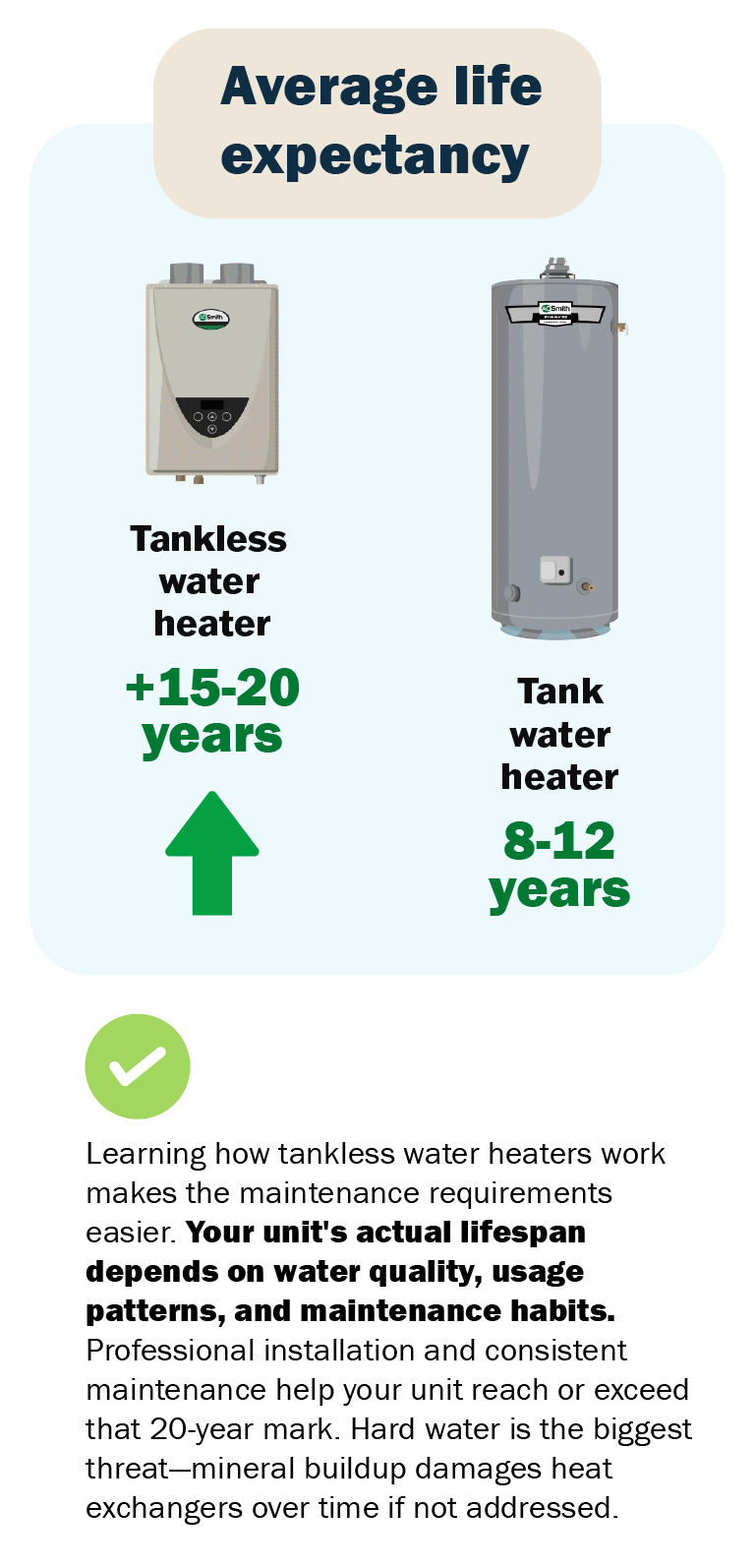
The type of water heater you own is the foundation of its potential lifespan. Traditional tank-style units usually last 8–12 years, but some can stretch to 15 with perfect care. Tankless water heaters (on-demand systems) are built differently and often reach 20 years or more. Hybrid heat pump models and solar water heaters also tend to have longer lifespans. Electric models generally outlast gas models because they have fewer parts exposed to flame and combustion. Choosing the right type at the start is a big step toward getting 20 years from your system.
2. Quality Of Installation
A professional and careful installation sets your water heater up for success. Poor installation can lead to leaks, stress on connections, or even voided warranties. A skilled plumber will set the unit level, ensure all connections are tight, and check for proper venting. If the unit is not installed to code or manufacturer’s specs, even a top-of-the-line heater can fail before 10 years. Always verify that your installer is licensed and familiar with your model.
3. Water Quality
Water quality has a huge impact on water heater life. Hard water (water with high mineral content) causes scale buildup inside tanks and on heating elements. Over time, this reduces efficiency and can cause premature failure. If your area has hard water, using a water softener or filtration system can extend your heater’s life by years. Also, high chlorine content or acidic water can corrode tanks and fittings. Regular water testing is a smart move.
4. Frequency Of Maintenance
Regular maintenance is a top reason some water heaters last 20 years. Flushing the tank yearly removes sediment that would otherwise corrode the liner and reduce efficiency. Checking the anode rod (a metal rod that attracts corrosion) every 2–3 years and replacing it when worn is essential. Neglecting these tasks can cut a heater’s life in half, while consistent care can help it reach two decades.
5. Usage Patterns
How you use your water heater matters more than you may think. Large families or homes with frequent hot water use put extra strain on the unit, leading to faster wear. If you live alone or use hot water sparingly, your heater may last much longer. Reducing the temperature setting and avoiding frequent short draws (turning hot water on and off rapidly) can also minimize stress.
6. Anode Rod Condition
The anode rod is a hidden hero inside tank water heaters. It attracts corrosive elements so they attack the rod instead of the tank’s lining. If the anode rod is not checked and replaced when needed, the tank can rust out in less than 10 years. Replacing the anode rod every 3–5 years (or as needed) can easily add 5–10 years to the life of your heater.

Credit: www.reddit.com
7. Tank Material And Lining
The tank’s construction plays a big role in longevity. Most modern tanks have a glass or enamel lining to prevent rust. Premium models sometimes use stainless steel tanks, which resist corrosion much longer. Cheap tanks with thin linings or poor welds tend to fail much sooner. Investing in a well-built tank can make 20 years realistic.
8. Heating Element Quality
In electric water heaters, the heating elements are critical. High-quality, low-watt-density elements heat water more gently and resist scale buildup. Cheaper elements can burn out quickly, especially in hard water. If you ever replace an element, choose one designed for durability. In gas models, the burner and heat exchanger quality also affect life, though indirectly.
9. Location And Environment
Where your water heater is installed makes a difference. Units in damp, unheated basements or garages are exposed to moisture and temperature swings, which can cause rust and shorten life. Installing your heater in a dry, temperature-controlled area is best. Also, keep the area around the heater clear so air can circulate and the unit stays dry.
10. Temperature Setting
Setting your water heater too high (above 140°F) increases stress on the tank, pipes, and elements. A temperature setting between 120°F and 125°F is usually enough for comfort and safety. Lower settings reduce wear and help prevent scalding. They also limit the risk of mineral buildup and corrosion, making 20 years more achievable.
11. Pressure Regulation
High water pressure puts extra force on the tank and plumbing, leading to leaks or ruptures. Most heaters are designed for 50–60 psi (pounds per square inch). If your home’s water pressure is higher, install a pressure reducing valve to protect your system. This simple step can prevent many premature failures.
12. Sediment Buildup
Sediment from minerals in your water settles at the bottom of tank heaters. Over time, this buildup insulates the water from the heating element, making the unit work harder and overheat. It also promotes corrosion. Flushing your heater once a year removes sediment and can double the life of the tank. Ignoring sediment is one of the fastest ways to destroy a water heater.
Credit: www.hotwater.com
13. Professional Inspections
Having a professional plumber inspect your water heater every few years helps spot issues before they cause major damage. Plumbers can check for leaks, test the pressure relief valve, and assess the condition of the tank and pipes. Early detection of problems like small leaks, failing valves, or rust can add years to your heater’s service.
14. Manufacturer And Model
Not all water heaters are created equal. Reputable brands like Rheem, Bradford White, and A.O. Smith have a track record of long-lasting products. Some models are designed for heavy-duty or commercial use and come with thicker tanks, better anode rods, and longer warranties. Researching before you buy can save you from early failure and help you find a unit likely to last 20 years.
15. Warranty Length And Coverage
A long, comprehensive warranty often signals a better-built heater. Many standard tank heaters come with 6-year warranties, but high-end models offer 9, 12, or even lifetime coverage. A longer warranty also means the manufacturer expects the unit to last. If you want a 20-year lifespan, choose a model with the longest warranty you can afford.
16. Proper Ventilation (for Gas Models)
Gas water heaters need good ventilation to safely remove combustion gases. Poor venting can cause condensation, rust, and even carbon monoxide hazards. Blocked or undersized vents shorten the life of the heater and can be dangerous. Make sure your venting meets code and is inspected regularly, especially after storms or remodeling.
17. Power Supply Stability
For electric water heaters, unstable power (frequent surges or outages) can damage heating elements and electronics. Surge protectors or voltage regulators can protect your investment. For gas models, make sure the gas supply is steady and clean — dirty burners or fluctuating gas pressure reduce efficiency and life.
18. Upgrades And Repairs
Timely upgrades and repairs can add years to your water heater’s life. Replacing worn-out parts like heating elements, thermostats, or valves is much cheaper than buying a new heater. Don’t ignore small leaks or noises; these often signal problems that, if fixed early, prevent major damage.
19. Insulation Quality
A well-insulated tank loses less heat, reducing how often the heater runs. Some models come with extra-thick insulation, but you can also add a tank “jacket” or insulate pipes for extra efficiency. Good insulation reduces energy use, saves money, and minimizes stress on the tank and elements.
20. Technological Advancements
Newer water heaters often use advanced technology like self-cleaning features, smart diagnostics, or corrosion-resistant linings. While these may cost more up front, they can significantly extend the life of the unit. For example, self-cleaning tanks swirl water to prevent sediment buildup, and smart sensors can alert you to problems before they become serious.
Comparing Lifespans By Water Heater Type
To better understand how different water heaters stack up, here’s a comparison of their typical lifespans:
| Type of Water Heater | Average Lifespan | Potential Maximum Lifespan |
|---|---|---|
| Standard Tank (Gas) | 8–12 years | 15+ years |
| Standard Tank (Electric) | 10–15 years | 18–20 years |
| Tankless (On-Demand) | 15–20 years | 25+ years |
| Heat Pump (Hybrid) | 13–15 years | 20 years |
| Solar | 15–20 years | 25+ years |
Signs Your Water Heater Might Last 20 Years
Some hot water heaters show clear signs of being built to last. Here are key indicators:
- Thick, high-quality tank lining
- Heavy-duty anode rod (or dual rods)
- Long warranty (9+ years)
- Consistent yearly maintenance records
- Low hot water demand in your home
- Water softener or filter installed
- Regular professional inspections
- Stable power and water pressure
- Proper ventilation and installation
- No history of leaks or corrosion
If your heater checks most of these boxes, you’re well on your way to two decades of service.
Common Myths About Water Heater Lifespan
Many homeowners believe a few myths about hot water heaters:
- “A tank water heater can never last 20 years.” (Some do, with care and luck.)
- “All heaters are the same.” (Build quality and features matter a lot.)
- “Once a heater is 10 years old, it should be replaced.” (Not always true — age is just one factor.)
- “Maintenance isn’t worth the effort.” (It’s the single best way to add years to your unit.)
Understanding the facts helps you make better decisions about care and replacement.
Example: Extending A Water Heater’s Life
Consider the story of a homeowner in Texas who installed a high-quality electric tank water heater in 2003. By flushing the tank every year, replacing the anode rod twice, and keeping the temperature at 120°F, the unit is still running well after 21 years.
The water is soft, the home has stable power, and the tank is in a dry, heated space. This real-world case shows that with attention and effort, 20 years is possible — though not guaranteed.
Practical Tips To Maximize Water Heater Life
To get your hot water heater to the 20-year mark, follow these best practices:
- Flush the tank every 12 months
- Check and replace the anode rod every 3–5 years
- Install a water softener if your water is hard
- Insulate the tank and pipes for energy savings
- Keep the temperature at 120°F
- Check water pressure regularly
- Have a plumber inspect the unit every few years
- Respond quickly to leaks or odd noises
- Use hot water efficiently to reduce load
Little things add up to big results over the years.
When To Replace Vs. Repair
Even with perfect care, some water heaters simply wear out. Here are warning signs it’s time to replace, not repair:
- Rusty water from the hot tap
- Water pooling around the base of the heater
- Loud popping or rumbling sounds (heavy sediment)
- Multiple repairs in a short time
- Unit is over 15 years old and has issues
If your heater shows these symptoms, a new unit will be safer and more cost-effective.

Credit: alphabuildinginspections.com
Real Data: Water Heater Lifespan In The Us
A study by the US Department of Energy found the average lifespan of a residential water heater is about 12 years. However, about 9% of heaters reach 20 years or more, mostly due to low usage, good water quality, and regular maintenance.
Here’s a summary of water heater longevity in US homes:
| Age at Replacement | Percent of Units |
|---|---|
| 0–9 years | 32% |
| 10–15 years | 51% |
| 16–20 years | 8% |
| 21+ years | 1% |
This shows that while rare, some water heaters do last two decades — especially with proper care.
The Cost Of Pushing A Heater To 20 Years
Extending a water heater’s life can save money, but there are trade-offs. Older units may be less efficient, leading to higher energy bills. Parts can be harder to find as the unit ages. There’s also a higher risk of leaks or tank failure, which can cause costly water damage.
Weigh the potential savings against these risks, and consider upgrading to a more efficient model if your heater is showing its age.
Should You Plan For 20 Years?
If you want your water heater to last two decades, start with a quality unit, install it professionally, and commit to regular maintenance. Even then, reaching 20 years is a best-case scenario, not a guarantee. Many factors are out of your control, such as water chemistry or power surges.
Still, with effort and smart choices, you can maximize your heater’s life and avoid early replacement.
For more in-depth information about water heater maintenance and technology, you can visit the US Department of Energy’s Water Heating Guide.
Frequently Asked Questions
How Often Should I Flush My Water Heater?
You should flush your water heater once a year to remove sediment. In areas with very hard water, twice a year is even better. Regular flushing keeps the tank efficient and helps prevent corrosion.
Can I Replace The Anode Rod Myself?
Yes, many homeowners can replace the anode rod with basic tools and instructions. However, if you’re unsure, hiring a plumber is wise. Replacing the rod every few years is one of the best ways to extend your heater’s life.
Is A Tankless Water Heater More Likely To Last 20 Years?
Tankless water heaters are generally more likely to last 20 years or more because they don’t store water in a tank that can rust. With proper care, some units have been known to last 25 years or longer.
Does A Long Warranty Guarantee A 20-year Lifespan?
No, a long warranty does not guarantee a 20-year lifespan, but it’s a good sign of quality. Warranties usually cover parts and labor for a set period, but routine maintenance is still needed for a long life.
What Is The Most Common Reason Water Heaters Fail Before 20 Years?
The most common reason is lack of maintenance, especially not flushing the tank or replacing the anode rod. Hard water, high pressure, and poor installation are other major causes of early failure.
A hot water heater can last 20 years, but it takes effort, smart choices, and sometimes a bit of luck. By understanding the factors above and caring for your unit, you give your heater the best chance at reaching that rare milestone.