
Water tanks are essential in homes, buildings, and industries. They store water for daily use, backup supply, and even for fire safety. But sometimes, you notice water leaking from the bottom of your water tank. This can be worrying and confusing. Why does this happen? How serious is it? And what should you do?
This article explains all the possible reasons for water leaking from the bottom of a water tank. We will look at different types of leaks, common causes, and how to fix each issue. You’ll learn how to check for hidden problems, prevent future leaks, and decide when to call a professional.
By the end, you will have a full understanding of this problem and clear actions you can take.
Understanding The Problem: Why Water Leaks Happen
When you see water under your tank, it means something is wrong. The leak might be small, but it can cause big problems over time. Water leaks can damage your floors, walls, and property. They can also waste a lot of water and increase your bills.
Not all leaks are the same. Sometimes, the leak is a simple drip from a valve. Other times, the tank itself is cracked or corroded. In rare cases, leaks happen because of installation mistakes or problems with the ground under the tank.
Finding the real cause is important. Fixing only the surface issue might not solve the problem. That is why we will look at every possible reason, so you can find and fix the leak for good.
Common Causes Of Water Leaking From The Bottom Of A Water Tank
Many things can cause water to leak from the bottom of your tank. Let’s look at the most common reasons in detail.
1. Faulty Drain Valve
Most water tanks have a drain valve near the bottom. This valve is used for cleaning or emptying the tank. Over time, the valve can become loose, cracked, or blocked by debris.
If the drain valve is leaking:
- Water will drip or flow from the valve area.
- The leak may be slow at first but can get worse.
- Sometimes, the rubber washer inside the valve wears out.
How to check: Dry the area around the valve. Watch for new drops of water. If the leak is at the valve, you may need to tighten it or replace the washer.
2. Corrosion And Rust
If your tank is made of metal (like steel tanks), rust is a common problem. Water and oxygen together cause corrosion over time.
Signs of corrosion:
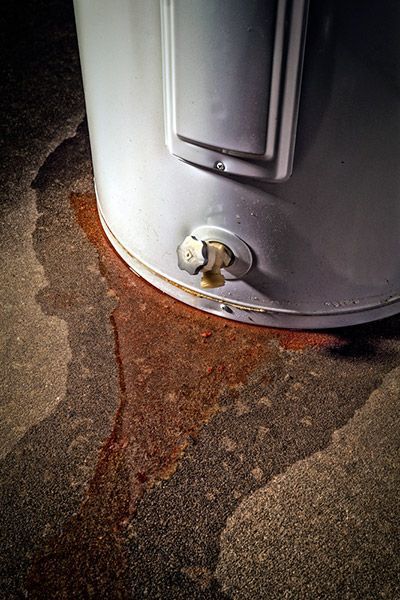
- Brown or orange stains around the leak.
- Flakes or rough spots on the tank surface.
- The leak may start as a small pinhole.
Corrosion weakens the tank, and the leak can grow quickly. In some cases, the whole bottom of the tank becomes weak and dangerous.
3. Cracks In The Tank
Plastic and fiberglass tanks are strong, but they can crack if hit or stressed.
How cracks happen:
- The tank is dropped during installation.
- The base is not flat, so the tank bends.
- Cold weather causes the plastic to shrink and crack.
Cracks are sometimes hard to see. Water can leak slowly through hairline cracks.
4. Loose Fittings And Connections
Many tanks have fittings at the bottom for pipes or outlets. If these connections are loose or not sealed well, water can escape.
Typical causes:
- Vibration from water flow loosens the fittings.
- The sealant (like Teflon tape) wears out.
- The wrong size fitting is used.
Check all connections to make sure they are tight and have no gaps.
5. Gasket Or Seal Failure
Some tanks use gaskets or rubber seals at the base or around outlets. Over time, these can dry out, crack, or break.
Common signs:
- The leak is around a pipe coming out of the tank.
- The leak stops if you stop using water (pressure-related).
Rubber parts need replacing every few years, especially in hot or very cold climates.
6. Overfilling And Overflow
If your tank overfills, the overflow pipe should carry water away safely. But if the overflow pipe is blocked or broken, water can leak from the bottom.
What happens:
- Float valve fails, so water keeps filling the tank.
- Overflow water finds the lowest point and escapes.
Check that the overflow system is working and clear of debris.
7. Tank Base Or Stand Problems
A tank must be on a strong, level base. If the base is cracked or sinking, the tank may warp, leading to leaks at the bottom.
Warning signs:
- The tank looks uneven.
- There are cracks in the ground or stand.
- The leak is worse on one side.
A weak base can even cause the tank to fall over in extreme cases.
8. Condensation
Sometimes, what looks like a leak is actually condensation. This is water forming on the outside of the tank, especially if the water inside is cold and the air is humid.
How to tell:
- Water is only on the outside, not dripping from a hole.
- The problem is worse in summer or in basements.
Condensation is not a real leak, but it can cause dampness and slippery floors.
9. Faulty Installation
A poorly installed tank is more likely to leak. Common installation mistakes include:
- Not using proper seals.
- Placing the tank on rough or sharp surfaces.
- Connecting pipes at the wrong angle.
A professional installer will check all these details, but DIY jobs can sometimes miss them.
10. Water Quality Issues
Hard water or acidic water can damage tanks from the inside. Minerals build up and can wear down the lining or metal.
Look for:
- White or gray scale inside the tank.
- Faster rusting or pitting.
Treating your water can help extend the tank’s life.
11. Manufacturing Defects
Rarely, a tank has a flaw from the factory. This might be a thin spot, bad weld, or poor-quality material.
These defects usually cause leaks early in the tank’s life. If your tank is new and leaking, check your warranty.
12. High Water Pressure
When water pressure is too high, it stresses the tank and fittings. Over time, this can cause leaks or burst seals.
Signs of high pressure:
- Other fixtures in your house have strong flow.
- Pipes make banging noises (water hammer).
Installing a pressure regulator can protect your tank.
13. Freezing Temperatures
If water inside the tank freezes, it expands. This can crack plastic tanks or burst metal ones.
Prevention tips:
- Insulate the tank if it is outside or in a cold area.
- Drain the tank before winter if not in use.
14. Seismic Or Movement Stress
In earthquake zones or if the ground shifts (subsidence), the tank can be stressed at the base.
What to look for:
- Cracks in the ground around the tank.
- The tank has shifted from its position.
Anchoring your tank can reduce this risk.
15. Rodent Or Insect Damage
It’s rare, but some pests can chew or burrow near tanks, causing leaks.
Examples:
- Rats chewing plastic pipes or tank bases.
- Ants or termites making holes in wooden stands, causing collapse.
Inspect the area around your tank regularly.
Credit: stogagirlssoccer.com
Visual Guide: Where Do Most Leaks Start?
The following table shows where different types of leaks usually start in common tank materials.
| Tank Material | Common Leak Points | Typical Cause |
|---|---|---|
| Steel | Bottom, fittings | Corrosion, gasket failure |
| Plastic | Seams, base | Cracks, impact, UV damage |
| Fiberglass | Joints, base | Poor installation, ground movement |
| Cement | Surface, base cracks | Age, ground movement |
How To Identify The Source Of The Leak
Finding the exact source of a leak can be tricky. Here’s how you can do it step by step:
1. Clean The Area
Dry the outside of the tank with a towel. This helps you see fresh leaks.
2. Check Valves And Fittings
Look at all pipes, valves, and outlets at the bottom. Feel for wetness.
3. Use Tissue Or Talcum Powder
Wipe the area with tissue or dust with powder. Water will make a clear path.
4. Watch The Leak
Is the leak steady, or only when water is used? Continuous leaks often mean a crack or corrosion. Leaks only during use may mean a loose fitting.
5. Check The Base And Stand
Look for cracks, uneven surfaces, or signs of movement.
6. Inspect For Condensation
If the whole tank is wet, but there is no drip or flow, it may be condensation.
7. Check Water Quality
If there is rust, scale, or strange smells, water chemistry may be causing the problem.
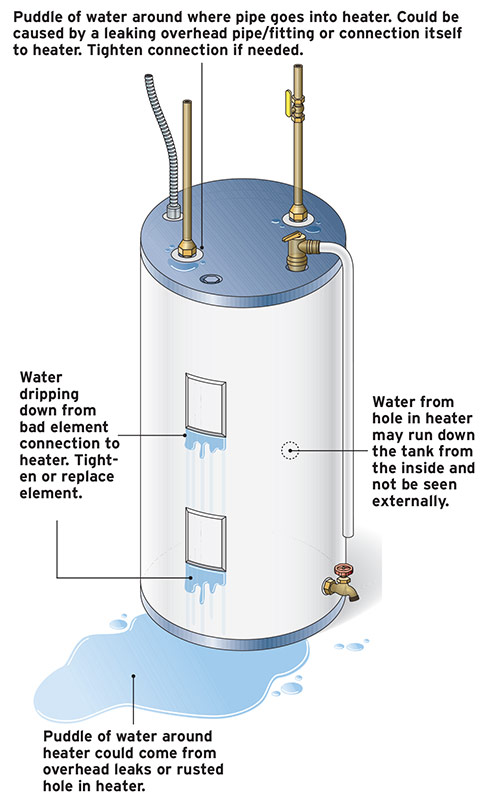
Non-obvious Insight: Sometimes, leaks appear to be from the bottom, but water is running down from a higher point (like a top valve) and pooling underneath. Always check above the leak area.
Repair Options For Different Types Of Leaks
The best way to fix a leak depends on what is causing it. Here are solutions for each main problem:
Fixing A Faulty Drain Valve
- Try tightening the valve with a wrench, but do not over-tighten.
- Replace the rubber washer if worn.
- If the valve itself is cracked, replace it with a new one of the same size.
Repairing Corrosion
- Small rust spots: Use a wire brush to clean, then apply a tank repair epoxy.
- Large holes: The tank may need replacement. Temporary patches can buy time but are not a long-term fix.
Non-obvious Insight: Using sacrificial anode rods in metal tanks slows down corrosion. Many homeowners do not know these rods exist.
Sealing Cracks In Plastic Tanks
- Small cracks can be sealed with a waterproof epoxy or plastic welding kit.
- For larger cracks, a professional may need to replace the tank.
Tightening Fittings And Replacing Seals
- Turn off the water and unscrew the fitting.
- Wrap new Teflon tape around the threads or replace the rubber gasket.
- Refit and tighten by hand, then use a wrench for a snug fit.
Overflow And Float Valve Issues
- Check the float valve for movement and replace if stuck.
- Clear any blockages in the overflow pipe.
Fixing The Base Or Stand
- Move the tank to a safe place.
- Repair or replace the base so it is strong and level.
- Reinstall the tank, checking for movement.
Handling Condensation
- Insulate the outside of the tank to reduce condensation.
- Improve air flow in the room to keep surfaces dry.
Addressing Water Quality
- Install a water softener if you have hard water.
- Test water pH and add neutralizers if it is acidic.
Replacing The Tank
If the tank is very old, badly rusted, or has many cracks, replacing it is safer and more cost-effective.
Prevention: How To Avoid Future Leaks
Regular maintenance and a few simple steps can prevent leaks:
1. Inspect The Tank Regularly
Check for rust, cracks, or loose fittings every few months.
2. Flush The Tank
Sediment builds up inside and can cause corrosion. Draining and cleaning once a year helps.
3. Check The Base
Make sure the ground or stand is strong and level.
4. Control Water Pressure
Use a pressure regulator if your supply pressure is high.
5. Insulate Outdoor Tanks
Protect against sun, rain, and freezing.
6. Replace Worn Seals
Rubber parts wear out faster than the tank. Replace them every 3-5 years.
7. Treat Your Water
If your water is hard or acidic, use a treatment system.
8. Professional Installation
Always use qualified installers for new tanks. Good installation prevents most problems.
Comparing Repair Vs. Replacement
Sometimes, you are not sure if you should repair your tank or buy a new one. The following table helps you decide.
| Situation | Repair | Replace |
|---|---|---|
| Small crack or leak | ✔️ | |
| Multiple leaks | ✔️ | |
| Advanced corrosion | ✔️ | |
| Loose valve or seal | ✔️ | |
| Tank older than 10-15 years | ✔️ | |
| Base or stand problem | ✔️ | |
| Manufacturing defect (warranty) | ✔️ |
Tip: If repairs cost more than half the price of a new tank, replacement is usually better.
When To Call A Professional
Some leaks are simple to fix. Others need special tools, skills, or safety knowledge. Call a plumber or tank specialist if:
- The leak is large or sudden.
- The tank is in a hard-to-reach place.
- You see signs of electric shock (if near water heater tanks).
- You have tried repairs, but the leak returns.
Professionals can also check for hidden problems, such as underground pipe leaks or weak floors.
Real Example: Hidden Leak Causes Expensive Damage
A family noticed water pooling under their basement tank. At first, they thought it was condensation. But after a week, the water stain grew. They tried tightening the valve, but the leak continued.
A plumber found a small crack under a fitting, caused by a sinking base. The crack was hidden by insulation. Over months, the leak damaged the floor and nearby walls. Repairing the house cost more than a new tank.
Lesson: Always check the base and all fittings carefully. Small leaks can cause big problems if ignored.
Cost Of Water Leaks: Why Fast Action Matters
Even a small drip can waste a lot of water. For example:
- A leak of one drop per second wastes over 3,000 gallons per year.
- At $0.01 per gallon, this means $30 wasted, plus damage costs.
Larger leaks or bursts can cause hundreds or thousands of dollars in repairs. Insurance may not pay if you ignore a known problem.
:max_bytes(150000):strip_icc()/how-to-fix-leaking-water-heater-2719073-05-f3927d35533b43eba7776dcf13ea38e7.jpg)
Credit: www.thespruce.com
New Technologies: Leak Detection And Prevention
Modern tanks and homes use smart technology to catch leaks early. Examples include:
- Water sensors that sound an alarm if water is on the floor.
- Automatic shut-off valves that stop water flow when a leak is detected.
- Tank liners that add an extra layer inside metal tanks to prevent corrosion.
These tools can save you money and worry, especially for tanks in basements or hidden places.
Environmental Impact Of Leaking Tanks
Leaking tanks waste water, which is a limited resource. In many cities, reducing leaks is part of the fight against drought.
A leak of just one gallon per hour adds up to 8,760 gallons a year—enough for a family’s drinking water for several months.
Fixing leaks helps the environment and your wallet.
How To Choose A Good Water Tank To Avoid Leaks
When buying a new tank, look for:
- Strong materials: High-quality plastic, stainless steel, or fiberglass.
- Good warranty: At least 5-10 years.
- Trusted brands: Check reviews and ask for recommendations.
- Proper size: Too big a tank puts extra stress on the base.
- Safe installation: Use a strong, flat base and professional installers.
Compare features before buying. The following table shows common tank materials and how they resist leaks.
| Material | Corrosion Resistance | Impact Resistance | Lifespan (years) |
|---|---|---|---|
| Plastic (Polyethylene) | Excellent | Good | 10-15 |
| Stainless Steel | Excellent | Excellent | 20-30 |
| Fiberglass | Very Good | Good | 15-20 |
| Cement | Good | Fair | 20+ |
Pro tip: Stainless steel tanks cost more, but they last much longer and rarely leak.
Frequently Asked Questions
Why Does My New Water Tank Leak From The Bottom?
A new tank should not leak. If it does, it may have a manufacturing defect, or it was damaged during delivery or installation. Check your warranty and contact the seller. Make sure all fittings and seals are tight and the base is level.
Can I Use Sealant To Stop A Leak At The Bottom Of My Tank?
Sealant can fix small leaks or cracks, especially on plastic tanks. Use a waterproof epoxy made for your tank material. For large holes or rust, sealant is only a temporary fix. It is best to repair or replace the tank for long-term safety.
How Do I Know If The Leak Is From Condensation Or A Real Hole?
Condensation forms water droplets on the outside of the tank, usually in hot, humid weather or cold water inside. A real leak will show a steady drip or stream from one spot. Dry the tank and watch closely to see where water appears.
Is It Safe To Use A Water Tank With A Small Leak?
It is not safe. Small leaks can get bigger quickly, especially if the tank is under pressure. Leaks can also cause mold, damage, and higher water bills. Fix leaks as soon as you notice them to avoid bigger problems.
What Is The Best Way To Prevent Leaks In My Water Tank?
- Inspect your tank every few months.
- Flush out sediment once a year.
- Check and replace seals and gaskets regularly.
- Install the tank on a strong, level base.
- Control water pressure with a regulator.
- Use high-quality tanks from trusted brands.
For more tips on water tank maintenance, you can visit the US EPA WaterSense website.
Water leaks from the bottom of your tank are not just annoying—they can be costly and damaging. With the right knowledge, regular checks, and quick action, you can prevent leaks and keep your water supply safe and reliable for years to come.
Credit: www.ebens.com