Choosing the right temperature for your AO Smith water heater is more important than many homeowners realize. The wrong setting can waste energy, increase bills, or even create safety hazards. With a few adjustments, you can find the temperature sweet spot that delivers comfort, safety, and savings. But how do you set it correctly? What temperature is best for your family? And what do you do if you have children, elderly people, or unique home needs? This guide breaks down everything you need to know about AO Smith water heater temperature settings—giving you the practical steps, safety tips, and expert insights to take control of your hot water.
Why Ao Smith Water Heater Temperature Settings Matter
The temperature setting on your water heater isn’t just about personal comfort. It has a ripple effect across your energy bills, health, and even the lifespan of your unit.
- Energy consumption: A difference of just 10°F can impact your energy use by 3–5%. If your heater is set too high, you pay more every month.
- Safety: Water hotter than 120°F can cause burns in seconds, especially for children or seniors with sensitive skin.
- Bacteria prevention: Water that’s too cool (below 120°F) may let harmful bacteria like Legionella grow.
- Appliance health: Setting the temperature right can prevent mineral buildup and reduce wear, helping your heater last longer.
These factors explain why most experts and manufacturers pay close attention to temperature settings.
Understanding Ao Smith Water Heater Models
AO Smith offers a wide range of water heater types. The temperature setting process can vary depending on your specific model.
Common Types Of Ao Smith Water Heaters
- Tank (Storage) Water Heaters: These keep a large volume of water hot at all times.
- Tankless Water Heaters: These heat water only when you need it, offering endless hot water and energy savings.
- Hybrid/Electric Heat Pump Water Heaters: These use heat pumps for efficiency, combining electric heating with air heat exchange.
- Gas vs Electric Models: Both types are common, but their controls and maintenance needs can differ.
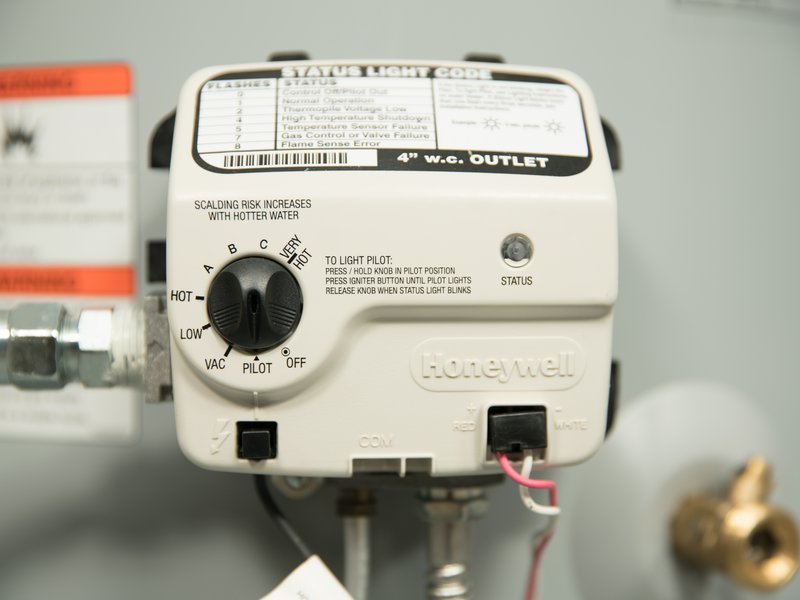
Most AO Smith models include a temperature dial or digital display, but the location and adjustment method can change. Always check your manual or the label on your unit.
Where To Find Your Model’s Controls
- On tank models, the temperature dial is usually behind a small metal panel near the bottom.
- On tankless models, controls are often a digital interface on the front.
- Some newer models have Wi-Fi or app controls for remote adjustments.
Knowing your model helps you follow the right procedure and avoid damaging the unit.

Credit: www.youtube.com
Recommended Temperature Settings: What The Experts Say
Most water heater manuals and safety groups agree on basic guidelines. The U.S. Department of Energy and the AO Smith user manuals generally recommend:
- 120°F (49°C) for most homes. This setting balances safety, comfort, and energy efficiency.
- 130°F–140°F (54–60°C) only if you have a dishwasher without a built-in heater or specific medical needs.
Why is 120°F the “magic number”? At this temperature, hot water is comfortable for showering and cleaning but not hot enough to cause serious burns instantly. It also keeps most bacteria in check.
However, every home is unique. If you have special needs, adjust carefully.
How To Check And Change The Temperature On Ao Smith Heaters
Adjusting the temperature on your AO Smith water heater is usually simple, but each model is a little different. Here’s how to do it safely.
For Tank (storage) Water Heaters
- Turn off power or gas: For safety, always turn off the power (electric) or set the gas control to “pilot.”
- Locate the thermostat: Remove the small access panel on the side of the tank. Some models have insulation you’ll need to pull back.
- Adjust the dial: Use a flat screwdriver to turn the dial. Most dials are marked in small increments.
- Replace insulation and panel: Put everything back before turning power or gas back on.
- Test after a few hours: Hot water takes time to reach the new temperature.
For Tankless Water Heaters
- Find the digital display: Look for up/down arrows or a menu button.
- Adjust using buttons: Set the temperature to your desired value, usually shown in °F or °C.
- Confirm on the screen: Wait for the unit to display your new setting.
For Hybrid/electric Heat Pump Models
- Use the control panel: These typically have more advanced settings and modes.
- Select “Temperature”: Use arrows or a dial to adjust.
- Confirm changes: The screen should update immediately.
Non-obvious tip: Wait at least 3–4 hours (or a full day for large tanks) before measuring the new hot water temperature at your faucet. The temperature in the tank takes time to circulate fully.
Safety Considerations: Scalding And Bacteria
Getting the temperature right is about more than comfort. There are two major risks to avoid: scalding and bacterial growth.
Scalding Risks
Water above 120°F can cause burns in seconds. Children and seniors are especially vulnerable because their skin is thinner.
- At 140°F, a child can be burned in 2–3 seconds.
- At 120°F, it takes 5 minutes of exposure to cause a serious burn.
If you have kids or elderly people at home, always lean toward 120°F, and consider adding anti-scald devices to faucets.
Bacteria Risks
Setting the temperature too low (below 120°F) can allow Legionella and other bacteria to grow. These bacteria can cause Legionnaires’ disease, a severe form of pneumonia.
- Bacteria multiply rapidly between 77°F and 113°F.
- At 120°F, most harmful bacteria are controlled.
Pro tip: If you must lower the temperature for safety, install point-of-use mixing valves or anti-scald devices. This way, you can keep the tank hot but deliver safe water at the tap.
How Ao Smith Temperature Settings Affect Energy Efficiency
The temperature you choose has a direct impact on your energy bills. Heating water is the second-largest energy use in most homes, right after heating/cooling.
Energy Use At Different Temperatures
Here’s a quick look at how settings affect energy use:
| Temperature Setting (°F) | Estimated Energy Use | Notes |
|---|---|---|
| 120°F | Baseline (100%) | Recommended for most homes |
| 130°F | +3–5% | For dishwashers without heaters |
| 140°F | +6–10% | For special medical needs |
| 110°F | -5–8% | Risk of bacteria growth |
Non-obvious insight: Even a small change in temperature can save $20–$50 per year on a typical energy bill. But lowering too much increases health risks—never go below 120°F unless you use special safety devices.
Special Situations: When To Adjust The Standard Setting
Not every home has the same hot water needs. Here’s when you might need to adjust from the standard 120°F:
Homes With Dishwashers
Some older dishwashers do not have their own water heaters. They need water at 130–140°F to clean and sanitize dishes properly. Check your dishwasher’s manual. If it has a “booster” heater, 120°F is fine.
Large Households
If you have many people taking showers at the same time, a slightly higher temperature (125–130°F) can help ensure enough hot water for everyone. But add anti-scald devices to prevent burns.
Medical Needs
Some medical conditions require hotter water (for example, immune-compromised patients who need extra bacteria control). Always consult a doctor and consider mixing valves to deliver safe water at the tap.
Vacation Homes Or Long Absences
If you’re away for weeks, set your heater to “vacation” mode or the lowest safe setting. This saves energy and prevents overheating. But always bring it back to 120°F before using the water.
Step-by-step Guide: Measuring Actual Hot Water Temperature
It’s not enough to set the dial—you need to know what’s coming out of your tap. Here’s how to check your real hot water temperature:
- Turn on the hottest tap: Let it run for 2–3 minutes to get a stable temperature.
- Fill a cup with hot water: Use a glass or heat-safe cup.
- Insert a thermometer: Use a cooking or instant-read thermometer.
- Read the temperature: Wait 30 seconds and note the reading.
- Adjust if needed: If it’s more than 5°F off your setting, adjust the heater and repeat the process.
Practical tip: Do this at the farthest tap from the heater for the most accurate reading. Pipes lose heat as water travels, especially in large homes.
Credit: www.hotwater.com
How To Set Safe Temperatures For Children And Seniors
If your home includes children, seniors, or people with disabilities, you need extra precautions.
Key Steps
- Set the heater to 120°F: This is usually safe for all ages.
- Install anti-scald devices: These limit the maximum temperature at faucets and showers.
- Test water before use: Always check with your hand before bathing children.
- Educate family members: Show everyone how to use hot water safely.
Real-life example: A 2-year-old can suffer third-degree burns in less than 3 seconds at 140°F water. Adjusting your heater prevents tragic accidents.
Ao Smith Digital Controls And Smart Settings
Many newer AO Smith models come with digital controls or even Wi-Fi modules for remote management.
Features You Might Find
- Precise temperature adjustment (to the degree)
- Vacation mode (keeps water just above freezing)
- Diagnostic codes for errors or maintenance
- Scheduling for peak/off-peak times
If you have a smart model, use the app or interface to set your desired temperature. This is faster and more accurate than manual dials.
Pro insight: Smart models can alert you if someone changes the temperature or if the heater is using more energy than expected. This helps prevent surprises on your utility bill.
Comparing Gas Vs Electric Ao Smith Water Heater Settings
The main principles are the same, but there are some differences between gas and electric models.
| Feature | Gas Water Heater | Electric Water Heater |
|---|---|---|
| Adjustment Method | Manual dial (often hidden) | Manual dial or digital panel |
| Response Time | Heats water faster | Heats water slower |
| Temperature Consistency | Can fluctuate more | Usually stable |
| Vacation Mode | Common feature | Available on digital models |
Tip: With gas heaters, always relight the pilot safely after adjusting. With electric models, check both upper and lower thermostats if your tank has two elements.
Troubleshooting Common Temperature Problems
Sometimes, the water isn’t as hot (or as safe) as you expect. Here’s how to handle common issues:
Water Is Too Hot
- Check if someone raised the thermostat.
- Confirm the dial or display matches your target temperature.
- If the temperature is much higher than the setting, your thermostat may be faulty—call a technician.
Water Is Not Hot Enough
- Wait a few hours after changing the setting.
- Check for sediment buildup (especially in older tanks).
- On electric heaters, both thermostats (upper and lower) must be set correctly.
- For tankless units, make sure the flow rate isn’t too high for the heater size.
Temperature Fluctuates
- Look for cross-connection between hot and cold pipes.
- Check for a broken mixing valve.
- In gas units, the thermostat sensor may be malfunctioning.
Non-obvious troubleshooting tip: If you have old plumbing, mineral deposits can block heat transfer and cause uneven water temperatures. Annual flushing helps prevent this.
Maintenance Tips For Safe And Efficient Temperature Settings
Keeping your AO Smith water heater in good shape helps maintain the right temperature and efficiency.
- Flush the tank at least once a year to remove sediment.
- Test the temperature and pressure relief valve (T&P valve) every 6–12 months.
- Check the thermostat for accurate settings—thermostats can drift over time.
- Replace anode rods every 3–5 years to prevent rust and corrosion.
- Inspect for leaks or signs of rust, which can affect heating performance.
Pro tip: Schedule maintenance at the same time each year—like at daylight saving time changes—so you never forget.
How To Save Energy Without Sacrificing Comfort
You don’t have to choose between hot showers and low bills. Here are some smart ways to save energy with your AO Smith water heater:
- Insulate hot water pipes to reduce heat loss.
- Install low-flow showerheads and faucets to use less hot water.
- Use “vacation mode” or lower the setting when away for several days.
- Fix leaks quickly—even a small drip wastes energy.
- Upgrade to a high-efficiency model if your heater is over 10–12 years old.
For more tips, visit the U.S. Department of Energy’s Water Heating guide.

Credit: www.youtube.com
Common Myths About Water Heater Temperature Settings
Many homeowners believe things about hot water that simply aren’t true. Let’s clear up a few myths:
- “Hotter water means cleaner laundry or dishes.” Not true. Most detergents work well at 120°F, and dishwashers often have their own heaters.
- “Higher temperature is always better for bacteria.” 120°F is enough for most needs. Going higher adds risk without much benefit unless medically required.
- “The factory setting is always safe.” Many heaters are set to 140°F out of the box, which is too hot for most families.
Don’t rely on myths—follow science and safety guidelines.
When To Call A Professional
You can adjust basic settings yourself, but some situations require expert help:
- The thermostat doesn’t seem to work or is stuck.
- You see leaks, rust, or hear banging noises.
- The water smells odd (possible bacteria or anode rod issue).
- You need to install anti-scald valves or mixing devices.
A professional can check for hidden problems and ensure your AO Smith water heater runs safely and efficiently.
Frequently Asked Questions
What Is The Best Temperature Setting For An Ao Smith Water Heater?
The best temperature setting for most homes is 120°F. This provides enough heat for showers, cleaning, and comfort, while protecting against burns and bacteria.
Can I Set My Ao Smith Water Heater Below 120°f To Save Energy?
It’s not recommended. Water below 120°F can allow bacteria like Legionella to grow, which is a health risk. Instead, use low-flow fixtures and insulate pipes to save energy.
How Do I Know If My Ao Smith Temperature Setting Is Accurate?
Check the actual hot water at your faucet using a thermometer. If the water is more than 5°F above or below your setting, adjust the thermostat or call a technician to check for problems.
Is It Safe To Set My Ao Smith Heater To 140°f?
140°F is only safe if you use mixing valves at every faucet or have a special need (like an older dishwasher or medical reasons). At this temperature, burns can happen in seconds.
What Should I Do If My Ao Smith Water Heater Doesn’t Get Hot Enough?
First, check both thermostats (if electric), flush the tank, and inspect for leaks. If these steps don’t help, call a professional—your heater may need repair or replacement.
Setting and maintaining the right temperature on your AO Smith water heater is one of the simplest ways to balance comfort, safety, and efficiency. With the steps and tips above, you’ll be able to enjoy reliable hot water without worry.
Remember to check your settings regularly and always put safety first—your family and your wallet will thank you.