
When you think about water heater maintenance, the anode rod probably doesn’t come to mind first. Yet, this simple part protects your water heater tank from rust and early failure. If you ever need to replace the anode rod, you’ll likely face a basic but critical question: “What size socket do I need for my water heater anode rod?” The answer may seem straightforward, but there’s more to it than grabbing any old wrench. Understanding socket sizes, why they matter, and how to choose the right one can save you time, frustration, and money. This guide will give you all the details, tips, and practical advice you need to handle your anode rod with confidence—even if you’re a beginner.
Why The Anode Rod Matters
The anode rod is a long metal stick inside your water heater. Its main job is to attract corrosive minerals in the water so your tank does not rust. This process is called sacrificial protection. Over time, the rod dissolves, but it keeps your water heater working much longer. If you ignore the rod and let it wear out, your tank will start to rust from the inside, and you could face leaks or even a flooded basement.
Many homeowners don’t know about this part until there’s a problem. The good news is, checking or changing the anode rod is simple—if you have the right tools.
What Is A Socket And Why Does Size Matter?
A socket is a tool that fits over a bolt or nut so you can loosen or tighten it with a ratchet or wrench. Sockets come in different sizes and lengths. The anode rod in most water heaters is screwed into the top of the tank with a large, hex-shaped head.
Using the wrong size socket can round off the bolt, damage the rod, or even make it impossible to remove. That’s why knowing the exact anode rod socket size for your water heater is important. The correct size lets you safely remove and replace the rod without damaging your tank.
Standard Anode Rod Socket Sizes
Most residential water heaters use a 1-1/16-inch socket for the anode rod. This is by far the most common size for both electric and gas water heaters in the US. However, there are exceptions. Some older models, smaller tanks, or commercial heaters can use different sizes.
Here’s a quick look at the most common socket sizes:
| Socket Size (Inches) | Common Use | Notes |
|---|---|---|
| 1-1/16″ | Most residential water heaters | Standard for most brands |
| 1-1/8″ | Some older tanks | Rare, but found in certain models |
| 27mm | Imported or metric systems | Almost identical to 1-1/16″ |
| 1″ | Some compact tanks | Uncommon, check before buying |
Key insight: A 1-1/16″ socket fits the vast majority of standard rods. But always check your heater’s manual or measure the hex head before buying tools.
How To Measure Your Anode Rod Socket Size
If you do not have the manual, or the socket size is not marked, you can measure the rod’s hex head directly. Here’s how to do it:
- Turn off power or gas to the water heater and let it cool.
- Wipe the top of the tank and find the hex-shaped head of the anode rod (usually on top, sometimes under a plastic cover).
- Use a caliper, ruler, or adjustable wrench to measure across the flat sides of the hex.
- Convert millimeters to inches if needed (1 inch = 25.4 mm).
For example, if the measurement is about 27mm, that equals 1-1/16 inches. If it’s closer to 29mm, you might need a 1-1/8″ socket.
Deep Socket Vs. Standard Socket: What’s The Difference?
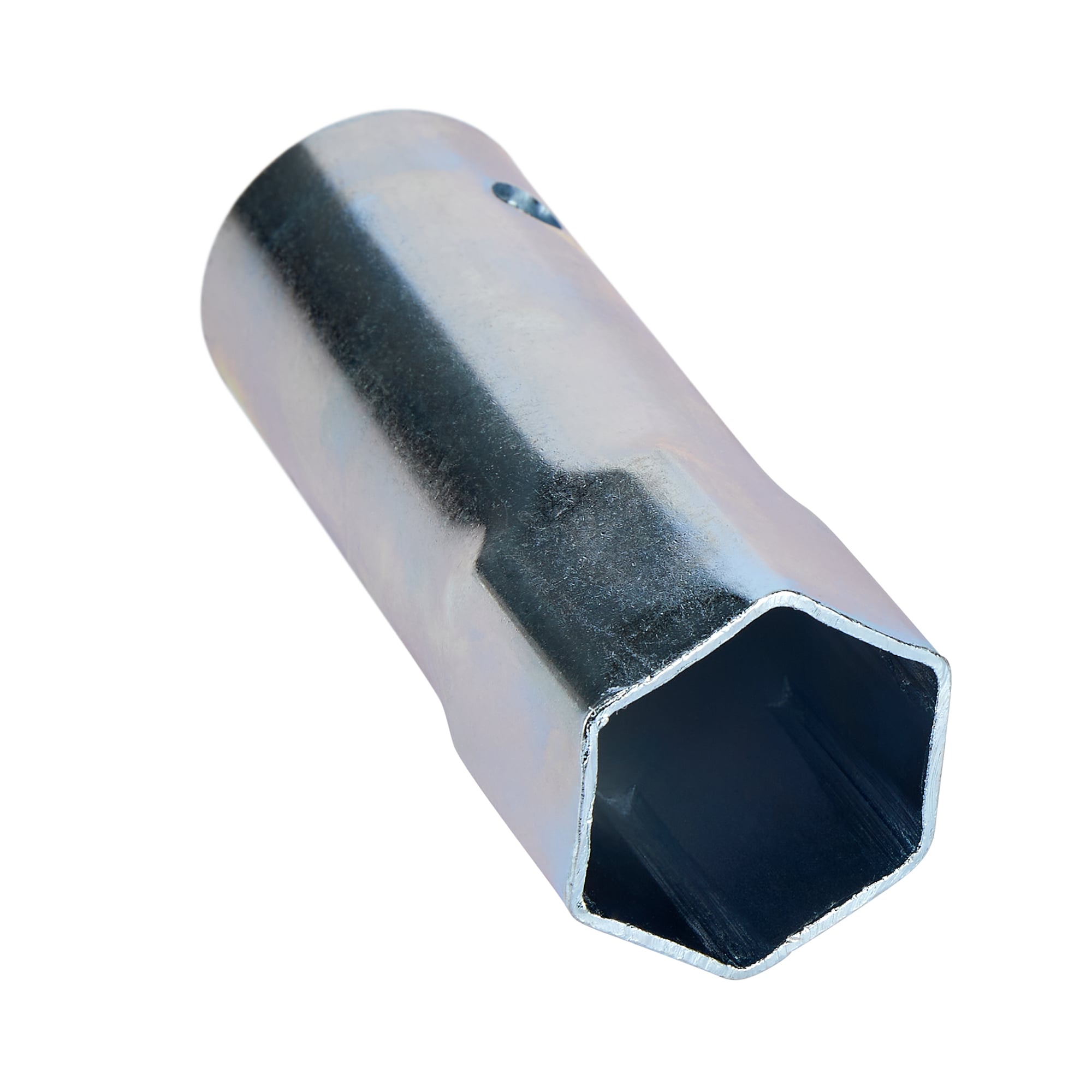
A deep socket is longer than a regular socket. This extra length helps you reach nuts or bolts that are set down in a hole, like most anode rods. A standard socket might not be deep enough to grab the hex head fully, especially if the rod sticks up or the tank’s top is recessed.
| Type | Length | Best Use |
|---|---|---|
| Standard Socket | ~1.5 inches | Shallow bolts, open space |
| Deep Socket | ~2.5-3 inches | Recessed or long bolts |
Tip: For most water heaters, a 1-1/16″ deep socket is your safest choice. It gives you enough reach and fits almost all brands.
What Tools Do You Need?
To replace a water heater anode rod, you need a few basic tools:
- Socket wrench (ratchet): Helps you turn the socket with force.
- 1-1/16″ deep socket: The most common size for anode rods.
- Breaker bar: A long handle that gives extra leverage for stubborn rods.
- Pipe or cheater bar: (Optional) Can be slipped over the wrench handle for more torque.
- Teflon tape: Seals the threads when you install the new rod.
- Safety gloves and goggles: Protect your hands and eyes from hot water or rust.
Some hardware stores sell anode rod removal kits with everything you need.
How To Remove And Replace A Water Heater Anode Rod
Taking out the old anode rod and putting in a new one is a straightforward process. Here’s how you do it, step by step:
- Turn off the power or gas to the water heater.
- Shut off the cold water supply to the tank.
- Open a hot water tap in the house to relieve pressure.
- Drain a few gallons from the tank using the drain valve. (You don’t have to empty the whole tank.)
- Find the anode rod on the top of the tank. Remove any plastic cap.
- Fit your deep socket (usually 1-1/16″) and wrench over the hex head.
- Turn counterclockwise to loosen. You may need to use a breaker bar if it is stuck.
- Pull out the old rod. If it’s too long, you can bend it gently as you lift it out.
- Wrap Teflon tape on the threads of the new rod.
- Insert the new rod and tighten it with the socket wrench.
- Restore water and power. Check for leaks around the rod.
Pro tip: Sometimes, the rod is very tight due to factory installation. Tapping the wrench with a hammer can help break it loose, but do this gently to avoid damaging the tank.
Common Anode Rod Types And Their Socket Sizes
There are several types of anode rods, and knowing what you have helps you choose the right socket.
- Solid Magnesium Rods: Most popular for residential tanks. Usually need a 1-1/16″ socket.
- Aluminum/Zinc Alloy Rods: Used in areas with bad odors in water. Also fit 1-1/16″ sockets.
- Flexible or Segmented Rods: Designed for tight spaces. Still use 1-1/16″ in most cases.
- Powered (Impressed Current) Anodes: Use electricity, no socket needed for maintenance.
- Nipple-Type Rods: Sometimes combined with the hot water outlet. May require a different tool, not a socket.
Insider tip: Some flexible rods have a slightly smaller or larger head. Always check before buying a socket.
Brand Differences: Do All Water Heaters Use The Same Socket Size?
Most US brands—Rheem, AO Smith, Bradford White, Whirlpool, GE—stick with the 1-1/16″ deep socket. However, there are exceptions:
- Bradford White sometimes uses a combined hot water nipple/anode, which may need a special socket.
- Older Rheem or American Standard tanks might have 1-1/8″ or even 1″ heads.
- Import or metric models could use a 27mm socket, but most 1-1/16″ sockets will work.
Always check your specific model, especially if your heater is over 15 years old. Many modern tanks are designed for easier DIY maintenance, but older tanks can surprise you.
What Happens If You Use The Wrong Socket Size?
Using a socket that’s too small or too large can cause real problems:
- Rounding the hex head: The socket slips and damages the nut. This makes future removal much harder.
- Stripped threads: Forcing the wrong tool can wreck the threads, causing leaks.
- Stuck rod: You may not be able to remove the rod at all, risking damage to the tank.
If you round off the head, a professional plumber may need to drill out the rod or replace the whole tank. It’s much cheaper and easier to use the right socket from the start.
Where To Buy The Right Socket
You can find 1-1/16″ deep sockets at most hardware stores, home centers, or online. Look for quality brands like Craftsman, Husky, or Milwaukee. Avoid cheap, thin sockets—they can break under heavy force.
Some stores sell water heater anode rod removal kits that include the deep socket, breaker bar, and sometimes even a replacement rod. This is a good option for beginners.
Extra Tips For Removing A Stubborn Anode Rod
Sometimes, the anode rod will not budge. Here’s how to handle it:
- Use a breaker bar: A longer handle increases your leverage.
- Apply penetrating oil: Spray around the hex head and let it sit for 10-15 minutes.
- Tap gently with a hammer: This can help loosen corrosion.
- Try heat: A hair dryer or heat gun (not a torch) can expand the metal slightly.
- Ask for help: Two people applying steady force can be safer than trying alone.
Warning: Never hit the rod too hard or use excessive force, as this can crack the glass lining of the tank.

Credit: www.amazon.com
When Should You Replace The Anode Rod?
Most experts recommend checking your anode rod every 2–3 years. Replace it if:
- More than 6 inches of the core wire is visible.
- The rod is less than 1/2 inch thick.
- It’s coated in white calcium or crumbles easily.
A new rod is much cheaper than a new water heater. Regular checks can double or triple your tank’s life.
Socket Size And Professional Vs. Diy Maintenance
Many plumbers carry a universal 1-1/16″ deep socket because it fits 90% of residential tanks. If you’re a DIYer, investing in this socket saves money in the long run. If you don’t have the tools or the rod is stuck, calling a professional is a smart choice—especially if your tank is very old or located in a tight space.
Insider insight: Some plumbers recommend keeping a spare socket and breaker bar near your water heater. This way, you’re always ready for maintenance.

Credit: www.reddit.com
Choosing The Best Socket Material And Brand
Not all sockets are made the same. Here’s what to look for:
- Chrome vanadium steel: Strong and durable, resists cracking.
- Six-point (hex) design: Fits the nut more snugly, less chance of slipping.
- Deep-well: Needed for most anode rods.
- Lifetime warranty: Shows the manufacturer trusts their tool.
Avoid soft metal sockets or “universal” sockets with moving parts. They often slip or break.
Anode Rod Socket Sizes In Commercial Water Heaters
Commercial tanks and very large residential heaters can use different anode rods. These may require:
- 1-1/8″ deep socket: For larger tanks.
- 1-1/4″ socket: Rare, but seen in very old commercial models.
- Custom tools: Some brands have proprietary designs.
Always check the manual or contact the manufacturer for your specific model.
Metric Vs. Imperial Sockets: Do You Need Both?
Most US water heaters use imperial (inch) sockets, but some imported models are metric. A 27mm socket is almost the same as 1-1/16″ (1-1/16″ = 26.99mm). In practice, you can use either, but avoid using a 1″ (25.4mm) as it will be too loose.
Tip: If you have a metric socket set, try the 27mm first. It should fit snugly.
How To Store And Care For Your Anode Rod Socket
Keep your socket dry and clean. After use, wipe off any rust, water, or Teflon tape. Store it with your other plumbing tools. If you have hard water or live in a humid area, consider spraying the socket with a little oil to prevent rust.
Cost Of Anode Rod Sockets And Kits
A single 1-1/16″ deep socket costs about $5–$15, depending on the brand and material. A full removal kit (socket, breaker bar, Teflon tape) usually costs $20–$40. This is a small investment compared to the $800–$2,000 cost of a new water heater.
Real-world Example: Diy Success Story
John, a homeowner in Ohio, noticed his water heater was making popping noises. After some research, he learned that sediment was building up, and his anode rod might be gone. He bought a 1-1/16″ deep socket and a breaker bar for $25. The rod was almost dissolved. After replacing it, his tank ran quieter and his hot water lasted longer. For less than $50, he probably added years to his heater’s life.
Common Mistakes When Choosing A Socket Size
- Guessing the size: Always measure if you’re unsure.
- Using adjustable wrenches: These can slip and round off the head.
- Skipping the deep socket: Standard sockets often aren’t long enough.
- Forgetting the breaker bar: Anode rods are often factory-tight and need real force.
- Not checking the type of rod: Some rods are hidden or combined with the outlet nipple.
Pro tip: Take the old rod (or a photo) to the hardware store if you’re unsure.
Signs Your Socket Might Be Worn Out
Like any tool, sockets can wear out. Replace your socket if:
- The inside edges are rounded or chipped.
- The socket cracks or splits under force.
- The fit is loose on the rod’s hex head.
A worn-out socket can damage your anode rod and make removal harder.
Water Heater Anode Rod Socket Size Vs. Other Plumbing Sockets
Not all plumbing jobs use the same sockets. For example, toilet tank bolts, faucet nuts, and drain pipes often use much smaller or larger sizes. The 1-1/16″ deep socket is a specialty tool—mainly for water heater anode rods and sometimes large car engine bolts.
Advanced Tip: Using An Impact Wrench
If you have a stuck rod and a good-quality socket, an impact wrench can help. It delivers rapid, controlled force to loosen tight bolts. However, be careful—too much force can crack the tank. Use this only if you’re confident with power tools.
When To Call A Professional
If you:
- Can’t budge the rod with a breaker bar
- Notice severe rust around the anode head
- See water leaking after removal
…it’s best to call a licensed plumber. Forcing the rod can cause expensive damage.
Environmental Impact: Recycle Your Old Rod
Anode rods are made of magnesium, aluminum, or zinc. Most recycling centers accept them as scrap metal. Don’t throw them in the trash—recycling is better for the environment.
Credit: smartmonkeylab.pl
The Importance Of Regular Anode Rod Checks
Many homeowners forget about the anode rod until it’s too late. Mark your calendar to check the rod every 2–3 years, or every year if you have hard water. A small investment in tools and time can prevent big headaches down the road.
Summary Table: Water Heater Anode Rod Socket Size Quick Reference
Here’s a handy summary for your next hardware store trip:
| Water Heater Type | Socket Size Needed | Socket Type |
|---|---|---|
| Modern residential (most brands) | 1-1/16″ | Deep socket |
| Older tanks | 1-1/8″ or 1″ | Deep socket |
| Import/metric models | 27mm | Deep socket |
| Commercial tanks | 1-1/8″ or larger | Deep socket or specialty tool |
| Powered anode (impressed current) | None | Not needed |
Frequently Asked Questions
What Is The Most Common Water Heater Anode Rod Socket Size?
The most common size is 1-1/16-inch deep socket. This fits most US residential water heater brands. Always check your manual or measure if you’re unsure.
Can I Use A Regular Socket Instead Of A Deep Socket For My Anode Rod?
In most cases, you need a deep socket because the anode rod sits in a recessed hole on top of the tank. Standard sockets are often too short to grip the hex head fully.
What If My Anode Rod Is Stuck And Won’t Come Out?
Try a breaker bar for extra leverage, spray penetrating oil, or tap gently with a hammer. If it still won’t move, contact a plumber to avoid damaging your tank.
Are There Any Risks In Using The Wrong Socket Size?
Yes. The wrong socket can round off the hex head, making removal much harder. It can also damage the threads or the tank itself, leading to leaks.
Where Can I Find More Information About Water Heater Maintenance?
The US Department of Energy offers detailed guides on water heater care. See their advice at energy.gov.
Replacing your water heater anode rod is a simple job, but it starts with the right socket size. With this guide, you now know how to measure, choose, and use the correct socket—saving time, trouble, and money. Regular maintenance means hot water and peace of mind for years to come.