
When you think about home safety, electricity and water are two things that should never mix. But in your home, they often do—especially around your water heater. You may have heard about GFCI protection and wondered if your water heater really needs it. Maybe you’re installing a new unit, replacing an old one, or just want to make sure your family is safe. The rules can feel confusing, but making the right choice is important for both safety and code compliance.
This guide will walk you through everything you need to know about GFCI protection for water heaters. We’ll explain what GFCI means, when and why it’s required, the risks involved, and how to make the best decision for your situation. You’ll learn about differences in codes, the types of water heaters, and what experts and electricians recommend—plus, practical steps you can take to upgrade your setup.
What Is Gfci Protection?
GFCI stands for Ground Fault Circuit Interrupter. It’s a special electrical device that shuts off power if it detects a leakage of current, which can happen when electricity escapes its intended path—often through water or even a human body.
When a GFCI detects a ground fault, it can cut the power in as little as 1/40 of a second. This fast action can prevent severe electric shocks or even deaths. GFCIs are common in places where water and electricity are close, like kitchens, bathrooms, garages, and outdoor outlets.
How Water Heaters Work
A water heater is an appliance that heats water for your home. There are several types:
- Electric water heaters use heating elements powered by electricity.
- Gas water heaters use natural gas or propane.
- Tankless water heaters (on-demand) heat water as you use it, instead of storing it in a tank.
- Hybrid and heat pump water heaters combine electricity with other methods.
Each type connects to your home’s plumbing and electrical or gas system. Most electric water heaters are hardwired to a dedicated electrical circuit, while some small units (like under-sink models) may plug into a standard outlet.
Why Is Gfci Protection Important?
Water is an excellent conductor of electricity. This means when a water heater leaks or has a fault, the risk of electric shock increases. GFCI protection helps protect people from these risks by shutting off the power if a ground fault is detected.
Electric shocks from water heaters can cause injuries, burns, heart problems, or even death. According to the National Fire Protection Association (NFPA), electrocutions are responsible for hundreds of deaths and thousands of injuries each year in the United States.
GFCI protection is especially important in homes with young children, elderly people, or those with medical conditions, as they may be more vulnerable to electrical accidents.
National Electrical Code (nec) And Gfci Requirements
The National Electrical Code (NEC) is the standard for electrical safety in the US. It is updated every three years, and local jurisdictions may adopt different versions.
What Does The Nec Say?
In recent years, the NEC has changed its rules about GFCI protection for water heaters:
- Before 2020: GFCI protection was not required for hardwired water heaters in most cases, except in special locations like bathrooms, garages, or outdoors.
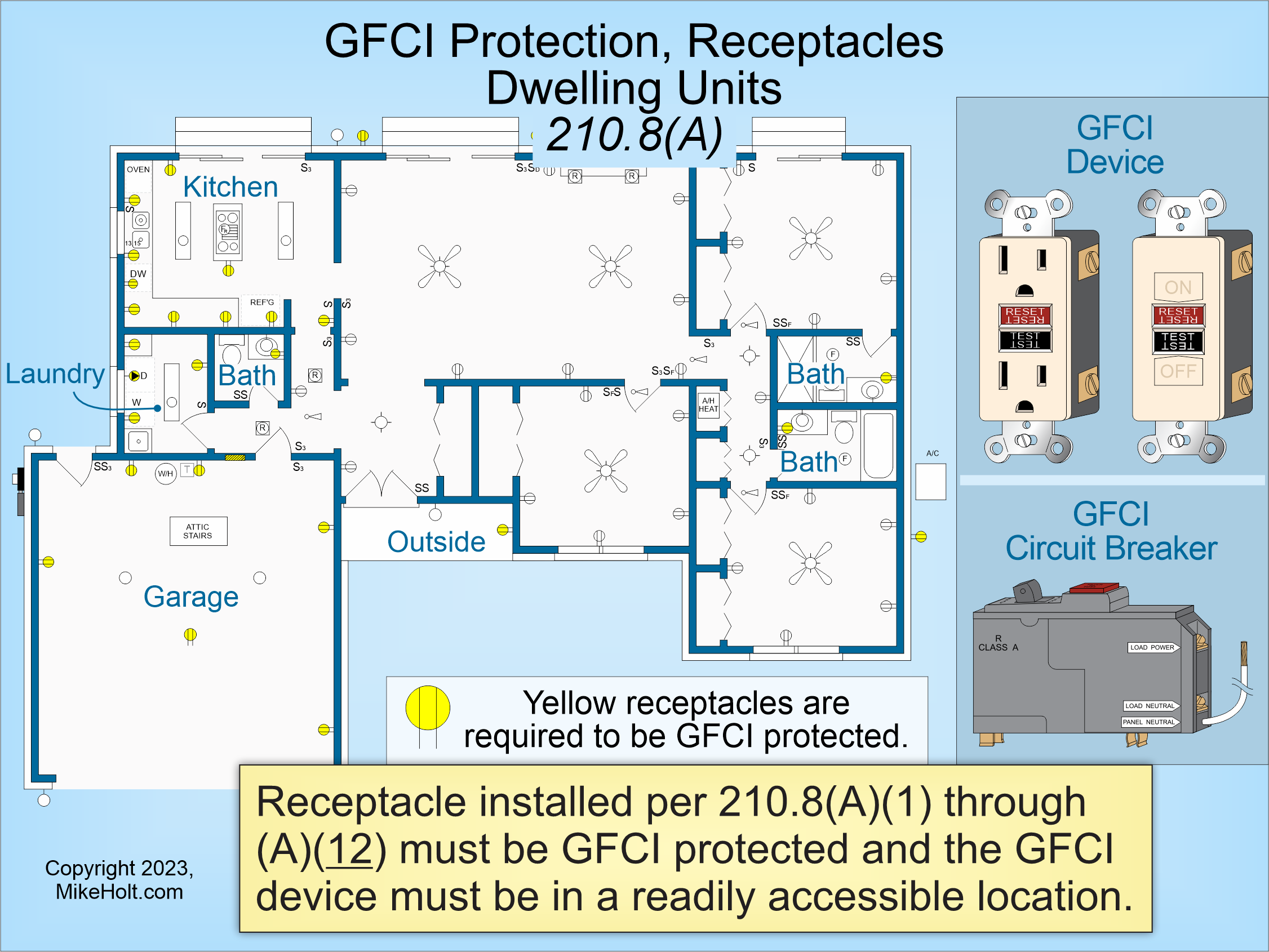
- 2020 NEC and After: Now, GFCI protection is required for all 125-volt through 250-volt receptacles in certain areas, including basements, garages, crawl spaces, and outdoors. This includes receptacles for water heaters.
- Hardwired Units: If your water heater is hardwired (not plugged into a receptacle), GFCI protection is generally not required—unless it’s in a specified location or local codes say otherwise.
Local Codes Matter
Not all cities or states use the latest NEC. Some use older versions, and some have their own rules. Always check with your local building department or a licensed electrician to know what applies in your area.
Where Gfci Protection Is Required For Water Heaters
There are situations where GFCI protection is a must:
- If the water heater is plugged into a receptacle in a garage, basement, crawl space, unfinished basement, outdoors, or within 6 feet of a sink or tub—GFCI is required.
- If the water heater is installed in a bathroom or similar wet location, GFCI is required.
- If the water heater is installed outdoors (such as for a pool house or outdoor shower), GFCI is required.
- If local codes specifically require it, even for hardwired units.
Here’s a quick comparison:
| Location | Plug-in Water Heater | Hardwired Water Heater | GFCI Required? |
|---|---|---|---|
| Garage | Yes | No (unless local code says so) | Usually |
| Bathroom | Yes | Yes | Always |
| Outdoors | Yes | Yes | Always |
| Basement (unfinished) | Yes | No (unless local code says so) | Usually |
| Living Area | No | No | Rarely |
Types Of Water Heaters And Gfci Needs
Not all water heaters are the same. Their electrical needs and code requirements can be different.
Electric Tank Water Heaters
Most are hardwired, but some small models plug into a wall outlet. For wall plug models, GFCI is often required if installed in a garage, basement, or other wet area.
Gas Water Heaters
They use gas for heating, but may have electrical components for ignition or control. These are usually plugged in. If the receptacle is in a required area, GFCI applies.
Tankless (on-demand) Water Heaters
Many tankless units use a lot of power and are hardwired. But some smaller units, especially under-sink types, may plug in. Again, location matters—GFCI is needed in garages, basements, and bathrooms.
Heat Pump Water Heaters
These are usually hardwired and often installed in garages or basements. For plug-in models or installations in wet areas, GFCI protection is required.
Point-of-use Heaters
Often found under sinks or in bathrooms, these units almost always need GFCI protection due to proximity to water.

Credit: kbelectricpa.com
Risks Of Not Having Gfci Protection
Failing to use GFCI protection where required can put you at risk for:
- Electric shock: Water heater malfunctions can energize the tank or plumbing.
- Fire hazards: Electrical faults can start fires, especially in garages or basements.
- Insurance issues: Not meeting code can void insurance in case of a claim.
- Code violations: You may fail inspection or face fines.
- Injury or death: The worst-case scenario, but it does happen.
A common mistake is assuming that because a water heater is hardwired, you’re safe. But leaks, faulty wiring, or installation errors can turn a safe-looking setup into a danger zone.
How Gfci Protection Works With Water Heaters
Adding GFCI protection is not as simple as plugging in a new device—especially for hardwired units. There are a few ways it can be done:
- GFCI Receptacle: For plug-in units, replace the regular outlet with a GFCI outlet.
- GFCI Circuit Breaker: For hardwired units, replace the regular breaker with a GFCI breaker in the electrical panel.
- Portable GFCI Adapter: For temporary installations or testing, a portable GFCI adapter can be used.
Here’s a side-by-side look at the options:
| Method | Best For | Pros | Cons |
|---|---|---|---|
| GFCI Receptacle | Plug-in heaters | Easy to install, affordable | Not for hardwired units |
| GFCI Breaker | Hardwired heaters | Protects entire circuit, meets code | More expensive, needs electrician |
| GFCI Adapter | Temporary setups | Plug-and-play, portable | Not code-compliant for permanent use |
Common Myths And Mistakes
Myth 1: “gfci Will Cause Nuisance Tripping”
Some people worry that GFCI devices will trip too often, especially with water heaters. While older heaters with faulty elements can cause problems, most modern heaters work well with GFCIs if properly installed.
Myth 2: “my Home Is Grounded, So I Don’t Need Gfci”
Grounding and GFCI are not the same. Grounding helps direct stray electricity to earth, but it may not prevent shocks in all cases. GFCI reacts much faster and is a separate layer of safety.
Mistake: Skipping Gfci To Save Money
Trying to cut corners by skipping GFCI can have serious consequences. The cost of adding a GFCI is minor compared to the risk of injury, death, or code violations.
Steps To Add Gfci Protection To A Water Heater
If you decide—or are required—to add GFCI protection, here’s how to do it safely:
- Turn off power at the main panel before touching anything.
- For plug-in units: Replace the regular outlet with a GFCI outlet. Follow manufacturer instructions, or hire an electrician.
- For hardwired units: Have a licensed electrician replace the breaker with a GFCI breaker. This requires work inside the main electrical panel.
- Test the GFCI device after installation. Press the “Test” button to make sure power shuts off, then reset.
- Label the circuit so future electricians know it is GFCI protected.
- Keep records of upgrades for inspections or insurance.
Credit: www.diychatroom.com
Special Considerations For Different Installations
Older Homes
Many older homes use outdated wiring or lack grounding. Adding GFCI protection can be more challenging. In some cases, you may need to upgrade the wiring or electrical panel.
Mobile Homes
Mobile and manufactured homes often have different wiring setups. GFCI requirements may be stricter, especially for water heaters installed under or outside the main living area.
Commercial Buildings
Rules for businesses, schools, and public buildings can be stricter than for homes. Always check with local building codes.
How Much Does Gfci Protection Cost?
The cost depends on your setup:
- GFCI outlet: $15–$50 for the part, plus $50–$150 for installation (if hiring an electrician).
- GFCI breaker: $40–$100 for the breaker, plus $100–$250 for installation.
- DIY installation: Possible for plug-in models if you are experienced, but hardwired units should always be done by a licensed electrician.
Compared to the cost of a new water heater ($400–$2,000) or the risk of injury, it’s a small price for peace of mind.
Credit: www.mikeholt.com
What Do The Experts Say?
Most electricians and safety experts agree: GFCI protection is a smart upgrade for water heaters, especially in wet or high-risk areas.
Some manufacturers even recommend GFCI protection in their manuals, regardless of code. Insurance companies may offer discounts for upgraded safety features.
The Consumer Product Safety Commission (CPSC) and NFPA both support the use of GFCIs to reduce the risk of shock and electrical fires.
For the latest research and statistics, you can visit the National Fire Protection Association.
Practical Insights Most People Miss
- GFCI can prevent hidden shocks. Sometimes, a small ground fault won’t be obvious, but can still be dangerous. GFCI cuts power even if you don’t notice anything is wrong.
- Insurance claims can be denied if your water heater setup does not meet local codes—including GFCI requirements.
- GFCI protection can extend appliance life. By catching faults early, you prevent damage to the water heater and your electrical system.
- Periodic testing matters. GFCIs should be tested monthly using their built-in test button, as they can fail over time.
- Some tankless models require GFCI by the manufacturer. Always check your heater’s manual—even if code doesn’t require it.
Real-world Examples
- New Construction: A builder installs a tankless water heater in a garage. The local code (based on NEC 2020) requires a GFCI-protected breaker. The homeowner passes inspection and qualifies for a safety discount on insurance.
- Home Renovation: A homeowner replaces a water heater in an unfinished basement. The old setup had no GFCI, but the new one gets a GFCI breaker. A month later, a small leak occurs, but the GFCI trips, preventing a shock.
- Missed Upgrade: A landlord fails to add GFCI to a bathroom water heater. A tenant gets shocked, leading to a lawsuit and insurance issues.
How To Know If Your Water Heater Needs Gfci
Here’s a quick checklist to decide:
- Is the water heater plugged into a wall outlet? If yes, and it’s in a garage, basement, bathroom, or outdoors, GFCI is required.
- Is it hardwired? Check location—if in a bathroom, outdoors, or wet area, GFCI may still be needed.
- What does your local code say? Call your building department if unsure.
- What does the manufacturer recommend? Check the manual.
- Is your home older? Consider upgrading for extra safety, even if not required.
Gfci Protection: The Bottom Line
While not all water heaters require GFCI protection, many do—especially plug-in models, units in wet or high-risk areas, and those installed under newer codes. Even when not required, adding GFCI can greatly improve your home’s safety and help you meet future code changes.
If you’re unsure, it’s always best to consult a licensed electrician. Upgrading to GFCI now can save you from accidents, failed inspections, or insurance problems down the road.
No one wants to take chances with electricity and water. Making sure your water heater has the right protection is a smart, proactive step for any homeowner.
Frequently Asked Questions
Do All Water Heaters Require Gfci Protection?
No, not all water heaters require GFCI protection. Plug-in models in garages, basements, bathrooms, or outdoors do. Hardwired units usually do not, except in special locations or if local codes require it. Always check your local electrical code and the manufacturer’s instructions.
Can I Add Gfci Protection To An Old Water Heater?
Yes, in most cases you can add GFCI protection by installing a GFCI breaker or outlet. For hardwired units, a GFCI breaker in the electrical panel is the usual solution. For plug-in units, replace the outlet with a GFCI model.
Always turn off power and consult a licensed electrician for safety.
Will Gfci Protection Cause My Water Heater To Trip Often?
Properly installed and maintained water heaters should not cause nuisance tripping. If a GFCI trips repeatedly, it may indicate a real electrical problem that needs to be fixed. Older heaters with faulty elements are more likely to cause trips.
Is Gfci Protection Enough To Make My Water Heater Safe?
GFCI greatly improves safety by cutting power during a ground fault, but it’s not a substitute for regular maintenance, proper installation, and grounding. Test your GFCI monthly, and have your water heater inspected as recommended.
How Can I Check If My Water Heater Has Gfci Protection?
Look for a GFCI outlet (with “Test” and “Reset” buttons) near the water heater or a GFCI breaker labeled in your electrical panel. If you’re not sure, ask a licensed electrician to inspect your setup.
Taking the time to understand and upgrade your water heater’s electrical safety is one of the smartest moves you can make for your home and family. Stay safe, stay informed, and don’t hesitate to get expert advice if you’re unsure about your specific situation.