
Are you tired of waiting for hot water every morning? Choosing the right water heater can make a huge difference in your daily routine.
Should you go for an instant water heater or stick with a traditional tank model? This choice affects not only your comfort but also your energy bills and space at home. Keep reading to discover which option fits your needs best and how it can improve your life starting today.
Instant Water Heater Basics
Instant water heaters are popular for quick hot water supply. They heat water only when needed. This saves energy and space. Unlike traditional tanks, they do not store hot water. This section explains how instant water heaters work and their key benefits.
How Instant Heaters Work
An instant heater heats water directly as it flows through the unit. Cold water enters the heater and passes over a heating element. The element warms the water instantly. No water is stored inside the heater. This means hot water is available on demand. The flow rate controls the temperature. Faster flow means cooler water and slower flow means hotter water.
Key Features And Benefits
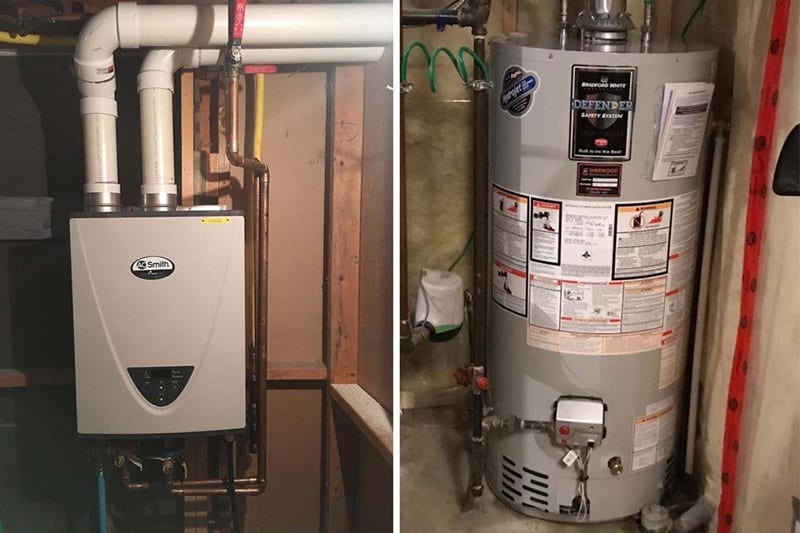
Instant heaters are compact and save space. They use less energy by heating water only when needed. This lowers electricity bills. Installation is easier because no large tank is needed. They provide endless hot water, unlike tank heaters. Maintenance is simple as there is no tank to clean. These heaters are ideal for small homes or apartments.
Credit: www.sherwoodmech.com
Tank Water Heater Essentials
Tank water heaters are common in many homes. They store hot water in a large tank. This water is ready to use anytime. The tank heats the water continuously. It keeps the water warm for hours. This type of heater is simple and reliable.
Understanding how it works and its pros and cons helps in choosing the right heater. Here is a clear look at tank water heaters.
Working Mechanism
Tank water heaters have a large insulated tank. Cold water enters the tank from the bottom. Heating elements or gas burners heat the water inside. The heater keeps the water at a set temperature. Hot water leaves the tank when you open a tap. The tank refills with cold water to keep heating.
Advantages And Drawbacks
One advantage is instant hot water supply. The tank stores a large amount of hot water. It works well for homes with high water use. Installation is usually simple and costs less.
Drawbacks include energy waste. The heater keeps water hot all day. This uses more electricity or gas. The tank size limits how much hot water is available. Once empty, you must wait for it to refill and heat again.
Energy Efficiency Comparison
Energy efficiency plays a big role in choosing the right water heater. It affects your electricity bills and the environment. Comparing instant water heaters and tank water heaters helps you decide which one saves more energy.
Both types use power differently. Understanding their power use helps you pick a cost-effective option.
Power Consumption Patterns
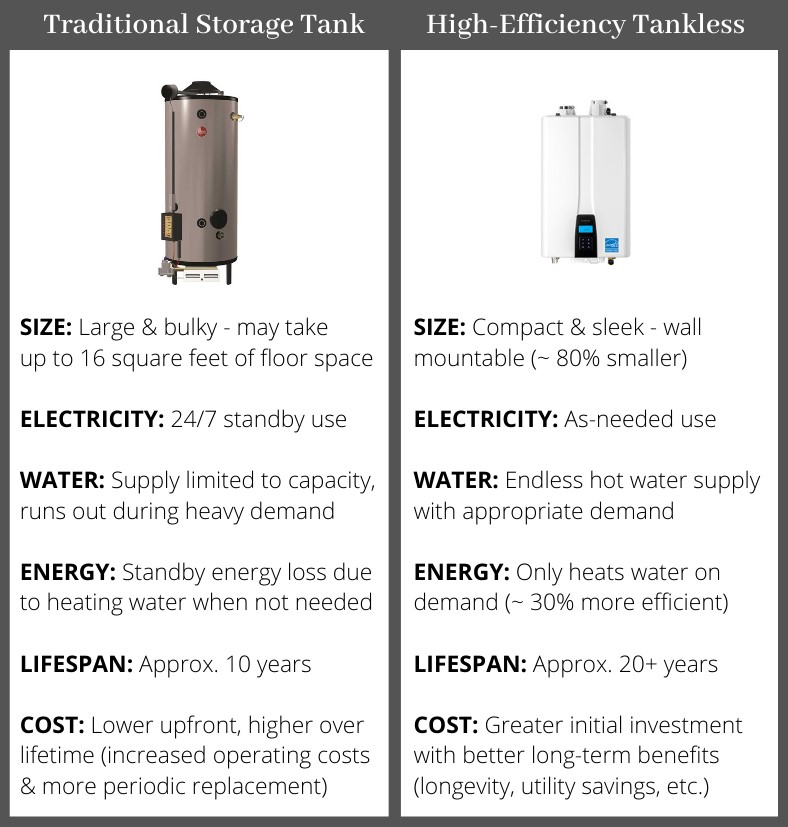
Instant water heaters heat water only when you need it. They use electricity in short bursts. This means no energy is wasted in keeping water hot all day.
Tank water heaters keep a large amount of water hot all the time. They use energy continuously to maintain the temperature. This can lead to more electricity use, even if you don’t use much hot water.
Instant heaters use less power overall. Tank heaters can waste energy during standby times.
Cost Implications
Instant water heaters often cost less to run monthly. You pay only for the water you heat. This can lower your electricity bills.
Tank water heaters may have higher running costs. Keeping the tank warm uses power all day. This adds up on your monthly bill.
Choosing an instant heater could save money over time. Tank heaters might have lower upfront costs but higher bills later.
Installation And Space Needs
Choosing between an instant water heater and a tank water heater often depends on installation and space needs. These factors affect your home’s layout and convenience. Understanding setup requirements and space considerations helps make the right choice.
Setup Requirements
Instant water heaters install directly on the wall near water outlets. They need a strong electrical connection or gas line. The setup usually takes less time than tank heaters.
Tank water heaters require a larger area for placement. They connect to water pipes and often need a vent for gas models. Installation can take more time and may require professional help.
Space Considerations
Instant water heaters are compact and fit in small spaces. They save floor space and free up room in closets or bathrooms. Perfect for small homes or apartments.
Tank water heaters take up more space due to their large water storage. You need a dedicated area, often a basement or utility room. This can limit space in smaller homes.
Maintenance And Lifespan
Choosing between an instant water heater and a tank model involves thinking about maintenance and lifespan. Both types need care to work well and last long. Understanding what each requires helps you save money and avoid repairs.
Routine Care Tips
Instant water heaters need less cleaning because they have no tank. Check the filters often to stop blockages. Flush the system yearly to remove mineral build-up. For tank water heaters, draining the tank every few months prevents rust and sediment. Inspect the anode rod yearly to protect the tank from corrosion. Keep the area around the heater clean and dry. Regular checks help spot leaks early and keep the heater running safely.
Durability Factors
Instant water heaters tend to last longer since they avoid tank rust issues. Quality materials and proper installation improve their lifespan. Tank water heaters may last 8 to 12 years with good care. High mineral content in water can shorten tank life. Instant heaters depend on electrical parts that might need replacement over time. Both types wear out faster if exposed to hard water or poor maintenance. Choosing the right model for your water quality can extend durability.
Performance In Different Settings
Performance varies between instant water heaters and tank water heaters depending on the setting. Each type offers unique advantages that suit different needs. Understanding their performance helps choose the right option for your space.
Suitability For Homes
Instant water heaters save space in small homes. They heat water only when needed. This means no waiting for a tank to fill up. They provide continuous hot water, ideal for small families.
Tank water heaters work well in larger homes. They store hot water ready to use. This suits multiple bathrooms or high water demand. Tanks may use more energy but offer stable water supply.
Commercial Use Cases
Instant water heaters suit businesses with moderate water use. Places like cafes and small offices benefit from quick heating. They reduce energy waste by heating water on demand.
Tank water heaters fit businesses with high water needs. Hotels and gyms often require a large hot water supply. Tanks provide a steady flow for many users at once.
Safety Aspects
Safety is a key factor when choosing between an instant water heater and a tank water heater. Both types have risks that users should know. Understanding these risks helps keep your home safe.
Water heaters work with electricity and hot water. These elements can cause problems if the heater is not installed or maintained well. Knowing safety aspects protects you and your family from accidents.
Common Risks
Electric shock is a top risk with water heaters. Faulty wiring or water leaks can cause shocks. Tank water heaters may leak hot water, causing burns. Instant heaters can overheat if sensors fail. Gas-powered tanks risk gas leaks, which are dangerous. Pressure build-up in tanks can lead to explosions if safety valves fail.
Preventive Measures
Install water heaters by a licensed professional only. Use proper grounding and circuit breakers to avoid shocks. Check for water leaks regularly around the heater. Test pressure relief valves on tank heaters often. Choose heaters with built-in safety features like automatic shut-off. Keep the area around the heater dry and clear. Follow the manufacturer’s guidelines for maintenance and use. Replace old or damaged parts promptly to prevent accidents.
Credit: www.varsityhomeservice.com
Cost Analysis
Cost plays a big role in choosing between instant water heaters and tank heaters. Understanding both upfront and ongoing costs helps make a smart decision. This section breaks down the main expenses to consider.
Initial Investment
Instant water heaters usually cost more to buy. They need special installation and sometimes extra electrical work. Tank water heaters have a lower price tag at the start. Installation is simpler and cheaper.
The size of the tank and the power of the instant heater affect the price. Small tanks or low-power instant heaters cost less. Bigger models add to the initial cost.
Long-term Expenses
Instant water heaters save energy by heating water only when needed. This lowers monthly energy bills. Tank heaters keep water hot all the time, using more electricity or gas.
Tank water heaters may need repairs or replacement sooner than instant models. Instant heaters last longer and need less maintenance. This reduces costs over the years.
Choosing The Right Heater
Choosing the right water heater is important for comfort and savings. Different homes have different needs. Picking a heater that fits your lifestyle helps avoid waste and extra costs.
Consider how much hot water you use daily. Think about your space and energy preferences. This helps narrow down the best option between instant and tank water heaters.
Assessing Your Needs
Start by checking your household size. More people mean more hot water. A tank heater stores water for use anytime. An instant heater heats water only when needed.
Think about your space. Tank heaters need more room. Instant heaters are compact and save space. Also, check your energy source. Some heaters run on electricity, others on gas.
Making The Smart Choice
Choose a tank heater if you want steady hot water for many users. It works well for bigger families. It stores water, ready to use all the time.
Pick an instant heater if you want to save space and energy. It heats water fast and only when you need it. This can lower your energy bills.
Think about your budget. Tank heaters may cost less upfront. Instant heaters might save money over time with lower energy use.

Credit: www.youtube.com
Frequently Asked Questions
What Is The Main Difference Between Instant And Tank Water Heaters?
Instant water heaters heat water quickly on demand. Tank heaters store hot water in a tank for later use.
Which Water Heater Saves More Energy, Instant Or Tank?
Instant water heaters use less energy because they heat water only when needed. Tank heaters keep water hot all the time, using more energy.
How Fast Do Instant Water Heaters Provide Hot Water?
Instant water heaters deliver hot water within seconds. Tank heaters take time to heat the stored water.
Which Water Heater Is Better For Small Spaces?
Instant water heaters are compact and save space. Tank heaters need more room for the storage tank.
Are Tank Water Heaters More Cost-effective Than Instant Ones?
Tank water heaters usually cost less upfront. Instant heaters save money over time with lower energy use.
Conclusion
Choosing between an instant water heater and a tank depends on your needs. Instant heaters save space and offer hot water quickly. Tanks store water but use more energy and take up room. Consider your budget, space, and how many people will use hot water.
Both types work well but fit different lifestyles. Think about what matters most to you. Comfort or cost? Speed or storage? The right choice makes daily life easier and warmer.