
Are you tired of uneven heat and high energy bills from your baseboard heaters? Replacing baseboard heaters with radiators could be the game-changer your home needs.
Imagine stepping into a room that warms up quickly and stays cozy without constant adjustments. You’ll discover why radiators might be the smarter, more efficient choice for your heating system. Keep reading to find out how this simple upgrade can improve your comfort and save you money.
.jpg)
Credit: www.nefeg.com.br
Why Choose Radiators Over Baseboard Heaters
Replacing baseboard heaters with radiators offers clear benefits. Radiators provide better heat and style for your home. They work efficiently and last longer. Choosing radiators can improve comfort and save money.
Efficiency And Performance
Radiators heat rooms evenly. They spread warmth across the entire space. Baseboard heaters often create hot and cold spots. Radiators use hot water or steam, which holds heat well. This means your home stays warm longer and uses less energy. Radiators react quickly to temperature changes, keeping your home comfortable. This efficient heating reduces your energy bills.
Aesthetic Appeal
Radiators come in many styles and colors. They can match any room design. Baseboard heaters are plain and take up wall space at floor level. Radiators add charm and character to rooms. Some designs look classic, others modern. Radiators can also be painted to fit your decor. They blend well with furniture and curtains. This makes your home look nicer and cozier.
Longevity And Durability
Radiators last for many years with little care. They are made from strong materials like cast iron or steel. Baseboard heaters have more parts that can break down over time. Radiators need fewer repairs and less maintenance. Their durability means fewer replacement costs. Investing in radiators saves money in the long run. They keep working well even in cold weather.
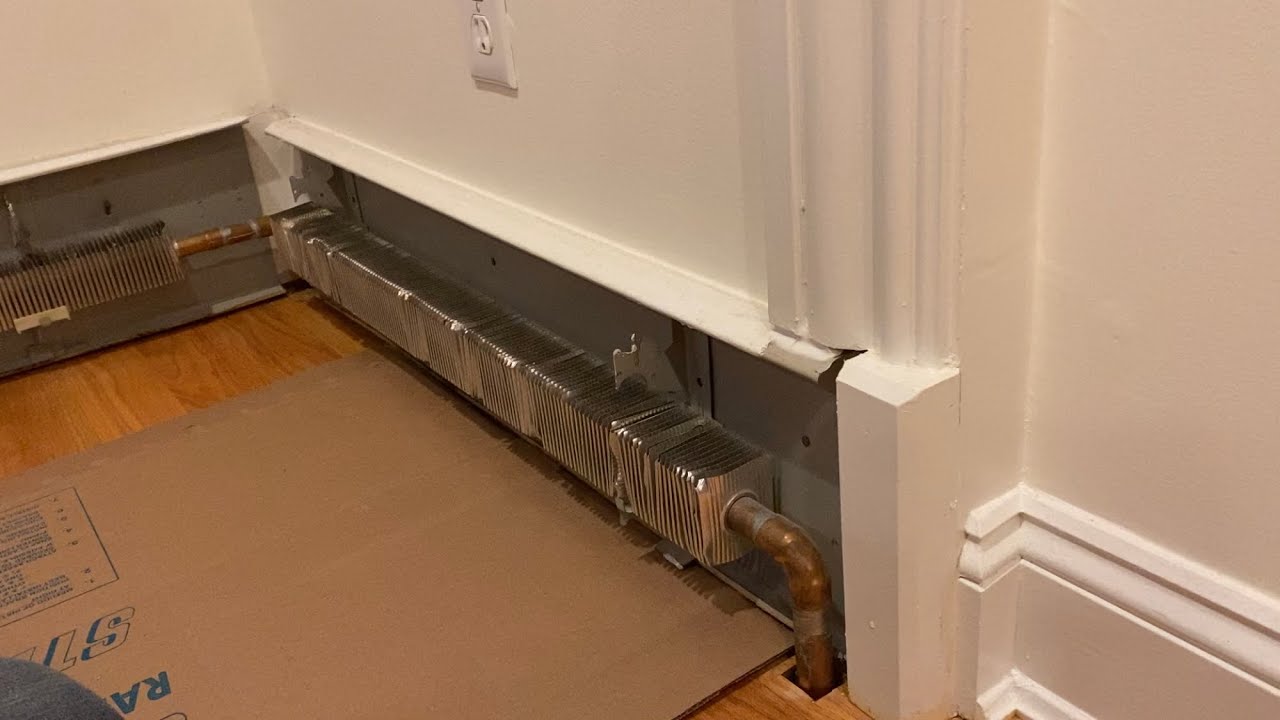
Credit: darmizananak.com
Types Of Radiators For Home Heating
Choosing the right type of radiator is key for efficient home heating. Radiators vary by material, design, and heat output. Each type fits different heating needs and home styles.
Understanding these types helps decide which radiator works best when replacing baseboard heaters.
Cast Iron Radiators
Cast iron radiators hold heat well and release it slowly. They keep rooms warm long after the heat is off. These radiators have a classic look, adding charm to older homes. They can be heavy and take time to heat up. Their durability makes them last for decades.
Steel Panel Radiators
Steel panel radiators heat up quickly and cool down fast. They have a sleek, modern design. These radiators are lighter than cast iron and easy to install. They fit well in rooms with limited space. Steel panels offer good heat output and efficiency.
Aluminum Radiators
Aluminum radiators are very light and heat up fast. They respond quickly to temperature changes. These radiators are energy efficient and cost less to run. Their slim design suits small spaces and contemporary homes. Aluminum resists rust, increasing its lifespan.
Preparing Your Home For Radiator Installation
Preparing your home for radiator installation sets the stage for a smooth upgrade. Taking time to plan makes the process easier. It helps avoid surprises and extra costs. Proper preparation ensures your new radiators work efficiently. Start by understanding your current heating system. Then, measure spaces carefully. Finally, consider your budget and costs involved.
Assessing Your Current Heating System
Check your existing baseboard heaters and pipes. Identify the type of heating system you have. Note its age and condition. This information guides the radiator choice. Confirm if your system uses hot water or steam. Radiators need compatible systems to work well. Also, check the home’s insulation level. Better insulation improves radiator performance.
Measuring And Planning Placement
Measure each room’s size and wall space. Choose spots where radiators will fit neatly. Avoid blocking windows or furniture. Plan for enough clearance around radiators. This allows heat to spread evenly. Think about where pipes will run. Shorter pipe runs save money and reduce heat loss. Draw a simple layout of radiator positions.
Budgeting And Cost Considerations
Estimate costs for radiators and installation work. Include pipe replacement and wall repairs. Factor in labor fees and permits if needed. Set a budget that covers all expenses. Keep some funds for unexpected costs. Compare prices from different suppliers. Choose quality radiators that last longer. Planning your budget helps avoid financial stress.
Step-by-step Replacement Process
Replacing baseboard heaters with radiators takes careful steps. Each step ensures safety and proper function. Follow this guide to complete the process smoothly. Work patiently and check each stage before moving on.
Removing Baseboard Heaters Safely
Turn off the power to the baseboard heaters. Let them cool down completely. Use a screwdriver to remove the cover and screws. Gently pull the heater away from the wall. Disconnect the wires and pipes carefully. Seal any open pipe ends to avoid leaks.
Installing Radiator Piping
Plan the new piping layout before cutting any pipes. Use pipes compatible with your radiator system. Cut pipes to the correct length using a pipe cutter. Join pipes with fittings and secure them with solder or clamps. Check each connection for tightness. Keep the pipes level to ensure good water flow.
Mounting And Connecting Radiators
Choose a strong wall area to mount the radiator brackets. Attach brackets firmly with screws and anchors. Hang the radiator on the brackets and check it is secure. Connect the radiator to the piping system using valves. Tighten all connections to prevent leaks. Make sure the radiator is level for best heating.
System Testing And Balancing
Open the valves slowly to let water flow into the system. Check all joints and connections for leaks. Turn on the heating system and observe the radiator heating. Adjust valves to balance the heat output in each room. Bleed the radiators to remove any trapped air. Monitor the system for a few hours to confirm steady operation.
Potential Challenges And How To Handle Them
Replacing baseboard heaters with radiators can improve home heating. Yet, this change comes with some challenges. Knowing these challenges helps you prepare and avoid problems. This section covers common issues and ways to handle them.
Dealing With Plumbing Adjustments
Radiators need different plumbing than baseboard heaters. Pipes may require rerouting or resizing. A professional plumber can help adjust the system safely. Check water pressure and flow to ensure proper heating. Plan for extra time to complete plumbing changes.
Addressing Space Constraints
Radiators take up more wall space than baseboard heaters. Measure your rooms carefully before buying radiators. Choose compact models for small rooms or tight spaces. Keep furniture placement in mind to avoid blocking heat. Consider wall-mounted radiators if floor space is limited.
Managing Downtime During Replacement
Heater replacement can disrupt your daily routine. Expect some rooms to be cold during work. Schedule the replacement during mild weather to stay comfortable. Prepare temporary heating options if needed. Work with contractors to minimize downtime and finish on time.
Maintenance Tips For Radiators
Radiators are a reliable way to heat your home. Proper care keeps them working well and lasting long. Small maintenance tasks improve heat output and save money. Follow these tips to maintain your radiators effectively.
Regular Cleaning
Dust and dirt reduce radiator efficiency. Clean radiators often using a soft cloth or brush. Avoid water or harsh cleaners that can cause damage. Clean behind and between fins to remove hidden dust. This helps heat flow better and keeps rooms warm.
Bleeding Air From Radiators
Air trapped inside radiators stops hot water from circulating. This makes heaters cold and noisy. Use a radiator key to open the valve slightly and release air. Close the valve as soon as water starts to drip. Do this at least once a year, before the heating season starts.
Checking For Leaks And Corrosion
Look closely at pipes and radiator surfaces for leaks. Even small drips waste water and energy. Corrosion weakens metal and may cause holes. If you see rust or water stains, fix the problem quickly. Early repairs prevent costly damage and keep your heating safe.
Cost Vs. Benefits Of Upgrading
Replacing baseboard heaters with radiators is an important home upgrade. It involves costs, but the benefits can be worth it. Understanding the balance between cost and benefits helps you make a smart choice. This section breaks down the main advantages and what to expect in expenses.
Energy Savings Over Time
Radiators often use energy more efficiently than baseboard heaters. They spread heat evenly, reducing cold spots in rooms. This means your heating system runs less, saving money on bills. Over months and years, these savings add up. Choosing radiators can lower energy use and reduce costs.
Increase In Home Value
Upgrading to radiators can boost your home’s market appeal. Radiators look classic and add a touch of style. Buyers may see this as a sign of quality and care. This upgrade can make your property stand out and potentially increase its value. It is a smart investment for future resale.
Enhanced Comfort And Ambiance
Radiators create a cozy and warm atmosphere. They warm the air gently and keep rooms comfortable. Unlike baseboard heaters, radiators avoid hot spots near the floor. This creates a more pleasant living space. The soft heat also adds charm to your home’s interior.

Credit: www.esseg.eu
Frequently Asked Questions
What Are The Benefits Of Replacing Baseboard Heaters With Radiators?
Radiators provide more even heat and better energy efficiency. They also last longer and need less maintenance.
How Much Does It Cost To Replace Baseboard Heaters With Radiators?
Costs vary depending on the size and type of radiator. Expect to pay between $500 to $2,000 per room.
Is Radiator Heating More Energy Efficient Than Baseboard Heating?
Yes, radiators use less energy to heat a room evenly. This can lower your heating bills over time.
Can I Replace Baseboard Heaters With Radiators Myself?
Replacing heaters involves plumbing and electrical work. Hiring a professional is safer and ensures correct installation.
Will Replacing Baseboard Heaters Improve My Home’s Comfort?
Radiators provide steady, gentle heat that feels warmer. They reduce cold spots and drafts in your home.
How Long Does It Take To Install Radiators Instead Of Baseboard Heaters?
Installation usually takes 1 to 3 days depending on the home size. It requires removing old units and plumbing new ones.
Conclusion
Replacing baseboard heaters with radiators can improve your home’s warmth and comfort. Radiators often heat rooms more evenly and quietly. They also last longer with less maintenance. Choosing the right system depends on your space and budget. Think about energy use and installation costs before deciding.
A well-planned switch can save money over time. Radiators add a classic, cozy feel to any room. Consider professional advice to ensure a smooth change. This upgrade brings steady heat and can enhance your living space.