
Replacing a 50 gallon water heater is a major home project that many homeowners will face, whether due to age, leaks, or upgrading for efficiency. But what does it really cost to replace a 50-gallon unit? The answer is more complex than a simple price tag. The total cost depends on the type of heater, installation difficulty, brand, permits, and even where you live. If you want to plan your budget and avoid surprises, it’s important to look at every element that can affect the final bill.
This guide breaks down the 50 main cost factors for replacing a 50-gallon water heater. You’ll learn how each factor influences price, see real-world examples, and get practical tips to help you save money or avoid common mistakes. Whether you’re a first-time homeowner or upgrading an old system, you’ll find answers to questions you didn’t even know to ask.
1. Type Of Water Heater
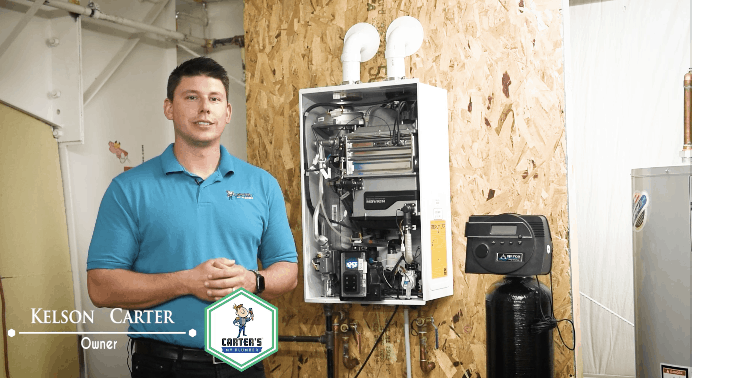
The most basic factor is the type of water heater you choose. There are three main types: tank (standard), tankless, and hybrid (heat pump). Most 50-gallon replacements use a standard tank, but switching to tankless or hybrid will change your costs significantly. Standard tanks are the most affordable to buy and install, while tankless units cost more upfront but can save on energy. Hybrids are efficient but require more space and specific installation conditions.
2. Energy Source
Water heaters can run on natural gas, electricity, propane, or solar power. Gas models often have higher installation costs due to venting and gas line work, but they usually heat water faster and cost less to operate. Electric units are simpler to install but might increase your utility bill if rates are high in your area.
3. Brand And Model
Not all water heaters are created equal. Trusted brands like Rheem, AO Smith, and Bradford White often cost more, but they usually offer better warranties and reliability. Generic or store brands might be cheaper upfront but may not last as long or provide the same level of support if something goes wrong.
4. Unit Price
The cost of the water heater itself is a big part of your budget. For a 50-gallon tank, prices typically range from $500 to $1,800 depending on brand, features, and energy efficiency. High-efficiency or specialty models can push the price even higher.
5. Labor Costs
Professional installation is usually required for safety and warranty reasons. Labor costs depend on your region, the plumber’s experience, and the complexity of the job. On average, you can expect to pay between $400 and $1,200 for installation.
6. Removal Of Old Heater
Don’t forget the cost of removing and disposing of your old water heater. Some companies include this in their installation price, but others charge extra—usually $50 to $200. If the old unit is leaking or in a tough spot, this cost can rise.
7. Permits And Inspections
In many cities, you’ll need a permit to replace a water heater, especially if it’s gas-powered. Permits usually cost between $50 and $500. Inspections may be required to ensure the installation meets local codes.
8. Plumbing Modifications
If your home’s plumbing isn’t set up for a new water heater, you might need extra pipes, fittings, or valves. Adding or moving water lines can add $100 to $1,000 or more, depending on complexity.
9. Electrical Work
Switching from gas to electric, or upgrading your electric system, may require a licensed electrician. New wiring, outlets, or breakers can add $100 to $800 to your project.
10. Gas Line Adjustments
For gas heaters, the gas line may need to be adjusted or extended. This work must be done carefully and usually requires a permit. Expect costs of $150 to $600, depending on the distance and materials.
11. Venting Changes
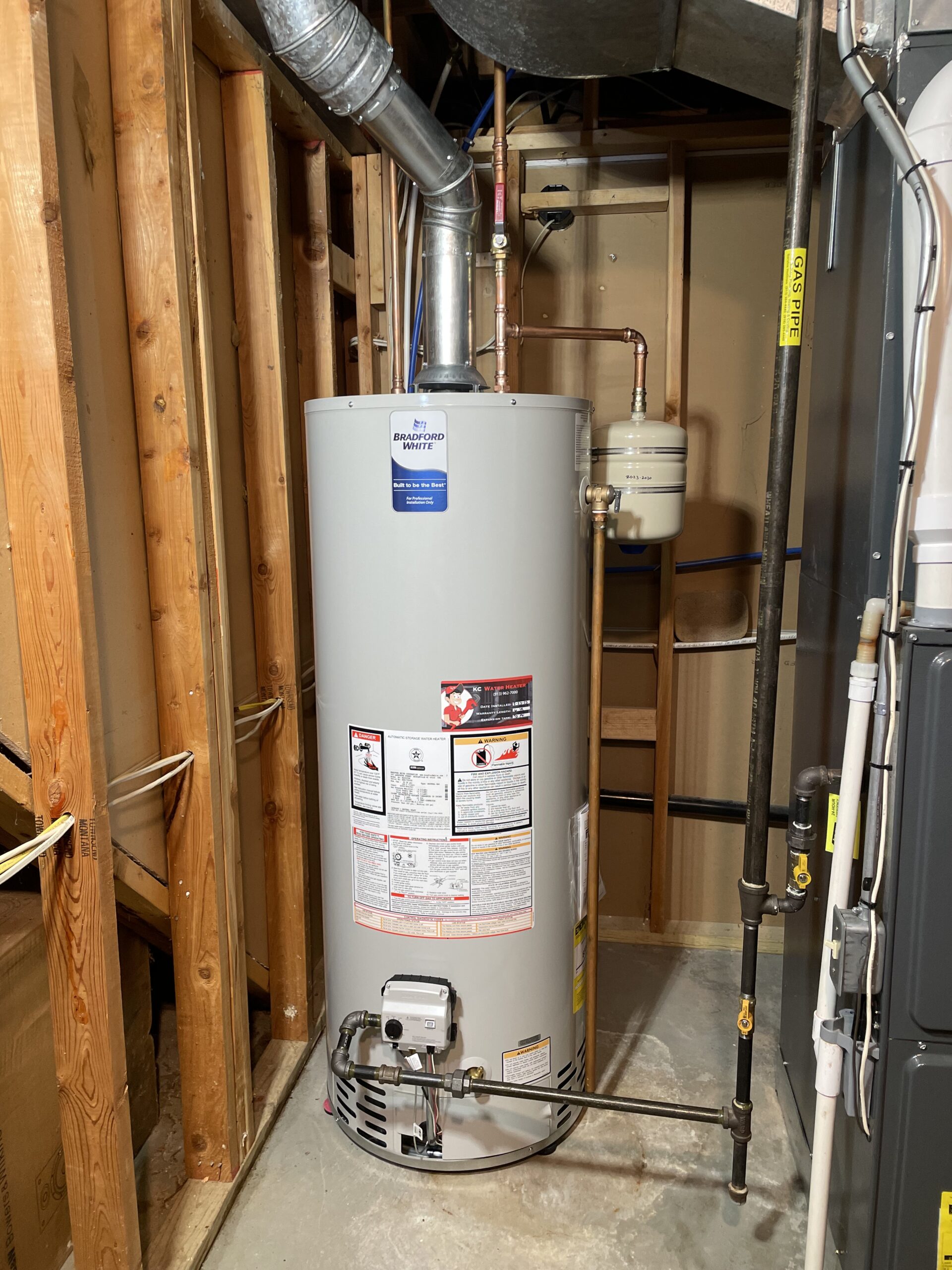
Gas water heaters need venting to remove exhaust gases. Upgrading to a more efficient heater may require new vent pipes, which can cost $200 to $1,000. High-efficiency models sometimes need special venting through a side wall instead of the roof.
12. Expansion Tank
Many codes now require an expansion tank to absorb pressure changes in your hot water system. This small tank costs $40 to $200 for the part, plus extra for installation.
13. Earthquake Straps
If you live in an earthquake-prone area, you may need straps to secure your water heater. These cost $20 to $50, plus labor.
14. Drain Pan
A drain pan under the water heater catches leaks and helps prevent floor damage. Some local codes require one, especially for heaters on upper floors. Drain pans cost $20 to $100.
Credit: www.greggio.com
15. Water Shutoff Valve
If your existing shutoff valve is old or not up to code, you’ll need to replace it. New valves cost $10 to $60 for the part, plus labor.
16. Pressure Relief Valve
Most new heaters come with a temperature and pressure relief (TPR) valve, but sometimes it must be replaced or upgraded for safety. This usually adds $20 to $70.
17. Recirculation Pump
For homes with long plumbing runs, a recirculation pump can provide instant hot water and save energy. Pumps cost $200 to $800 installed.
18. Sediment Trap
Gas water heaters require a sediment trap (drip leg) to prevent debris from reaching the burner. This small addition usually costs $20 to $60.
19. Location Of The Heater
Where your heater is located—garage, basement, attic, or closet—affects the difficulty and cost of installation. Tight spaces or hard-to-access areas usually cost more due to extra labor.
20. Local Labor Rates
Labor costs vary widely across the US. In high-cost cities like San Francisco or New York, expect to pay significantly more for skilled labor than in smaller towns.
21. Home Accessibility
If your home is hard to reach (narrow stairs, long driveways, busy streets), the installer may charge extra for the extra effort and time required.
22. Water Quality
Hard water can shorten the life of your heater and may require special installation steps or a water softener, adding $200 to $1,500 depending on the solution.
23. Warranty Length
Extended warranties often add to the upfront cost. For example, a 12-year warranty heater costs more than a 6-year model but can save money long-term if repairs are needed.
24. Energy Efficiency Rating
Heaters with higher Energy Factor (EF) or Uniform Energy Factor (UEF) ratings cost more but use less energy. Investing in a high-efficiency model can pay off in utility savings over time.
25. Insulation Upgrades
Some older homes may benefit from extra insulation around pipes or the heater itself, costing $20 to $200.
26. Building Code Upgrades
If your old heater was installed decades ago, you may need to upgrade the installation to meet modern codes. This could mean new pipes, venting, or safety features, adding $100 to $1,000+.
27. Flood Protection
If your heater is in a flood-prone area, you might need to raise the unit or add a sump pump, costing $100 to $500.
28. Smart Features
Some modern heaters offer Wi-Fi control, leak detection, or vacation modes. These features add $100 to $400 to the price but can provide peace of mind and convenience.
29. Delivery Charges
Most stores charge $50 to $150 for home delivery of a large water heater, especially if stairs or other obstacles are involved.
30. Emergency Installation
If your old heater fails suddenly, you may need emergency service. Same-day or after-hours installation can add $200 to $1,000 in rush fees.
31. Disposal Fees
Some cities charge a hazardous waste fee or require special handling for old heaters, costing $20 to $100.
32. Rebates And Incentives
Check for local rebates or tax credits for energy-efficient models. These can reduce your cost by $50 to $500 or more. Many homeowners miss this savings opportunity because they don’t ask.
33. Utility Company Requirements
Some utility companies require inspections, special hookups, or safety devices, which can add to your costs.
34. Permit Delays
If permits or inspections are slow, you may pay extra for temporary heaters or have to reschedule your installation, which can increase labor charges.
35. Unit Size (dimensions)
Not all 50-gallon heaters are exactly the same size. If your new unit is taller, wider, or deeper, you may need carpentry or drywall work to fit it in place.
36. Seismic Upgrades
In earthquake-prone zones, building codes may require special bracing or flexible connections to protect your heater during a quake.
37. Cold Climate Installation
In colder areas, you may need extra insulation or freeze protection for your pipes and heater, adding $50 to $300.
38. Recirculation Line Installation
If you want instant hot water at every tap, installing a dedicated recirculation line can cost $500 to $2,000.
39. Leak Detection System
Installing a leak detector with automatic shutoff can prevent major water damage, costing $100 to $300.
40. Timer Controls
A timer lets you schedule when your heater runs, saving energy. Timers cost $50 to $150, plus installation.
41. Water Heater Blanket
A water heater blanket is a simple way to boost efficiency, costing $20 to $50. This is a small investment that can pay off quickly, especially in cold basements.
42. Pipe Insulation
Insulating the hot water pipes reduces heat loss and saves energy. This usually costs $10 to $50 for the materials.
Credit: stogagirlssoccer.com
43. Anode Rod Upgrade
Upgrading to a better anode rod (which prevents tank corrosion) can extend the life of your heater for $30 to $100.
44. High-altitude Installation
In high-altitude areas, heaters may need special adjustment or models rated for the elevation, adding $50 to $200.
45. Condensate Drain (high-efficiency Units)
High-efficiency gas heaters produce condensation, which must be drained away. Condensate lines and pumps can add $50 to $300.
46. Noise Reduction
Adding soundproofing or choosing a quieter model can matter in homes where the heater is near living spaces. This can add $30 to $150.
47. Custom Venting
If your installation requires custom ductwork or venting, expect to pay extra—sometimes $200 to $1,000 more.
48. Mobile Home Installation
Water heaters in mobile homes must meet different codes and may require special models or installation steps, which increases cost.

Credit: nilds.gov.ng
49. Drainage Upgrades
If your home lacks good drainage for the heater’s relief valve or pan, installing a new drain line can add $100 to $500.
50. Multiple Bids
Getting quotes from several plumbers can save you hundreds of dollars. Prices can vary by 30% or more for the same job. Many people forget this simple step and overpay.
—
Below is a summary comparison of the most common types of 50-gallon water heaters and their average installed costs.
| Type | Average Unit Cost | Average Install Cost | Total Average Cost |
|---|---|---|---|
| Standard Gas Tank | $600 – $1,200 | $500 – $1,000 | $1,100 – $2,200 |
| Standard Electric Tank | $500 – $1,000 | $400 – $900 | $900 – $1,900 |
| Hybrid Heat Pump | $1,200 – $2,800 | $800 – $1,500 | $2,000 – $4,300 |
| Tankless (Whole House) | $1,000 – $2,500 | $1,000 – $2,000 | $2,000 – $4,500 |
Sample Installation Scenarios
Let’s look at three real-world examples to show how these factors add up.
Example 1: Basic Gas Replacement
- Type: Standard 50-gallon gas tank
- Unit cost: $800
- Labor: $700
- Permit: $120
- Disposal: $70
- No plumbing or electrical upgrades needed
Total: $1,690
Example 2: High-efficiency Electric With Upgrades
- Type: Hybrid heat pump
- Unit cost: $1,800
- Labor: $1,200
- Permit: $150
- Electrical upgrade: $400
- Expansion tank: $120
- Drain pan: $50
- Pipe insulation: $40
Total: $3,760
Example 3: Emergency Tankless Install
- Type: Whole-house tankless gas
- Unit cost: $2,200
- Labor (rush fee): $1,800
- Permit: $200
- Venting upgrade: $400
- Gas line: $300
- Disposal: $80
Total: $4,980
—
Here’s another comparison of key cost factors for a typical 50-gallon tank replacement.
| Cost Factor | Low End | High End |
|---|---|---|
| Unit Price | $500 | $1,800+ |
| Labor | $400 | $1,200+ |
| Permits & Inspections | $50 | $500 |
| Disposal | $20 | $200 |
| Upgrades/Repairs | $0 | $2,000+ |
Two Insights Most People Miss
- Efficiency vs. Upfront Cost: Many homeowners focus only on the purchase price, ignoring long-term energy savings. High-efficiency models can save hundreds of dollars over their life, especially in high-usage homes.
- Permits and Codes: Skipping required permits or code upgrades can cause insurance headaches or failed home sales later. Always check local requirements—even if your installer says it’s “optional.”
How To Save Money On Your Replacement
- Compare multiple bids from licensed plumbers.
- Look for rebates and incentives (utility companies often have them).
- Consider the total cost of ownership, not just the cheapest unit.
- Replace before the old unit fails to avoid emergency service fees.
- Ask about bundled pricing (removal, permit, install) for discounts.
Mistakes To Avoid
- Choosing the lowest bid without checking licenses or reviews.
- Ignoring local building codes.
- Skipping regular maintenance (which reduces lifespan).
- Not budgeting for hidden costs like electrical or venting upgrades.
The Bottom Line
The cost to replace a 50-gallon water heater varies widely, but planning ahead can help you avoid surprises. For a standard replacement, most homeowners spend between $1,000 and $2,800 all-in. High-efficiency or tankless models, or challenging installations, can raise the total to $4,000 or more. Always get detailed quotes, check for rebates, and make sure your installer is licensed and insured.
For more information on water heater technology and energy efficiency, visit the U.S. Department of Energy.
Frequently Asked Questions
How Long Does It Take To Replace A 50-gallon Water Heater?
Most standard replacements take 2 to 4 hours for a professional plumber. Complicated jobs (like switching fuel types or adding upgrades) can take a full day.
Is It Better To Repair Or Replace My 50-gallon Water Heater?
If your heater is over 10 years old, leaking, or not heating properly, replacement is often the best choice. Repairs can be a short-term fix, but costs add up quickly.
How Can I Tell If I Need A New Water Heater?
Common signs include rusty water, strange noises, leaks, or inconsistent hot water. If you notice any of these, it’s time for a professional inspection.
Can I Install A New Water Heater Myself?
DIY installation is possible for skilled homeowners, but it’s risky. Mistakes can be dangerous and may void warranties or home insurance. Most codes require a licensed installer.
Do Water Heaters Come With Warranties?
Yes, most come with 6 to 12-year warranties. Longer warranties cost more upfront but can save money on future repairs or replacements.
Replacing a water heater is a big investment, but with the right information and careful planning, you can manage costs and enjoy reliable hot water for years to come.