
Have you ever wondered if air conditioners and heaters are really that different? You use both to control the temperature in your home, but do they work the same way?
Understanding how each one operates can help you make smarter choices for your comfort and energy bills. Keep reading, and you’ll discover surprising facts that could change the way you think about heating and cooling your space. This knowledge will give you the power to pick the right option for your needs—and save money along the way.
Air Conditioner Basics
Air conditioners cool indoor spaces and make hot days bearable. They remove heat from the air inside your home. This process lowers the temperature and creates a comfortable environment. Understanding how they work helps in choosing the right type for your needs.
Air conditioners come in different styles. Each type suits different spaces and budgets. Knowing the basics can guide you to the best choice for your home or office.
How Air Conditioners Work
Air conditioners use a chemical called refrigerant. This moves heat from inside to outside. The process starts with warm air from the room. The refrigerant absorbs this heat and turns into gas.
The gas moves to the outside unit. It releases the heat into the air. Then, the refrigerant cools down and returns inside as a liquid. Fans blow cool air back into the room. This cycle repeats until the room reaches the set temperature.
Types Of Air Conditioners
Window units fit in a window or wall opening. They are best for cooling one room. Portable air conditioners can be moved from room to room. They need an exhaust hose to push hot air outside.
Split systems have two parts: inside and outside units. They are quiet and energy-efficient. Central air conditioning cools whole buildings through ducts. It provides even cooling for many rooms at once.

Credit: en.wikipedia.org
Heater Fundamentals
Heaters play a vital role in keeping indoor spaces warm during cold weather. Understanding how heaters work helps you choose the right heating solution. The basics of heaters cover how they create heat and the common types available. This knowledge clears up how heaters differ from air conditioners.
How Heaters Generate Heat
Heaters create heat by converting energy into warmth. Most heaters use electricity, gas, or oil as fuel. Electric heaters pass current through a metal coil. The coil heats up and releases warmth into the room. Gas heaters burn fuel to produce hot air or flames. This heat spreads through convection or radiation. Some heaters combine these methods for better warmth.
Common Heater Types
Many heater types suit different needs and spaces. Space heaters are portable and heat small rooms quickly. Baseboard heaters attach to walls and provide steady warmth. Radiant heaters use infrared light to heat objects directly. Furnace systems warm air and blow it through vents. Each type works differently but aims to keep you comfortable.
Cooling Vs Heating Mechanisms
Air conditioners and heaters both change the air temperature, but they do it differently. Their cooling and heating mechanisms use distinct processes and energy sources. Understanding these differences helps in choosing the right device for your needs.
Process Differences
Air conditioners remove heat from indoor air and release it outside. They use a refrigerant that absorbs heat and cools the air. Fans then blow the cooled air into the room.
Heaters work by creating heat directly inside the room. They warm the air using electric coils or burning fuel. The warm air spreads through the space to raise the temperature.
Energy Sources
Air conditioners mainly use electricity to power compressors and fans. The electricity runs the refrigerant cycle that cools the air.
Heaters may use electricity, natural gas, propane, or oil. Electric heaters convert electricity into heat. Gas heaters burn fuel to produce warmth.

Credit: www.angi.com
Efficiency And Energy Use
Efficiency and energy use play a big role in how air conditioners and heaters perform. Both devices change the indoor temperature but use energy differently. Understanding these differences helps in choosing the right option for your needs and budget.
Energy Consumption Comparison
Air conditioners use electricity to cool the air by removing heat. They work by transferring heat from inside to outside. This process can be efficient but depends on the model and outside temperature.
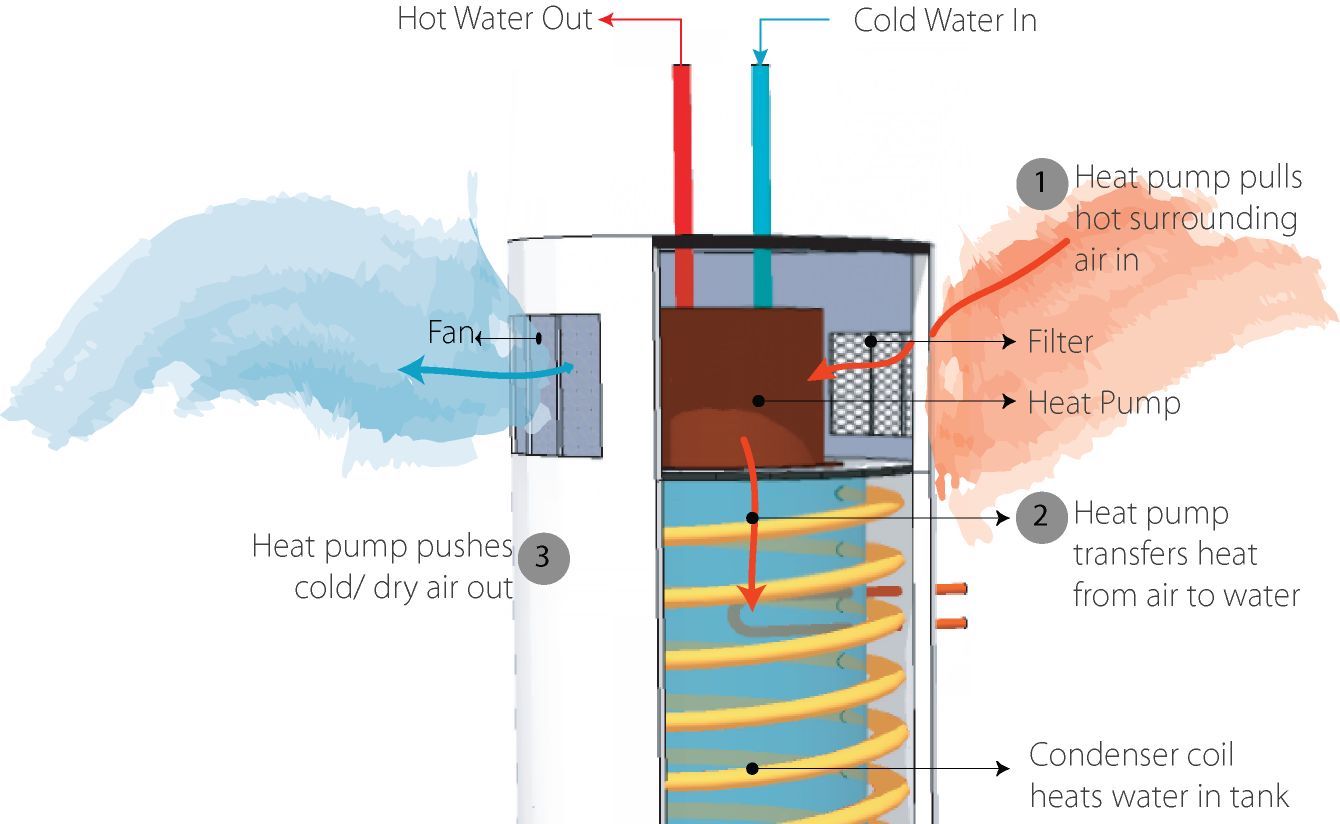
Heaters, on the other hand, create heat or move warm air into the room. Electric heaters convert electricity directly into heat, which can use more energy. Heat pumps are a type of heater that works like an air conditioner but in reverse, moving heat inside. Heat pumps use less energy than electric heaters.
Cost Implications
Energy use affects the cost to run air conditioners and heaters. Air conditioners may increase electricity bills during hot months. Heaters can cause higher costs in cold months, especially electric ones.
Heat pumps often cost less to operate than traditional electric heaters. Maintenance and installation costs also affect the total expense. Choosing energy-efficient models can save money over time.
Installation And Maintenance
Understanding the installation and maintenance of air conditioners and heaters helps you keep them working well. Both devices need proper setup and care. This ensures they last longer and perform efficiently. Let’s explore what each requires.
Setup Requirements
Air conditioners usually need an outdoor unit and an indoor unit. The outdoor part releases heat outside. The indoor part cools the air inside your room. Proper placement is key. The outdoor unit should be in a ventilated area. It must have enough space around it for air flow.
Heaters are simpler in setup. Many heaters only need to be plugged into a power source. Some require wall mounting or venting to remove fumes. Gas heaters need a gas line connection and safe ventilation. The setup depends on the type of heater you choose.
Maintenance Needs
Air conditioners need regular cleaning of filters. Dirty filters reduce cooling and waste energy. The outdoor unit should be clear of debris. Checking refrigerant levels is important for cooling power. Annual professional service helps catch issues early.
Heaters need filter cleaning or replacement too. Gas heaters must have their vents checked for blockages. Electric heaters need inspection for worn parts and safety checks. Regular maintenance keeps heaters safe and effective.
Choosing Between Air Conditioners And Heaters
Choosing between air conditioners and heaters depends on your needs and environment. Both appliances serve opposite purposes. One cools the air, while the other warms it. Understanding your local climate and how you plan to use these devices helps in making the right choice.
Climate Considerations
Climate plays a major role in deciding between an air conditioner and a heater. Hot climates need cooling systems to keep homes comfortable. Cold climates require heaters to provide warmth during chilly months. Some areas have mild weather and may need both appliances. Check the average temperatures in your region before selecting a device.
Usage Scenarios
Think about when and where you will use the device. Air conditioners work well in rooms that get very warm. Heaters are ideal for spaces that stay cold during winter. Some homes use heat pumps that offer both heating and cooling. For offices or small rooms, portable units might be enough. Understanding your usage pattern can save energy and money.
Credit: www.energyvanguard.com
Frequently Asked Questions
What Is The Main Difference Between Air Conditioners And Heaters?
Air conditioners cool the air by removing heat, while heaters add heat to warm the air. They serve opposite functions for comfort.
How Do Air Conditioners And Heaters Work Differently?
Air conditioners use refrigerants to absorb heat and release it outside. Heaters generate heat through electric coils or combustion.
Can One Device Both Heat And Cool A Room?
Yes, some systems like heat pumps can both heat and cool. They switch modes depending on the season.
Which Uses More Energy: Air Conditioners Or Heaters?
Energy use depends on the device type and settings. Generally, heaters can use more energy in cold climates.
Are Maintenance Needs Different For Air Conditioners And Heaters?
Yes, air conditioners need regular filter and coil cleaning. Heaters require checks on fuel, burners, and safety parts.
Can Air Conditioners Improve Indoor Air Quality Like Heaters?
Air conditioners often have filters to trap dust and allergens. Heaters usually do not clean air but only warm it.
Conclusion
Air conditioners and heaters serve different purposes in homes. One cools the air, while the other warms it. Both help keep your living space comfortable all year. Choosing the right one depends on your needs and weather. Understanding their differences helps you make smart decisions.
Stay comfortable by using each device correctly. Simple but important.