Are you wondering if bivvy heaters are safe to use during your outdoor adventures? Keeping warm while camping or fishing is important, but safety should always come first.
You might have heard mixed opinions about these heaters, and it can be confusing to know what’s true. You’ll discover the facts about bivvy heaters, how to use them without risk, and what precautions to take. By the end, you’ll feel confident and ready to stay cozy without worry.
Keep reading to learn everything you need to know about bivvy heater safety.
Types Of Bivvy Heaters
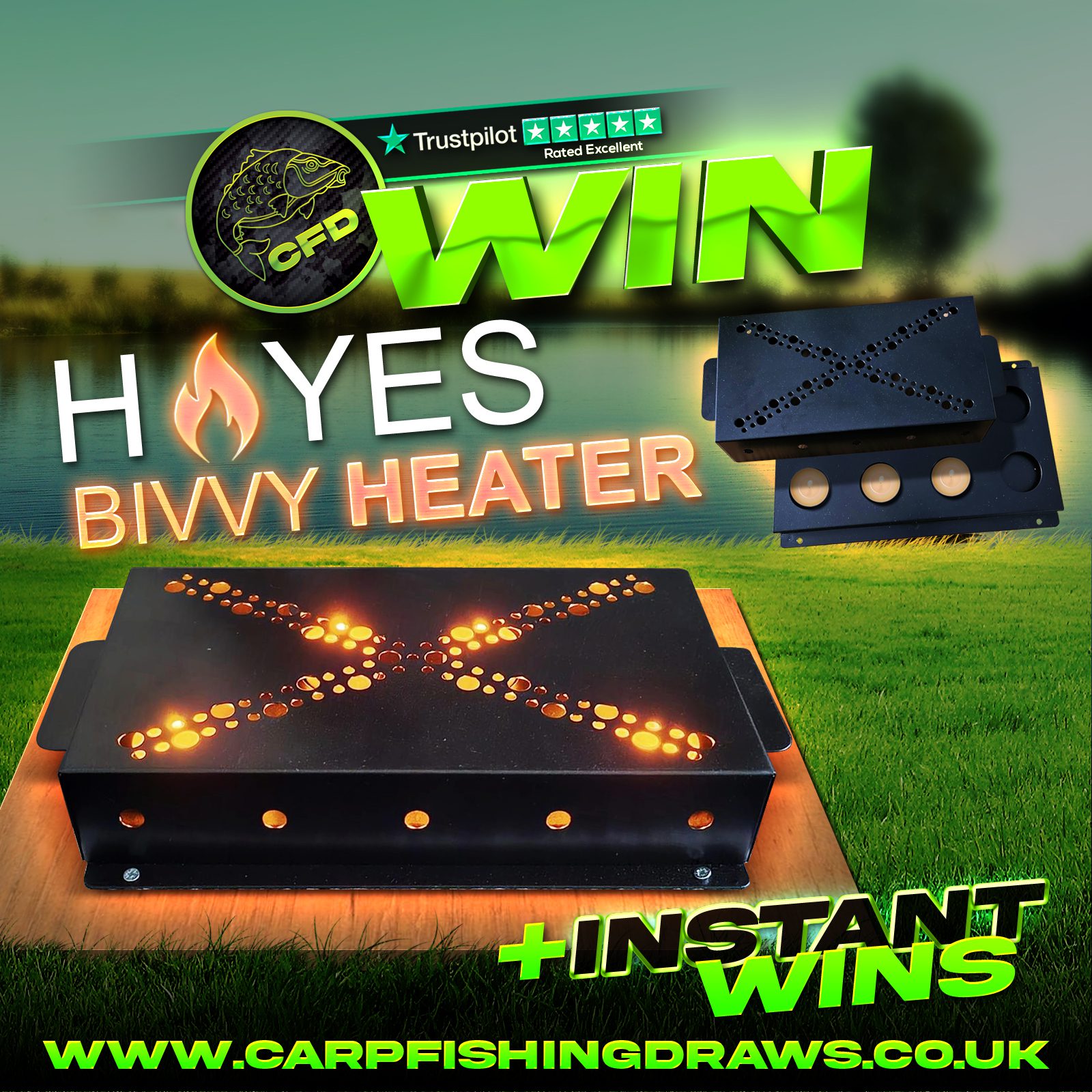
Bivvy heaters come in different types, each with unique features. Choosing the right one depends on your needs and camping style. Understanding these types helps in picking a safe and efficient heater.
Below are the main types of bivvy heaters commonly used by anglers and campers.
Electric Heaters
Electric heaters run on batteries or power banks. They are safe for indoor use because they do not produce flames or gas. These heaters are quiet and easy to control. The downside is they need a power source to work well. Perfect for short trips or mild cold.
Gas-powered Heaters
Gas-powered heaters use fuel like butane or propane. They produce strong heat quickly. These heaters must be used with good ventilation. Otherwise, there is a risk of carbon monoxide buildup. They are good for colder conditions and longer trips.
Portable Propane Heaters
Portable propane heaters are popular for their size and heat output. They connect to small propane canisters. These heaters are easy to carry and setup. Like other gas heaters, they need fresh air to avoid danger. Ideal for those needing strong, portable heat.
Credit: uhfug.com
Safety Risks To Consider
Bivvy heaters provide warmth during cold nights outdoors. They are useful but have safety risks. Understanding these risks helps prevent accidents and injuries. Always use bivvy heaters with care and follow safety rules.
Carbon Monoxide Poisoning
Bivvy heaters can produce carbon monoxide gas. This gas is colorless and odorless. Breathing it can cause serious health problems or death. Always ensure good ventilation when using a heater inside a bivvy. Never use heaters in fully closed spaces.
Fire Hazards
Heaters can cause fires if placed near flammable materials. Keep the heater away from sleeping bags, clothing, and tents. Use heaters with automatic shut-off features for extra safety. Always place the heater on a stable, flat surface to avoid tipping.
Burn Injuries
Heaters get very hot during use. Touching them can cause painful burns. Keep children and pets away from the heater. Use protective covers or guards if available. Never leave the heater unattended while it is on.
Safe Usage Practices
Using bivvy heaters can keep you warm during cold nights. Safety is the top concern for anyone using these heaters. Following safe usage practices lowers risks and ensures comfort. Small steps make a big difference in heater safety.
Proper Ventilation
Always allow fresh air to flow inside the bivvy. Heaters consume oxygen and produce gases. Without enough air, dangerous fumes can build up. Keep a window or door slightly open for air exchange. This simple action prevents carbon monoxide poisoning.
Placement Inside The Bivvy
Place the heater on a flat, stable surface. Avoid putting it near flammable materials like sleeping bags or clothing. Keep a safe distance from walls and fabric. This prevents accidental fires and overheating. Follow the manufacturer’s guidelines for ideal placement.
Monitoring Heater Operation
Check the heater regularly while it runs. Watch for unusual smells, sounds, or smoke. Turn off the heater if anything seems wrong. Never leave it running unattended overnight. Using a carbon monoxide detector adds an extra safety layer.
Choosing The Right Heater
Choosing the right bivvy heater is important for a safe and warm fishing trip. The heater must fit your needs and environment. Several factors affect this choice. They help you stay warm without risk. Consider size, fuel type, and safety features carefully.
Size And Heat Output
Pick a heater that matches your bivvy size. Too big can cause overheating. Too small may not keep you warm. Check the heater’s heat output, usually measured in watts or BTUs. A small bivvy needs less heat than a large one. Balance heat output with your space for comfort and safety.
Fuel Type And Availability
Heaters use different fuels like propane, butane, or electricity. Choose a fuel easy to find where you fish. Propane works well in cold weather. Butane is lighter and good for mild conditions. Electric heaters need a power source, which might not be handy outdoors. Know the fuel’s burn time and storage rules.
Safety Features
Safety features protect you from accidents. Look for heaters with automatic shut-off if tipped over. Carbon monoxide detectors are a must in enclosed spaces. Some heaters have flame failure devices to stop gas leaks. Good ventilation helps prevent harmful gas buildup. Choose heaters tested and certified by safety standards.
Emergency Preparedness
Emergency preparedness is crucial for anyone using bivvy heaters. These heaters provide warmth but can pose risks if not handled carefully. Being ready for emergencies can save lives and prevent serious injuries. Simple safety tools and knowledge help you stay safe in cold conditions.
Smoke And Carbon Monoxide Detectors
Smoke and carbon monoxide detectors are essential when using bivvy heaters. These devices alert you to dangerous gases or fire early. Place detectors near your bivvy to catch problems fast. Test them regularly to ensure they work properly. Early warning gives you time to act and stay safe.
Fire Extinguishers
Keep a fire extinguisher close by when using any heater. It helps control small fires before they spread. Choose an extinguisher suitable for common fires caused by heaters. Learn how to use it correctly. Quick action with a fire extinguisher can prevent disaster.
First Aid For Burns
Knowing basic first aid for burns is important. If you or someone else gets burned, cool the area with cold water immediately. Avoid using ice or creams on the burn. Cover the burn with a clean cloth to protect it. Seek medical help if the burn is severe or large.

Credit: www.youtube.com
Alternative Warming Methods
Keeping warm inside a bivvy is important for comfort and safety. Some people worry about using bivvy heaters because of risks like fire or carbon monoxide. There are safe ways to stay warm without using heaters. These methods work well and reduce dangers. They are easy to use and can make cold nights better.
Insulated Sleeping Bags
Insulated sleeping bags keep body heat trapped close. They use materials like down or synthetic fibers. These materials stop cold air from reaching you. Choose bags rated for cold temperatures. Layering sleeping bags can add extra warmth. They are lightweight and easy to carry. Insulated sleeping bags are a simple way to stay warm.
Thermal Clothing
Thermal clothing helps keep your body heat inside. It is made from special fabrics that hold heat. Wear thermal base layers under your normal clothes. Hats, gloves, and socks made of thermal material help too. Dress in layers to trap warm air between clothes. Thermal clothing works well with other warming methods. It is a safe and effective choice.
Hot Water Bottles
Hot water bottles provide steady warmth for hours. Fill them with hot water before going to bed. Place them inside your sleeping bag near your feet. They release heat slowly to keep you cozy. Use bottles made of safe, durable materials. Avoid using boiling water to prevent burns. Hot water bottles are a natural and simple warming tool.

Credit: www.youtube.com
Frequently Asked Questions
What Are Bivvy Heaters And How Do They Work?
Bivvy heaters are small devices that warm up a tent or shelter. They use fuel or electricity to create heat safely inside. This helps anglers and campers stay warm in cold weather.
Can Bivvy Heaters Cause Carbon Monoxide Poisoning?
Yes, carbon monoxide can build up if the heater is not ventilated. Always keep some air flowing in your bivvy. Using heaters designed for indoor use reduces risks.
How To Use Bivvy Heaters Safely Inside A Tent?
Place the heater on a flat, stable surface away from flammable materials. Keep a window or vent open for fresh air. Never leave the heater running unattended.
Are Electric Bivvy Heaters Safer Than Gas Heaters?
Electric heaters do not produce fumes, so they are generally safer indoors. They need a power source, which can limit where you use them. Gas heaters are more portable but require caution.
What Should I Do If My Bivvy Heater Smells Or Smokes?
Turn off the heater immediately and move it outside. Check for blockages or fuel leaks before using it again. Regular maintenance prevents most problems.
How Can I Prevent Fire Hazards With Bivvy Heaters?
Keep the heater away from sleeping bags and gear. Use only recommended fuels and avoid overfilling. Always follow the manufacturer’s safety instructions carefully.
Conclusion
Bivvy heaters can keep you warm during cold nights. Always follow safety instructions to avoid risks. Use heaters with good ventilation to prevent dangers. Never leave heaters on without supervision. Choose reliable brands and check for safety features. Staying cautious makes your outdoor experience safer.
Warmth and safety go hand in hand. Enjoy your time outside without worry. Safety first, comfort always.