
Is your Richmond water heater showing blinking lights, and you’re not sure what they mean? Those tiny flashes might seem confusing, but they are actually your heater’s way of talking to you.
Understanding these blinking light codes can save you time, money, and stress by helping you spot problems early. You’ll discover exactly what each blinking pattern means and how you can fix common issues quickly. Keep reading—your water heater’s health depends on it!
Common Blink Codes
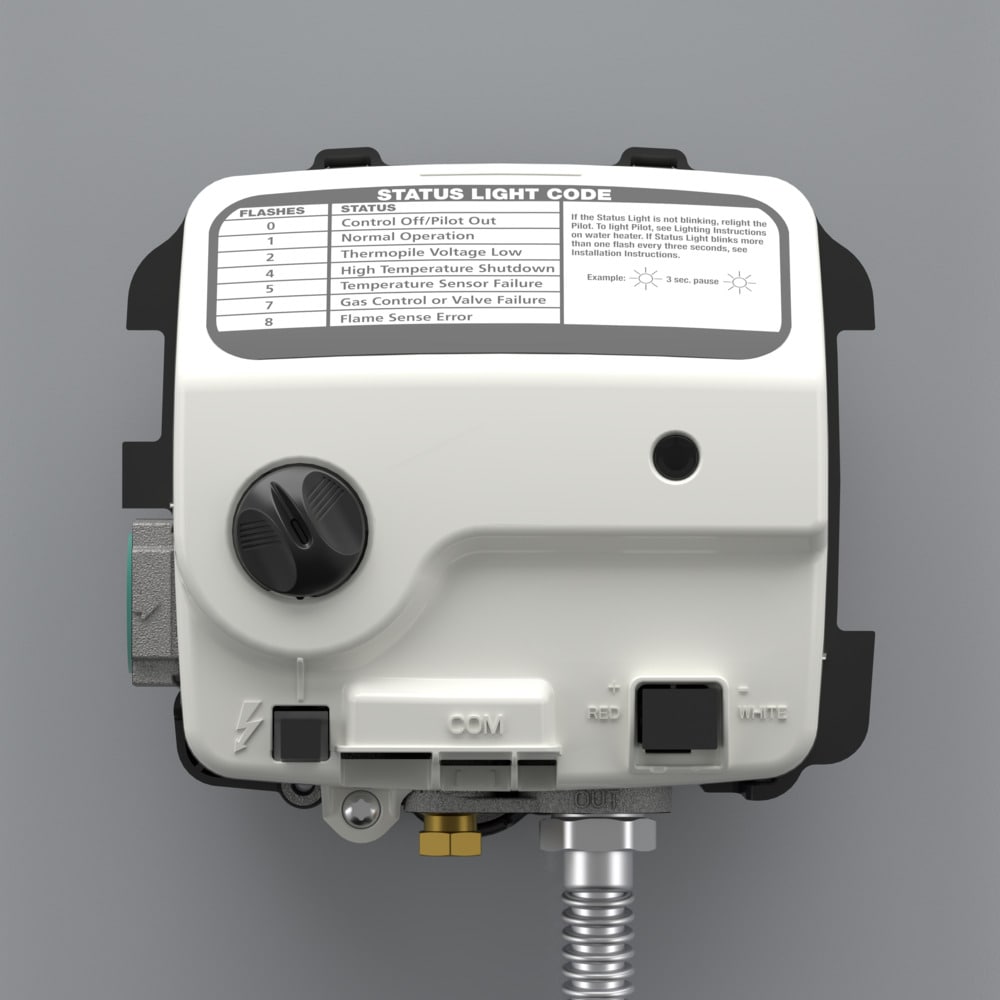
Richmond water heaters use blinking light codes to show system status. These codes help users understand if the heater works well or needs attention. Knowing common blink codes saves time and avoids confusion. It also guides quick action to fix minor problems.
Interpreting Flash Patterns
Blinking lights follow specific flash patterns. Each pattern means a different message. For example, one flash might mean the heater is heating water. Two flashes could warn about a sensor issue. Three flashes often signal a problem with the gas supply.
Watch the number of flashes in each cycle. Count how many times the light blinks before pausing. This count tells the error code. Recognizing these patterns makes it easier to decide what to do next.
Frequency And Duration Meanings
The speed of blinking also carries meaning. Fast blinking might indicate an urgent problem. Slow blinking usually means a minor issue. Duration of each flash matters too. Long flashes can point to different errors than short ones.
Note how long the light stays on and off. A quick blink followed by a pause is not the same as a steady blink. Knowing these details helps users describe the issue clearly to technicians or guides.
Credit: sageuae.com
Causes Of Blink Codes
Blink codes on Richmond water heaters signal specific problems. These codes help identify what needs fixing. Understanding the causes can save time and money. Knowing common issues helps you spot problems early.
Sensor Malfunctions
Sensors check temperature and safety settings. Faulty sensors send wrong signals to the system. This causes the water heater to blink error codes. Dirt, wear, or damage can cause sensor failure. Replacing or cleaning sensors often fixes the problem.
Electrical Issues
Electrical faults often cause blinking light codes. Loose wires or bad connections disrupt power flow. A tripped breaker or blown fuse also triggers errors. Electrical problems can stop the heater from working. Checking wiring and power supply is essential.
Water Flow Problems
Water flow is crucial for proper heater operation. Low or no water flow causes error codes. Blocked pipes or valves reduce water movement. Faulty pumps may also affect flow rates. Clearing blockages or fixing pumps restores normal function.
Troubleshooting Steps
Seeing a blinking light on your Richmond water heater can be confusing. The blinking light signals a problem. You can solve many issues by following some simple troubleshooting steps. These steps help you find the cause and fix it quickly. No need to wait for a technician right away.
Resetting The Unit
First, try resetting the water heater. Find the reset button, usually near the thermostat. Press and hold it for a few seconds. This action can clear errors and restart the system. Sometimes, a quick reset solves the blinking light problem. Check if the light stops blinking after the reset.
Checking Power Supply
Next, check the power supply. Make sure the heater is plugged in properly. Look for any loose wires or damaged cords. Check your home’s circuit breaker or fuse box. A tripped breaker can cut power to the heater. Restore power and see if the blinking stops.
Inspecting Sensors
The sensors inside the water heater monitor temperature and pressure. Dirt or damage can cause false error signals. Turn off the power before inspecting. Look for dirt or corrosion on the sensors. Clean them gently with a soft cloth. Replace damaged sensors to fix persistent blinking lights.

Credit: www.youtube.com
Repair Tips
Understanding the blinking light codes on your Richmond water heater helps you fix small problems fast. Repairing these issues can save money and extend your heater’s life. This section offers simple tips for common repairs. Follow these steps carefully and keep your water heater running smoothly.
Replacing Faulty Parts
Start by identifying the part causing the blinking light error. Common faulty parts include thermostats, heating elements, and sensors. Turn off the power before removing any part. Use the model number to find exact replacements. Install the new part firmly and check for secure connections. Restore power and watch the light to see if the error clears.
Cleaning And Maintenance
Dirt and sediment can trigger blinking codes. Drain the water heater tank to remove sediment buildup. Clean the burner and pilot light area gently. Wipe dust off sensors and control boards. Regular maintenance keeps your water heater efficient and error-free. Schedule cleaning every six months to prevent common issues.
When To Call A Professional
Complex problems need expert help. Call a technician if you see unusual noises or persistent blinking codes. Avoid fixing gas leaks or electrical faults yourself. Professionals have the right tools and knowledge to handle tough repairs safely. Quick professional help prevents bigger damage and keeps your home safe.
Preventive Measures
Preventing issues with Richmond water heaters starts with simple steps. These steps reduce blinking light errors and keep your heater working well. Taking care of your water heater saves money and avoids discomfort from no hot water.
Regular Inspections
Check your water heater at least once a year. Look for leaks, rust, or strange noises. Early signs of trouble help fix problems fast. A professional inspection ensures all parts work properly. Regular checks keep your heater safe and efficient.
Water Quality Management
Use clean water to protect your heater. Hard water causes build-up inside the tank. This build-up leads to blinking light errors and poor heating. Installing a water softener helps prevent mineral deposits. Good water quality extends the heater’s life.
Proper Installation
Install the water heater correctly to avoid future problems. Follow the manufacturer’s instructions closely. Incorrect installation causes blinking light codes and safety risks. Use certified technicians for installation work. Proper setup ensures your heater works smoothly.

Credit: entre-couette-et-bulles.com
Frequently Asked Questions
What Do Blinking Light Codes On Richmond Water Heaters Mean?
Blinking lights show the heater’s status or errors. Each pattern signals a specific issue or normal function.
How Can I Identify Richmond Water Heater Error Codes?
Count the number of blinks and pauses. Match them with the heater’s manual for exact error meanings.
Why Does My Richmond Water Heater Keep Blinking?
Blinking often indicates a problem like ignition failure, thermostat error, or sensor issues.
Can I Fix Richmond Water Heater Blinking Codes Myself?
Simple fixes like resetting or checking gas supply are possible. Complex issues need a technician.
What Does A Slow Blinking Light On My Water Heater Indicate?
A slow blink usually means the heater is in standby or normal operation mode.
When Should I Call A Professional For Richmond Water Heater Errors?
Call a pro if blinking persists after basic checks or if you smell gas or see leaks.
Conclusion
Understanding Richmond water heater blinking light codes helps you spot problems fast. These lights show what needs fixing or attention. Don’t ignore the signals your heater gives. Acting quickly can save time and money. Always check your manual for specific code meanings.
Calling a professional is smart if the issue feels complex. Keep your water heater safe and working well. Small steps prevent big troubles later. Stay informed and ready to handle blinking light codes with confidence.