
Many people trust Ariston water heaters to provide hot water reliably every day. But discovering water leaking from the front panel can be worrying and frustrating. You might see a small puddle near the base, dampness on the wall, or even dripping water from the seams of the front cover. This problem can cause stress, especially if you do not know why it is happening or how serious it is. The good news is that with some knowledge, you can often understand the causes, know what steps to take, and decide whether you can fix it yourself or need professional help.
This guide explains everything you need to know if your Ariston water heater is leaking from the front panel. You will learn about the most common reasons, how to inspect your unit safely, ways to fix minor problems, when to call an expert, and how to prevent leaks in the future. You will also find practical tips, real examples, and clear explanations—so you can act with confidence and protect your home and water heater investment.
Why Water Leaks From The Front Panel Of An Ariston Water Heater
When you see water coming from the front of your Ariston water heater, it usually means there is a problem inside the unit. The front panel is not designed to release water. Leaks here can be caused by several issues:
- Internal tank corrosion: Over time, minerals in water can eat away at the inner tank, leading to tiny holes and leaks.
- Loose or damaged inlet/outlet connections: If the pipes where water enters or leaves the heater are not sealed tightly, water can escape and run down behind the panel.
- Faulty temperature and pressure (T&P) relief valve: This safety valve sometimes fails and leaks water, especially if it is blocked or worn out.
- Condensation: In humid or cold areas, moisture can form on cold parts inside the panel and drip down, looking like a leak.
- Heating element gasket failure: The rubber seals around the heating element can harden or crack, allowing water to seep through.
- Cracked plastic or metal parts: Over years, plastic parts may become brittle, or metal parts may develop cracks, letting water escape.
- Drain valve issues: If the drain valve is loose or damaged, water can leak and find its way to the front of the unit.
- Improper installation: Mistakes during setup, like not tightening bolts or using wrong parts, can cause leaks to show up later.
- High water pressure: If your home’s water pressure is too high, it can force water out through weak points inside the heater.
- Aging unit: Old water heaters often develop leaks as seals, gaskets, and the tank itself wear out.
Non-obvious Causes Beginners Miss
Many beginners assume all leaks mean a tank failure. But sometimes, the real cause is much less serious. For example, a leaking T&P valve might be caused by thermal expansion (water expanding as it heats), not a broken part. Also, leaks can sometimes come from plumbing above or behind the unit, drip down, and only appear at the front panel—making it look like the heater is leaking when the source is elsewhere.
How To Inspect Your Ariston Water Heater Safely
Before you touch or open anything, safety comes first. Water heaters use electricity or gas and hold hot water under pressure, so careless inspection can be dangerous. Follow these steps for a safe check:
- Turn off the power: For electric units, switch off the breaker. For gas, set the control to “off.”
- Shut off the water supply: Turn the cold water valve (usually blue) clockwise to stop water from entering the heater.
- Let the heater cool down: Wait at least 2-3 hours if the unit was recently used, to avoid burns.
- Dry the area: Wipe the front panel and floor with a towel so you can see new leaks easily.
- Use a flashlight: Good light helps you spot moisture, rust, or water trails.
- Check for other water sources: Make sure the leak is not from nearby pipes, air conditioning, or roof leaks.
Step-by-step Inspection
- Look for visible cracks or rust on the front panel and seams. Rust stains often mean a slow leak over time.
- Touch the lower edges and corners of the panel. If they feel soft, the leak has been there for a while.
- Open the front panel (if safe and easy on your model). Check for water on insulation, wiring, or around the heating element.
- Inspect all connections: Feel around the inlet, outlet, and drain valve for wetness.
- Check the T&P valve: This usually sits on the top or side. If it’s dripping, the problem may be pressure or temperature, not a broken tank.
Do not remove screws or panels if you are unsure or see signs of electrical hazard. In that case, call a professional.
Common Causes Of Front Panel Leaks In Ariston Water Heaters
Understanding the different causes can help you decide on the right fix. Here are the most frequent sources of water near the front panel:
1. Internal Tank Leaks
If the internal tank is corroded or has a hole, water will escape and often pool at the front. This is usually the end of life for the heater. Signs include rusty water, water under the tank, or wet insulation inside the panel.
2. Faulty Heating Element Gaskets
On electric Ariston heaters, the heating element is sealed by a rubber gasket. If the gasket cracks or shrinks, water can leak out and run down the front. You may see water on the lower front panel or dripping from the seam.
3. Leaky Pipe Connections
The cold water inlet and hot water outlet connect to the tank with threaded fittings. If these become loose or the sealant fails, water can seep out and move toward the front panel.
4. Defective T&p Valve
This valve protects against high pressure or temperature. If it fails, water may run down the unit, sometimes toward the front. It can leak due to debris, age, or high system pressure.
5. Drain Valve Leaks
The drain valve at the bottom is used for maintenance. If it’s not fully closed or the washer inside is damaged, water can drip and appear at the front base.
6. Condensation
In cold or humid rooms, condensation can form on the cooler parts of the water heater. This moisture runs down and collects at the bottom of the front panel, especially in garages or basements.
7. Cracked Or Damaged Parts
Plastic or metal covers can crack from impact, age, or manufacturing defects. Even a small crack can let water escape if it’s near a seam or gasket.
8. Excessive Pressure
If your home’s water pressure is above 80 psi (pounds per square inch), it can stress the tank and cause leaks at the weakest points—often near the front panel.
9. Installation Errors
Common mistakes include cross-threaded connections, missing gaskets, or improper pipe supports. These errors can cause leaks days or weeks after installation.
10. Old Age And Wear
If your Ariston heater is over 10 years old, leaks are more likely. Seals, gaskets, and the tank itself wear out with time, especially in hard water areas.
How To Fix A Leaking Front Panel On An Ariston Water Heater
Fixing the leak depends on its source. Some repairs are simple DIY jobs, while others require professional skill. Here’s a practical approach:
1. Tighten Loose Connections
If you find water around the inlet or outlet pipes:
- Turn off power and water supply.
- Use a wrench to gently tighten the connections.
- Turn water back on and check for leaks.
If leaking continues, you may need to add new plumber’s tape or replace a worn washer.
2. Replace A Faulty Gasket
If the heating element gasket is leaking:
- Drain the tank (see your manual for steps).
- Remove the heating element (usually with a special wrench).
- Replace the old gasket with a new one designed for your model.
- Reinstall the element and fill the tank before turning power back on.
3. Change A Leaky T&p Valve
- Turn off the water and power.
- Unscrew the old valve with a wrench.
- Wrap new plumber’s tape on the threads of the new valve.
- Install the new valve and check for leaks.
4. Fix The Drain Valve
If the drain valve is dripping:
- Try tightening it gently.
- If that fails, replace the valve with a new one of the same size.
- Use plumber’s tape to seal threads.
5. Reduce High Water Pressure
If pressure is above 80 psi:
- Install a pressure reducing valve on your main water line.
- Consider an expansion tank if your system is closed.
6. Address Condensation
- Increase room temperature or improve ventilation.
- Insulate cold pipes to reduce condensation.
7. Repair Cracked Parts
If you find a small crack in plastic covers:
- Clean and dry the area.
- Use waterproof epoxy for small cracks.
- Replace severely cracked covers.
8. Professional Help For Internal Tank Leaks
If the tank itself is leaking, replacement is usually the only safe solution. A professional can confirm this with a full inspection.
9. Correct Installation Errors
If you suspect mistakes were made during installation, have a qualified plumber recheck all connections and supports.
10. Replace Old Units
If your heater is old and leaking from multiple places, replacement is usually safer and more cost-effective than repeated repairs.
Real-world Example: Diagnosing A Front Panel Leak
Let’s look at a common scenario.
Anna noticed a puddle under her Ariston water heater’s front panel. She wiped it up, but it returned the next day. She checked the pipes above the unit—no leak. She turned off the power and opened the front panel. Inside, she saw a few drops of water around the heating element. The gasket looked worn and cracked. Anna bought a new gasket, followed her manual, and replaced it. The leak stopped.
This example shows how careful inspection and basic repair knowledge can fix minor leaks and save money.
What To Do If You Cannot Find The Leak
Sometimes, the source is not obvious. Here’s what you can do:
- Dry everything and watch: Dry the panel and pipes, then observe where water appears first.
- Use tissue or paper towel: Place dry pieces in different areas; see which gets wet first.
- Check during operation: Some leaks only appear when the heater is running.
- Call a professional: If you cannot find the source, or see rust, electrical issues, or heavy leaks, call a licensed plumber or technician.
Comparing Minor Vs. Major Leaks
How do you know if the leak is a small nuisance or a big danger? Here’s a quick comparison:
| Feature | Minor Leak | Major Leak |
|---|---|---|
| Amount of Water | Few drops to a small puddle | Constant dripping or pooling water |
| Frequency | Only when running or rarely | Constant, even when off |
| Location | Only on surface or at connection | Inside insulation, under tank |
| Risk | Low, fixable by DIY | High, needs urgent attention |
If you see signs of a major leak, turn off water and power immediately and call for help.
When To Repair And When To Replace
Deciding whether to fix or replace your Ariston water heater depends on several factors:
- Age of unit: Over 10 years old? Replacement is often best.
- Cost of repair: If the repair is more than half the price of a new heater, replace.
- Frequency of problems: Multiple leaks or repairs in a year suggest replacement.
- Condition of tank: Rusty, corroded tanks are not safe to fix.
Here’s a quick side-by-side comparison:
| Situation | Repair | Replace |
|---|---|---|
| Leaking gasket | ✔️ | |
| Cracked tank | ✔️ | |
| Leaky T&P valve | ✔️ | |
| Unit older than 12 years | ✔️ | |
| Rusty water output | ✔️ |
How To Prevent Future Leaks In Your Ariston Water Heater
Prevention is always better than cure. Here are proven ways to keep your water heater leak-free:
- Regular maintenance: Flush the tank every 6-12 months to remove sediment.
- Check pressure: Test your home’s water pressure and install a pressure-reducing valve if needed.
- Replace anode rod: This rod attracts minerals that cause corrosion. Replace it every 2-3 years.
- Inspect connections: Check all pipe connections and the T&P valve yearly.
- Insulate pipes: This reduces condensation in cold rooms.
- Use a water softener: If you have hard water, a softener reduces mineral build-up.
- Install a drip pan: Place a pan under the heater to catch small leaks and protect your floor.
- Test the T&P valve: Lift the valve lever once a year to make sure it works.
- Fix small leaks fast: Do not ignore drips—small problems can grow quickly.
- Schedule professional checks: Have a plumber inspect your unit every 2-3 years.
Many homeowners skip maintenance, but it is the top way to avoid leaks and extend your heater’s life.
How Much Does It Cost To Fix An Ariston Water Heater Leak?
Costs vary depending on the problem:
- Tightening connections or replacing washers: Usually under $50 if you DIY.
- Replacing a gasket or T&P valve: $20–$70 for parts; $100–$200 with labor.
- Major repairs (like tank replacement): $500–$1,500 depending on size and model.
- Professional inspection fee: $75–$150.
Remember: A small leak can cause much more costly water damage if ignored.
Common Mistakes People Make With Leaking Water Heaters
Avoid these errors to save time and money:
- Ignoring small leaks: Even a slow drip can cause mold or structural damage.
- Turning power on with an empty tank: This can burn out the heating element.
- Not checking water pressure: High pressure causes repeated leaks and failures.
- Using wrong replacement parts: Always use Ariston-approved gaskets and valves.
- Trying to fix a cracked tank: This is unsafe; always replace a leaking tank.
- Not reading the manual: Each model has unique steps and safety warnings.
- Delaying professional help: Fast action can prevent large repairs or floods.
How To Choose A Plumber Or Technician For Repairs
If you need expert help, pick carefully:
- Licensed and insured: Always choose a professional with proper credentials.
- Experience with Ariston heaters: Ask if they have repaired your model before.
- Clear estimate: Get a written quote before work begins.
- Good reviews: Check online ratings or ask for references.
- Warranty on work: A reputable plumber offers a guarantee on repairs.

Credit: maionesedacasa.com.br
Is It Safe To Use A Water Heater With A Front Panel Leak?
Many people wonder if they can keep using their heater after spotting a leak. The answer depends on the size and source of the leak.
- Small leaks from a gasket or valve may be safe for a short time, but turn off power and water if the leak gets worse.
- Large or constant leaks mean you should stop using the heater immediately. Water can damage electrical parts or cause dangerous short circuits.
- Rusty or discolored water means corrosion inside the tank—stop use and replace the unit.
If in doubt, always put safety first. Water and electricity are a dangerous mix.
How Long Should An Ariston Water Heater Last?
With proper care, an Ariston water heater lasts 8–12 years on average. In soft water areas, they may last longer. Poor maintenance, hard water, or high pressure can shorten lifespan. Modern models often have better anti-corrosion features and higher-quality gaskets, but regular checks are still needed.

Credit: www.waterheatercity.com
Data: Ariston Water Heater Leak Sources (based On Service Calls)
A large plumbing company tracked the sources of leaks in 1,000 Ariston water heater service calls:
| Leak Source | Percent of Cases |
|---|---|
| Heating element gasket | 34% |
| Tank corrosion | 27% |
| T&P valve | 19% |
| Pipe connections | 12% |
| Other (condensation, drain valve, cracks) | 8% |
This shows why it is smart to check the gasket and tank first if you have a front panel leak.
Practical Tips For Ariston Water Heater Owners
- Write down the installation date and keep receipts for warranty claims.
- Check your water heater after power outages or water supply changes.
- Install a water sensor alarm near your heater for early leak warning.
- Know where your home’s main water shutoff is located.
- Keep the heater manual in a safe, easy-to-find place.
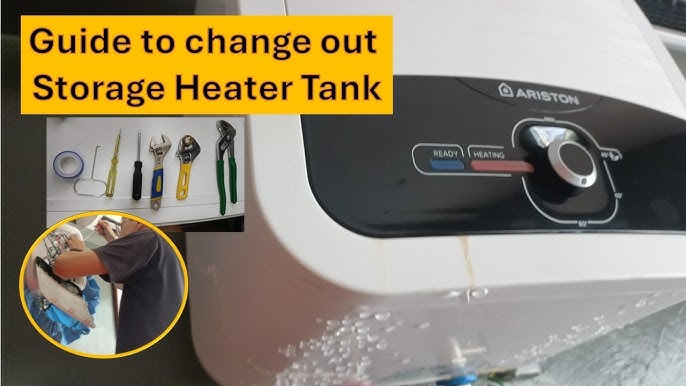
Credit: www.youtube.com
When To Contact Ariston Customer Service
If your unit is under warranty or you are unsure about a repair, contact Ariston customer service. They can help you find the right replacement parts and recommend authorized service centers. For official help, visit the Ariston website.
Frequently Asked Questions
What Should I Do First If My Ariston Water Heater Leaks From The Front Panel?
Turn off the power and water supply immediately to prevent further damage. Dry the area, then inspect connections, gaskets, and the T&P valve. If you cannot find the source or see heavy leaks, call a plumber.
Can I Fix A Leaking Ariston Water Heater Myself?
Small leaks from gaskets or connections can often be fixed by a careful homeowner. But leaks from the internal tank or electrical faults should be handled by a professional.
How Do I Know If The Leak Is Serious?
A serious leak produces constant water, rust stains, or wet insulation inside the panel. If you see these signs, or if water is pooling quickly, turn off the unit and call for help.
How Much Does It Cost To Repair A Leaking Ariston Water Heater?
Simple repairs like gasket or valve replacement cost $20–$200. Major repairs or tank replacements can range from $500–$1,500. Ignoring leaks can lead to even higher costs due to water damage.
Is It Safe To Keep Using My Water Heater If It Is Leaking?
It is not safe to use a heater with a large or unknown leak, especially if you see rust, hear hissing, or smell burning. Small leaks from a gasket or valve may be safe for a short time, but should be fixed quickly.
—
Discovering your Ariston water heater is leaking from the front panel can be stressful, but quick action and smart decisions can save you money, time, and headaches. Remember, most leaks start small. Regular checks, maintenance, and knowing when to call an expert will keep your home safe and your hot water flowing.