
Can You Run A Tankless Water Heater On Solar?
As energy costs rise and people become more aware of climate change, many homeowners look for ways to save money and reduce their carbon footprint. Solar power is one of the most popular solutions. At the same time, tankless water heaters are becoming common because they provide hot water on demand and use less energy than traditional tanks. But can you actually run a tankless water heater using only solar energy? The answer is not simple, but it’s definitely possible. Let’s explore how this can work, what you need to consider, and what you should know before making a decision.
This guide will break down everything about combining solar power with a tankless water heater. Whether you’re planning a new home, updating your current setup, or just curious, you’ll find clear answers here. We’ll look at how both systems work, what makes them compatible (or not), and how to set up a system that’s reliable and efficient.
We’ll also share real-world tips, cost details, and things beginners often miss.
Understanding Tankless Water Heaters
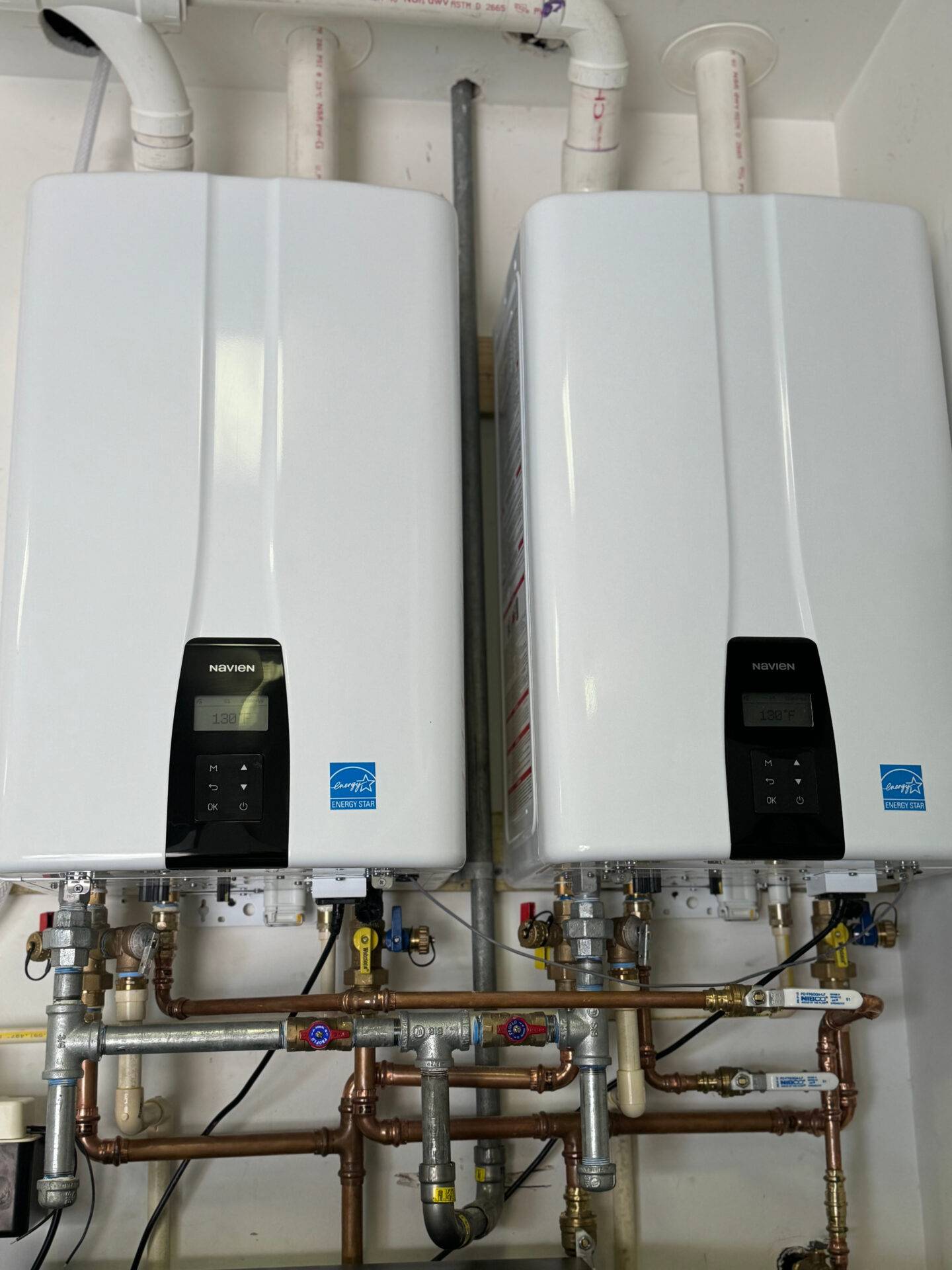
A tankless water heater heats water directly without storing it. When you turn on the hot tap, cold water travels through a pipe into the unit. Either a gas burner or electric element heats the water instantly as it flows. You get a constant supply of hot water, but the flow rate is usually limited.
Types Of Tankless Water Heaters
- Electric tankless water heaters: Use electric coils to heat water. Usually smaller, easy to install, and suitable for small households or single points of use.
- Gas tankless water heaters: Use natural gas or propane burners. They heat water faster and can serve larger homes.
Advantages Of Tankless Water Heaters
- Endless hot water: No running out if system is sized correctly.
- Space-saving: Small and can be wall-mounted.
- Lower energy use: No standby losses from keeping a tank hot.
- Longer lifespan: Often last over 20 years.
Energy Needs Of Tankless Water Heaters
Electric tankless water heaters need a lot of power quickly. For example, a typical whole-house electric unit may require 18,000 to 36,000 watts (18-36 kW) when operating. In comparison, a gas unit uses less electricity but needs gas for heating, plus some power for controls and ignition.
Many people underestimate how much energy these units need. Unlike a fridge or TV, a tankless water heater draws maximum power only when you use hot water, but the demand is very high for short periods.
How Solar Power Works In Homes
Solar power uses panels (photovoltaic or PV) to convert sunlight into electricity. The electricity can power your home, charge batteries, or feed into the grid. Let’s see how this fits with a tankless heater.
Key Parts Of A Home Solar System
- Solar panels: Capture sunlight and make DC electricity.
- Inverter: Converts DC to AC (the type your appliances use).
- Batteries (optional): Store energy for use when the sun isn’t shining.
- Charge controller: Manages battery charging if batteries are used.
- Wiring and safety equipment: Connect everything safely.
How Much Power Can Solar Panels Produce?
The amount depends on:
- Panel wattage: Common home panels are 300-400 watts each.
- Sun hours: Average sunlight per day, usually 4-6 hours in good locations.
- Roof size and direction: South-facing roofs get more sun in the US.
For example, a 5 kW (5,000 watts) system with 5 sun hours per day makes about 25 kWh (kilowatt-hours) daily.
Solar For Water Heating
There are two main ways to use the sun for hot water:
- Solar thermal water heaters: Panels heat water directly. Simple but not “tankless.”
- Solar electric (PV) + tankless electric heater: Solar panels generate electricity, which runs an electric tankless heater. This is the focus of our article.
Is It Possible To Run A Tankless Water Heater On Solar?
The short answer: Yes, but it depends on the type of tankless water heater and the size of your solar system.
Electric Tankless Water Heaters + Solar
It is technically possible to run an electric tankless water heater with solar power. But because these heaters need a lot of electricity all at once, you need a large solar system and, in most cases, battery backup or grid connection.
Example Calculation
Suppose your electric tankless heater needs 24 kW (24,000 watts) when in use. If you take a 10-minute shower:
- 24 kW × (10/60) hours = 4 kWh per shower.
If your solar system produces 25 kWh per day, one shower uses 16% of your daily solar output!
This means for a family with several showers per day, the system must be much larger to keep up with demand—especially if you want to use solar only, with no grid backup.
Gas Tankless Water Heaters + Solar
Gas tankless water heaters mostly use natural gas or propane for heating, and only need a small amount of electricity for controls and ignition (usually less than 100 watts). Solar panels can easily cover this low electricity use.
In this setup, most energy comes from gas, but the unit is “solar-assisted” for its electric needs.
Hybrid Approaches
Some homeowners use solar thermal panels to pre-heat water before it enters a tankless heater. This reduces the energy the heater needs. Others use solar to power a small electric heater for sinks, with a traditional heater for showers.
Key Factors To Consider Before Installing
Not every home is ideal for a solar-powered tankless water heater. Here are the main points you need to check:
1. Your Home’s Sunlight And Roof Space
The more sun your home gets and the bigger your roof, the easier it is to run high-demand appliances like a tankless heater on solar.
- South-facing roofs in the US capture the most energy.
- Shaded roofs or small roof areas limit how many panels you can install.
2. Hot Water Usage Patterns
Tankless heaters use lots of power, but only when you need hot water. Think about:
- How many people live in your home?
- How many showers, loads of laundry, or dishwashing cycles per day?
- Do you need hot water in several places at the same time?
More usage means you need a bigger solar system.
3. Electric Or Gas Heater Choice
- Electric heaters: Need a very large solar system (and batteries if you want hot water at night).
- Gas heaters: Solar can easily cover control power. The main energy still comes from gas.
4. Battery Storage Or Grid Connection
Solar panels only make electricity when the sun is out. If you want hot water at night or on cloudy days:
- Batteries: Store solar energy for later use. Adding batteries increases cost a lot.
- Grid-tied: Use solar when possible, and the grid as backup.
5. System Sizing And Costs
You need to size your solar system for your maximum hot water demand, not just average use. This often surprises beginners.
If your panel system is too small, you won’t have enough power for showers, especially in winter.
6. Local Incentives And Utility Rules
Check for:
- Solar rebates or tax credits in your area.
- Utility rules about grid-tied systems and selling extra power back to the grid.
7. Upgrading Electrical Service
Electric tankless water heaters often need 200-amp service and heavy wiring. Older homes may need an expensive electrical upgrade.
Comparing Tankless Water Heater Types For Solar
Let’s see how electric and gas tankless heaters compare when used with solar:
| Feature | Electric Tankless | Gas Tankless |
|---|---|---|
| Primary Energy Source | Electricity | Natural Gas/Propane |
| Power Needed For Operation | 18,000-36,000 watts (when in use) | 60-100 watts (controls/ignition only) |
| Solar System Size Needed | Very large | Small (for electric parts only) |
| Battery Backup Needed? | Yes, for full off-grid use | No (unless whole house is off-grid) |
| Installation Cost | High (large solar + wiring) | Lower (smaller solar system) |
| Emissions | Zero (if using solar only) | Some (from gas) |
Sizing A Solar System For A Tankless Water Heater
Correct sizing is critical. Too small, and you’ll run out of hot water or overwork your system.
Step 1: Calculate Hot Water Demand
Estimate your maximum use. For example:
- One shower: 2.5 gallons per minute (GPM) x 10 minutes = 25 gallons.
- Dishwasher: 6 gallons per cycle.
- Laundry: 10-20 gallons per load.
Add up the number of showers, loads, and uses per day.
Step 2: Find Out Heater Power Needs
Check the label on your heater. Whole-house electric tankless units need 18-36 kW. Smaller units for one sink use 3-5 kW.
Step 3: Estimate Solar Panel Needs
Each solar panel makes about 1. 5-2 kWh per day (300-400 watt panel x 5 sun hours).
For a 24 kW heater running for 20 minutes (1/3 hour):
- 24 kW × 0.33 hours = 7.92 kWh for one use.
If you want to cover three showers per day, that’s about 24 kWh needed just for hot water.
You’d need at least 12-16 solar panels for hot water alone, plus more for the rest of your house.
Step 4: Add Battery Storage (if Off-grid Or Want Night Use)
Batteries are sized in kWh. For 24 kWh of hot water, you need at least that much storage, plus extra for inefficiencies.
Step 5: Check Your Roof Size
Each panel is about 18 square feet. For 15 panels, you need 270 square feet of sunny roof area.
Step 6: Consider Seasonal Changes
Solar output drops in winter. Size your system for the “worst-case” day to avoid cold showers.
Real-world Example Scenarios
Scenario 1: All-electric, Solar-only Home
A family of four wants to go fully off-grid. They install:
- 10 kW solar system (about 25-30 panels)
- 30 kWh battery bank
- 24 kW electric tankless water heater
They can run the tankless heater during sunny days, but must plan showers when the sun is out, or risk draining batteries. System cost is high, and winter performance is lower.
Scenario 2: Grid-tied Home With Gas Tankless Heater
Another family uses a gas tankless heater. Their small solar system (5 kW, 12 panels) covers their electric use, including the water heater controls. Hot water is available any time. Gas use is the main cost.
Scenario 3: Solar Pre-heat With Tankless Backup
Some homes use solar thermal panels to pre-heat water in a small tank. The tankless heater only boosts the temperature as needed. This hybrid system reduces both electricity and gas use.
Costs: What To Expect
Solar System Cost
- $2,500–$4,000 per kW installed (before incentives).
- 10 kW system: $25,000–$40,000 before rebates.
Battery Cost
- $8,000–$15,000 for a 10-15 kWh battery bank.
- Going fully off-grid often doubles your cost.
Electric Tankless Heater
- $500–$2,000 for the unit.
- $1,000–$3,000 for installation (wiring, possible panel upgrade).
Gas Tankless Heater
- $1,000–$2,500 for the unit.
- $1,000–$2,000 for installation (gas line, venting).
Maintenance
- Solar: Panels need little maintenance, but batteries need replacement every 10-15 years.
- Tankless heaters: Annual flushing to prevent mineral buildup.

Credit: www.reddit.com
Common Mistakes And How To Avoid Them
1. Underestimating Power Needs
Many people guess their tankless heater uses less energy than it does. Always check the label and ask your installer for real numbers.
2. Forgetting About Cloudy Days Or Night Use
Solar panels don’t make power at night. Without batteries or grid backup, you’ll have no hot water after sunset.
3. Choosing Electric Over Gas Without Checking Electrical Service
Electric units need heavy wiring and a strong main panel. Upgrading old homes can add $2,000–$5,000 in extra costs.
4. Not Sizing The Solar System For Maximum Demand
Sizing for average use leads to cold showers during busy times or winter months.
5. Not Checking Local Codes Or Incentives
Permits, rebates, and local rules vary. Always check before buying.
How Solar + Tankless Compares To Other Solutions
To help you see how solar-powered tankless systems stack up against other options, here’s a comparison:
| System Type | Upfront Cost | Energy Efficiency | Hot Water Availability | Complexity | Emissions |
|---|---|---|---|---|---|
| Solar PV + Electric Tankless | Very high | High (if sized well) | Daytime, or with battery backup | High | Zero (with solar only) |
| Solar PV + Gas Tankless | Medium | Medium-High | Anytime | Medium | Low (mainly from gas) |
| Solar Thermal | Medium | Very High | Daytime + tank storage | Medium | Zero |
| Traditional Electric Tank | Low-Medium | Low | Anytime | Low | High (if grid power is fossil fuel) |
Practical Tips For Success
Consult A Professional
Solar and tankless water heater installation is not a DIY job for most people. Use a licensed electrician and plumber. A professional can help size your system, get permits, and avoid safety risks.
Plan For The Future
If your family might grow, or you expect higher hot water use later, size the system with a margin. It’s easier to add panels now than later.
Combine With Other Efficiency Upgrades
Save hot water by:
- Installing low-flow showerheads
- Insulating hot water pipes
- Fixing leaks quickly
Every gallon saved means less energy needed.
Take Advantage Of Incentives
The US federal solar tax credit covers 30% of system cost. Many states and utilities offer extra rebates. Check the Database of State Incentives for Renewables & Efficiency for up-to-date offers.
Monitor Your System
Add a monitoring app to track solar output and water heater use. This helps you spot problems and adjust habits.
Hidden Insights Most Beginners Miss
- Peak power vs. average use: Solar systems are rated for average daily output, but tankless heaters need “burst” power. This means you may need more panels (and batteries) than you expect, just to handle shower time.
- Solar thermal is often more cost-effective: If your main goal is to use the sun for hot water, solar thermal panels (which heat water directly) are usually cheaper and more efficient than PV + electric tankless. The downside is you need a small storage tank.
- Partial solar is still worth it: Even if you can’t run your whole hot water system on solar, using solar for part of your energy cuts bills and emissions.

Credit: www.reddit.com
Environmental Benefits
Running a tankless water heater on solar can cut your home’s carbon footprint dramatically. If your panels make more power than you use, you can even “zero out” your hot water emissions. Gas tankless heaters are still cleaner than old-style tanks, and work well with solar for controls.
When Solar-powered Tankless Is Not The Best Choice
- Very cold climates: Solar output drops in winter, and electric heaters may not keep up.
- Small roofs or shaded homes: Not enough space for panels.
- Budget limits: Upfront cost can be high, especially with batteries.
In these cases, a solar thermal system or high-efficiency gas heater may be better.
Credit: flamingoplumbing.com
The Bottom Line
You can run a tankless water heater on solar, but the setup must be carefully planned. Electric tankless units need a big solar and battery system to match their power needs, while gas tankless heaters work well with a small solar system for their electric parts.
Hybrid approaches, like solar thermal pre-heating, can offer the best mix of cost, efficiency, and reliability.
If you’re serious about going solar, always start with a professional assessment and honest look at your hot water needs. Don’t fall for “one size fits all” promises. With the right design, you can enjoy endless hot water, low energy bills, and a greener home.
For more in-depth technical information, see the US Department of Energy’s guide on solar water heating.
Frequently Asked Questions
Can I Run A Tankless Water Heater Completely Off-grid With Solar?
Yes, but you need a large solar system and a big battery bank to cover the high power needs of an electric tankless heater. Gas tankless units are easier since they only need small amounts of electricity for controls. Off-grid homes must be carefully sized to avoid running out of hot water.
Is It Better To Use Solar Thermal Panels Or Solar Pv With A Tankless Heater?
Solar thermal panels are usually more efficient and cost-effective for heating water directly. But they require a tank for storage and are less flexible than solar PV, which can power other appliances too. Solar PV is best if you want to run your whole home on solar.
How Much Roof Space Do I Need To Run A Tankless Water Heater On Solar?
For a typical whole-house electric tankless heater, you may need 15–25 solar panels, or about 300–450 square feet of sunny roof area. The exact number depends on your hot water use and your location’s sunlight.
Will I Still Have Hot Water At Night Or On Cloudy Days?
Not unless you have a battery system or stay connected to the grid. Solar panels only make power in daylight. Without batteries or grid backup, your tankless heater won’t work when the sun isn’t shining.
Are There Any Rebates Or Incentives For Installing Solar With A Tankless Water Heater?
Yes, in the US there’s a federal tax credit (30% of system cost) for solar. Many states, cities, and utilities offer extra rebates or incentives. Always check current offers before installing.
—
Running a tankless water heater on solar is possible, but it’s important to plan carefully, size your system correctly, and understand the unique challenges. With the right approach, you can enjoy reliable hot water, lower energy bills, and a smaller environmental footprint.