
Are you facing issues with your Honeywell water heater and don’t know where to start? You’re not alone.
When your water heater stops working right, it can disrupt your entire day. But before you call a technician, there are simple steps you can take to troubleshoot the problem yourself. In this guide, you’ll discover easy-to-follow tips to identify and fix common Honeywell water heater issues quickly.
Keep reading, and you’ll be back to enjoying hot water in no time.
Common Honeywell Water Heater Issues
Honeywell water heaters are known for their reliability. Still, they can face issues over time. Recognizing common problems helps you fix them faster. It also prevents bigger damage and saves money. Here are some frequent Honeywell water heater issues to watch for.
No Hot Water
No hot water is one of the most common problems. It can happen due to a faulty thermostat or heating element. A tripped circuit breaker might also stop your heater from working. Checking the power supply and reset switches is a good start.
Inconsistent Water Temperature
Water temperature that changes suddenly feels uncomfortable. This issue often comes from a broken thermostat or mineral buildup inside the tank. Sediment can block heat transfer, causing uneven heating. Cleaning or replacing parts usually fixes the problem.
Water Heater Leaks
Leaks around the water heater can cause water damage. The cause might be a loose valve, corrosion, or a cracked tank. Early detection is important. Tightening connections or replacing faulty parts can stop leaks quickly.
Strange Noises
Unusual sounds like popping or rumbling mean trouble. These noises often come from sediment build-up inside the tank. Sediment traps water at the bottom, causing noise when heated. Flushing the tank removes sediment and reduces noise.
Pilot Light Problems
The pilot light must stay lit for gas heaters to work. If it goes out, the heater won’t heat water. Dirt in the pilot tube or a faulty thermocouple may cause this. Cleaning or replacing these parts can restore normal function.

Credit: www.partshnc.com
Basic Troubleshooting Steps
Troubleshooting a Honeywell water heater can feel tricky. Basic checks can solve many common problems. Start with simple steps before calling a technician. These easy actions help find the issue fast and save money.
Checking The Power Supply
Ensure the water heater is plugged in correctly. Check the circuit breaker or fuse box for tripped switches. A power cut stops the heater from working. Use a voltage tester to confirm power at the outlet. Fix any loose wires or faulty plugs carefully.
Inspecting The Thermostat Settings
Look at the thermostat dial on the water heater. The temperature should be set between 120 and 140 degrees Fahrenheit. Too low means cold water; too high wastes energy. Adjust the thermostat slowly and wait 30 minutes. Check if the water heats up properly after adjustment.
Resetting The Water Heater
Find the reset button on the water heater’s control panel. Press and hold it for a few seconds. This can clear minor errors in the system. Wait a minute and see if the heater starts working again. Resetting often fixes simple electrical glitches.
Examining The Pilot Light
Check if the pilot light is on for gas models. A burnt-out pilot light stops water heating. Follow safety rules when inspecting the flame. If off, relight it following the manufacturer’s instructions. A steady blue flame shows proper ignition.
Flushing The Tank
Over time, sediment builds up inside the tank. This reduces heating efficiency. Drain a few gallons of water from the tank to remove sediment. Turn off the heater and attach a hose to the drain valve. Flush until the water runs clear. Regular flushing extends the heater’s life.
Quick Fixes For Common Problems
Honeywell water heaters can face small issues that stop them from working well. Many problems can be fixed quickly without needing a technician. These quick fixes save time and money. Knowing these simple steps helps keep your water heater running smoothly. Below are some common problems and easy ways to solve them.
Relighting The Pilot Light
The pilot light is a small flame that starts the heater. Sometimes it goes out. To relight it, first turn the gas valve to “off”. Wait a few minutes. Then turn the valve to “pilot” and press the button. Use a long lighter to light the pilot. Keep holding the button for 30 seconds. Release it slowly. The light should stay on. If not, repeat the process.
Adjusting The Thermostat
The thermostat controls water temperature. If water is too hot or cold, adjusting helps. Locate the thermostat knob on the heater. Turn it to a higher or lower setting. Test water temperature after 30 minutes. Adjust again if needed. Keep the temperature around 120°F for safety and comfort.
Fixing Minor Leaks
Leaks can happen around pipes or tank connections. Check for water drops or wet spots. Tighten loose fittings with a wrench. Use plumber’s tape on threaded connections to stop leaks. Small leaks can also come from the drain valve. Close it tightly or replace the valve if damaged. Watch leaks closely to avoid bigger problems.
Cleaning The Burner
Dirt and dust can block the burner. Turn off the gas and power before cleaning. Remove the burner cover. Use a soft brush or vacuum to clean dust and debris. Check for rust or damage. Clean burners help the heater work efficiently and save energy.
Replacing Faulty Parts
Some parts wear out over time. Common parts include thermostats, valves, and sensors. Buy the correct replacement from Honeywell or a trusted store. Turn off power and gas before removing old parts. Follow the manual for installation. Replace parts carefully to avoid damage or leaks. Faulty parts can cause bigger issues if not fixed.
Preventive Maintenance Tips
Proper care of your Honeywell water heater can stop many issues before they start. Preventive maintenance keeps the heater working well and extends its life. Simple checks and tasks can save money and avoid sudden problems.
Regular Flushing Schedule
Flush your water heater every six months. This removes sediment that builds up inside the tank. Sediment can reduce heating efficiency and cause damage. Use the drain valve to empty the tank until the water runs clear. This keeps your heater clean and running smoothly.
Checking Anode Rod Condition
Inspect the anode rod yearly. The rod protects the tank from rust by attracting corrosion. Replace it if it is worn out or less than half an inch thick. A good anode rod can stop rust and extend your heater’s life.
Inspecting Pressure Relief Valve
Test the pressure relief valve twice a year. Lift the valve lever to let some water flow out. This ensures the valve works and prevents pressure build-up inside the tank. Replace the valve if it leaks or does not open properly.
Maintaining Proper Ventilation
Keep the area around the water heater clear. Good airflow prevents overheating and gas buildup. Avoid storing items close to the heater. Proper ventilation helps the unit work safely and efficiently.
Scheduling Professional Inspections
Hire a professional technician every year. They check parts you cannot reach and spot hidden problems. Professionals clean, test, and repair your heater to keep it in top shape. Regular inspections prevent costly repairs and improve safety.
When To Call A Professional
Knowing when to call a professional for Honeywell water heater issues saves time and prevents damage. Some problems need expert care to fix safely and correctly. Avoid risking further harm or voiding your warranty by handling complex situations yourself.
Persistent Leaks
Small drips can turn into big leaks fast. If water keeps leaking after tightening connections, call a professional. Leaks inside the heater might damage walls or floors.
Electrical Issues
Water heaters use electricity that can be dangerous. Flickering lights or tripped breakers signal electrical problems. Only a qualified technician should handle these repairs.
Complex Repairs
Parts inside the heater wear out or break over time. Fixing valves, thermostats, or heating elements needs special tools. Professionals have the right skills to fix these parts safely.
Warranty Considerations
Repairing a water heater yourself can void the warranty. Professionals follow manufacturer rules and keep the warranty intact. Check the warranty before trying any fixes.
Safety Concerns
Gas leaks or overheating pose serious risks. Strange smells or no hot water may warn of danger. Call a professional immediately to avoid accidents or injuries.
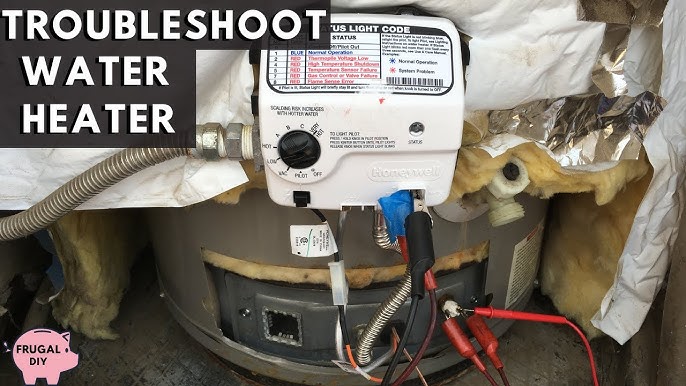
Credit: www.youtube.com

Credit: produtoresflorestais.pt
Frequently Asked Questions
Why Is My Honeywell Water Heater Not Heating Water?
Check the thermostat setting and power supply. A faulty heating element may cause no heat.
How To Reset A Honeywell Water Heater?
Locate the reset button near the thermostat and press it firmly for a few seconds.
What Causes A Honeywell Water Heater Pilot Light To Go Out?
Drafts, dirty pilot tube, or gas supply issues often extinguish the pilot light.
How To Fix Low Water Temperature In Honeywell Heaters?
Adjust the thermostat higher or flush out sediment blocking heat transfer.
Why Is My Honeywell Water Heater Leaking Water?
Leaks often come from loose valves, worn-out seals, or tank corrosion.
How Often Should I Service My Honeywell Water Heater?
Service it yearly to check parts, clean, and maintain efficiency.
Conclusion
Troubleshooting your Honeywell water heater can save time and money. Simple checks often fix common issues fast. Always follow safety steps before starting repairs. Keep the user manual close for quick help. Regular maintenance helps your heater run well longer.
Small problems don’t have to turn into big ones. Stay calm and methodical while diagnosing issues. This way, you keep warm water flowing daily. Trust your skills and take it step-by-step. Your heater will thank you with reliable service.