
A 30-gallon gas water heater is a popular choice for small households, apartments, or as a secondary water heater in larger homes. If you’re thinking about buying one, it’s important to know not just the purchase price, but all the costs involved—installation, energy use, maintenance, and long-term value.
Many people are surprised by how much these factors can change the total cost. In this guide, you’ll find clear explanations, real-world numbers, and practical tips to help you understand exactly how much a 30-gallon gas water heater costs.
Understanding The Basics: What Is A 30-gallon Gas Water Heater?
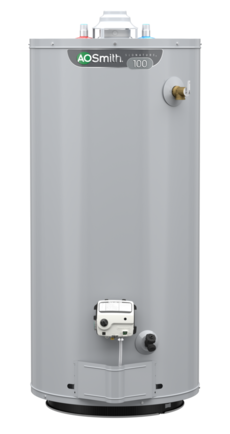
A 30-gallon gas water heater is a tank-style unit that heats and stores up to 30 gallons of water using natural gas or propane. This size is usually enough for 1–2 people or for homes with low hot water needs. Because gas heaters recover hot water faster than electric models, you can enjoy shorter wait times between showers or laundry loads.
These heaters are popular because they save space, heat water quickly, and often cost less to operate compared to electric models. But the total cost depends on more than just the unit’s sticker price.
The 30 Key Factors That Affect The Cost Of A 30-gallon Gas Water Heater
Every home is different, and so are the costs. Here are 30 important factors you need to consider. Each one can impact your final price, sometimes in ways you might not expect.
1. Heater Brand
The brand of water heater plays a big role in price and reliability. Well-known brands like Rheem, A.O. Smith, Bradford White, and Kenmore tend to cost more, but they often offer better warranties and customer support. Lesser-known brands might be cheaper, but can lack service networks or quality parts.
2. Model Type (standard Vs. High-efficiency)
Standard models are cheaper upfront, but high-efficiency units save money on gas bills over time. High-efficiency units use advanced burners and better insulation, but can cost $200–$500 more to buy.
3. Purchase Location (retailer Vs. Plumber)
Buying from a big box store like Home Depot or Lowe’s is usually less expensive than buying through a plumber or HVAC supplier. However, plumbers may offer better installation packages or extended warranties.
4. Local Market Pricing
Prices change depending on where you live. Urban areas with more competition may offer lower prices. In rural areas, limited stock can drive prices up. Also, local taxes and delivery fees can add to your total cost.
5. Natural Gas Vs. Propane
Natural gas water heaters are often less expensive to run, but not all homes have gas lines. Propane models can cost $100–$200 more and require a propane tank, which is an extra expense.
6. Tank Lining Material
The inside of the tank is lined with glass, ceramic, or other materials to prevent rust. Tanks with better lining last longer, but cost more. Poor-quality linings can lead to leaks and early replacement.
7. First Hour Rating
The first hour rating tells you how much hot water the heater can deliver in an hour. Higher ratings usually cost more but are important if you have occasional high demand.
8. Energy Factor (efficiency)
A higher energy factor means better efficiency and lower gas bills. Look for models with an energy factor above 0.62 for good performance.
9. Warranty Length
Units with a longer warranty (usually 6–12 years) cost more, but can save money on repairs or replacement. Shorter warranties indicate lower-quality tanks or parts.
10. Installation Labor
Professional installation costs vary widely. Basic installs in easy-to-reach places can cost $400–$800. Complicated jobs, such as replacing venting or relocating pipes, can raise the price by $1,000 or more.
11. Permit And Inspection Fees
Many cities require a permit and inspection for water heater installation. Permit fees range from $50–$250 depending on location.
12. Old Unit Removal
Hauling away your old water heater usually costs extra ($50–$150). Some installers include this fee, while others charge separately.
13. Required Upgrades (venting, Gas Line)
If your home’s gas line, venting, or flue is outdated, you may need upgrades. This can add $100–$500 or more to the total cost.
14. Water Quality
Hard water or corrosive water can reduce tank life. Some areas may require special anode rods or water softeners, which add to the upfront and maintenance costs.
15. Expansion Tank
Many codes require an expansion tank to protect your plumbing system. This usually adds $50–$150, plus installation labor.
16. Earthquake Strapping
In earthquake-prone areas, you may need earthquake straps to secure the water heater. Straps cost $20–$50, plus installation.
17. Delivery Charges
If you buy online or from a store without free delivery, expect to pay $50–$100 for delivery.
18. Size And Dimensions
Some 30-gallon units are shorter or slimmer to fit tight spaces, but these compact models can cost more.
19. Digital Controls Or Smart Features
Units with digital displays, timers, or Wi-Fi controls cost $50–$200 more, but offer easier management and diagnostics.
20. Self-cleaning Features
Some water heaters have self-cleaning systems to reduce sediment buildup. While these cost more, they can extend the unit’s life and lower long-term costs.
21. Recovery Rate
A faster recovery rate means the heater can reheat water quickly after heavy use. High recovery models are more expensive but may prevent running out of hot water.
22. Local Utility Rebates
Check for rebates from your gas company or city. These can reduce upfront costs by $50–$300 for energy-efficient models.
23. Extended Service Agreements
Stores and installers offer extended warranties for $50–$200. They can cover labor, parts, or accidental damage not included in the basic warranty.
24. Insulation Quality
Better tank insulation reduces standby heat loss, saving money. However, heaters with more insulation are often priced higher.
25. Noise Level
Some modern models are designed to be quieter, using better insulation or special burners. These are often priced at a premium.
26. Corrosion Resistance
Heaters with corrosion-resistant materials or special coatings (such as stainless steel) last longer but can cost significantly more upfront.
27. Manufacturer Rebates And Promotions
Manufacturers sometimes offer discounts or mail-in rebates, especially during off-season months or special promotions.
28. Time Of Year
Prices can be lower in spring and fall when demand drops. In colder months, high demand can drive prices up.
29. Financing Options
Some retailers or installers offer financing, which may affect the total cost due to interest or fees.
30. Emergency Or After-hours Installation
If your water heater fails suddenly, emergency installation or after-hours service can cost double the normal labor rates.
How Much Does A 30-gallon Gas Water Heater Cost? Real-world Numbers
The cost of a 30-gallon gas water heater can range widely depending on the factors above. Here are typical price ranges for the heater itself:
- Standard models: $400–$800
- High-efficiency models: $700–$1,300
But the total installed cost is what really matters. Let’s break down a common scenario.
Example Cost Breakdown
- Heater unit: $600 (mid-range brand, standard efficiency)
- Basic installation labor: $600
- Permit and inspection: $100
- Old unit removal: $75
- Expansion tank: $100 (with labor)
- Delivery: $60
Total: $1,535
This is a realistic price for a typical urban home with no major upgrades needed. Costs can rise if you need venting changes, gas line work, or want a high-efficiency model.
Comparing Gas Vs. Electric 30-gallon Water Heaters
Some people consider electric units instead of gas. Here’s a comparison to help you see the real cost difference:
| Feature | Gas | Electric |
|---|---|---|
| Unit Price | $400–$1,300 | $300–$900 |
| Installation Cost | $400–$1,200 | $350–$800 |
| Annual Energy Cost | $150–$300 | $300–$600 |
| Recovery Time | Fast | Slow |
| Maintenance | Moderate | Low |
| Lifespan | 8–12 years | 8–12 years |
Insight: While electric units are cheaper to buy, gas units usually cost less to run and provide hot water faster. Consider your local energy prices and hot water needs.
Credit: www.aosmithatlowes.com
What Really Matters When Choosing A 30-gallon Gas Water Heater
Not all buyers focus on the same things. Here are the key considerations you should keep in mind:
- Household size: 30 gallons is usually enough for 1–2 people or occasional use.
- Recovery rate: If you need lots of hot water quickly, choose a high recovery model.
- Efficiency: Higher energy factor models cost more but save money in the long run.
- Warranty: Longer warranties give peace of mind but raise the price.
- Installation complexity: Older homes often need vent or gas line upgrades.
- Space: Make sure the unit fits in your utility closet or basement.
Common mistake: Many buyers focus only on the unit price and ignore installation, permits, and long-term energy costs.
Installation: What To Expect
Most people hire a licensed plumber or HVAC technician to install a gas water heater. Here’s what the process usually involves:
- Site inspection: The installer checks your gas lines, venting, and space.
- Permits: They get a permit if local rules require it.
- Removal: The old heater is drained and taken away.
- Installation: The new unit is connected to gas, water, and venting.
- Testing: The installer checks for leaks and proper operation.
- Inspection: City inspectors may visit to ensure code compliance.
Tip: Always ask for a written quote that lists all fees—some installers give a low price, then add “surprise” charges later.
Maintenance And Operating Costs
It’s not just about the purchase and installation. Here’s what you need to budget for over the life of your heater.
Annual Energy Use
A typical 30-gallon gas water heater uses about 10–15 therms of natural gas per month. At $1.50 per therm, that’s about $15–$22/month or $180–$264/year.
Regular Maintenance
- Flushing the tank: $80–$150 if done by a plumber (once a year)
- Replacing the anode rod: $30–$60 (every 3–5 years)
- Checking venting and gas connections: Usually included in annual maintenance
Repairs
Most repairs cost $100–$300. Common issues include faulty thermostats, pilot lights, or valves.
Real-world Examples: Three Buyer Scenarios
To make this more practical, here are three real-life examples:
Scenario 1: Budget Buyer
- Brand: Off-brand
- Location: Midwest, urban
- Unit price: $450
- Basic install: $500
- Permit: $75
- No upgrades needed
- Total: $1,025
Scenario 2: High-efficiency Upgrade
- Brand: Rheem
- Location: California
- High-efficiency model: $1,000
- Install (includes vent upgrade): $1,000
- Permit: $150
- Expansion tank: $100
- Total: $2,250
Scenario 3: Emergency Replacement
- Brand: A.O. Smith
- Location: Northeast
- Unit price: $700
- After-hours install: $1,200
- Permit: $125
- Old unit removal: $100
- Total: $2,125
How To Save Money On A 30-gallon Gas Water Heater
Here are practical ways to keep your costs down:
- Shop around: Get quotes from at least three installers.
- Buy during off-peak months: Prices drop in spring and fall.
- Look for rebates: Check local utility or manufacturer websites.
- Do basic work yourself: You can sometimes remove the old heater and save on labor.
- Maintain the unit: Annual flushing prevents costly repairs.
Comparing Popular Brands And Models
Here’s a look at what you might pay for different brands and features:
| Brand | Standard Model Price | High-Efficiency Model Price | Warranty (years) |
|---|---|---|---|
| Rheem | $500–$700 | $900–$1,300 | 6–12 |
| A.O. Smith | $450–$650 | $850–$1,200 | 6–10 |
| Bradford White | $600–$800 | $1,000–$1,300 | 6–10 |
| Kenmore | $400–$600 | $800–$1,100 | 6–9 |
Non-obvious insight: Sometimes local plumbing supply houses sell better-quality “professional” models that aren’t found at big box stores. These can last longer, even if the price is slightly higher.
How Long Will A 30-gallon Gas Water Heater Last?
Most 30-gallon gas water heaters last 8–12 years. Factors that affect lifespan include:
- Water quality: Hard or corrosive water shortens tank life.
- Usage: Heavy use wears out parts faster.
- Maintenance: Annual flushing and anode rod replacement prevent rust.
Tip: If your heater is more than 10 years old, start budgeting for a new one—even if it still works.
Signs You Need To Replace Your Water Heater
Look for these warning signs:
- Rusty water: Could mean the tank is corroding.
- Strange noises: Popping or rumbling means sediment buildup.
- Leaks: Any moisture around the base is a red flag.
- Inconsistent hot water: May indicate worn-out parts.
- Age: If the unit is over 10 years old, replacement is a good idea.
Credit: www.homedepot.com
Should You Consider A Tankless Water Heater?
Some homeowners wonder if they should buy a tankless gas water heater instead of a tank model. Tankless units cost more ($1,000–$2,500 installed), but last longer (up to 20 years) and save on energy. However, they may require expensive gas line or vent upgrades, and can struggle with high-demand situations.
Tankless is best for homes with space concerns or those who want unlimited hot water—but the upfront cost is much higher.
Environmental Impact
Gas water heaters produce carbon emissions, but high-efficiency models use less fuel. Some states offer extra rebates for ENERGY STAR-rated units. If you care about the environment, look for low-NOx burners and the highest energy factor you can afford.
Quick Reference: Typical Cost Ranges
Here’s a fast summary of what you might expect to pay:
- Low end (basic unit, easy install): $900–$1,200
- Average (mid-range unit, standard install): $1,200–$1,700
- High end (high-efficiency, complex install): $1,700–$2,500
Two Non-obvious Insights For Savvy Buyers
- Professional-grade models from plumbing supply houses often have thicker tank linings and better parts, even if the brand name is the same as retail models.
- Upgrading to a high-efficiency unit can make you eligible for rebates and lower your gas bill enough to pay for the upgrade within a few years—especially if gas prices rise.
Where To Research Further
If you want to compare more brands or check for rebates, the U.S. Department of Energy is a trusted source: U.S. Department of Energy.
Final Thoughts
A 30-gallon gas water heater offers a good balance for small households. While the unit price is important, don’t forget to consider installation, permits, upgrades, and long-term energy costs. Taking the time to compare features, brands, and local installers can save you hundreds of dollars and ensure you get the right unit for your home.
Make sure to ask about warranties, check for rebates, and choose a model that fits your space and hot water needs. With smart planning, you can enjoy reliable hot water and avoid costly surprises.

Credit: www.lowes.com
Frequently Asked Questions
How Much Should I Budget For A 30-gallon Gas Water Heater, Including Installation?
Most homeowners spend between $1,200 and $1,700 for a new 30-gallon gas water heater, including professional installation. Prices are higher if you need vent or gas line upgrades.
Are 30-gallon Gas Water Heaters Energy Efficient?
Some models are very efficient, especially ENERGY STAR or high-efficiency units with an energy factor above 0.62. These models cost more up front but save money on gas bills.
How Long Does Installation Take?
A standard replacement takes about 2–4 hours for a licensed plumber. Complicated jobs can take longer, especially if venting or gas lines need changes.
Do I Need A Permit To Replace My Water Heater?
In most cities, yes. Permits and inspections are required to ensure safety and code compliance. Permit fees range from $50–$250.
What Is The Best Brand For A 30-gallon Gas Water Heater?
Rheem, A.O. Smith, and Bradford White are among the most trusted brands for reliability and warranty support. The best brand for you depends on local availability, price, and installer recommendations.