
When you walk near your water heater and catch a whiff of gas every time it turns on, it’s natural to feel concerned. Gas leaks are never something to ignore, even if the smell seems faint or goes away quickly. Understanding why you notice a gas smell when your water heater starts can help you protect your home and family. This guide will break down the causes, what you should do immediately, how to troubleshoot safely, and when to call a professional. You’ll also learn about prevention, safety tips, and common mistakes most people miss.
Why You Might Smell Gas When The Water Heater Turns On
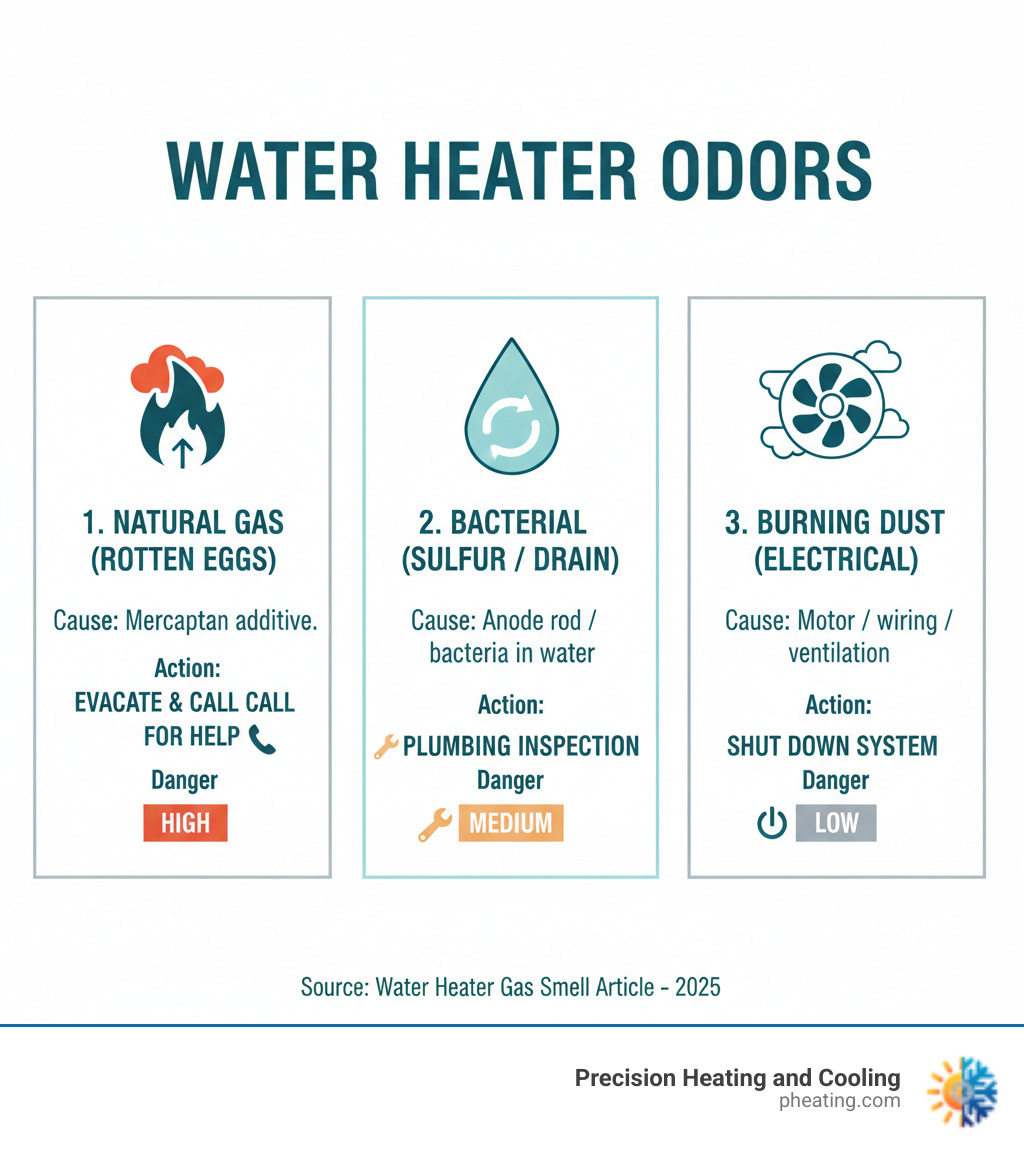
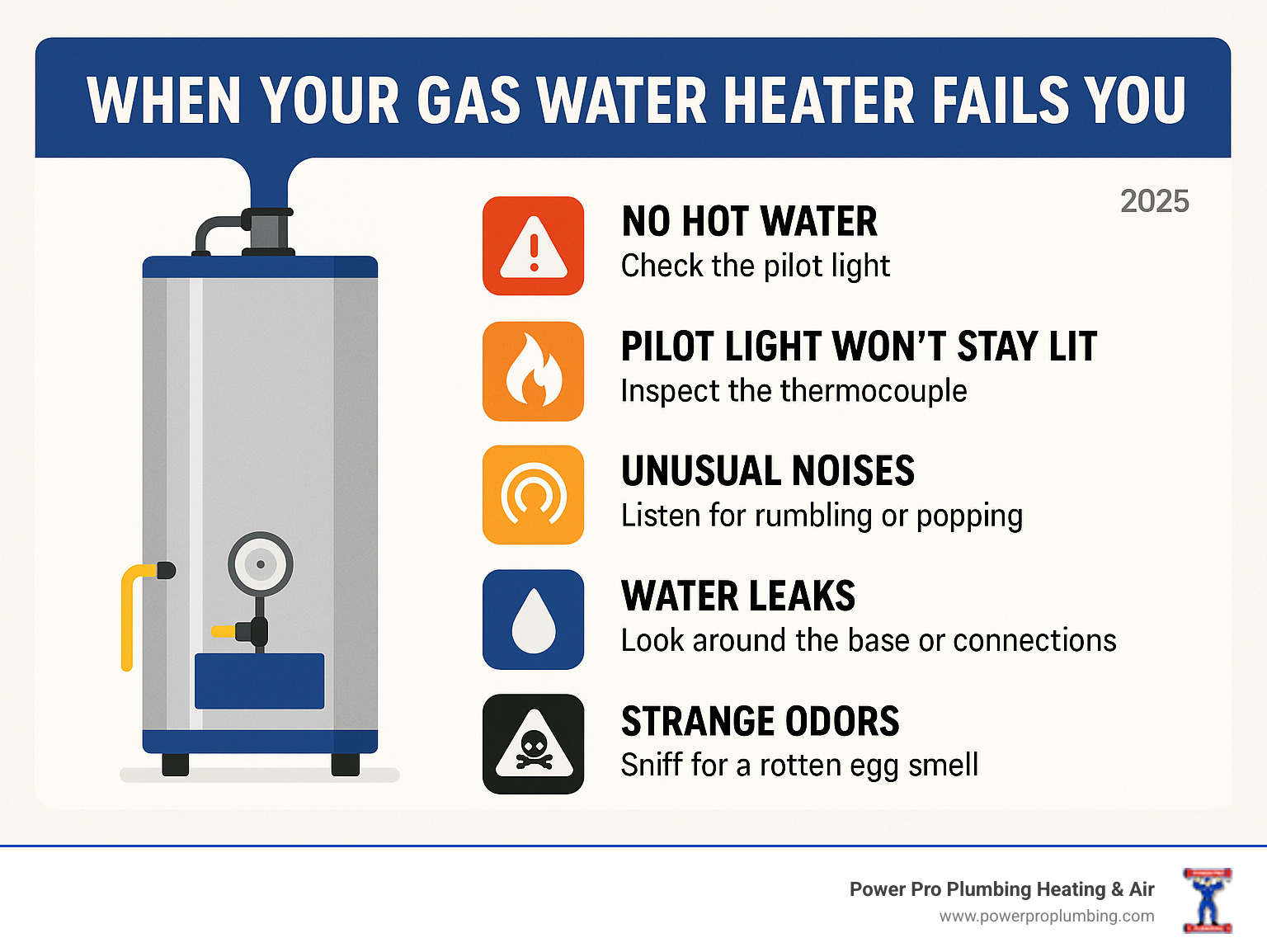
Water heaters are common in homes, but many people don’t realize they can develop gas leaks or other issues over time. If you notice a rotten egg smell (the scent of added mercaptan in natural gas), it’s a warning sign. Several problems could be happening:
- Loose or Damaged Connections: Over time, the joints and fittings where gas enters your water heater can loosen. This is especially common after an earthquake, home renovation, or even routine maintenance.
- Faulty Gas Valve: Water heaters have a gas control valve that regulates the flow. If this valve is old or faulty, it can leak when the burner ignites.
- Cracked Burner Assembly: If the burner or pilot assembly is cracked, gas may escape before it is burned, producing a noticeable odor.
- Ignition Delays: Sometimes, the gas accumulates for a second or two before igniting, causing a brief burst of unburned gas to escape.
- Blocked Ventilation: If the flue or vent pipe is blocked, gas may back up into the room instead of venting outside.
- Worn Seals or Gaskets: Old water heaters may have worn seals, allowing small amounts of gas to seep out.
- Pilot Light Issues: A weak or misaligned pilot can let gas escape without burning properly.
Most of these problems are not always obvious to the average homeowner. Many people assume the smell is “normal” or temporary, but that’s a risky mistake.
Immediate Actions: What To Do If You Smell Gas
If you smell gas when your water heater turns on, never ignore it. Gas leaks can lead to fires, explosions, or carbon monoxide poisoning. Here are the steps you should take:
- Turn Off the Water Heater: Locate the shut-off valve near your water heater and turn it off. For most models, this means turning the dial to “OFF” or “PILOT” position.
- Ventilate the Area: Open windows and doors to allow fresh air in and help disperse any gas.
- Avoid Flames or Sparks: Do not light matches, turn on electrical switches, or use your phone near the leak. Even static electricity can ignite gas.
- Evacuate if Necessary: If the smell is strong, leave the house immediately.
- Call for Help: Contact your local gas company or fire department. Do not try to fix the problem yourself if you suspect a major leak.
- Do Not Return Until Safe: Wait for professionals to inspect and clear the area before going back inside.
Important: Even a faint smell should be taken seriously. Gas is heavier than air and can pool near the floor, making it more dangerous than you might think.
How Water Heaters Use Gas: A Simple Explanation
Understanding how a gas water heater works can help you spot where problems might happen. Here’s a simple breakdown:
- Gas Supply Line: Brings natural gas or propane to the water heater.
- Gas Control Valve: Regulates the flow of gas into the burner.
- Pilot Light or Igniter: Ignites the gas to create a flame.
- Burner Assembly: Where the gas mixes with air and burns to heat the water.
- Flue Vent: Channels exhaust gases safely outside.
When you turn on hot water, the system opens the valve, lets in gas, lights the burner, and starts heating. If anything blocks, leaks, or delays these steps, unburned gas can escape.
Common Causes Of Gas Smell When The Water Heater Turns On
Let’s go deeper into the main reasons you notice a gas smell during operation.
1. Loose Or Corroded Fittings
Over time, the metal parts connecting your heater to the gas line can corrode, loosen, or get damaged. Even a tiny gap can let out enough gas for you to smell.
Tip: Periodically check the connections for rust, discoloration, or oily stains. These are signs of a leak.
2. Aging Or Faulty Gas Valves
The gas control valve is a common failure point. Valves wear out, get stuck, or develop tiny cracks. When the valve doesn’t seal well, gas escapes, especially when the system turns on and off.
Insight: If your heater is more than 10 years old, the valve is more likely to fail.
3. Delayed Ignition
A small “puff” of gas before the burner ignites is a sign of delayed ignition. This can happen if the igniter is dirty, misaligned, or slow to spark. The unburned gas escapes, then suddenly ignites with a “whoosh.”
Practical Example: You might hear a small bang or see a flash when the heater starts. This is not normal and can be dangerous.
4. Pilot Light Problems
If the pilot light is weak, yellow instead of blue, or keeps going out, gas may not burn completely. This lets extra gas escape into the air.
Beginner Miss: Many people think a small, flickering pilot is okay, but it’s actually a warning sign.
5. Cracked Or Dirty Burner Assembly
The burner can develop cracks or get clogged with dust and debris. When this happens, gas may leak out unevenly, and not all of it gets burned.
Tip: Annual cleaning and inspection can prevent buildup.
6. Blocked Or Leaky Vent
If the vent pipe is blocked by a bird nest, leaves, or rust, exhaust gases can back up. Sometimes, leaks in the vent connections cause gas to seep out.
Non-Obvious Insight: Blocked vents also increase the risk of carbon monoxide buildup—a silent, deadly danger.
7. Poor Installation Or Recent Work
After a new installation or repair, fittings may not be tight. Sometimes, plumbers or DIYers forget to check for leaks.
Common Mistake: Trusting that a new heater “must be safe” without testing for leaks.
8. Gas Line Damage
Occasionally, the gas line itself gets cracked or punctured due to age, pests, or accidents. This is less common, but much more dangerous.
Warning: Never try to fix or patch a gas line yourself.
Step-by-step: How To Troubleshoot A Gas Smell
If the smell is mild and you want to investigate before calling for help, follow these steps carefully. Safety comes first.
1. Check For Obvious Leaks
Look at the connections and joints. Do you see rust, white powder, or oily stains? These can all be signs of a slow leak.
2. Use The Soapy Water Test
Mix a bit of dish soap with water in a spray bottle. Spray it on the gas fittings. If you see bubbles forming, gas is leaking out.
Safety Note: If you see lots of bubbles or smell strong gas, stop and call a professional.
3. Listen For Hissing
Sometimes, you can hear a faint hissing sound near the heater when it turns on. This is another sign of a leak.
4. Inspect The Pilot Light
Look at the pilot flame. It should be steady and blue. If it’s yellow, orange, or flickering, there’s a problem.
5. Check The Burner Operation
Watch and listen as the heater turns on. If you see a flash or hear a pop, you may have delayed ignition.
6. Examine The Vent
Make sure nothing is blocking the vent outside. Birds, rodents, and leaves are common culprits.
7. Smell Test After Turning Off
Turn off the gas supply and wait 10-15 minutes. If the smell goes away, it’s likely coming from the heater, not the supply line.
Pro Tip: Take notes about what you see, hear, or smell. This helps the technician diagnose the problem faster.
Dangers Of Ignoring A Gas Smell
Some people ignore a gas smell, thinking it’s harmless or temporary. This can be a fatal mistake. Here’s why:
- Explosion Risk: Gas can ignite from a spark, pilot, or even static electricity.
- Fire Hazard: Even a small leak can cause a house fire.
- Carbon Monoxide Poisoning: Incomplete combustion produces CO, which is odorless and deadly.
- Health Effects: Breathing natural gas can cause headaches, nausea, dizziness, and in severe cases, death.
Fact: The U.S. Fire Administration reports that heating equipment is one of the top causes of home fires. Gas leaks are a leading factor.
What To Expect From A Professional Inspection
If you call a licensed plumber or gas technician, here’s what they’ll usually do:
- Gas Sniffer Test: Use a sensitive tool to detect gas leaks.
- Pressure Test: Check if the gas lines hold pressure without dropping.
- Valve and Fitting Inspection: Make sure all connections are tight and in good condition.
- Burner and Pilot Check: Clean and adjust as needed.
- Vent and Flue Inspection: Ensure all exhaust paths are clear.
They may also recommend replacing old valves, burners, or even the whole heater if it’s no longer safe.
Water Heater Types And Leak Risks
Different types of water heaters have unique gas leak risks. Here’s a quick comparison:
| Type | Common Gas Leak Points | Special Risks |
|---|---|---|
| Tank-style (with pilot light) | Pilot assembly, gas valve, connections | Pilot outages, delayed ignition |
| Tankless (on-demand) | Gas valve, burner, electronic igniter | Ignition delay, electronic failures |
| Power vent | Vent fan, vent pipe, gas valve | Fan failure, vent blockages |
Tip: Know your heater type and read the manual for specific safety checks.
/turning-off-gas-to-water-heater-2719068-03-12eec29e7218449aa42397862bdfcfc0.jpg)
Credit: www.thespruce.com
Cost Of Repair Vs. Replacement
If your water heater is leaking gas, you’ll have to decide whether to repair or replace it. Here’s a rough cost comparison:
| Repair | Estimated Cost | When to Choose |
|---|---|---|
| Gas valve replacement | $150 – $300 | Valve is faulty, heater is under 10 years old |
| Burner cleaning/replacement | $100 – $250 | Burner is dirty or cracked |
| Full water heater replacement | $700 – $2,500 | Heater is over 10 years old, multiple issues |
Insight: If your heater is older and has frequent problems, replacing it is usually safer and more cost-effective long term.
How To Prevent Gas Leaks In Water Heaters
Preventing gas leaks is easier (and cheaper) than fixing them after they happen. Here’s what you can do:
- Annual Inspections: Have a professional check your heater and gas lines every year.
- Install a Gas Detector: These alarms can warn you before you even notice the smell.
- Regular Cleaning: Keep the burner and pilot area free from dust and debris.
- Check Vents: Make sure nothing is blocking or nesting in your vent pipe.
- Monitor Pilot Light: If it changes color or goes out often, get it checked.
- Don’t Skip Maintenance: Follow the manufacturer’s service schedule.
- After Earthquakes or Renovations: Always check for loose connections or damage.
Non-Obvious Insight: Some leaks are so small you won’t smell them until the heater kicks on. A detector can catch these early.
Signs Your Water Heater Needs Attention
Don’t wait for a strong gas smell to act. Other warning signs include:
- Soot or scorch marks around the heater
- Pilot light keeps going out
- Rattling or popping noises when the heater starts
- Unusual moisture or rust near the base
- Hot water running out faster than usual
These can all indicate deeper problems, not just with gas but with the heater’s overall health.
Diy Safety Tips For Homeowners
If you prefer to handle some checks yourself, always follow these safety tips:
- Use Proper Tools: Never use open flames to check for gas leaks.
- Wear Gloves and Safety Glasses: Protect yourself from unexpected sprays or debris.
- Don’t Overtighten: If tightening a fitting, go snug but not too tight—overdoing it can crack the joint.
- Label Your Shutoffs: Clearly mark your gas and water shutoff valves for emergencies.
- Document Issues: Take photos and notes for your technician.
Warning: DIY repairs are not for everyone. If in doubt, always call a licensed professional.
What Most People Miss About Gas Smells
Two key things beginners often miss:
- Smell Strength Varies: You may only notice the smell when the water heater starts because that’s when gas flow is highest. Don’t assume it’s “just a puff” and harmless.
- Seasonal Changes: Colder weather can make gas odors linger longer in basements or garages. In summer, you might not notice as much, but the risk is the same.
Legal And Insurance Issues
Ignoring a gas leak can cost you more than repairs. Insurance companies may deny fire or explosion claims if you failed to maintain your equipment. In some states, landlords are legally required to fix gas leaks immediately or face fines.
Fact: A single gas explosion can cause tens of thousands of dollars in damage—and may not be covered if you ignored warning signs.
Credit: plattar.com
When To Call The Gas Company Vs. A Plumber
Not sure who to call? Here’s a simple guide:
- Strong Gas Smell / Possible Major Leak: Call your gas utility’s emergency number first. They can shut off the supply and make sure it’s safe.
- Mild or Occasional Odor / Suspected Appliance Issue: Call a licensed plumber or HVAC technician who works on water heaters.
- Unexplained Symptoms (headaches, nausea): Leave the area and call for help immediately.
Pro Tip: Gas companies will inspect for free, but they usually don’t repair appliances. You may need both services.
Recent Water Heater Innovations And Safety Features
Modern water heaters include several safety upgrades:
- Flame Arrestor Screens: Prevents flames from escaping if flammable vapors are present.
- Electronic Ignition Systems: Replaces pilot lights for safer, more reliable starts.
- Sealed Combustion Chambers: Keeps all burning sealed away from room air, reducing leak risk.
- Built-in Gas Leak Detectors: Some smart heaters can alert your phone if a leak is detected.
If your heater is over 10 years old, consider upgrading to a safer model.
Case Study: Real-world Example
Maria, a homeowner in Texas, noticed a faint gas smell every time her water heater turned on. She ignored it for weeks, assuming it was normal. One morning, she heard a loud “whoosh” and saw a brief flame flash from the heater’s base. She quickly turned off the heater and called the gas company. The technician found a loose connection and a cracked burner. It cost her $250 to fix, but she was lucky—waiting longer could have caused a fire.
Lesson: Even a small, brief smell is a sign to act fast.
Environmental And Health Concerns
Gas leaks are not just a safety risk—they can harm the environment and your health. Natural gas is a greenhouse gas, and even small leaks contribute to climate change. Inhaling gas can trigger:
- Headaches
- Nausea
- Fatigue
- Breathing problems
If you or your family experience these symptoms and have a gas smell, leave the house and call for help.
How To Choose A Reliable Water Heater Technician
Not all plumbers are equally skilled with gas appliances. Here’s what to look for:
- Proper Licensing: Make sure they have current state licenses for gas work.
- Experience with Your Heater Type: Ask about their experience with your specific brand and model.
- Good Reviews and References: Check online ratings and ask for references.
- Upfront Pricing: Avoid technicians who can’t give you a clear estimate.
- Warranty on Work: A reputable tech will guarantee their repairs.
External Resource: For more on gas safety, see the Consumer Product Safety Commission.
Comparing Gas Water Heater Brands For Safety
Some brands have better safety records than others. Here’s how a few major brands compare for gas leak-related recalls and safety features:
| Brand | Safety Features | Recent Recalls |
|---|---|---|
| Rheem | Flame arrestors, electronic ignition | Few, mostly for electrical issues |
| AO Smith | Sealed combustion, gas leak sensors | Very few |
| Bradford White | Vents, pilot shutoff | Occasional, mostly venting |
| State Water Heaters | Electronic safety controls | Rare |
Insight: When replacing, consider safety features and recall history—not just price.
Credit: www.gfima.es
Frequently Asked Questions
Why Does My Water Heater Smell Like Gas Only When It Starts?
This usually happens because more gas flows into the burner right as it starts. If there’s a leak or delayed ignition, unburned gas can escape briefly, causing you to smell it.
Is A Faint Gas Smell From The Water Heater Normal?
No. You should not smell gas at any time. Even a faint odor is a warning sign of a leak or combustion problem. Take action to check or call a professional.
How Often Should I Inspect My Gas Water Heater For Leaks?
At least once a year. You should also check after any home renovation, earthquake, or if you notice any changes in operation or smell.
Can I Use A Carbon Monoxide Detector To Find Gas Leaks?
No. Carbon monoxide detectors only sense CO, not natural gas or propane. Use a dedicated gas leak detector, which is designed for this purpose.
What Should I Do If I Smell Gas But Can’t Find The Source?
Turn off the gas supply, leave the area, and call your gas company or a licensed professional. Never try to search for the source with open flames or by yourself if the smell is strong.
If you notice a gas smell when your water heater turns on, take it seriously. Quick action can prevent disaster, keep your family safe, and save money in the long run. Learn the warning signs, don’t skip maintenance, and never hesitate to call a professional if you’re unsure.
Your safety is always worth the effort.